Welcome to customize all kinds of clothing

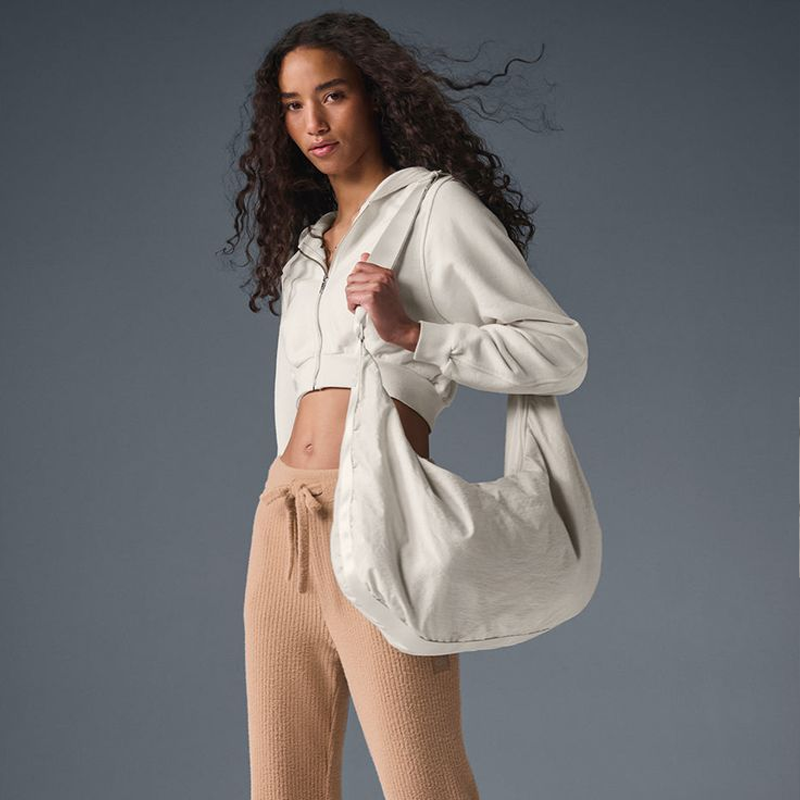
Pros and Cons of Nylon-Blend Tech Fabric Hoodies

What Is a Nylon-Blend Tech Fabric Hoodie?
A nylon-blend tech fabric hoodie is not your average cotton sweatshirt. It is engineered for performance rather than pure comfort. The core of this garment is its material composition. It typically blends nylon with other fibers like spandex, polyester, or even cotton.
The most common blends include:
- Nylon-Spandex (often 80-90% nylon / 10-20% spandex): Designed for maximum stretch and recovery. This is the fabric of choice for golf hoodies, running tops, and UPF sun hoodies because it moves with you and snaps back into place.
- Nylon-Polyester-Spandex: Used in high-exertion sports where sweat management is critical.
- Cotton-Nylon-Spandex: Aims to balance the softness of cotton with the durability and stretch of synthetics.
Unlike traditional cotton fleece that absorbs moisture, these hoodies use water repellent material. Instead of soaking up sweat, the fabric pulls moisture away from your skin to the outer surface where it can evaporate quickly. This is a complete departure from how a classic cotton hoodie operates. It defines the unique set of pros and cons we are about to explore.
The Pros: Why People Choose Nylon Tech Hoodies
1. Exceptional Durability and Shape Retention
Nylon has strong tear resistance. It is prized for its high tensile strength and long daily wear life. As a result, a nylon-blend hoodie is built to last.
Unlike cotton, which can felt, pill, and sag over time, nylon helps the garment maintain its original shape. Even after repeated washes and rigorous activity, the fibers resist breaking down. The fabric is less likely to stretch out at the elbows, cuffs, or shoulders. For anyone who has watched a favorite cotton hoodie lose its form after one season, this is a massive advantage.
2. Superior Moisture-Wicking and Quick Drying
This is the headline feature of any tech fabric hoodie. Cotton is highly absorbent. When you sweat, a cotton hoodie gets heavy, cold, and clammy, sticking uncomfortably to your skin.
In contrast, nylon-blend fabrics are water repellent material. They do not absorb moisture. They transport it instead. These hoodies are designed to pull sweat away from the body to the fabric’s surface where it can evaporate rapidly. A soaked cotton hoodie might take hours to dry. A nylon tech hoodie can dry in 30 to 60 minutes.
3. Full Flexible Movement and Four-Way Stretch
Nylon blends almost always include a significant percentage of Spandex (elastane). This gives the fabric full flexible movement, meaning it stretches both lengthwise and widthwise and quickly recovers its original shape.
This offers complete freedom of movement. There is no tightness across the shoulders. You feel no restriction when you raise your arms or twist your torso. Whether you are performing burpees, swinging a golf club, or simply stretching, the hoodie moves with you. This is why athletes and golfers specifically seek out this type of garment.
4. Weather Resistance (Wind and Light Water)
While not fully waterproof, many nylon-blend hoodies are treated with a light water resistant coat. This causes light rain and moisture to bead up and roll off the surface instead of soaking in.
The dense weave of the synthetic fabric also provides superior wind resistance compared to the loose, breathable knit of a cotton sweatshirt. Nylon holds its insulating properties better when damp. This is critical for safety during cold, wet workouts.
5. Added Performance Features (UV Protection and Cooling)
Beyond basic moisture management, manufacturers integrate other high-performance features into these fabrics.
- Cooling Effect: Fabrics like “Mélange Ice Nylon” claim to have cooling properties that help regulate body temperature. This makes them ideal for high-intensity training or hot weather.
- UPF Protection: Many nylon-spandex hoodies are rated UPF 50+. This means they block over 97% of harmful UV rays. They are an excellent choice for outdoor runners, hikers, and sun-sensitive individuals.
- Odor Reducing Finish: Some tech hoodies are treated with antimicrobial agents to reduce odor-causing bacteria. This is a significant benefit for gear worn during intense sweat sessions.
The Cons: The Trade-Offs for Performance
1. Less Softness and Tactile Comfort
Nylon lacks the natural, plush softness of cotton or fleece. While performance fabrics have improved significantly, they can still feel synthetic, slick, or slightly plastic-like against the skin. They do not offer the same cozy, comforting hand-feel that makes a cotton hoodie perfect for lounging on the couch. For low-activity relaxation, cotton remains the king of comfort.
2. Reduced Breathability (Potential for Stuffiness)
While athletic blends often focus on wicking, pure nylon is less breathable than cotton. The very density that makes it wind-resistant also traps heat. If you wear a nylon-heavy hoodie for casual, low-exertion activities like sitting in an office, you may feel stuffier and less comfortable than you would in a breathable cotton sweatshirt.
3. Pilling and Long-Term Surface Wear
Although nylon itself is strong, the surface of synthetic athletic fabrics can be prone to pilling (the formation of those annoying little fuzzy balls) over time. This happens due to the friction of the fibers rubbing together. Furthermore, some tech fabrics may degrade faster than heavy cotton with repeated washing and exposure to UV light.
4. Environmental Concerns
Nylon is a synthetic material derived from fossil fuels. It is not biodegradable. Unlike cotton, it will persist in landfills for decades. Additionally, washing synthetic fabrics releases microplastics into waterways. For the eco-conscious consumer, a nylon tech hoodie has a significantly higher environmental footprint than a responsibly sourced organic cotton sweatshirt.
5. Higher Cost and “Hype” Premium
Engineering high-performance fabrics (moisture-wicking, full flexible movement, UV protection) is expensive. Consequently, tech hoodies cost significantly more than traditional cotton options. They often range from $50 to $120 or more. For the average person who sweats lightly, the extra $50-$70 might not translate into a noticeable real-world improvement. The purchase can become less about function and more about brand hype.
How to Choose the Right Blend for You
Selecting the right hoodie depends entirely on your activity and environment. Rather than chasing the highest specs, match the fabric to your specific needs.
Here is a simple guide to help you match your activities with the right fabric:
| Key Factor | Indicators | Best for… | Avoid if… |
|---|---|---|---|
| Activity Intensity | High sweat volume, repetitive motion (running, HIIT, gym) | High-nylon/spandex blends for wicking and full flexible movement | Low-impact, light sweating (yoga, walking) |
| Weather Conditions | Wind and light rain | Look for light water resistant coat finish and tight weaves | Heavy downpours (no hoodie substitutes for a rain jacket) |
| Usage Context | Layering under a jacket or uniform | Midweight or lightweight (under 350gsm) to avoid bulk | Overheating easily in static indoor settings |
| Texture Preference | Ultra-soft, cozy feel against skin | Prioritize high cotton content blends or brushed fleece | Finding synthetic textures off-putting |
The “Test” Before You Buy
- The Squeeze Test: If you can, feel the fabric. Does it feel lightweight and slick (performance) or heavy and spongy (insulation)?
- The Stretch Test: Pull the fabric horizontally and vertically. Full flexible movement should feel fluid and easy, snapping back without resistance.
- The Flashlight Test: Shine your phone flashlight through the fabric. If it is highly transparent and shows large gaps in the weave, it offers poor wind resistance.
The Bottom Line
A nylon-blend tech fabric hoodie is not a replacement for your favorite cozy, heavy cotton one. It serves a different purpose.
You should choose a nylon-blend hoodie if:
- You need a high-performance layer for running, training, or hiking.
- You live in a windy or humid climate where cotton stays wet and cold.
- You require sun protection (UPF) or odor control for multi-day use.
- You want a lightweight, packable, durable layer for travel or an active commute.
You should stick to a cotton sweatshirt if:
- Your priority is lounging, warmth, and tactile softness.
- You are doing low-intensity activities where sweat management is not critical.
- You prefer a biodegradable, natural fiber with a lower environmental footprint.
In essence, cotton hoodies are built for comfort. Nylon tech hoodies are built for movement. The best wardrobe likely contains both. This allows you to pick the right tool for the specific job at hand.
More Articles from WUYI Apparel
Want to learn more about styling essentials hoodies or other apparel tips? Check out some of our other helpful articles:
- Wearing Black to a Wedding: A Modern Etiquette Guide
- Rainwear Jackets: The Perfect Fusion of Fashion and Function
- How To Measure Clothes
- Casual clothing – Casual and elegant through everyday life
- How to Find Your Style:An in-depth exploration of one’s own clothing style
For more tips and tricks on fashion and lifestyle, don’t forget to visit our Blog Section.
Head over to our Shop Page to browse our full collection and pick your favorite essentials hoodie