Welcome to customize all kinds of clothing

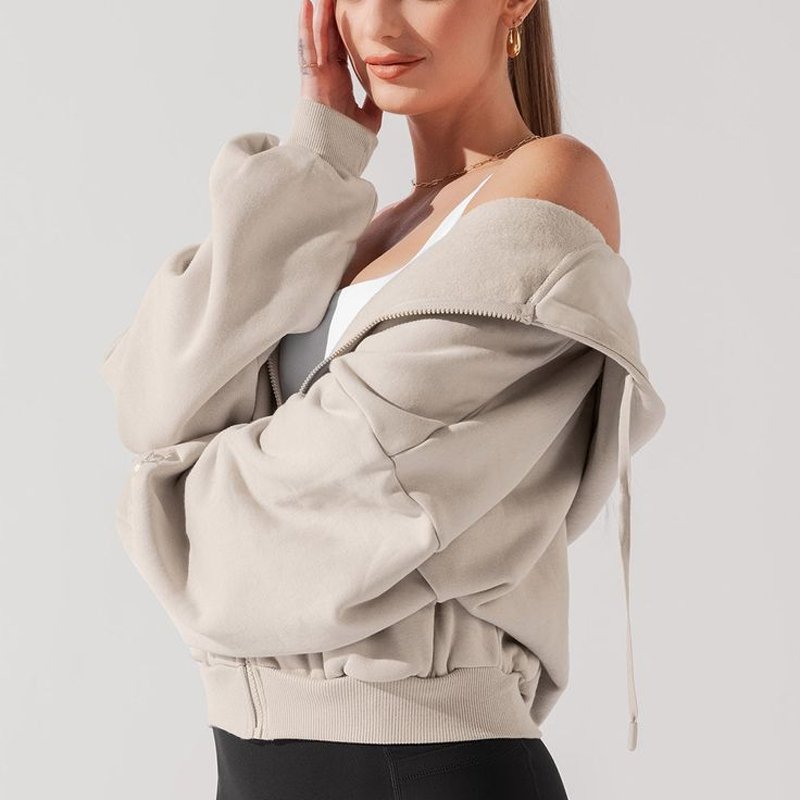
100% Cotton vs Polyester Blend Hoodie: Pros and Cons

Introduction: The Fabric Choice That Changes Everything
You are standing in a store. Two hoodies look almost identical. Same color. Same brand. Same price.
But one tag says “100% cotton.” The other says “80/20 cotton-polyester blend.”
Which one do you choose?
Here is the short answer: 100% cotton hoodies feel softer and breathe better, but they shrink and lose shape faster. Polyester blend hoodies hold their shape and last longer, but they can feel less breathable and may pill over time.
The right choice is not about which fabric is “better.” It is about matching the fabric to how you actually live. Do you wear hoodies for lounging? For working out? For daily commuting? Each answer points to a different blend.
This guide breaks down the pros and cons of 100% cotton versus polyester blend hoodies. You will learn what each fabric does well, where it falls short, and which one fits your needs.
Let us get into it.
Part 1: What — Understanding the Fabric Difference
Before we compare performance, let us understand what these fabrics actually are.
1.1 100% Cotton: The Natural Fiber
Cotton is a natural fiber grown from cotton plants. It has been used in clothing for thousands of years.
Why hoodies use cotton: Cotton fibers are soft, breathable, and absorbent. They feel gentle against the skin and allow air to circulate.
In hoodie construction, cotton is typically knitted into fleece or French terry. The looped interior gives the hoodie its warmth and softness.
Key characteristics:
- Natural cotton hypoallergenic fiber
- Soft and comfortable against skin
- Breathable and hypoallergenic
- Absorbs moisture but does not wick it away
1.2 Polyester Blend: Cotton with Synthetic Reinforcement
A polyester blend hoodie combines cotton with petroleum-based synthetic polyester, a synthetic fiber made from petroleum. The most common blends are 80/20 (80% cotton, 20% polyester) and 70/30 (70% cotton, 30% polyester).
Why hoodies add polyester: Pure cotton fleece tends to lose shape, shrink unpredictably, and lack durability. Polyester reinforces the fabric, improving dimensional stability and longevity.
Key characteristics:
- Stronger and more durable than pure cotton
- Resists shrinking and wrinkling
- Dries faster
- Less breathable than 100% cotton
1.3 Why 100% Cotton Hoodies Are Rare
If you have noticed that most hoodies are blends, you are not imagining things. Pure cotton hoodies are surprisingly hard to find.
The manufacturing challenge: Fleece knit construction is structurally more demanding than the jersey knit used for t-shirts. Without synthetic reinforcement, 100% cotton fleece tends to lose shape, shrink unpredictably, and feel thinner over time. Blends are simply easier to produce at scale with consistent results.
The cost factor: Cotton is more expensive than polyester. Blending reduces raw material costs without sacrificing perceived quality.
Part 2: Why — The Pros and Cons Compared
Now let us get into the real-world performance differences.
2.1 Softness and Comfort
100% cotton wins. Cotton’s natural fibers are soft and gentle against the skin. The feel is unmatched by synthetic blends.
One manufacturer notes that 100% cotton hoodies are “soft and comfortable, making them ideal for casual wear and individuals with sensitive skin.”
Polyester blends are comfortable but different. An 80/20 blend feels “very soft, cotton-dominant.” The difference is subtle—many people cannot tell the difference without a side-by-side comparison.
The trade-off: Pure cotton feels premium but costs more. Blends are almost as soft at a lower price point.
2.2 Breathability and Temperature Regulation
100% cotton wins decisively. Cotton allows air to circulate freely, keeping you cooler in warm weather and preventing that clammy, sticky feeling during mild activity.
One fabric guide explains: “Cotton allows air to circulate, making it cooler in warm weather and cozier in cold.”
Polyester blends are less breathable. Polyester fibers restrict airflow. In humid climates, a blend hoodie will feel warmer and less comfortable than a pure cotton one. The trade-off for durability is reduced breathability.
Verdict: If you run hot or live in a warm climate, 100% cotton is the better choice.
2.3 Durability and Longevity
Polyester blend wins. This is where blends truly excel.
Adding even 20% polyester dramatically improves dimensional stability. The fabric resists stretching, sagging, and tearing better than pure cotton.
One textile testing source shows that after 50 washes, 100% cotton fleece loses significant tensile strength, while blends retain their structure.
100% cotton is less durable. Cotton fibers wear out faster than polyester. Cuffs and waistbands can lose elasticity. Hems may sag. The fabric can feel thinner after repeated washing.
However, heavyweight cotton (400+ GSM) lasts longer. The heavier the fabric, the more durable it will be, even in pure cotton.
2.4 Shrinkage Resistance
Polyester blend wins convincingly. Pure cotton shrinks. There is no way around it. Without pre-shrinking treatment, unpredictable fabric shrinkage of 5-10% is common.
Polyester stabilizes the fabric. A 70/30 blend shrinks less than 2% after washing. This means your hoodie will fit the same way months later.
100% cotton is unpredictable. Shrinkage varies widely depending on the knit structure, finishing, and whether the fabric has been pre-shrunk. Without those controls, significant shrinkage in both directions is common.
Pro tip: If you buy 100% cotton, wash in cold water and air dry to minimize shrinkage.
2.5 Moisture Management
This one is situation-dependent.
100% cotton absorbs moisture but does not wick it away. This is good for mild activities—the fabric feels comfortable against skin when dry. But during exercise, cotton absorbs sweat and becomes heavy and damp.
Polyester blends manage moisture better. Polyester fibers are hydrophobic—they push moisture to the fabric surface, where it evaporates. A 70/30 blend dries significantly faster than pure cotton.
Verdict: For lounging and casual wear, cotton is fine. For workouts or active use, choose a blend.
2.6 Skin Sensitivity and Allergies
100% cotton wins for sensitive skin. Cotton is hypoallergenic and less likely to cause irritation. For people with eczema or allergy-prone skin, cotton is the safer choice.
Polyester can irritate. Some individuals experience itching or discomfort from synthetic fibers. Polyester can also trap heat, leading to sweat buildup and potential skin issues.
2.7 Environmental Impact
100% cotton (especially organic) is more eco-friendly. Natural fibers are biodegradable and come from renewable sources. Organic cotton uses significantly less water and no harmful pesticides.
Polyester has a higher environmental cost. It is made from petroleum, a non-renewable resource. Production requires high energy. Washing polyester releases microplastics into waterways.
But there is nuance: Recycled polyester (rPET) reduces the carbon footprint by 35% compared to virgin polyester. Some manufacturers now use recycled blends to balance durability with sustainability.
2.8 Printing and Decoration
100% cotton is better for DTG printing. The high cotton content maximizes ink absorption and color vibrancy for photo-quality prints.
Blends perform better for screen printing. An 80/20 or 70/30 blend provides a stable surface that holds fine details without distorting. Blends also embroider more cleanly because the fabric resists stretching under the needle.
2.9 Cost
Polyester blends are cheaper. Polyester costs less per pound than cotton. A 70/30 blend is significantly more affordable than a premium 100% cotton hoodie.
100% cotton costs more. Higher raw material costs and more complex production requirements drive up the price.
2.10 Comparison Summary Table
| Attribute | 100% Cotton | Polyester Blend (70/30 or 80/20) |
|---|---|---|
| Softness | Excellent | Very good |
| Breathability | Excellent | Good to moderate |
| Warmth | Good | Good |
| Durability | Moderate | High |
| Shrinkage resistance | Poor (5-10% possible) | Excellent (under 3%) |
| Shape retention | Poor | Very good |
| Moisture-wicking | No | Moderate to good |
| Skin sensitivity | Excellent (hypoallergenic) | May irritate sensitive skin |
| Environmental impact | Lower (biodegradable, renewable) | Higher (petroleum-based, microplastics) |
| DTG print quality | Excellent | Very good |
| Screen print quality | Good | Excellent |
| Cost | Higher | Lower to moderate |
Part 3: How — Choosing the Right Blend for Your Needs
Now let us get practical. Which blend should you choose?
3.1 Quick Decision Matrix
| If you prioritize… | Choose… | Why |
|---|---|---|
| Maximum softness and breathability | 100% cotton | Natural fibers feel best on skin |
| Long-term durability | Polyester blend | Blends resist stretching, sagging, and tearing |
| Consistent fit after washing | Polyester blend | Minimal shrinkage, holds shape |
| Sensitive skin or allergies | 100% cotton | Hypoallergenic, no synthetic irritation |
| Workouts and active wear | Polyester blend | Wicks moisture, dries faster |
| Lounging and casual comfort | 100% cotton or high-cotton blend | Softness matters more than durability |
| Eco-friendly choice | 100% organic cotton | Biodegradable, renewable, lower footprint |
| Budget-friendly | Polyester blend (60/40 or 70/30) | Lower material cost |
| Photo-quality DTG printing | 100% cotton | Maximum ink absorption |
| Screen printing at scale | Polyester blend (70/30) | Stable surface, clean prints |
| Streetwear “heavyweight” feel | 80/20 blend | Premium hand feel with durability |
3.2 The “Premium” Choice: 80/20 Cotton-Polyester Blend
If you want the best of both worlds, the 80/20 blend is widely considered the premium standard for blank hoodies. It feels overwhelmingly cotton-like—soft, breathable, and natural—while the 20% polyester provides just enough synthetic reinforcement to control shrinkage and improve shape retention.
Use this for: Premium brand programs, streetwear lines, DTG printing, retail-quality private label.
3.3 The “Workhorse” Choice: 70/30 Cotton-Polyester Blend
The 70/30 blend is the highest-volume ratio in the wholesale market. It shifts the balance slightly toward durability and cost efficiency. The surface touch is still predominantly cotton, but the additional polyester delivers noticeably better dimensional stability.
Use this for: High-volume programs, team uniforms, corporate merchandise, screen printing, embroidery.
3.4 The “Performance” Choice: 60/40 or 50/50 Blends
At 60/40, polyester’s influence becomes noticeable. The fabric shifts toward a smoother, more synthetic hand with less of the soft, matte character of cotton. Shrinkage is minimal, and the fabric dries faster. However, breathability drops.
Use this for: Athletic programs, performance wear, moisture-management applications.
3.5 The “Eco-Conscious” Choice: Organic Cotton or Recycled Blends
If sustainability matters to you, look for organic cotton (100% or blended) or recycled polyester blends. Organic cotton uses 91% less water and 46% less energy than conventional cotton. Recycled polyester reduces the carbon footprint by 35% compared to virgin polyester.
Use this for: Sustainable collections, eco-conscious brand programs, consumers who prioritize environmental impact.
3.6 The “Heavyweight” Factor
Fabric weight (measured in GSM) matters as much as blend. A heavy 100% cotton hoodie (400+ GSM) will outlast a lightweight blend. A lightweight cotton hoodie will shrink and wear faster than a heavyweight blend.
| Weight (GSM) | Feel | Best For |
|---|---|---|
| 180-250 GSM | Light, breathable | Spring/summer, activewear |
| 250-320 GSM | Balanced, everyday use | Transitional seasons |
| 320-400+ GSM | Heavy, structured | Streetwear, winter, luxury |
3.7 Sizing and Care Considerations
If you buy 100% cotton: Expect some shrinkage. Wash in cold water. Air dry or use low heat. If you are between sizes, size up to account for potential shrinkage.
If you buy a blend: Shrinkage is minimal. You can wash with more confidence. Your normal size will likely fit after washing.
Part 4: Who — Matching the Fabric to Your Lifestyle
Let us match each blend to specific lifestyles.
4.1 For Everyday Lounging and Casual Wear
Best choice: 100% cotton or 80/20 blend
Softness and breathability matter more than durability. You are not stressing the fabric with intense activity. Pure cotton provides the comfort you want.
4.2 For Gym and Active Use
Best choice: 70/30 or 60/40 blend
You need moisture-wicking and quick drying. Pure cotton will become heavy and damp. A blend keeps you comfortable during activity.
4.3 For Daily Commuting and Streetwear
Best choice: 80/20 blend
You want the premium hand feel of cotton with the durability to withstand daily wear. The 80/20 blend is the sweet spot.
4.4 For Sensitive Skin
Best choice: 100% cotton or high-cotton blend
Synthetic fibers can irritate sensitive skin. Pure cotton is hypoallergenic and breathable, making it the safest choice.
4.5 For Sustainability-Focused Shoppers
Best choice: 100% organic cotton or recycled polyester blend
Organic cotton reduces water and pesticide use. Recycled polyester keeps plastic out of landfills. Both lower your environmental footprint.
4.6 For Budget-Conscious Shoppers
Best choice: 70/30 or 60/40 blend
Blends are cheaper than premium cotton. You get decent softness and excellent durability at a lower price point.
Part 5: FAQs — Your Quick Questions Answered
Q1: Is 100% cotton better for hoodies?
For softness, breathability, and sensitive skin—yes. For durability, shrinkage resistance, and moisture management—no. “Better” depends on what you prioritize.
Q2: Do 100% cotton hoodies shrink?
Yes. Without pre-shrinking treatment, shrinkage of 5-10% is possible. Wash cold and air dry to minimize shrinkage.
Q3: Are polyester blend hoodies less breathable?
Generally, yes. Polyester fibers restrict airflow compared to cotton. In humid climates, a blend hoodie will feel warmer.
Q4: Which hoodie lasts longer?
Polyester blends last longer. Synthetic fibers resist stretching, sagging, and tearing better than pure cotton.
Q5: Is 80/20 cotton-polyester a good blend?
Yes. The 80/20 blend is considered the premium standard. It feels overwhelmingly cotton-like while adding enough synthetic reinforcement for durability.
Q6: What blend is best for screen printing?
70/30 or 80/20 blends perform best. The fabric is stable and holds fine details without distorting.
Q7: Are 100% cotton hoodies eco-friendly?
Organic cotton is eco-friendly. Conventional cotton uses significant water and pesticides. Look for GOTS-certified organic cotton for the lowest environmental impact.
Q8: Do polyester blend hoodies pill?
Some blends pill over time, especially lower-quality ones. Pilling tendency depends more on yarn quality and finishing than on the blend ratio.
Q9: Which is warmer, 100% cotton or polyester blend?
Both can be warm. Warmth is determined more by fabric weight and construction (fleece vs. French terry) than by blend ratio. Heavyweight cotton and heavyweight fleece blends are equally warm.
Q10: Which one should I buy?
Buy 100% cotton if: You prioritize softness, breathability, and natural fibers. You are willing to baby it in the wash.
Buy a polyester blend if: You want durability, consistent fit after washing, and moisture management. You wear your hoodie for active or daily use.
Buy an 80/20 blend if: You want the best of both worlds—softness and durability.
Conclusion: Choose What Fits Your Life
The choice between 100% cotton and polyester blend hoodies is not about right or wrong. It is about matching the fabric to how you live.
If you want the softest, most breathable hoodie for lounging and casual wear, choose 100% cotton. It feels amazing against the skin but requires careful washing to maintain its shape.
If you want a hoodie that lasts, holds its fit, and performs during activity, choose a polyester blend. The synthetic reinforcement adds durability and moisture management at the cost of some breathability.
Three things to remember:
- 100% cotton for softness and breathability. Choose it for lounging, sensitive skin, and eco-consciousness.
- Polyester blends for durability and shape retention. Choose it for active wear, daily commuting, and consistent fit.
- 80/20 blend is the sweet spot. It offers the softness of cotton with the structural benefits of polyester.
Your perfect hoodie exists. It just depends on what you need it to do.
Choose wisely. Wear it well.
More Articles from WUYI Apparel
Want to learn more about styling essentials hoodies or other apparel tips? Check out some of our other helpful articles:
- Wearing Black to a Wedding: A Modern Etiquette Guide
- Rainwear Jackets: The Perfect Fusion of Fashion and Function
- How To Measure Clothes
- Casual clothing – Casual and elegant through everyday life
- How to Find Your Style:An in-depth exploration of one’s own clothing style
For more tips and tricks on fashion and lifestyle, don’t forget to visit our Blog Section.
Head over to our Shop Page to browse our full collection and pick your favorite essentials hoodie