Welcome to customize all kinds of clothing

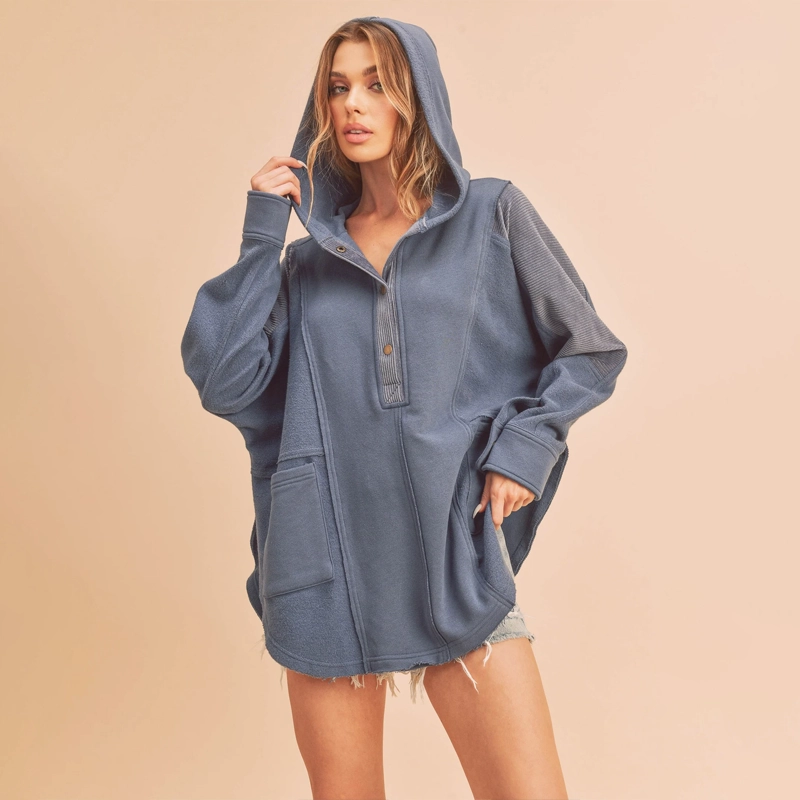
Why Is the Hoodie Still a Dominant Fashion Item in 2026?

The Market Size: Numbers Don’t Lie
In 2026, the hoodie is not fading. It is stronger than ever.
The global hoodies and sweatshirts market was valued at $241.11 billion in 2025. It is expected to reach $442.64 billion by 2034, growing at 7.08% each year. North America leads with 40.42% market share. The U.S. market alone is projected to hit $85.22 billion by 2026.
These numbers show a basic shift in how people buy. The hoodie is no longer “just a casual sweatshirt.” It has become the backbone of the modern closet.
Cultural Symbol: From Workwear to Identity Marker
The hoodie’s lasting power comes from its unique cultural weight. Kennesaw State University and the Museum of Design Atlanta created an exhibit called “The Hoodie: Identity, Power, Protest.” It traces the hoodie’s path from Champion’s 1930s workwear to its rise through sports, film, fashion, music, and Southern hip-hop.
The hoodie has moved beyond clothing. It carries stories of youth culture, protest, power, and who we are. One hoodie can say more than many other clothes put together.
Why People Buy: Gen Z’s “Curated” Mindset
In a time of too much information and endless choices, how Gen Z shops has changed.
“I want it all” now means something different. It no longer means “own everything.” Instead, it means picking carefully, wearing often, and adding your own meaning. A hoodie becomes proof of being there, a sign of your group, and a piece of who you are.
If you only have room for one hoodie in your closet, it needs to mean something.
From “Keeping Warm” to “Intentional Choice”
People no longer buy hoodies just to stay warm. They are buying identity, purpose, and everyday tools — layered clothes made for mixed work-life, changing weather, and values that match their own.
Street style data backs this up: 47% of 1977 Essentials hoodies are now worn with neat casual pants, up from just 23% in 2024. Meanwhile, 34% are layered under jackets with polished details. The average age of wearers has gone up from 22-28 to 25-35. The hoodie has moved from “only for young people” to “everyday must-have.”
Better Fabrics: Technology Makes Hoodies Smarter
Another key reason for the hoodie’s lasting popularity is better fabric technology.
Old-style 80/20 cotton-polyester blends have dropped from 63% to 41% of sales, replaced by newer, better knits. Three main fabric types now lead the market:
- Recycled nylon-cotton mixes (29% share): Pulls sweat away 22% better than standard fleece while keeping 94% of cotton’s soft feel
- Temperature control bamboo-cotton (18% share): Double-knit fabric runs 3.2°C cooler than regular fleece
- Recycled denim fleece (11% share): Uses 78% less water than new cotton; very popular with Gen Z
These are not just “green” marketing claims. They are real improvements in how the fabric works.
New Fits: Hoodies Made for a Purpose
In 2026, hoodie fits are no longer just “loose” or “slim.” Shoppers now pick hoodies based on how they will use them:
| Fit Type | Key Features | Sales Rate | Price Markup |
|---|---|---|---|
| Commute-ready | Side slit hem, underarm gussets, hidden phone pocket | 89% | +22% |
| Work-layer | Smooth flat seams, no drawcord, fits under blazers | 76% | +31% |
| Recovery-ready | Tight cuffs, germ-fighting finish, air-flow pockets | 94% | +39% |
These fits are not split by gender. 68% of commute-ready buyers are women, while 73% of work-layer sales go to men aged 32-48. The common thread is purpose. People are not just buying a piece of clothing — they are solving a daily problem.
Custom Hoodies: From “Free Gift” to “Smart Investment”
The custom hoodie market is growing fast. The global custom-made clothing market is worth $63.82 billion in 2026 and could nearly triple to $179.49 billion by 2033.
Branded hoodies have also moved from free giveaways to key brand tools. 72% of people who got a promotional item later bought something from that brand. 70% link product quality directly to how good the brand is. Over 55% of shoppers prefer custom clothes over mass-made ones.
Color Trends: Warm Neutrals Push Out Cool Gray
The 2026 color story is also key. Street style data shows pure black has dropped from 52% to 31% of outfits. Oatmeal, butter yellow, and sage green are the fastest-growing colors.
“Lifestyle-based color choice” is now replacing old-style seasonal color planning. Retailers now group colors by how people will use them — like commuting, resting, or creative work — rather than by season. One store that tried this saw average order value go up 18% and returns drop 11%.
Looking Ahead
The hoodie’s strength in 2026 is no accident. It comes from cultural change, new ways of shopping, better fabrics, and smarter designs.
The hoodie has moved from “background clothing” to “daily essential.” Good brands now treat each hoodie as a solution, not just a product — knowing that getting the fabric, fit, and color right matters more than just being new.
As long as people need comfort, a way to show who they are, and clothes that work for many uses, the hoodie will keep leading fashion.
More Articles from WUYI Apparel
Want to learn more about styling essentials hoodies or other apparel tips? Check out some of our other helpful articles:
- Wearing Black to a Wedding: A Modern Etiquette Guide
- Rainwear Jackets: The Perfect Fusion of Fashion and Function
- How To Measure Clothes
- Casual clothing – Casual and elegant through everyday life
- How to Find Your Style:An in-depth exploration of one’s own clothing style
For more tips and tricks on fashion and lifestyle, don’t forget to visit our Blog Section.
Head over to our Shop Page to browse our full collection and pick your favorite essentials hoo