Welcome to customize all kinds of clothing

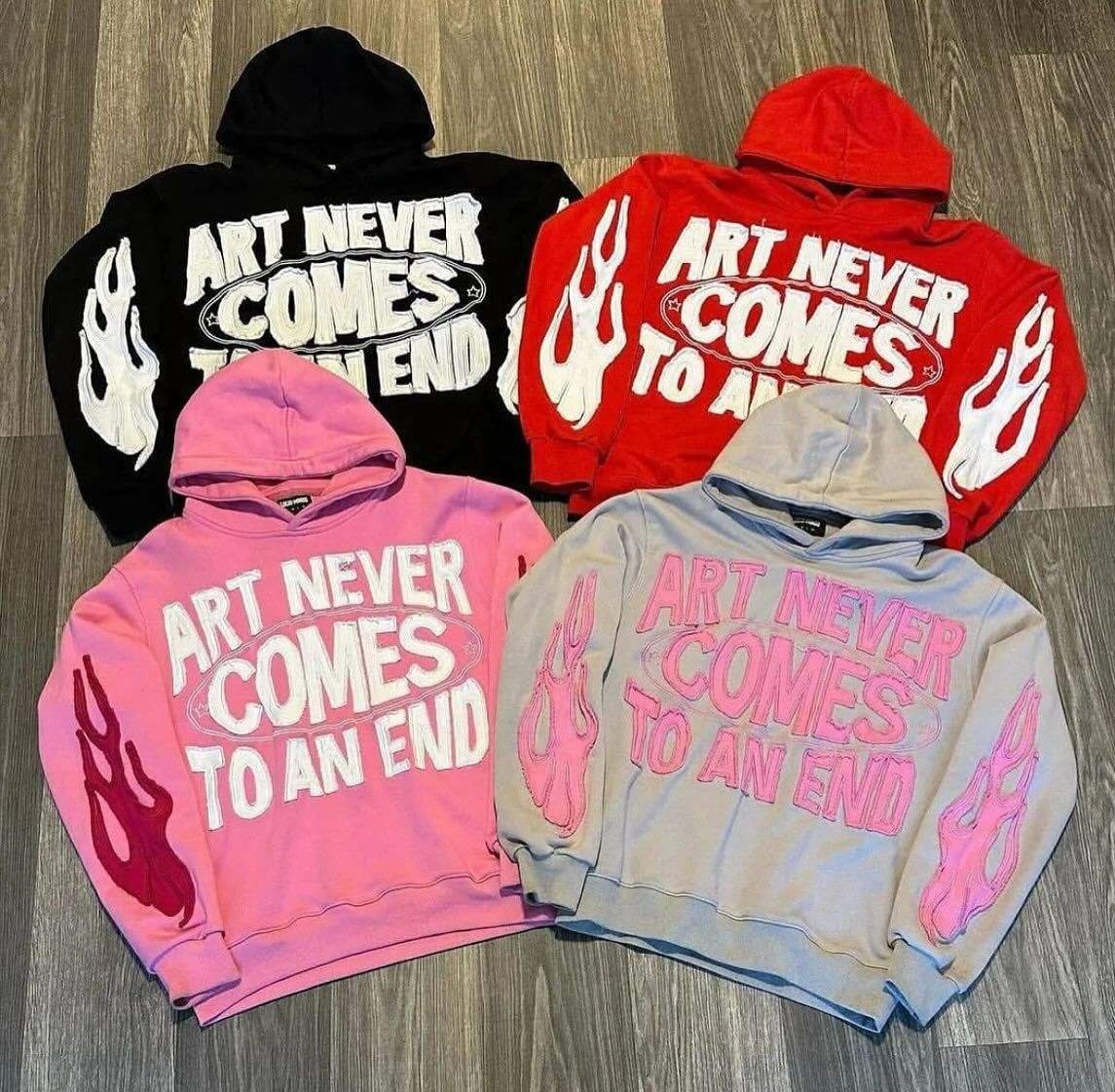
Why Are Hoodies Becoming Status Symbols for Gen Z?

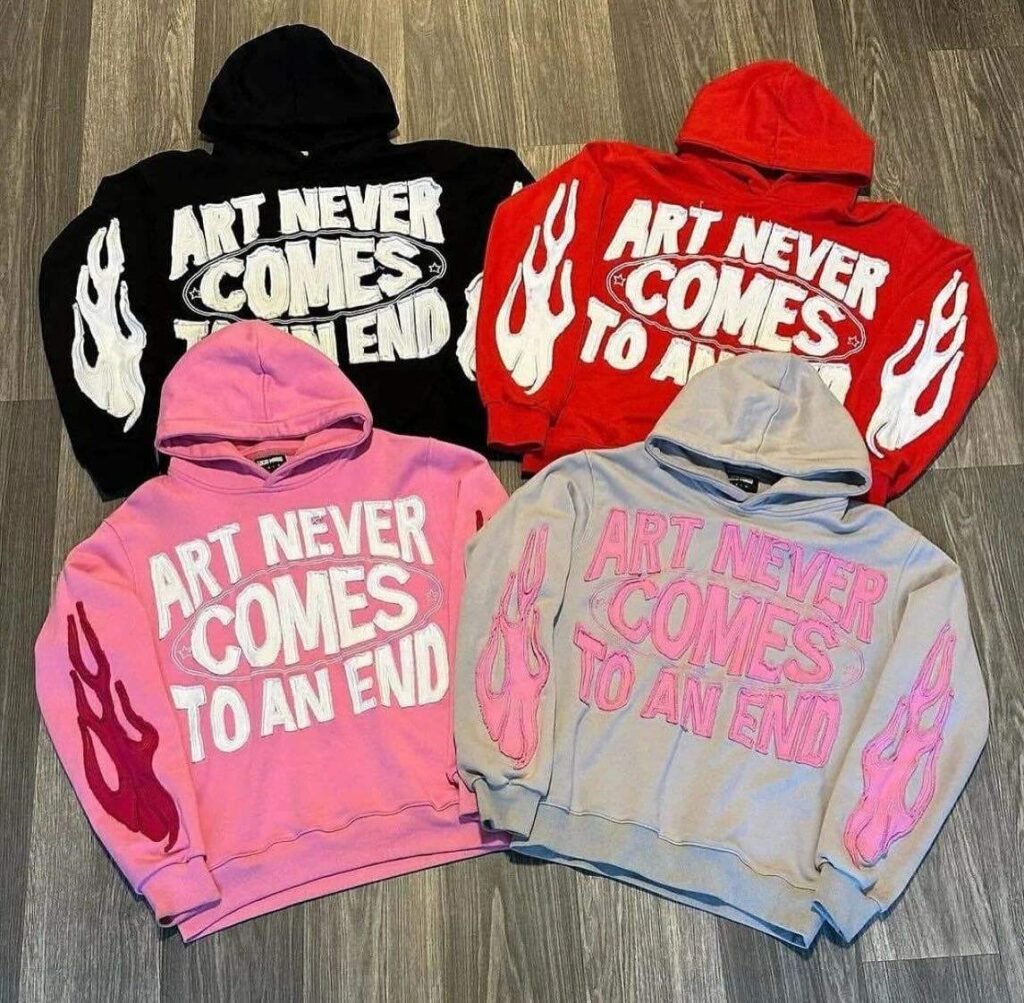
A decade ago, a hoodie was the opposite of status. It was what you wore to be comfortable, invisible, and unremarkable. Today, it has become one of the most powerful status signals for Gen Z—not through flashy logos, but through scarcity, taste, and cultural belonging.
So how did the hoodie become a status symbol?
The short answer is that Gen Z has redefined what status means. Status is no longer about broadcasting wealth through expensive logos. It is about signaling taste, timing, and belonging—and the hoodie has become the perfect vehicle for that message.
Part 1: The New Definition of Status – From Wealth to Taste
Gen Z was supposed to kill fashion’s obsession with overpriced clothes. Instead, they have turned the hoodie back into a status symbol.
The Shift Away from Logos
In the 2000s, status meant logos. Teens lined up for hoodies emblazoned with oversized branding. Today’s Gen Z consumer is not chasing status in the same way. They are seeking a more authentic way of expressing themselves, along with a sense of belonging to a community.
The hoodie no longer screams “I am wealthy.” It whispers “I have taste, I am aware, and I belong to a specific culture.”
Scarcity Over Price
Historically, a high price tag was the primary status signal. If something cost a lot, it meant you could afford it. Gen Z has flipped this logic.
As one marketing expert put it, “We’re in an era where ubiquity has become the enemy of cool.” With resale platforms, dupes, and financing making luxury more accessible, a high price tag alone carries less cultural weight. What matters more is owning something others could not get.
This shift moves status “from financial status to cultural status.” Sought-after items now signal taste, timing, and access—proof that someone was “early, in-the-know, and differentiated.”
The Story of the Hoodie
For Gen Z, scarcity transforms the product into a story. The appeal lies in the narrative attached to owning it: “I got this before it sold out” or “I landed the one everyone wanted.” That storytelling element, amplified across social media, can make even relatively inexpensive products feel like status symbols.
Youth Segments Within Gen Z
For school-age teens (13-17), the hoodie status signal is often about belonging to a peer group. Wearing the right brand signals that you are part of the “in crowd” at school. The scarcity factor is amplified because limited drops create a hierarchy—who got one and who did not.
For college-age and young urban adults (18-25), the hoodie status signal shifts toward taste and cultural awareness. It is less about fitting in with a specific school crowd and more about signaling that you understand the broader fashion and cultural landscape. The hoodie says, “I know what is good, and I got it before it was everywhere.”
Part 2: The Mechanics of Status – How Hoodies Signal Belonging
The hoodie’s status comes not from a single factor, but from a combination of scarcity, community, quality, and cultural relevance.
Scarcity – The Engine of Cool
Brands like Parke have built their entire model around scarcity. The sweatshirts retail for around $130—not so high that they are out of reach, but not so low that they are easy to get. The real exclusivity comes from the fact that they are really hard to get.
Parke builds hype by posting social media sneak peeks of upcoming collections. Followers can see what is about to be released, but there is no guarantee they will be one of the lucky few who can actually buy it.
This engineered scarcity turns each purchase into an achievement. The hoodie is not just a garment; it is proof of successful participation.
Community and Belonging
For Gen Z, branded merchandise has become a language of belonging. A hoodie from a specific brand signals more than taste—it signals membership in a particular community.
Brands like Sporty & Rich and Aviator Nation are not just selling clothes. They are selling a dream: a green juice after Pilates, a balanced life, a sense of belonging to a health-conscious culture. The hoodie becomes a wearable marker of identity that says “this mattered enough to earn a place in my life.”
In a world of overstimulation, Gen Z has become deeply aware of what they allow into their physical space. Wardrobes are smaller, edits are sharper, and every addition has to justify its presence. If there is only room for one hoodie, it needs to mean something.
Quality – The Foundation of the Investment
Flooded with social ads promoting inexpensive clothing designed to be worn only a handful of times, young consumers are rediscovering the value of well-made garments. Thick cotton fabrics, precise stitching, and durable construction have become new markers of reliability and credibility.
A hoodie that retains its shape after dozens of washes feels like a considered investment rather than a disposable purchase. This is the opposite of fast fashion, where garments are designed to be worn a handful of times and discarded.
The Essentials Hoodie as the Standard
The Fear of God Essentials hoodie has become the quintessential example. It uses heavyweight fleece (400-450 GSM) that drapes perfectly without feeling like a stiff cardboard box. The dropped shoulders and boxy torso create an “effortlessly oversized” look.
And the logo? Just a tiny rubberized “ESSENTIALS” wordmark. It “whispers status instead of shouting it.” That is why Essentials has become the go-to for the “I’m cool, but I don’t need to prove it” vibe.
The Parke Phenomenon
Parke has taken the classic collegiate sweatshirt and reimagined it for a new generation. The brand has built a business now valued at around £16 million without spending a single dollar on ads.
The model seems to work primarily when buyers are not disappointed with the product they eventually own. Across social media, young women sing the praises of the Parke sweatshirt, driving up interest, which is reinforced by the reality that they are hard to get hold of.
How Brands Build Hoodie Status
| Factor | How It Creates Status | Example |
|---|---|---|
| Scarcity | Hard to get = desirable | Parke’s limited drops |
| Community | Signals membership | Sporty & Rich wellness culture |
| Quality | Worth the investment | Essentials 400+ GSM fleece |
| Cultural relevance | Tied to music, art, or values | Festival merch, wellness brands |
Part 3: The Evolution of Status – From Logos to Lifestyle
This is not the first time hoodies have been status symbols. But the rules have changed.
The 2000s: Logos and Universality
In the early 2000s, the Gap logo hoodie was a rite of passage for millennials. Celebrities like Britney Spears and Alicia Keys were photographed wearing the arched block letter look. The hoodie represented a kind of universal cool—accessible, recognizable, and broadly appealing.
The 2020s: Scarcity and Belonging
Today’s status hoodies are not universal. They are exclusive. The Gap logo hoodie was everywhere; a Parke hoodie is nowhere unless you know where to look. The status comes from not everyone having one.
Wellness as the New Status Signal
Brands like Sporty & Rich and Aviator Nation have replaced Abercrombie & Fitch’s sex appeal with a different fantasy: wellness, balance, and intentional living. If Abercrombie once represented the “cool kids,” today’s brands represent the “balanced kids”: the generation that meditates, works out, cares about mental health, and wants their clothes to reflect those values.
What Status Signals Now
| Signal | What It Communicates in 2026 |
|---|---|
| Scarcity | “I got it before you did” |
| Taste | “I know what is good without being told” |
| Belonging | “I am part of this community” |
| Quality | “I value longevity over disposability” |
| Cultural awareness | “I am early, in-the-know, and differentiated” |
Part 4: The Resale and Social Media Ecosystem
The status of Gen Z hoodies is reinforced by the platforms where they are discussed and traded.
Resale Platforms as Status Validators
Platforms like Depop, Grailed, and StockX have made it easier to see exactly how much a hoodie is worth on the secondary market. When a hoodie consistently sells for double or triple its retail price, that becomes part of its story. The price tag alone is no longer the signal—the resale value is.
TikTok and the Viral Hoodie Cycle
TikTok has supercharged the status hoodie cycle. A single viral “clean fit” video can send demand for a particular hoodie soaring overnight. The hoodie becomes part of a shared cultural moment, which adds to its desirability and its status.
What the Social Ecosystem Creates
| Platform | Role in Status Creation |
|---|---|
| TikTok | Viral visibility, “clean fit” aesthetic |
| Depop/Grailed | Secondary market validation |
| Influencer styling, aspirational imagery | |
| Discord/Reddit | Hype communities, drop intel |
Part 5: Frequently Asked Questions
Why are hoodies status symbols for Gen Z?
Hoodies have become status symbols because Gen Z has redefined status. Status is no longer about broadcasting wealth through expensive logos. It is about signaling taste, timing, belonging, and cultural awareness. Hoodies—especially those that are scarce, high-quality, and community-aligned—have become the perfect vehicle for that message.
What makes a hoodie a status symbol in 2026?
Scarcity is the primary driver. A hoodie that is hard to get signals that you were early, in-the-know, and connected. Quality also matters—well-made garments feel like a considered investment. Cultural relevance is equally important; the hoodie must be tied to a community, a movement, or a set of values that resonate with Gen Z.
Is the Essentials hoodie still a status symbol?
Yes. The Fear of God Essentials hoodie has become the standard for “quiet luxury” status signaling. Its heavyweight fabric, oversized silhouette, and minimal branding whisper status instead of shouting it. It has become the “uniform of the cool.”
What is the Parke brand and why is it popular?
Parke is a Gen Z entrepreneur’s reimagining of the classic collegiate sweatshirt. The brand has built a business valued at around £16 million without spending any money on ads. The hoodies are priced around $130 but are intentionally scarce, creating demand through limited drops and social media hype.
How is scarcity a status symbol?
Scarcity signals that you were able to get something others could not. In an era where ubiquity has become the enemy of cool, owning something rare is more valuable than owning something expensive. The story of “I got this before it sold out” becomes a form of social capital.
Are expensive hoodies still status symbols?
A high price tag alone carries less weight than it used to. With resale platforms and financing making luxury more accessible, price alone does not signal status. What matters more is scarcity, taste, and the cultural story behind the garment.
Why do Gen Z consumers value quality in hoodies?
Flooded with cheap fast fashion that falls apart, Gen Z has rediscovered the value of well-made garments. A hoodie that retains its shape and feel after dozens of washes feels like a considered investment rather than a disposable purchase. This aligns with Gen Z’s values of sustainability and long-term value.
What is the difference between school-age and young adult Gen Z hoodie status?
For school-age teens (13-17), the status is often about peer group belonging and being part of the “in crowd” at school. For college-age and young urban adults (18-25), the status shifts toward taste, cultural awareness, and signaling that you understand the broader fashion landscape.
How does resale value affect a hoodie’s status?
When a hoodie consistently sells for double or triple its retail price on platforms like StockX, Depop, or Grailed, that resale value becomes part of its story. The hoodie is not just expensive—it is valuable because other people want it. Resale value validates scarcity and desirability.
What role does TikTok play in hoodie status?
TikTok creates viral visibility for specific hoodies. A single video can send demand soaring overnight. The hoodie becomes part of a shared cultural moment, which adds to its desirability. The “clean fit” aesthetic on TikTok has been particularly influential in elevating specific hoodies to status symbol status.
The Bottom Line
The hoodie has become a status symbol for Gen Z because Gen Z has fundamentally redefined what status means. Status is no longer about showing off wealth. It is about signaling taste, timing, and belonging.
The hoodie is the perfect vehicle for this new status. It can be scarce (hard to get = desirable). It can be high-quality (worth the investment). And it can be culturally relevant (tied to a community, a movement, or a set of values).
For school-age teens, the hoodie signals peer group belonging. For young adults, it signals taste and cultural awareness. Across both groups, scarcity is the common engine—a hoodie that is hard to get is inherently more valuable than one that anyone can buy.
As one marketing expert put it, “Ubiquity has become the enemy of cool.” In a world where almost everything is available, the things that are not become the most powerful status signals. And for Gen Z, nothing says status quite like a hoodie you cannot just buy.
More Articles from WUYI Apparel
Want to learn more about styling essentials hoodies or other apparel tips? Check out some of our other helpful articles:
- Wearing Black to a Wedding: A Modern Etiquette Guide
- Rainwear Jackets: The Perfect Fusion of Fashion and Function
- How To Measure Clothes
- Casual clothing – Casual and elegant through everyday life
- How to Find Your Style:An in-depth exploration of one’s own clothing style
For more tips and tricks on fashion and lifestyle, don’t forget to visit our Blog Section.
Head over to our Shop Page to browse our full collection and pick your favorite essentials hoodie