Welcome to customize all kinds of clothing

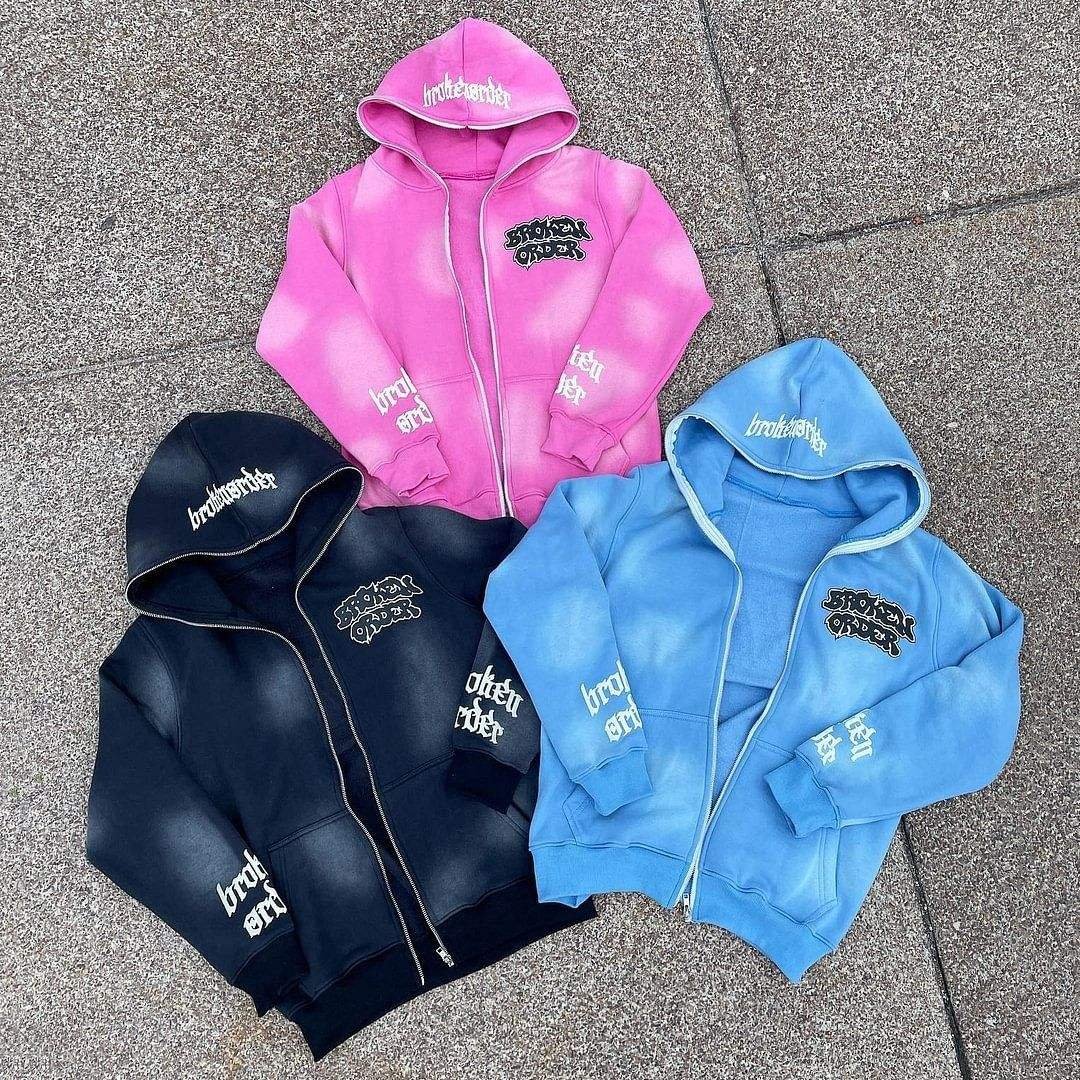
Why Are Gen Z Paying Over $200 for a Hoodie?

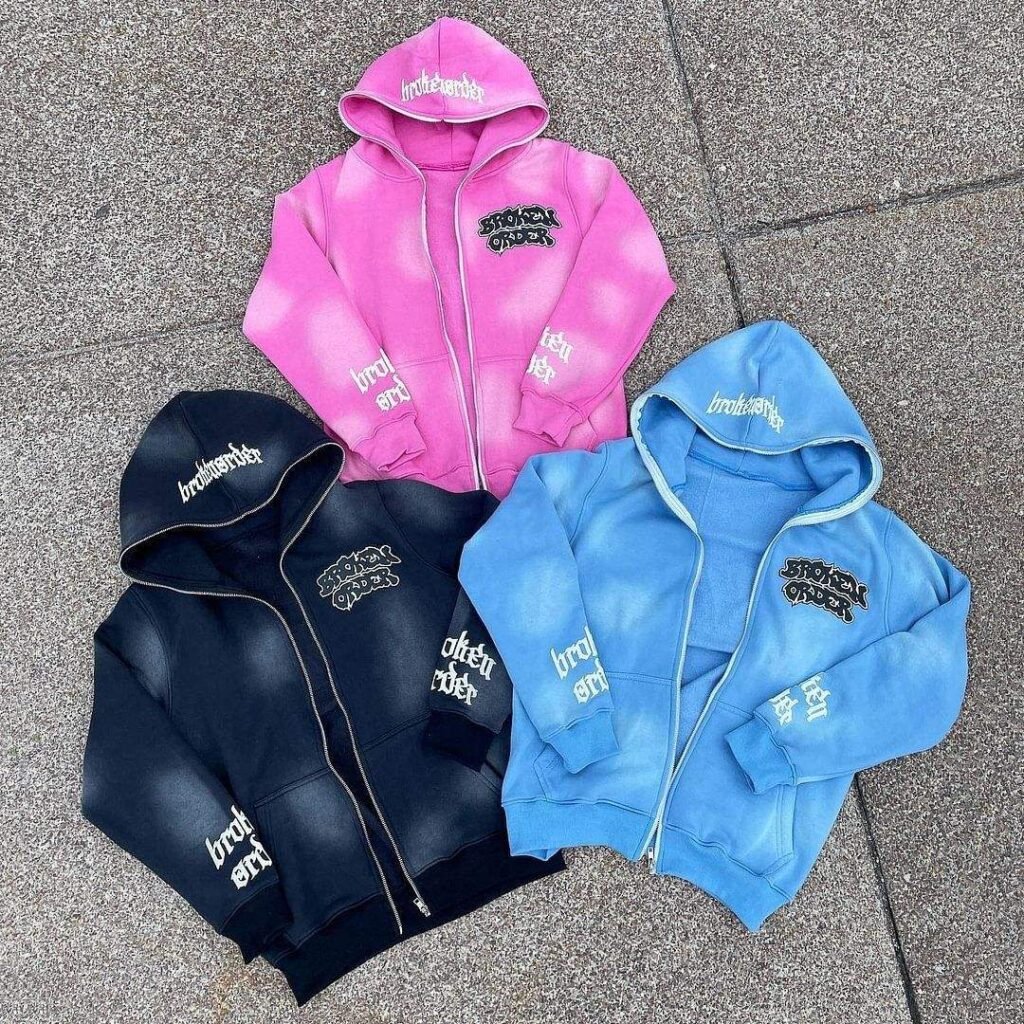
A decade ago, a hoodie was the opposite of status. It was what you wore to be comfortable, invisible, and unremarkable. Today, Gen Z is paying over $200 for them—not because the fabric costs that much, but because of what the hoodie now represents.
The short answer is that Gen Z has fundamentally redefined what status means. Status is no longer about broadcasting wealth through expensive logos. It is about signaling taste, timing, and belonging—and the hoodie has become the perfect vehicle for that message.
Part 1: The New Definition of Status – From Wealth to Culture
Gen Z was supposed to kill fashion’s obsession with overpriced clothes. Instead, they have turned the hoodie back into a status symbol.
The Shift Away from Logos
In the 2000s, status meant logos. Teens lined up for hoodies emblazoned with oversized branding. Today’s Gen Z consumer is not chasing status in the same way. They are seeking a more authentic way of expressing themselves, along with a sense of belonging to a community.
The hoodie no longer screams “I am wealthy.” It whispers “I have taste, I am aware, and I belong to a specific culture.”
Scarcity Over Price
Historically, a high price tag was the primary status signal. If something cost a lot, it meant you could afford it. Gen Z has flipped this logic.
As one marketing expert put it, “We’re in an era where ubiquity has become the enemy of cool.” With resale platforms, dupes, and financing making luxury more accessible, a high price tag alone carries less cultural weight. What matters more is owning something others could not get.
This shift moves status “from financial status to cultural status.” Sought-after items now signal taste, timing, and access—proof that someone was “early, in-the-know, and differentiated.”
The Story of the Hoodie
For Gen Z, scarcity transforms the product into a story. The appeal lies in the narrative attached to owning it: “I got this before it sold out” or “I landed the one everyone wanted.” That storytelling element, amplified across social media, can make even relatively inexpensive products feel like status symbols.
Part 2: The Mechanics of Status – Why $200 Feels Worth It
The $200 hoodie is not priced like a basic garment. It is priced like a luxury statement. The justification comes from a combination of tangible quality, intangible brand storytelling, and a fundamental shift in what Gen Z considers “worth it.”
Quality – The Foundation of the Investment
Flooded with social ads promoting inexpensive clothing designed to be worn only a handful of times, young consumers are rediscovering the value of well-made garments. Thick cotton fabrics, precise stitching, and durable construction have become new markers of reliability and credibility.
A hoodie that retains its shape after dozens of washes feels like a considered investment rather than a disposable purchase. This is the opposite of fast fashion, where garments are designed to be worn a handful of times and discarded.
Heavyweight cotton fleece (typically 400-450 GSM) has become the new status fabric. It feels expensive. It is expensive. And it signals that you know what to look for. Fear of God Essentials hoodies, for example, use heavyweight fleece that drapes perfectly without feeling like a stiff cardboard box.
Wellness as the New Status Symbol
Brands like Sporty & Rich and Aviator Nation are not selling hoodies. They are selling a dream: a green juice after Pilates, a balanced life, and a curated sense of calm. If Abercrombie & Fitch once represented the “cool kids,” today’s brands represent the “balanced kids”: the generation that meditates, works out, and cares about mental health.
The overall mood feels like an “old money meets yoga retreat” fantasy: aspirational yet approachable, luxurious but casual. The price is not about broadcasting wealth. It is about signaling taste, awareness, and a particular set of habits—and that distinction is everything.
Community and Belonging
Today’s successful brands allow their customers to feel like active participants in a shared culture—one that includes fitness routines, travel, and experiences that nourish both mind and body. The goal is no longer to appear elite, but to feel connected.
When you wear a hoodie from a specific brand, you are not just wearing a garment. You are signaling membership in a community.
The Essentials and Sp5der Effect
Fear of God Essentials hoodies have become the quintessential example. The brand uses heavyweight fleece (400-450 GSM) that drapes perfectly. The dropped shoulders and boxy torso create an “effortlessly oversized” look. And the logo? Just a tiny rubberized “ESSENTIALS” wordmark. It “whispers status instead of shouting it.”
Similarly, Sp5der hoodies range from roughly $200 to $400 at retail. The premium cost is justified by the exceptional construction quality: heavyweight cotton fleece (380-420 GSM), tight and even stitching, reinforced cuffs and hems, and rhinestone accents that are placed individually and lie flat against the surface. As one reviewer noted, “The material quality, build detail, and graphic production all align with a $200–$250 price bracket.”
What the Price Signals to Others
| Signal | What It Communicates |
|---|---|
| Taste | You know what is good, even without logos |
| Awareness | You are part of a specific, health-conscious culture |
| Intentionality | You choose quality over quantity |
| Belonging | You are part of a community that shares your values |
| Exclusivity | You got it before others could |
Part 3: The Parke and Scarcity Economy
The Parke brand has taken the classic collegiate sweatshirt and reimagined it for a new generation. The brand has built a business now valued at around £16 million without spending a single dollar on ads.
The sweatshirts usually retail for around $130—not so high that they are out of reach, but not so low that they are easy to get. The real exclusivity comes from the fact that they are really hard to get. Parke builds hype by posting social media sneak peeks of upcoming collections. Followers can see what is about to be released, but there is no guarantee they will be one of the lucky few who can actually buy it.
This engineered scarcity turns each purchase into an achievement. The hoodie is not just a garment; it is proof of successful participation.
What Gen Z Actually Says
Katie Blevins, 25 from Richmond, Virginia, said she was skeptical of jumping on the Parke bandwagon at first but her college roommate convinced her to buy one.
“I think Parke’s marketing is incredibly smart. Their designated drops and limited collections create a sense of exclusivity that makes each piece highly sought after. Beyond that, the quality really speaks for itself.”
Emily Holliday, 29, a customer planning strategy manager, said that while the exclusivity is alluring, “the fact that the sweater feels high quality is important too.”
How $200 Hoodies Compare to Fast Fashion
| Factor | $200 Premium Hoodie | $40 Fast Fashion Hoodie |
|---|---|---|
| Fabric Weight | 380-450 GSM | 200-250 GSM |
| Construction | Double-needle stitching, reinforced | Standard mass-production |
| Shape Retention | Holds structure after many washes | Sags or shrinks quickly |
| Lifespan | 3-5 years with regular wear | 6-12 months |
| Cost Per Wear (over 100 wears) | $2.00 | $0.40 (but often replaced after 20 wears) |
| Resale Value | Often holds 50-80% of retail | Near zero |
Part 4: The Price Breakdown – Where Does the Money Go?
So, what exactly justifies the $200 price tag? Here is the breakdown.
The Cost Components
| Cost Component | Estimated % |
|---|---|
| Premium Materials (heavyweight cotton, French terry) | 20-25% |
| Labor (skilled stitching, reinforced construction) | 25-30% |
| Brand Storytelling & Marketing (community building, nostalgia) | 30-35% |
| Profit Margin | 15-20% |
Materials and Craftsmanship
The first layer of justification is physical. These hoodies are genuinely different from a $40 mass-market alternative. Premium hoodies use heavyweight cotton fleece (380-450 GSM), French terry, or tri-blend fabrics that feel substantial in your hands. They use double-needle stitching for durability, reinforced hoods with extra fabric layers, and hardware like metal grommets and quality drawstrings.
A 400 GSM hoodie that costs $80 but lasts for 300 wears has a cost-per-wear of $0.27—cheaper per use than a $30 hoodie that pills and shrinks after 10 wears.
The Gen Z Consumer Logic
Many young shoppers are shifting away from buying large quantities of low-cost pieces, choosing instead to invest in fewer, more versatile items they can wear repeatedly and for longer. A single $200 hoodie that lasts for years can have a lower cost per wear than five $40 hoodies that fall apart after a few months.
The Quality Over Quantity Shift
Flooded with fast fashion that falls apart, young consumers are rediscovering the value of well-made garments. For Gen Z, quality is about comfort, but it also reflects a sense of responsibility, sustainability, and long-term value. One reviewer noted: “These hoodies are pricey, but I promise you that I wear them so much that the cost per wear is nearly zero.”
The Price Components Visualized
| Component | % of $200 | Purpose |
|---|---|---|
| Materials | $40-50 | Premium fleece, French terry |
| Labor | $50-60 | Skilled stitching, single-needle |
| Brand Storytelling | $60-70 | Community, wellness, nostalgia |
| Profit | $30-40 | Sustainable business, future drops |
Part 5: Frequently Asked Questions
Why are Gen Z paying over $200 for a hoodie?
Gen Z is paying over $200 for a hoodie because they have redefined what status means. Status is no longer about broadcasting wealth through expensive logos. It is about signaling taste, timing, belonging, and cultural awareness. The hoodie is the perfect vehicle for this new status because it can be scarce, high-quality, and culturally relevant.
What justifies the $200 price tag?
The price is justified by a combination of premium materials (heavyweight cotton fleece, French terry), skilled labor (reinforced stitching, single-needle construction), brand storytelling (wellness positioning, community building), and cultural status (scarcity, exclusivity, belonging).
Is a $200 hoodie actually worth the money?
It depends on what you value. If you care about premium materials, quality craftsmanship, and the status signaling of belonging to a specific community, yes. If you just need something warm to wear, no. For many Gen Z consumers, the cost per wear of a $200 hoodie is lower than a $40 hoodie that falls apart after a few months.
Why do Gen Z prefer scarcity over price as a status signal?
Scarcity signals that you were able to get something others could not. In an era where ubiquity has become the enemy of cool, owning something rare is more valuable than owning something expensive. The story of “I got this before it sold out” becomes a form of social capital.
What brands are Gen Z paying $200+ for?
Fear of God Essentials ($130-200), Sp5der ($200-400), Sporty & Rich (€200+), Aviator Nation ($150-500), and Parke ($130) are among the most sought-after brands.
How does Gen Z justify the price of a $200 hoodie?
Gen Z justifies the price through cost-per-wear logic. A $200 hoodie that lasts for years and is worn hundreds of times has a lower cost per wear than a $40 hoodie that falls apart after a few months. The quality, durability, and cultural status make it feel like a considered investment.
Is the $200 hoodie trend sustainable?
The trend reflects a broader shift toward quality over quantity, sustainability, and intentional consumption. Gen Z is moving away from fast fashion’s disposable model and investing in fewer, better-made pieces that last longer.
What is the difference between a $200 hoodie and a $40 hoodie?
A $200 hoodie typically uses 380-450 GSM heavyweight fleece, double-needle stitching, reinforced seams, and premium hardware. A $40 hoodie uses 200-250 GSM fabric, standard construction, and often loses its shape after a few washes. The $200 hoodie is designed to last for years; the $40 hoodie is designed to last for months.
Do $200 hoodies hold their resale value?
Many do. Fear of God Essentials and Sp5der hoodies often retain 50-80% of their retail value on secondary markets like StockX and Grailed. Limited colorways and collaborations can even appreciate above retail.
How do I know if a $200 hoodie is worth the investment?
Look at the fabric weight (380+ GSM is premium), check the stitching (double-needle is better), research the brand’s reputation, and consider how often you will wear it. If you will wear it 100+ times, the cost per wear becomes very reasonable.
The Bottom Line
The $200 hoodie is not priced like a basic garment. It is priced like a luxury statement. The justification comes from a combination of tangible quality (premium materials, artisanal construction) and intangible value (brand storytelling, wellness positioning, community belonging).
For Gen Z, the hoodie has become a status symbol—not through flashy logos, but through scarcity, taste, and cultural belonging. It signals that you know what is good, that you care about quality, and that you are part of a community that values these things.
The shift from logos to lifestyle, from price to scarcity, and from quantity to quality represents a fundamental change in how a generation thinks about fashion. A $200 hoodie is not just a hoodie. It is an investment in identity, belonging, and the story of “I got it before you did.”
As one analyst put it, “ubiquity has become the enemy of cool.” In a world where almost everything is available, the things that are not become the most powerful status signals. And for Gen Z, nothing says status quite like a hoodie you cannot just buy.
More Articles from WUYI Apparel
Want to learn more about styling essentials hoodies or other apparel tips? Check out some of our other helpful articles:
- Wearing Black to a Wedding: A Modern Etiquette Guide
- Rainwear Jackets: The Perfect Fusion of Fashion and Function
- How To Measure Clothes
- Casual clothing – Casual and elegant through everyday life
- How to Find Your Style:An in-depth exploration of one’s own clothing style
For more tips and tricks on fashion and lifestyle, don’t forget to visit our Blog Section.
Head over to our Shop Page to browse our full collection and pick your favorite essentials hoodie