Welcome to customize all kinds of clothing

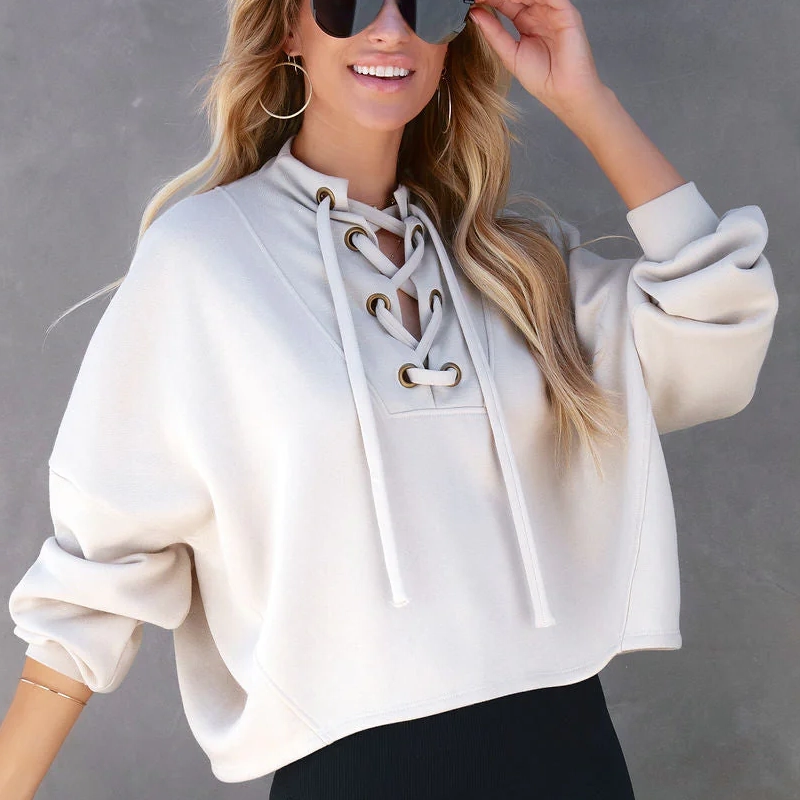
When Buying a Hoodie in 2026, Do Consumers Value Identity or Warmth More?

The Short Answer: Both — But Both Have Changed
In 2026, shoppers are not choosing between identity and warmth. They want both. But both have been redefined.
- Identity is no longer about how big the logo is. It is about whether this hoodie shows which group you belong to, a moment you lived through, or values you share.
- Warmth is no longer just about thickness. It is about whether this hoodie solves daily problems — commuting, layering with other clothes, recovering after exercise, or keeping your body temperature just right.
An industry expert puts it this way: “Shoppers are not buying a piece of clothing — they are solving a daily problem.”
Identity: The Hoodie as “Social Currency”
Gen Z’s “Curated” Way of Buying
In a time of too much information and endless choices, how Gen Z shops has changed. “I want it all” no longer means “own everything.” It means “pick carefully, wear often, and add your own meaning.”
A hoodie now means three things:
- Proof of being there: This hoodie came from a music festival you went to, a band you love, or a city you care about
- Who you are: What brand and design you wear tells others which group you belong to
- Cultural belonging: Hoodies have become the “uniform” for youth groups — from hip-hop and skateboarding to esports and camping
Why Brand Collaborations Work Well
The Lollapalooza x H&M hoodie was “not a throwaway souvenir but something you can wear after the event and mix into your everyday clothes.” Taylor Swift’s Eras Tour merch “feels less like fan goods and more like a memory keeper.”
The custom hoodie market proves this shift. The global custom-made clothing market is worth $63.82 billion in 2026 and could nearly triple to $179.49 billion by 2033. Also, 72% of people who got a promotional item later bought something from that brand.
Warmth/Use: The Hoodie as “Daily Tool”
Sales Numbers Tell the Story
In 2026, hoodie fits are not just “loose” or “slim.” Shoppers now pick hoodies based on how they will use them:
| Fit Type | Key Features | Sales Rate | Extra Cost |
|---|---|---|---|
| Commute-ready | Side slit hem, hidden phone pocket, reflective strip | 89% | +22% |
| Work-layer | Smooth flat seams, no drawcord, fits under blazers | 76% | +31% |
| Recovery-ready | Tight cuffs, germ-resistant finish, air-flow pockets | 94% | +39% |
These numbers show that when hoodies solve real daily problems, shoppers will pay more.
Comfort and Price Still Matter — But “Comfort” Has Improved
Chinese shopper data shows that 28% put comfort first, 19% put price first — together nearly half of all buying choices. 100% cotton remains the most popular fabric at 45% preference.
But “comfort” now means more than just softness. Shoppers want:
- Temperature-control bamboo-cotton: Feels 3.2°C cooler than regular fleece
- Recycled nylon-cotton mixes: Pulls away sweat 22% better
- Better warmth for the weight: Nordic shoppers prefer 320gsm with soft wool inserts over 480gsm all-cotton
How Identity and Use Come Together
“Daily Scenario” Hoodies Work as Both Use and Identity
68% of commute-ready hoodie buyers are women. They are not just buying warmth — they are buying a way to carry phones and keys, avoid bulk during travel, and look right at the office. This is both use and identity.
73% of work-layer hoodie buyers are men aged 32-48. They are not just buying warmth — they are buying a neat look that fits under a blazer and feels right in client meetings.
The 94% sales rate for recovery-ready hoodies proves shoppers will pay a 39% extra cost for germ-resistant finishes, tight cuffs, and air-flow pockets.
New Materials: Use and Values Together
Recycled nylon-cotton mixes (29% market share) are not just better at their job. They also use old fishing nets and factory scraps. Shoppers who buy them are making a values statement.
What Do Shoppers Actually Put First?
| Factor | Data | What It Means |
|---|---|---|
| Comfort | 28% top reason | Must-have baseline |
| Price | 19% top reason | Still a big factor |
| Style / Design | 16% top reason | Important but not first |
| Useful Features | 94% sales rate for premium | Drives higher-priced buys |
| Brand Name | Only 11% top reason | Logo is less important now |
The Bottom Line
In 2026, shoppers still care about comfort and warmth — 28% put comfort first, and 45% prefer 100% cotton. But “warm enough” alone no longer closes the sale.
54% of shoppers actively recommend men’s hoodies. When they do not, 32% say “poor quality” is the reason. Quality now means useful features that solve real problems.
The best hoodies in 2026 do not make shoppers choose between identity and warmth. They give both. They keep you warm — but they also tell a story. They solve a problem — but they also show who you are.
As one analyst said: “The most profitable hoodie is not the one with the loudest print — it is the one that blends into the user’s daily life so smoothly they forget they are wearing it.”
More Articles from WUYI Apparel
Want to learn more about styling essentials hoodies or other apparel tips? Check out some of our other helpful articles:
- Wearing Black to a Wedding: A Modern Etiquette Guide
- Rainwear Jackets: The Perfect Fusion of Fashion and Function
- How To Measure Clothes
- Casual clothing – Casual and elegant through everyday life
- How to Find Your Style:An in-depth exploration of one’s own clothing style
For more tips and tricks on fashion and lifestyle, don’t forget to visit our Blog Section.
Head over to our Shop Page to browse our full collection and pick your favorite essentials hoo