Welcome to customize all kinds of clothing

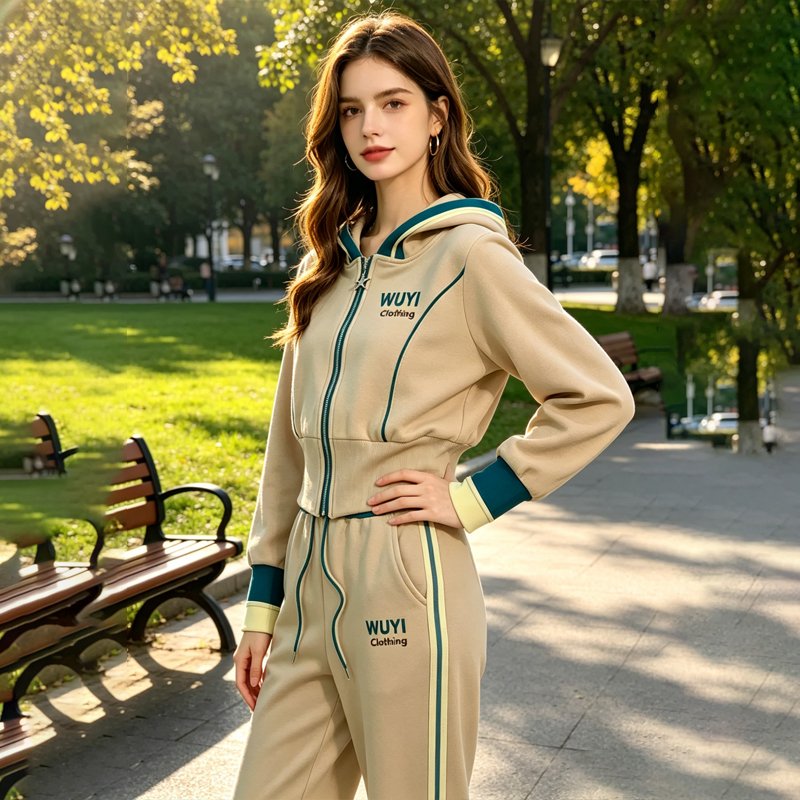
What Does “Comfort Hoodie” Mean?

Introduction: More Than Just a Soft Sweatshirt
You have seen the term everywhere—on product labels, in social media ads, and across clothing websites. But what actually makes a hoodie a “comfort hoodie”? Is it just marketing speak for a soft sweatshirt, or does it represent something more specific?
The short answer is: a comfort hoodie is a hoodie specifically designed and engineered to prioritize softness, relaxation, and ease of wear over durability, structure, or performance. It is the hoodie equivalent of a weighted blanket—something you reach for when you want to feel calm, cozy, and completely at ease.
This guide breaks down exactly what defines a comfort hoodie, how it differs from a regular hoodie, and why this category has become a wardrobe essential.
Let us get into it.
Part 1: The Core Definition
A comfort hoodie is not just a hoodie that happens to be comfortable. It is a hoodie where comfort is the primary design goal.
1.1 Design Philosophy
Regular hoodies are designed to balance multiple priorities: durability, affordability, style, and comfort. A comfort hoodie flips this hierarchy. Comfort comes first. Everything else—style, durability, structure—is secondary.
This design philosophy shows up in every aspect of the garment:
- Materials chosen for softness, not longevity
- Fits designed for relaxation, not silhouette
- Construction focused on feel, not structure
As one manufacturer explains, comfort hoodies are made with “softer, higher-quality materials designed to maximize comfort, while regular hoodies may prioritize durability over softness.”
1.2 The “Wearable Blanket” Concept
The ultimate goal of a comfort hoodie is to feel like a blanket you can wear. One fashion guide describes it as “a gentle embrace that makes it feel like a wearable blanket.” This is not hyperbole—it is the design target.
Key characteristics that create this effect include:
- Lightweight yet insulating fabric that provides warmth without weight
- Oversized or relaxed fit that allows for unrestricted movement
- Soft interior textures that feel gentle against the skin
- Minimal structure that does not constrict or bind
The idea is not to look sharp or tailored. It is to feel completely at ease.
Part 2: The Defining Features
What specific features separate a comfort hoodie from a regular hoodie?
2.1 Fabric: Softness as the Priority
The most significant difference is the fabric. Comfort hoodies use materials chosen specifically for their soft, plush feel against the skin.
Common comfort hoodie fabrics:
| Fabric | Why It Is Used |
|---|---|
| Organic cotton | Soft, breathable, gentle on sensitive skin |
| Brushed fleece | Plush interior, traps heat, cozy feel |
| French terry | Smooth outside, looped inside, breathable yet soft |
| Premium modal blends | Ultra-soft, smooth drape, naturally breathable |
One product description from a Kickstarter campaign notes that their “Comfort fabric is more like an ultra premium sweatshirt fabric when looking at it, but much softer when you touch it.”
In contrast, regular hoodies often use standard cotton blends or basic fleece that prioritize durability and cost-effectiveness over maximum softness.
2.2 Fit: Relaxed and Roomy
Comfort hoodies typically feature a looser, more relaxed fit compared to regular hoodies. This is intentional.
Comfort hoodie fit characteristics:
- Oversized or roomy cut throughout the body
- Wide sleeves that do not restrict movement
- Dropped shoulders that eliminate tension points
- Extended length for full coverage
One guide notes that “the relaxed fit of many comfort hoodies adds an extra layer of coziness, perfect for layering or snuggling into during colder months.”
Regular hoodies, by contrast, come in a variety of fits—slim, tailored, athletic—but are “less exaggerated in terms of looseness” and may be “more form-fitting or have a more structured design.”
2.3 Purpose: Relaxation First
The primary purpose of a comfort hoodie is relaxation and lounging.
Best uses for comfort hoodies include:
- Lounging at home
- Casual outings where comfort is the priority
- Travel (especially long flights or car rides)
- Working from home
- Sleeping or as loungewear
Regular hoodies, while still comfortable, are “designed with a focus on practicality” and are “ideal for physical activities like jogging, biking, or working out.”
As the Kickstarter creator explains: “The Comfort is great for touring a city or taking leisure walks or hikes. The Sport Hoodie is better suited for more physical activities.”
2.4 Design Details: Function Follows Feeling
Comfort hoodies often include design details that enhance the feeling of ease and relaxation.
Common comfort hoodie features:
- Wide, adjustable hoods that do not constrict the head
- Soft, flexible drawstrings that do not dig in
- Roomy kangaroo pockets for hand warming
- Thumbholes (on some styles) for sleeve security without tightness
- Lined hoods for extra softness around the face and neck
One guide notes that comfort hoodies “feature adjustable drawstrings, wide ribbed cuffs, or extra pockets for added convenience and comfort.”
2.5 Fabric Weight: Midweight Sweet Spot
While comfort hoodies can vary in weight, many occupy the midweight category (roughly 250–320 GSM). This weight provides warmth without the bulk and stiffness of heavy winter fleece.
Heavier fabrics (320+ GSM) are often used for cold-weather hoodies, but can feel too substantial for lounging. Lighter fabrics (under 250 GSM) may not provide enough warmth for relaxed wear. The midweight range offers the best balance for all-day comfort.
Part 3: Comfort Hoodie vs. Regular Hoodie — The Comparison
To clearly understand the difference, here is a side-by-side comparison.
| Feature | Comfort Hoodie | Regular Hoodie |
|---|---|---|
| Primary goal | Maximum softness and relaxation | Balance of durability, style, and comfort |
| Typical fabric | Organic cotton, premium brushed fleece | Standard cotton blends, basic fleece |
| Fit | Relaxed, oversized, roomy | Varied (slim, regular, athletic) |
| Texture | Plush, brushed interior | Can be smooth or lightly brushed |
| Durability | Moderate (softer materials wear faster) | Higher (sturdier fabrics) |
| Best use | Lounging, WFH, travel, relaxation | Everyday wear, activities, outdoor use |
| Structure | Minimal, drapes loosely | Can be more structured and tailored |
| Price range | Often higher (premium materials) | Wide range, often lower |
3.1 The Trade-Off: Softness vs. Longevity
The key trade-off with comfort hoodies is durability. Because they use softer, often more delicate materials, they may not hold up as well to heavy wear and frequent washing as regular hoodies.
One guide notes that “because comfort hoodies are made with softer, often more delicate materials, they may not be as durable as regular hoodies for activities involving heavy wear.”
However, many high-quality comfort hoodies are “made with high-quality fabrics that are designed to last for years, as long as they are treated with care.” The issue is not that all comfort hoodies are fragile—it is that softness and durability are competing priorities in fabric design.
3.2 The Price Factor
Comfort hoodies often command higher prices than regular hoodies. This reflects the cost of premium materials like organic cotton and specialized brushed fabrics.
Brands like Vuori, American Giant, and Kotn position their comfort-oriented hoodies at higher price points. The justification is that you are paying for the feel, not just the garment.
Part 4: Why the Comfort Hoodie Trend Grew
The rise of the comfort hoodie as a distinct category is not accidental. Several cultural and lifestyle shifts have driven its popularity.
4.1 The Work-From-Home Revolution
The COVID-19 pandemic fundamentally changed how people dress. With millions working from home, the line between “home clothes” and “outside clothes” blurred. People wanted clothing that was comfortable enough for the couch but presentable enough for Zoom calls.
Comfort hoodies fit this need perfectly. They are soft enough for lounging but structured enough to not look like pajamas.
4.2 The Athleisure Boom
The broader athleisure trend—clothing designed for both athletic activity and casual wear—created space for comfort-first garments. Consumers no longer accepted that comfortable clothes had to be frumpy or unstylish.
Comfort hoodies benefited from this shift, offering a garment that prioritized feel without sacrificing modern design.
4.3 Mental Health and Self-Care
There has been a growing cultural emphasis on mental health, self-care, and creating comfort in daily life. Clothing plays a role in this. Wearing something soft and cozy can genuinely affect mood and stress levels.
One guide notes that comfort hoodies are “perfect for all-day wear” and “ideal for long days, whether you’re working from home or running errands.” The garment supports a lifestyle where comfort is not an afterthought—it is a priority.
4.4 Social Media and “Cozy Aesthetic”
Social media platforms, particularly TikTok and Instagram, have popularized the “cozy aesthetic”—a visual and lifestyle trend centered around comfort, soft textures, and relaxed vibes. Comfort hoodies are the perfect garment for this aesthetic, appearing in countless “cozy day” and “WFH outfit” videos.
The visual appeal of an oversized, soft-looking hoodie is highly shareable, further driving demand.
Part 5: How to Choose a Comfort Hoodie
If you are in the market for a comfort hoodie, here is what to look for.
5.1 Fabric Checklist
- Look for brushed or fleeced interiors: The inside should feel plush and soft, not smooth or scratchy.
- Prioritize natural fibers (cotton, modal) or premium blends: These feel better against the skin than basic polyester.
- Check for organic or sustainable certifications: Many premium comfort hoodies use organic cotton or recycled materials.
- Avoid stiff or overly smooth fabrics: These will not provide the cozy feel you want.
5.2 Fit Checklist
- Choose relaxed or oversized: A comfort hoodie should not fit tightly. Look for room through the body and sleeves.
- Check shoulder placement: Dropped shoulders are a sign of a comfort-oriented fit.
- Consider length: Longer lengths provide more coverage and a cozier feel.
- Size up if between sizes: A looser fit will always feel more comfortable than a tight one.
5.3 Weight Checklist
- For all-around use: Look for midweight (250–320 GSM). This works for most temperatures and settings.
- For colder weather: Consider heavyweight (320+ GSM) for maximum warmth.
- For warmer weather or layering: Lightweight (under 250 GSM) can work, but may not provide the “cozy” feel you want.
5.4 Price Expectation
Expect to pay $60–120 for a quality comfort hoodie. Prices below this range often indicate lower-quality materials or construction. Premium brands charge $80–150 for their comfort-oriented hoodies.
The cost reflects the premium materials and the design focus on softness over durability.
Part 6: FAQs — Your Quick Questions Answered
Q1: Is a comfort hoodie just a soft hoodie?
Not exactly. A comfort hoodie is specifically designed with softness as the primary goal, using premium materials and relaxed fits. A regular hoodie can be soft, but softness is not its defining feature.
Q2: Can I wear a comfort hoodie outside?
Yes. Comfort hoodies are designed to be versatile enough for casual outings, travel, and errands, not just lounging at home.
Q3: Are comfort hoodies durable?
Generally, comfort hoodies are less durable than regular hoodies because softer materials wear faster. However, high-quality comfort hoodies from reputable brands can last for years with proper care.
Q4: What is the softest fabric for a comfort hoodie?
Premium brushed cotton and modal blends are among the softest options. Some brands use proprietary blends specifically engineered for softness.
Q5: Are all oversized hoodies comfort hoodies?
No. Oversized hoodies prioritize silhouette and streetwear style. A comfort hoodie prioritizes softness and feel. An oversized hoodie can be a comfort hoodie if it also uses soft materials and relaxed construction, but not all oversized hoodies meet this standard.
Q6: Can I sleep in a comfort hoodie?
Yes. Many people wear comfort hoodies as sleepwear or loungewear. The soft fabrics and relaxed fit are ideal for sleeping.
Q7: Do comfort hoodies shrink?
Like any cotton-based garment, comfort hoodies can shrink if washed in hot water or dried on high heat. Always follow the care label—typically cold wash and low heat or air dry.
Q8: Are comfort hoodies worth the higher price?
For people who prioritize comfort and spend significant time in loungewear or working from home, yes. The investment in premium materials pays off in daily satisfaction. For occasional wear, a regular hoodie may be sufficient.
Q9: What is the difference between a comfort hoodie and a heavyweight hoodie?
A comfort hoodie prioritizes softness and feel, often using midweight fabrics. A heavyweight hoodie prioritizes warmth and structure, using dense, heavy fabrics. They can overlap—a heavyweight hoodie can be comfortable—but they are different design priorities.
Q10: Which brands make good comfort hoodies?
Brands known for comfort hoodies include Vuori, American Giant, Kotn, and Pangaia. Always check the specific product, as not every hoodie from these brands is designed for comfort-first use.
Conclusion: A Category Born from Lifestyle Change
The comfort hoodie is not just marketing jargon. It is a genuine product category defined by specific design choices: premium soft fabrics, relaxed fits, and a primary goal of relaxation over durability or performance.
Its rise reflects broader cultural shifts—the work-from-home revolution, the athleisure boom, and a growing emphasis on mental health and self-care. People are prioritizing comfort in their daily lives, and their clothing choices reflect that.
Three things to remember:
- Fabric is the foundation — comfort hoodies use premium soft materials like organic cotton and brushed knits.
- Fit is relaxed — comfort hoodies are roomy and oversized by design, not because they are poorly sized.
- Durability is traded for softness — comfort hoodies may not last as long as rugged regular hoodies, but the feel justifies the trade-off for many users.
The best hoodie for you depends on your priorities. If you want a garment that feels like a hug every time you put it on, invest in a comfort hoodie. If you need something for outdoor activities or heavy wear, a regular hoodie may serve you better.
Choose based on how you actually live. And enjoy the comfort.
More Articles from WUYI Apparel
Want to learn more about styling essentials hoodies or other apparel tips? Check out some of our other helpful articles:
- Wearing Black to a Wedding: A Modern Etiquette Guide
- Rainwear Jackets: The Perfect Fusion of Fashion and Function
- How To Measure Clothes
- Casual clothing – Casual and elegant through everyday life
- How to Find Your Style:An in-depth exploration of one’s own clothing style
For more tips and tricks on fashion and lifestyle, don’t forget to visit our Blog Section.
Head over to our Shop Page to browse our full collection and pick your favorite essentials hoodie