Welcome to customize all kinds of clothing

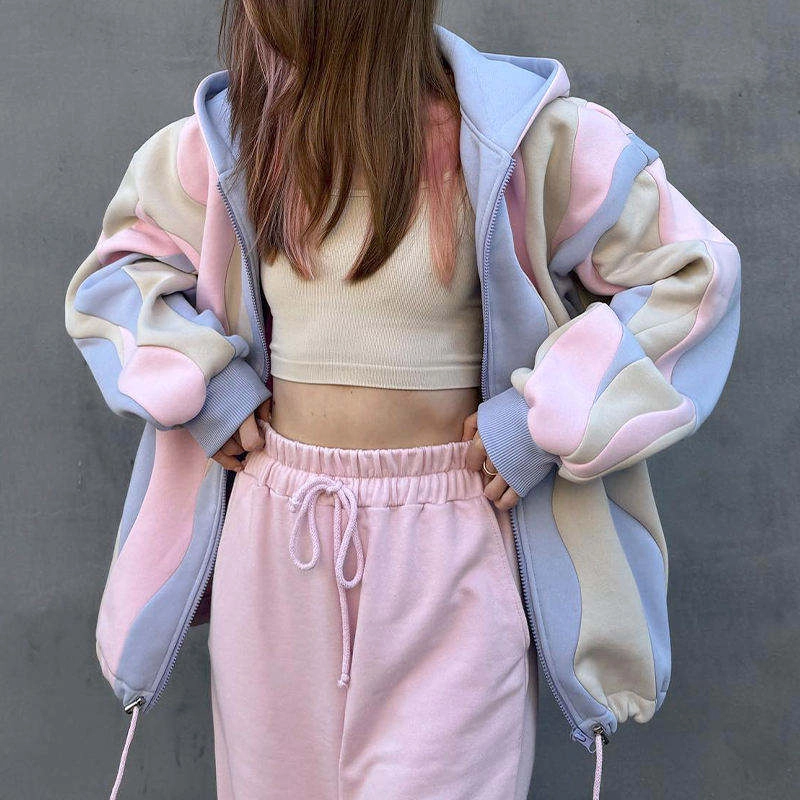
What Are the Most Popular Sustainable Hoodie Fabrics in 2026?

The Big Picture for Sustainable Fabrics in 2026
Green fabrics are no longer a “nice-to-have.” They have become a basic expectation for shoppers. By 2026, eco-friendly materials like recycled polyester now make up 40% of high-end hoodie production.
The usual 80/20 cotton-polyester blend has dropped from 63% of hoodie sales in 2023 to 41% by late 2025. It has been replaced by newer, better knits. People no longer buy hoodies just to stay warm. Additionally, they are buying identity, purpose, and values.
The Three Main Types of Eco-Friendly Fabrics
Industry experts break down green fabrics into three main types:
- Plant-based fabrics: Materials like TENCEL™ Lyocell made with zero-waste production
- Fully recycled fibers: Including recycled polyester and chemically recycled nylon with material tracking
- Eco-grown natural fibers: Such as organic cotton from eco-friendly farms
The Most Popular Green Hoodie Fabrics Ranked
1. Recycled Nylon-Cotton Mix — Biggest Market Share (29%)
This is the top-selling green hoodie fabric in 2026. The mix is 52% recycled nylon from old fishing nets and factory scraps, 40% organic cotton, and 8% TENCEL™ Lyocell.
Why it performs well: It pulls away sweat 22% better than standard fleece while keeping 94% of cotton’s soft feel.
2. Temperature Adjusting Bamboo-Cotton — Best for City Commuting (18% Market Share)
This double-layer knit has tiny air channels built in. At 75°F room temperature, it feels 3.2°F cooler than regular fleece. This matters for city commuters moving between air-conditioned offices and warm apartments.
Shoppers who bought temperature adjusting hoodies came back 37% more often within 90 days. Additionally, 61% added matching pants to their cart in the same shopping trip.
3. Recycled Denim Fleece — Gen Z Favorite (11% Market Share)
Made from pre-worn denim scraps that are shredded, re-spun, and knit into fabric. It uses 78% less water than new cotton and has a unique, textured look. Indigo-dyed and raw-edge versions are very popular with Gen Z.
4. TENCEL™ Lyocell — The Most Useful Green Fabric
TENCEL™ Lyocell’s popularity comes not just from its zero-waste production but from how many things it can do. Using new spinning and finishing methods, lyocell can now feel like the crispness of linen, the flowy look of silk, or the sturdy feel of thick twill.
5. Organic Cotton — Workwear Favorite
Organic cotton leads in workwear. Unlike regular cotton, organic cotton is grown without chemical bug killers or plant food. This reduces harm to the earth. It is soft, airy, and lasts well for daily wear.
6. Recycled Polyester (rPET) — Performance Choice
Recycled polyester from plastic bottles is now common. The new step in 2026 is chemically recycled nylon and polyester. Chemical recycling breaks old plastic down to its basic parts, which can then be rebuilt into brand-new quality fiber.
Good points: Can be recycled over and over, can use many sources (factory scraps, old fishing nets, used clothes), and quality stays high. Costs are dropping fast.
7. Hemp Blends — New Eco-Fabric
Hemp needs very little water and no bug killers. Pure hemp can be rough, but mixing hemp with TENCEL™ or organic cotton makes fabric that is soft, tough, and has a nice natural texture.
China Fiber Fashion Trends 2026/2027
Released in March 2026 with the theme “Building Momentum for Breakthroughs,” the China Fiber Fashion Trends cover four chapters:
“Fiber · Rebirth”: Plant-based fibers and recycled fibers. These replace old resources with earth-friendly raw materials and practice circular economy using old textile recycling.
“Fiber · Iteration”: Stretchy fibers, soft-feel fibers, and temperature-control fibers. Examples include fluffy stretchy polyester, body-heat adjusting nylon, and soft protein-based plant fibers.
“Fiber · Wave Riding”: Sweat-hiding fibers, germ-fighting fibers, and easy-care fibers. These redefine summer wear with sun protection technology.
“Fiber · Breakthrough”: Safe flame-resistant fibers and high-performance fibers with low smoke, no open flame, and no melting drops.
How to Check If a Fabric Is Really Green
Certification is the key. GRS (Global Recycled Standard) is the gold standard. It tracks recycled materials from the source through every step of production to the final product.
Digital tracking: Some brands use digital tracking or QR codes on the tag. Scanning the code shows the exact percentage of recycled content, where it came from, and its carbon footprint.
Certifications to look for: GRS, GOTS, OEKO-TEX®, FSC, RWS.
2026 Hoodie Color Trends and Green Fabrics
Green fabrics are now mixing with color science:
- “Reset Blue” (Pantone 17-4430): Made up 41% of hoodie sales in late 2025 among remote workers. Brain science studies confirm this color lowers mental load.
- “Basalt Grey” (flat, non-shiny charcoal): Sold out 92% of the time in city train stations — 27% better than black. Why? It hides sweat marks and lint better than black.
- “Clay Taupe”: The fastest-selling neutral color in suburban areas. It looks good in user photos and does not show food stains easily.
One store replaced its seasonal color releases with a “Use-Based Color List,” grouping colors by primary use (commuting, resting, creative work) rather than season. As a result, their average order value went up 18% and returns dropped 11%.
How to Pick the Right Green Hoodie Fabric
| Use Case | Best Fabric | Why |
|---|---|---|
| Daily commute / office | Organic cotton, TENCEL™ Lyocell | Soft, airy, looks neat |
| City commuting (in and out of buildings) | Temperature adjusting bamboo-cotton | Controls body heat, no overheating |
| Winter / outdoor | Recycled polyester fleece, chemically recycled nylon | Warm, tough, earth-friendly |
| Working out / sports | Recycled nylon-cotton mix | Pulls away sweat, stretches |
| Gen Z /个性 style | Recycled denim fleece | Unique look,环保 story |
| Premium / minimalist | TENCEL™ Lyocell | Can feel like silk or wool |
What to check before buying:
- ✅ Look at the fabric mix (recycled nylon-cotton, organic cotton, TENCEL™, etc.)
- ✅ Look for certifications (GRS, GOTS, OEKO-TEX®)
- ✅ Ask about material tracking (can they prove where the recycled content came from?)
- ✅ Think about how you will use it (temperature control? sweat control? warmth?)
- ✅ Pay attention to color (Basalt Grey hides stains better than black)
Common Mistakes and FAQs
Common Mistakes
| Mistake | Fix |
|---|---|
| Only looking for “eco” tags without checking real proof | Ask for GRS, GOTS, or OEKO-TEX® |
| Ignoring how the fabric works | Choose the right fabric for your needs |
| Only looking at the fiber source | Ask about water use and chemicals in dyeing |
| Not checking material tracking | Ask for GRS papers |
Frequently Asked Questions
Q: What is the most popular green hoodie fabric in 2026?
A: Recycled nylon-cotton mix leads with 29% market share. Next are temperature adjusting bamboo-cotton (18%) and recycled denim fleece (11%).
Q: What is the difference between TENCEL™ Lyocell and regular viscose?
A: TENCEL™ Lyocell uses a zero-waste process that captures over 99% of the liquid used. Regular viscose production lets out more chemicals into the environment.
Q: What is the difference between chemically recycled and mechanically recycled polyester?
A: Chemical recycling breaks old plastic down to its basic parts, which are then rebuilt into new, high-quality fiber. It can be recycled over and over with no quality loss. Mechanical recycling simply shreds and melts, which slowly lowers quality each time.
Q: How can I tell if a hoodie is truly green?
A: Ask for GRS, GOTS, or OEKO-TEX® certifications. GRS gives a paper that tracks recycled materials from source to final product.
Q: How much more do green hoodies cost?
A: Usually 20-40% more. However, costs for newer materials like chemically recycled nylon are dropping fast. Given how long they last and that people are willing to pay more for earth-friendly products, the long-term value is higher.