Welcome to customize all kinds of clothing

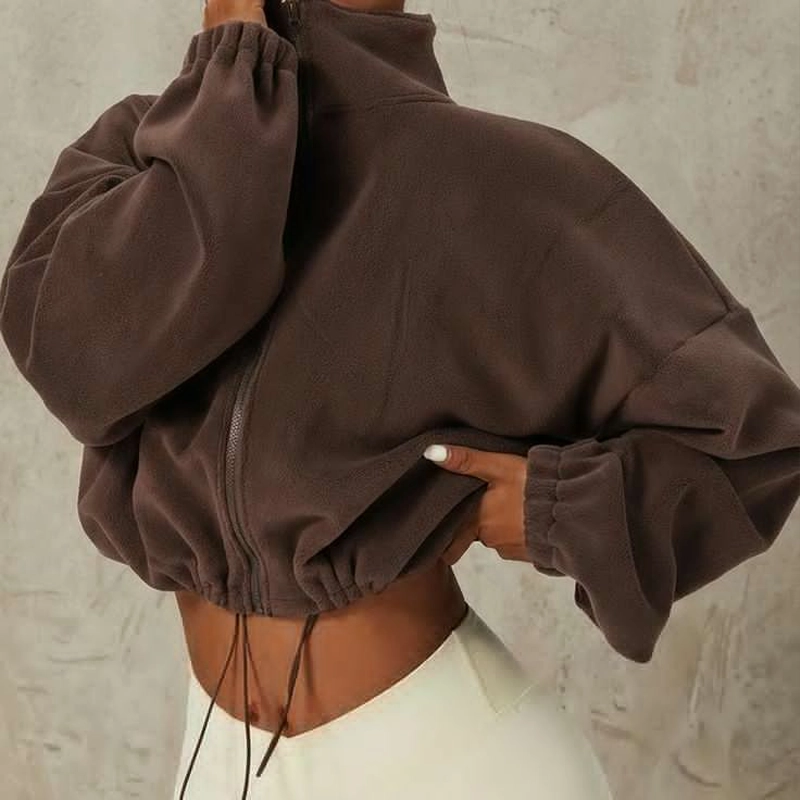
Tie-Dye DIY Hoodie Tutorial: Step-by-Step Guide + Safety Precautions

Introduction: Why Make Your Own Tie-Dye Hoodie?
There is something magical about tie-dye. You take a plain white hoodie, some colorful dyes, and a few rubber bands. Then you wait. When you finally unwrap it, the reveal feels like opening a present you wrapped for yourself.
No two tie-dye hoodies are ever the same. That is the beauty of it . Each one is a unique piece of art that you made with your own hands.
This guide walks you through everything you need to know. You will learn which hoodie works best, how to set up your workspace safely, three foolproof folding techniques, and exactly how to rinse and wash your finished piece so the colors stay bright for years.
Naturally, no experience is required. Let us get into it.
Part 1: What — Choosing the Right Hoodie and Supplies
Before you mix a single drop of dye, you need the right hoodie. This step makes or breaks your entire project.
1.1 Fabric Matters Most
Here is the most important rule of tie-dye: natural fibers absorb dye; synthetics do not.
Cotton is the gold standard. It soaks up dye like a sponge and holds color brilliantly . A 100% cotton hoodie will give you the brightest, longest-lasting results .
If you cannot find 100% cotton, look for something that is at least 80% cotton . Hoodies with 50% cotton and 50% polyester will work, but the colors will come out faded and vintage-looking because the dye only sticks to the cotton fibers .
Do not waste your time on hoodies made from 100% polyester or acrylic. The dye will not adhere at all .
Fabric notes:
- 100% cotton = brightest, most vibrant results
- 80%+ cotton blend = good, slightly faded look
- 50% cotton / 50% polyester = vintage, muted colors
- 100% synthetic = dye will not work
1.2 Color and Size Choices
Besides fabric material, start with a white or very light-colored hoodie . Dark hoodies limit your options because you cannot put light dye over dark fabric and expect it to show up.
For reverse tie-dye (using bleach to remove color from a dark hoodie instead of adding color), you can start with black or dark hoodies, but that is a different process covered in Part 5.
Fit matters too. You need room to scrunch, fold, and twist. Tight hoodies do not give you enough fabric to work with . Consider buying one size up, as cotton hoodies can shrink 5-10% after the first wash .
1.3 Your Complete Supplies Checklist
The permanent fabric bonding dye and fixatives:
- Fiber-reactive Procion dyes — These bond with cotton fibers for lasting color, unlike all-purpose dyes which only stain the surface
- Soda ash — This is the secret to vibrant color. It changes the fabric’s pH so the dye bonds permanently
- Rubber gloves — Do not skip these. Your hands will be stained for days
- Plastic squeeze bottles — For applying dye precisely
- Measuring spoons and cups
The tools:
- Rubber bands (various sizes) or sinew for tighter resists
- Plastic table cover or tarp to protect your workspace
- Wire rack to keep the hoodie elevated during dyeing
- Plastic bags or cling wrap for the waiting period
- Bucket for mixing alkaline fabric pre-soak
Optional but helpful:
- Dust mask — Wear one when mixing dye powders to avoid inhaling particles
- Synthrapol or professional textile detergent — For the first wash to remove excess dye
- Old clothes you do not mind ruining — Tie-dye gets everywhere
1.4 Quick Supplies Checklist
| Category | Items |
|---|---|
| Hoodie | 100% cotton white/light hoodie, one size up |
| Dye | Fiber-reactive Procion dyes |
| Fixative | Soda ash |
| Application | Plastic squeeze bottles, rubber gloves |
| Workspace | Plastic table cover, wire rack, paper towels |
| Tools | Rubber bands / sinew, plastic bags, bucket |
| Post-dye | Mild detergent, Synthrapol (optional) |
Part 2: Why — Prepping Your Hoodie for Success
Preparation is the most overlooked step. It is also the most important.
2.1 Step 1: Pre-Wash Your Hoodie
New hoodies come with factory chemicals, oils, and starches on the fabric. These substances block dye absorption .
Wash your hoodie in warm water with a small amount of mild detergent. Do not use fabric softener. Fabric softener creates a barrier that prevents dye from penetrating the fibers .
2.2 Step 2: The Alkaline Fabric Pre-Soak
Here is the secret to professional-looking tie-dye: soda ash.
Soda ash (sodium carbonate) raises the pH of the cotton fibers, which makes them bond with the dye permanently . Without soda ash, your beautiful colors will wash out pale and faded.
How to do it:
- Mix 1 cup of soda ash into 1 gallon of warm water
- Stir until fully dissolved
- Submerge your damp, pre-washed hoodie in the solution
- Soak for 20-25 minutes
- Remove and gently squeeze out excess liquid
Your hoodie should be damp, not soaking wet. Properly squeezed fabric helps create crisp, sharp designs .
2.3 Step 3: Set Up Your Workspace
Once preparation finishes, remember that tie-dye is messy. Plan accordingly .
- Work outdoors if possible — the fumes are milder and cleanup is easier
- Cover your work surface with plastic sheeting or a tarp
- Wear old clothes and rubber gloves
- Keep paper towels nearby for spills
- Place your hoodie on a wire rack so excess dye can drip away
2.4 Step 4: Choose Your Tied Fabric Color Blocking Method
The way you fold and tie your hoodie determines the pattern. Here are three beginner-friendly methods.
The Classic Spiral
This creates the iconic circular pattern people instantly recognize as tie-dye .
How to do it:
- Lay your damp hoodie flat on the work surface
- Pinch the center of the fabric with your thumb and forefinger
- Twist the fabric in a spiral motion, keeping the folds flat and tight
- Continue twisting until the whole hoodie forms a flat, tight disc
- Secure with 3-4 rubber bands, creating “pizza slice” wedges
Each wedge will get a different color.
The Scrunch / Crumple
This is the easiest method for beginners. It creates a marbled, organic pattern with no distinct lines .
How to do it:
- Lay your damp hoodie flat
- Scrunch the fabric randomly into a tight, messy pile
- Secure with rubber bands in several places
- Do not overthink it — random scrunching is the point
The thicker the scrunch, the deeper the dye will settle into the folds .
The Bullseye
This creates concentric rings radiating outward from a center point .
How to do it:
- Pinch the fabric where you want the center of your bullseye to be
- Pull the pinched fabric upward, forming a cone shape
- Wrap rubber bands down the length of the fabric cone
- Each section between rubber bands will become a different colored ring
2.5 Other Techniques Worth Trying
The Gravity Fan Fold
This creates a flowing, streaked pattern. Accordion fold your hoodie from one side, allowing the folds to curve gently. The curved folds help dye blend beautifully while still creating defined movement. Great for multi-color designs .
The Geode Method
This creates sharp, defined rings (like crystal geodes). Use sinew instead of rubber bands for tighter resist lines. Pinch sections upward and tie sinew tightly around the fabric to resist dye penetration. Best for high-contrast colors and dramatic patterns .
2.6 Pattern Summary
| Pattern | Difficulty | Best For | Key Feature |
|---|---|---|---|
| Spiral | Medium | Beginners wanting classic look | Circular wedges |
| Scrunch | Easy | Absolute beginners | Marbled organic pattern |
| Bullseye | Medium | Bold ring designs | Concentric circles |
| Gravity Fan | Medium | Flowy blended colors | Curved streaked pattern |
| Geode | Advanced | High-contrast dramatic looks | Sharp defined rings |
Part 3: After Folding and Tying — Applying the Dye and Letting It Set
Now for the colorful part.
3.1 Step 1: Mix Your Dyes
Follow the instructions on your fiber-reactive dye kit. Procion dyes typically mix with water in squeeze bottles.
Pro tip: Prepare more dye than you think you need. Hoodies absorb much more dye than t-shirts . Running out halfway is frustrating.
3.2 Step 2: Apply the Dye Strategically
Work section by section. Do not rush .
- For the spiral pattern, apply a different color to each “pizza slice” wedge
- For the scrunch pattern, apply dye randomly but generously
- For the bullseye, apply different colors between each rubber band
Key techniques:
- Squeeze bottles gently — too much pressure creates a mess
- Flip your hoodie over and apply dye to both sides for even coverage
- Lift folds slightly with the tip of your bottle to get dye deep into the fabric
Use plenty of dye. Saturation is key to vibrant results .
3.3 Step 3: Wrap and Wait
Once all the dye is applied, wrap your hoodie in plastic wrap or place it in a sealed plastic bag . This keeps the fabric damp while the dye reacts.
Timing matters:
- Minimum: 6-8 hours
- Recommended: 12-24 hours
- Longer waiting time = more vibrant colors
Keep the wrapped hoodie at room temperature. Heat speeds up the process but can create uneven results . You can safely leave dye on for 24-48 hours without damaging the fabric .
3.4 Step 4: The Big Reveal — Rinsing and Unwrapping
This is the moment of truth.
First, rinse while still tied :
- Take your hoodie to a sink or bathtub
- Rinse it under cold running water while the rubber bands are still on
- Watch the excess dye wash away
- Continue rinsing until the water runs mostly clear
Then, remove the rubber bands :
- Carefully cut or slide off the rubber bands
- Unfold your hoodie and see the pattern emerge
- Rinse again in cool water
Finally, the first wash :
- Wash the hoodie by itself in the washing machine
- Use hot water — this helps set the dye
- Use a mild detergent or Synthrapol for professional results
After this first wash, you can dry your hoodie as usual.
3.5 Step 5: Dry It the Right Way
Air drying is best for preserving colors. Direct sunlight can fade tie-dye .
If you use a dryer, use low heat. High heat might shrink your hoodie, and cotton hoodies are already prone to shrinking 5-10% after the first wash .
Part 4: From Practical Perspective — Is Tie-Dye Right for You?
Let us match the DIY tie-dye project to the right person.
4.1 DIY Tie-Dye Is For You If:
You want a truly unique piece of clothing. No two tie-dye hoodies are ever the same. You will own something that literally no one else has .
You enjoy hands-on creative projects. Tie-dye is messy, unpredictable, and deeply satisfying. It is more about the process than the result.
You have patience. From start to finish, tie-dye takes 12-24 hours of waiting time. But the active work is only 1-2 hours .
You are okay with imperfection. Tie-dye is not an exact science. There are no real mistakes — just different effects .
You want a budget-friendly custom piece. DIY is significantly cheaper than ordering custom tie-dye for a single hoodie .
Best for: People who enjoy crafts, anyone wanting unique clothing, gift-makers, budget-conscious creators
4.2 Consider Professional Ordering If:
You need consistent, predictable results. Professional tie-dye uses standardized processes, so the outcome is more reliable .
You are ordering in bulk for a team or event. For large quantities, professional production is more efficient and cost-effective .
You do not have time or space for a messy DIY project. Tie-dye requires setup, workspace, and cleanup.
You want specific custom graphics printed over the tie-dye. Professionals can combine techniques that are hard to achieve at home.
Best for: Bulk orders, brand merchandise, people who dislike mess
Part 5: Precautions and Warnings — What They Do Not Always Tell You
Now let us talk about safety and common pitfalls.
5.1 Safety Precautions
Wear gloves. This is not optional. Dye will stain your hands for days .
Protect your workspace. Dye stains everything it touches. Cover surfaces with plastic sheeting. Wear old clothes .
Mix dyes in a well-ventilated area. Dye powders can create airborne particles. A dust mask is recommended when mixing .
Keep dyes away from children and pets. The chemicals are not toxic in the way household cleaners are, but they are not food-safe either.
Dispose of dye water responsibly. Do not pour concentrated dye solution directly into storm drains. Dilute with plenty of water first.
5.2 Common Mistakes to Avoid
| Mistake | Why It Happens | Solution |
|---|---|---|
| Unwanted color mixing | Opposite colors on the wheel bled into each other | Use adjacent colors (yellow→orange→red) |
| Faded results after washing | No soda ash soak, or old dye | Always use fresh soda ash and recent dye |
| Too many white spots | Fabric tied too tight, or not enough dye penetrated | Ensure hoodie damp; lift folds with bottle tip |
| Uneven color coverage | Rushed dye application | Work section by section; flip hoodie over |
| Colors bleeding in wash | Insufficient first rinse | Rinse until water runs clear before machine washing |
| Hoodie shrank | High heat drying, wrong size | Buy one size up; air dry or low heat |
5.3 Special Case: Dark Hoodie Color Removal Method (Reverse Tie-Dye)
If you want to tie-dye a black or dark hoodie, use the reverse method.
How dark hoodie color removal method works: Instead of adding color, you remove color using bleach . The bleach creates lighter patterns on dark fabric, which you can then dye with new colors if desired.
Safety warnings for reverse tie-dye:
- Work in an extremely well-ventilated area (outdoors is best)
- Wear old clothes, rubber gloves, and eye protection
- Bleach splashes will ruin anything they touch
- Dilute bleach with water (50/50 solution is typical)
- Rinse thoroughly to stop the bleaching process
- Bleach weakens cotton fibers over time — do not over-bleach
Process:
- Fold and tie your dark hoodie using your chosen pattern
- Apply diluted bleach solution to the tied fabric
- Wait 10-20 minutes until you see the desired lightening
- Rinse thoroughly to stop the bleaching process
- Wash the hoodie to remove bleach residue
- Optionally, apply dye to the bleached areas for color
5.4 Aftercare for Long-Lasting Color
Your tie-dye hoodie needs special care, especially in the first few washes .
Immediate aftercare:
- First wash: Use hot water to set the dye
- Wash alone or only with similar colors — loose pigments may stain light garments
- Cold water washes in the future preserve color
Long-term care:
- Turn hoodie inside out before washing
- Wash with similar colors in cold water
- Avoid bleach and harsh detergents
- Air dry or low heat only
- Do not iron directly on tie-dyed areas
5.5 Storage Tips
- Fold rather than hang — hanging can stretch the shoulders
- Store away from direct sunlight, which can fade colors over time
- Keep away from white or light-colored garments that might absorb residual dye
Part 6: FAQs — Your Quick Questions Answered
Q1: Can I tie-dye a black hoodie?
Regular dye will not work. Use the dark hoodie color removal method (bleach) to remove color first, then add new colors.
Q2: What happens if I leave the dye on too long?
Longer processing = more vibrant colors. Safe for 24-48 hours without fabric damage.
Q3: Will my tie-dye hoodie shrink in the wash?
Cotton hoodies can shrink 5-10% after first wash. Buy one size larger if worried.
Q4: How do I fix a tie-dye project that turned out muddy?
Use a bleach pen to add white highlights. Or embrace the earthy look and add complementary colors.
Q5: Can I tie-dye a hoodie without rubber bands?
Yes. Use string, zip ties, or clamps. The key is tight sections that resist dye.
Q6: How long does it take to tie-dye a hoodie?
Active work: 1-2 hours. Waiting time: 12-24 hours for dye to set.
Q7: How do I keep my tie-dye from fading over time?
First wash: hot water. Future washes: cold water, inside out, similar colors. Avoid whites.
Q8: Can I tie-dye a hoodie that already has a design on it?
You can try, but the original design may show through the tie-dye pattern.
Q9: Can I use natural dyes like turmeric or beet juice?
Yes, for eco-friendly projects. They are less colorfast than fiber-reactive dyes and may fade faster.
Q10: How do I achieve a pastel tie-dye look?
Dilute the dye with more water. Lower dye concentration = softer, pastel colors.
Conclusion: Embrace the Imperfection
Ultimately, tie-dye is not about perfection. It is about creativity, surprise, and the joy of making something with your own hands.
The colors might bleed. The pattern might not look exactly how you imagined. That is not a failure. That is tie-dye.
Three things to remember:
- Preparation is everything — pre-wash, alkaline fabric pre-soak, and workspace setup prevent most problems
- Patience pays off — let the dye set for at least 12 hours for vibrant, lasting color
- Care extends life — cold water washes, air drying, and washing with similar colors keep your hoodie bright
Your first tie-dye hoodie will not be perfect. Neither will your fifth. But each one will be yours.
And there is something deeply satisfying about wearing a piece of clothing that you transformed with your own hands.
Gather your supplies. Pick your colors. And make something that no one else has.
More Articles from WUYI Apparel
Want to learn more about styling essentials hoodies or other apparel tips? Check out some of our other helpful articles:
- Wearing Black to a Wedding: A Modern Etiquette Guide
- Rainwear Jackets: The Perfect Fusion of Fashion and Function
- How To Measure Clothes
- Casual clothing – Casual and elegant through everyday life
- How to Find Your Style:An in-depth exploration of one’s own clothing style
For more tips and tricks on fashion and lifestyle, don’t forget to visit our Blog Section.
Head over to our Shop Page to browse our full collection and pick your favorite essentials hoodie