Welcome to customize all kinds of clothing

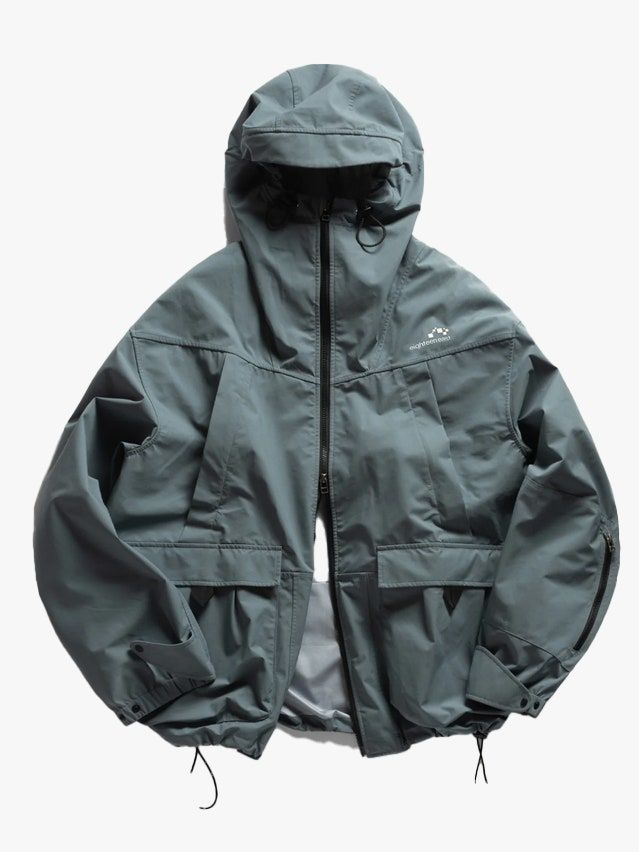
The Complete Guide to Men’s Raincoats 2026: Style Meets Next-Gen Protection

Let’s face it—nobody likes getting soaked on their way to work or having a promising hike cut short by an unexpected downpour. But here’s the good news: the men’s raincoat market in 2026 has evolved far beyond those crinkly, plastic-feeling emergency shells your dad used to keep in the car trunk.
Today’s rainwear represents a perfect storm of material science innovation, sustainable manufacturing, and genuine style credibility. Whether you’re navigating city streets, tackling mountain trails, or simply want to look put-together on a drizzly commute, there’s never been a better time to invest in quality wet-weather gear.
This comprehensive guide walks you through everything you need to know about choosing the perfect raincoat in 2026—from understanding technical specifications to matching the right coat with your lifestyle. Let’s dive in.
Why 2026 Is the Golden Age of Rainwear
The raincoat market has undergone a quiet revolution over the past few years. According to industry analysis, the sector is characterized by “a blend of enduring functional demand and shifting fashion sensibilities,” with consumer priorities increasingly centered on versatility, sustainability, and genuine performance value .
What does this mean for you? Simply put, the days of choosing between a coat that keeps you dry but looks terrible, or one that looks great but leaves you soaked, are officially over.
Today’s manufacturers are leveraging breakthroughs in fabric technology to deliver waterproof ratings that would have seemed impossible a decade ago, all while maintaining breathability, reducing weight, and—critically—doing it with materials that tread more lightly on the planet .
What Makes a Great Raincoat in 2026? The Tech You Need to Know
Before we get into specific recommendations, let’s demystify the technical jargon you’ll encounter. Understanding these basics will help you make an informed choice that actually meets your needs.
Waterproof Rating: The Millimeter Matters
Waterproof ratings are measured in millimeters (mm) of water column pressure. Here’s a practical breakdown:
- 5,000mm: Handles light to moderate rain; suitable for urban commuting and occasional showers
- 10,000mm: Reliable protection for heavy rain and most outdoor activities; the sweet spot for versatile use
- 15,000mm+: Extreme weather protection for serious outdoor pursuits
For 2026, most quality raincoats in the mid-range hover around the 10,000mm mark, offering excellent protection without the premium price tag of expedition-grade gear .
Breathability: The Sweat Factor
Here’s the thing—a completely waterproof jacket that doesn’t breathe will leave you nearly as wet from the inside as the rain would from the outside. Breathability is measured in grams of moisture vapor that can pass through a square meter of fabric over 24 hours (g/m²/24hr).
Active users—hikers, cyclists, anyone who generates body heat—should prioritize higher breathability ratings. As one outdoor gear tester puts it, “Breathability is just as important as waterproofing” for real-world comfort .
Seams: The Hidden Weak Point
A jacket’s fabric might be waterproof, but every stitch is a potential leak. This is where fully taped seams come in. Quality raincoats apply waterproof tape over every seam, preventing water from seeping through needle holes. This is “a critical detail often skipped in cheap rain shells” .
The DWR Dilemma
Most waterproof jackets rely on a Durable Water Repellent (DWR) coating that causes water to bead up and roll off the outer fabric. Over time, this coating wears off—but it’s rechargeable. A simple DWR spray can restore your jacket’s performance, extending its life significantly .
Matching Your Raincoat to Your Life: Three Key Profiles
Not all raincoats are created equal, and the best choice depends entirely on how you’ll use it. Let’s break down the main categories.
The Urban Commuter: Style Meets Function
For the daily grind—train platforms, walking meetings, coffee runs—you need a coat that transitions seamlessly from outdoors to indoors. The focus here is on clean lines, professional appearance, and packability when you’re not wearing it.
What to look for: Refined silhouettes, neutral colors, hidden hoods, and enough breathability for the walk from the station to the office without arriving sweaty.
According to OPUMO Magazine’s 2026 guide, the Rains Storm Breaker exemplifies this category. It features “a two-way waterproof zipper, an integrated cap-equipped hood, and reflective drawstrings,” all while remaining “lightweight and breathable” thanks to its signature PU fabric and double-welded seams .
For a more elevated take, the L’Estrange Modular Mac combines “organic cotton and recycled nylon” for a “protective yet elegant” coat that works over tailored separates during the week and with denim on weekends .
The Outdoor Adventurer: Technical Performance First
If your raincoat needs to perform on trails, mountainsides, or exposed coastlines, technical specifications become paramount. You’re looking for maximum weather protection, durability against abrasion, and features designed for movement.
What to look for: Higher waterproof ratings (10,000mm+), helmet-compatible hoods, pit zips for ventilation, and articulated sleeves that don’t restrict movement.
The Arc’teryx Beta AR Jacket remains a gold standard in 2026, “designed with the harshest weather conditions in mind” and “made using specially engineered GORE-TEX technology, for maximum durability and breathability” . It even features “a helmet-compatible hood with an internal collar for added protection, plus an embedded reflector to improve searchability in emergency situations” .
For those seeking premium performance without the Arc’teryx price tag, the Columbia Men’s Watertight II Jacket offers a “quality build” that’s “guaranteed to be waterproof, perfect for any rainy day” . It’s “highly versatile and can be used in any situation” .
The Traveler: Packability Is Everything
Frequent travelers need a raincoat that disappears into luggage until needed. The priority here is minimal weight and packed size, without compromising on essential protection.
What to look for: Self-storing designs (packs into its own pocket), sub-300g weight, and sufficient durability for occasional use.
The Tropicfeel NS40 Light Jacket is “waterproof, windproof and super lightweight and packable—which makes it particularly perfect for temperamental and tropical weather conditions” . Similarly, the On Running Weather Jacket features “an ultra-lightweight construction that allows the entire jacket to fold quickly into its own breast pocket” .
Top Picks for 2026: Our Curated Selection
After reviewing the landscape, here are our standout recommendations across categories and price points.
Budget-Conscious Choices (<$100)
Decathlon Quechua NH500 Raincut ($35)
Don’t let the price fool you. This jacket offers a “10,000mm waterproof rating” with “fully taped seams” and an adjustable hood that “rival jackets twice the price” . It’s the ultimate value proposition for occasional use.
Amazon Essentials Packable Raincoat ($40)
With a 5,000mm rating, it’s “fine for city walks” and “fits in its own pocket” . Ideal as an emergency backup or for light use.
Mid-Range Workhorses ($80-$150)
Columbia Watertight II Interchange ($80-$100)
This “2-in-1 system” features a waterproof shell plus an insulated liner, making it “a single investment that replaces multiple layers” and offering “year-round flexibility” . Its 10,000mm rating handles serious weather.
Marmot PreCip Men’s Waterproof Rain Jacket
Rivalling Columbia for top honors, this Marmot offering is “genuinely weatherproof” and comes in “loads of colors available” . A smart, simple design that delivers.
Patagonia Torrentshell 3L ($149, often on sale)
Made from “recycled materials” with a “10,000mm” rating, this is the choice for eco-conscious consumers who refuse to compromise on performance .
Premium Investments ($150+)
Arc’teryx Beta AR Jacket
Simply put, this is “designed with the harshest weather conditions in mind” . If money is no object and you demand the absolute best, this is it.
Jack Wolfskin Men’s Cloudburst Jacket
With “Texapore technology” ensuring guaranteed waterproofing and the ability to “stow away in its own hip pocket,” this German-engineered jacket is “top quality” and “nicely fitted” .
The Sustainability Shift: Rainwear Goes Green
Perhaps the most significant trend shaping the 2026 raincoat market is the industry-wide pivot toward sustainability. Consumers are increasingly demanding transparency about where their clothes come from and what they’re made of.
Brands are responding in force. Patagonia has long led the charge with its “committed approach to reducing its carbon footprint by using recycled materials, sustainable processes, and fair labour” . The brand’s Funhoggers Anorak, for instance, is “Fair Trade Certified sewn in Sri Lanka from 100% cotton” .
Similarly, ASKET’s Zip Jacket is “cut from a super lightweight, water repellent Korean fabric made from 100% recycled nylon” . Save the Duck’s Hydro raincoat features “100% recycled polyester 2.5-layer fabric, ensuring high levels of waterproofness and breathability” .
Even budget options are joining the movement. Closed’s Hooded Jacket is “insulated for warmth with vegan padding made of recycled PET bottles” .
This shift toward recycled materials and ethical production isn’t just marketing—it’s becoming table stakes for serious players in the outerwear space .
Real-World Testing: How These Coats Actually Perform
Numbers on a spec sheet are one thing. Real-world performance is another. Traveler Mark R., a digital nomad from Canada, put three budget jackets through their paces during a 14-day trek through the Scottish Highlands—a notoriously wet environment.
His findings? “The Columbia was my go-to. It handled constant drizzle and wind without leaking. The NH500 surprised me—it kept me dry during a sudden downpour near Glencoe, and I paid less than the price of dinner for it.”
His verdict on the budget Amazon Essentials coat? “Fine for city walks, but after two days of heavy rain, moisture crept in at the shoulders.”
The takeaway: if you’re facing sustained wet conditions, invest in taped seams and quality construction—even if the brand isn’t flashy.
How to Extend the Life of Your Raincoat
A quality raincoat is an investment. Here’s how to make yours last.
Washing Wisdom
“Wash waterproof jackets with tech-wear detergent every 3–6 months. Regular detergents strip DWR coatings, reducing effectiveness” . Specialized cleaners like Nikwax Tech Wash or Grangers Performance Wash are formulated to clean without damaging water-repellent treatments.
Recharging DWR
When water stops beading on the surface, it’s time to reactivate or reapply the DWR coating. A warm tumble in the dryer can sometimes reactivate existing treatment. If not, spray-on or wash-in DWR treatments are widely available and easy to apply.
Storage Matters
Always store your raincoat clean and completely dry. Never leave it crumpled wet in the bottom of a bag or gym locker—this can damage coatings and encourage mildew.
Repairability
Some manufacturers are now offering repair services, “extending the life of the garment even further” and contributing to “a move towards a more sustainable model” . Before replacing a damaged coat, check if the manufacturer offers repairs.
Smart Buying Checklist: 8 Questions to Ask Before You Buy
Before making your purchase, run through this quick checklist :
- ✅ Does it have fully taped seams?
- ✅ Is the fabric at least 50D polyester or nylon?
- ✅ Can it be packed into its own pocket or pouch?
- ✅ Are there ventilation options (pit zips or mesh lining)?
- ✅ Is the hood helmet-compatible or adjustable?
- ✅ Are zippers covered with storm flaps?
- ✅ Does it allow full range of motion when arms are raised?
- ✅ Is it machine washable with easy care instructions?
Frequently Asked Questions
How long should a quality raincoat last?
“With proper care, expect 2–4 years of regular use. Factors like UV exposure, frequency of washing, and abrasion from backpacks affect lifespan.”
Can I use a budget raincoat for serious hiking?
Absolutely—if you choose wisely. “Jackets like the Outdoor Research Helium and Snugpak Patrol are used by thru-hikers and military personnel. Focus on weight, breathability, and fit rather than price tag when judging suitability for trails.”
What’s the difference between water-resistant and waterproof?
Water-resistant fabrics can handle light mist and brief showers but will eventually soak through. Waterproof materials, combined with sealed seams and water-repellent zippers, are engineered to keep water out entirely—even under pressure.
Do I really need breathability if I’m just walking to work?
Yes. Even moderate activity generates body heat and moisture. A non-breathable jacket will leave you feeling clammy and uncomfortable, especially if you’re wearing it for more than a few minutes at a time.
The Bottom Line: Invest in the Right Coat for You
The best raincoat isn’t necessarily the most expensive or the most technically advanced—it’s the one that fits your specific needs, lifestyle, and budget.
For the daily commuter, a stylish, packable option like the Rains Storm Breaker or L’Estrange Modular Mac will serve you well . For the outdoor enthusiast, technical performers like the Arc’teryx Beta AR or Columbia Watertight II offer uncompromising protection . And for the budget-conscious traveler, gems like the Decathlon NH500 prove that you don’t need to spend a fortune to stay dry .
What unites all the best options in 2026 is a commitment to thoughtful design, quality materials, and increasingly, environmental responsibility. The raincoat has evolved from a purely functional item into a genuinely versatile piece of everyday gear that can look good, perform brilliantly, and last for years.
So go ahead—embrace the rain. With the right coat on your back, a little weather never looked so good.
Ready to find your perfect raincoat? Check out our curated selections above or visit your nearest outdoor retailer to try them on for yourself. Your future dry self will thank you.
Explore More Articles from WUYI Apparel
Want to learn more about styling essentials hoodies or other apparel tips? Check out some of our other helpful articles:
- Wearing Black to a Wedding: A Modern Etiquette Guide
- Rainwear Jackets: The Perfect Fusion of Fashion and Function
- How To Measure Clothes
- Casual clothing – Casual and elegant through everyday life
- How to Find Your Style:An in-depth exploration of one’s own clothing style
For more tips and tricks on fashion and lifestyle, don’t forget to visit our Blog Section.
Head over to our Shop Page to browse our full collection and pick your favorite essentials hoodie today!