Welcome to customize all kinds of clothing

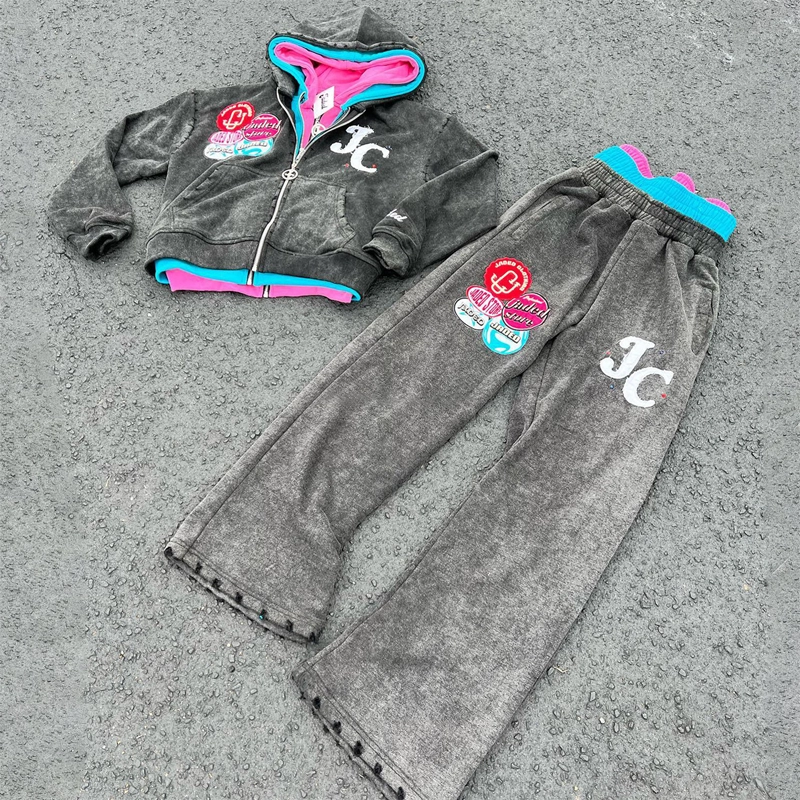
Nike Hoodie Tie-Dye DIY Guide: Ice Dye vs. Liquid Dye

You have an old Nike hoodie that needs a refresh. Or maybe you just bought a blank one and want to make it unique. Tie-dyeing is the answer. However, Nike hoodies are tricky. Some are mostly cotton. Others are synthetic blends that resist dye.
So which method should you use? How do you get bright colors that last? And what do you do if your hoodie has a zipper or an embroidered logo?
Let me walk you through two popular methods: Liquid Dye (for sharp, controlled patterns) and Ice Dye (for soft, watercolor-like textures). By the end, you will know exactly how to transform your hoodie.
Part 1: Know Your Fabric – The Make-or-Break Step
Before you buy any dye, check the tag inside your Nike hoodie. This single step determines whether your project succeeds or fails.
Why Cotton Matters
Tie-dye works by bonding dye to natural fibers. 100% cotton absorbs dye brilliantly. The colors come out bright and stay vibrant wash after wash.
Nike uses 80% cotton / 20% polyester blends for many of their fleece hoodies, including popular lines like the Club Fleece and Jordan Brooklyn Fleece. These will dye, but with a catch.
What to Expect from Blends
The polyester portion of a blend resists dye. The cotton absorbs it. The result is a heathered, faded, vintage look rather than neon-bright colors. This is not a bad thing. Many people love the soft, muted effect. However, you need to know before you start so you are not disappointed with the outcome.
The hood lining also matters. Some Nike hoodies have a 100% cotton lining even when the body is a blend. This means the inside of your hood may dye differently than the rest of the garment, creating an interesting contrast effect.
What to Avoid
Hoodies with high synthetic content, like the Nike Dri-FIT line which uses 54% polyester / 46% cotton or even higher polyester ratios, will not dye well. The colors will be very pale and may wash out completely after just a few laundry cycles.
Special Considerations for Different Hoodie Types
Full-zip hoodies require extra care. The zipper is made of metal or plastic that will not absorb dye. Dye can stain the zipper tape (the fabric part), which may look cool or messy depending on your preference. To protect the zipper, you can cover it with painter’s tape or accept that it will pick up some color.
Hoodies with embroidered logos will dye differently. The embroidery thread is often polyester, which resists dye. Your logo may remain its original color while the fabric around it changes. This can create a striking contrast effect. Test a small hidden area first if you are unsure.
Hoodies with screen-printed graphics will also dye. The print may take on some color or may resist it entirely. Either way, the graphic will likely change appearance.
Fabric Quick Reference Table
| Nike Hoodie Type | Cotton Content | Dye Result | Best Method |
|---|---|---|---|
| 100% Cotton (rare) | 100% | Bright, vibrant | Any |
| Club Fleece / Jordan Fleece | 80% | Faded, vintage | Ice dye works well |
| French Terry | 59-80% | Moderate to good | Liquid or ice |
| Dri-FIT Performance | 50-60% | Very pale | Not recommended |
| Full-Zip Any Blend | Varies | Same as fabric | Protect zipper with tape |
Part 2: Materials You Will Need
Before you start, gather your supplies. Do not skip the protective gear.
Essential Supplies
- Fiber-reactive dye (like Procion MX) – This bonds permanently to cotton. Avoid all-purpose dye, which fades quickly after just a few washes.
- Soda ash – This pre-treatment helps the dye bond to the fabric. Without it, colors will be weak and may wash out completely.
- Large plastic bins or squeeze bottles – For liquid dye application. Squeeze bottles give you the most control.
- Ice cubes – For the ice dye method only. You will need enough to fully cover your hoodie.
- Rack and tray – To hold the hoodie above dripping dye. A cooling rack over a baking sheet works perfectly.
- Plastic gloves – Dye will stain your skin for days. Wear gloves throughout the process.
- Plastic sheeting or garbage bags – To protect your work surface. Dye will stain countertops and floors.
- Rubber bands – For tying patterns. Use thick bands for wider stripes, thin bands for finer lines.
Standard Dye and Soda Ash Ratios
| Dye Brand | Dye to Water Ratio | Soda Ash to Water Ratio |
|---|---|---|
| Jacquard Procion MX | 1-2 tsp per 8 oz water | 1 cup per gallon |
| Tulip One-Step Kit | Pre-measured | Included |
| Dharma Trading | 1-2 tsp per 8 oz water | 1 cup per gallon |
For liquid dye, more dye creates deeper colors. For ice dye, more powder creates more intense color separation. Start with the recommended ratios, then adjust based on your desired intensity.
Optional but Helpful
- Dye fixative – Some brands recommend this for extra colorfastness, though fiber-reactive dye plus soda ash is usually sufficient.
- Synthrapol – A special detergent that removes excess dye after setting. This is especially helpful for the first wash.
- Painter’s tape – To cover zippers or logos you want to protect.
Where to Find Supplies
Fiber-reactive dyes are available at art supply stores, fabric stores, or online from brands like Jacquard, Dharma Trading, or Tulip. Soda ash often comes in tie-dye kits or can be purchased separately at hardware stores (it is also used to adjust pH in swimming pools).
Part 3: The Preparation – Washing and Pre-Treating
Do not skip this step. A hoodie fresh from the store has chemicals that repel dye.
Step 1: Wash Your Hoodie
Wash your Nike hoodie in hot water with a small amount of detergent. Do not use fabric softener. Softeners coat the fibers and block dye absorption, resulting in pale, uneven colors.
Step 2: Keep It Damp
After washing, leave the hoodie damp. Do not put it in the dryer. Damp fabric absorbs dye better than dry fabric. If your hoodie dries out before you are ready, simply re-wet it.
Step 3: Soak in Soda Ash
Mix soda ash with warm water according to the package instructions. The standard ratio is 1 cup of soda ash per 1 gallon of warm water. Stir until dissolved.
Submerge your damp hoodie in the solution. Soak for 15 to 30 minutes. The soda ash needs time to penetrate the fibers.
Step 4: Wring and Wait
Remove the hoodie and wring out excess solution. The hoodie should be damp but not dripping. Let it sit for 10 minutes before folding or twisting. This allows the soda ash to continue working.
Why Soda Ash Matters
Soda ash raises the pH of the fabric, which opens up the cotton fibers to accept the dye. Without this step, the dye will sit on the surface and wash out over time, leaving you with a faded mess. This is the single most important preparation step.
Special Note for Hoodies with Zippers
If your hoodie has a metal zipper, consider covering the zipper tape (the fabric part) with painter’s tape. The tape will resist dye and keep the zipper looking clean. This is optional. Some people like the dyed zipper look.
Part 4: Liquid Dye Method – For Controlled Patterns
Liquid dye gives you the most control. You can create sharp lines, spirals, and specific color placements. This method is best for beginners because the results are predictable.
Folding and Tying Techniques
The Spiral
Pinch the center of the hoodie and twist in a circle. The hoodie will fold into a flat disc. Wrap rubber bands across the disc like pizza slices, from the center out to the edge. This creates a classic spiral pattern with rays of color.
The Bullseye
Pinch a point on the hoodie and pull it up into a cone. Wrap rubber bands down the cone at regular intervals, about 1 to 2 inches apart. Each band creates a ring of color when dye is applied.
The Crumple
Simply scrunch the hoodie into a tight ball. Wrap rubber bands randomly around the ball. This creates a random, marbled pattern with no distinct shapes. It is the easiest technique.
The Stripe
Lay the hoodie flat. Accordion-fold it lengthwise or widthwise, like you are folding a fan. Wrap bands along the folded tube. This creates parallel stripes across the hoodie.
The Heart
Fold the hoodie in half. Draw half a heart shape along the fold with washable marker. Accordion-fold along the heart line. Apply dye to create a heart pattern. This is an intermediate technique.
Dye Application
Mix your fiber-reactive dye with water according to the package instructions. The standard ratio is 1 to 2 teaspoons of dye powder per 8 ounces of warm water. Pour the dye into squeeze bottles for precise application.
Apply dye to different sections of the tied hoodie. Use complementary colors (blue and orange, red and green, yellow and purple) for high contrast. Use analogous colors (blue, purple, pink) for a smooth gradient.
Pro tip: Apply dye to both sides of the hoodie. Lift the folds slightly and squeeze dye into the crevices. This ensures color penetrates the entire garment, not just the surface.
Setting the Dye
Place the dyed hoodie in a plastic bag to keep it from drying out. Seal the bag. Let it sit for 12 to 24 hours at room temperature. The longer it sits, the deeper the colors become.
Do not let the hoodie dry out during this time. Dye stops reacting once the fabric is dry. If your bag leaks, transfer the hoodie to a new bag.
Step-by-Step Liquid Dye Summary
- Wash hoodie, keep damp
- Soak in soda ash (15-30 min)
- Fold and tie with rubber bands
- Mix dye in squeeze bottles
- Apply dye to sections
- Bag and wait 12-24 hours
- Rinse cold, then wash hot
- Dry
Part 5: Ice Dye Method – For Soft, Watercolor Effects
Ice dye creates organic, flowing patterns that look like watercolor paintings. There are no sharp lines, only soft transitions. This method is less predictable but more rewarding for the unique results.
Why Ice Dye Works
Ice dye uses melting ice to slowly carry dye into the fabric. As the ice melts, the dye separates into its component colors. A blue dye might reveal purple and green undertones. The slow, random melting creates the watercolor effect. This color separation cannot be replicated with liquid dye.
Setup
Place your tied or crumpled hoodie on a rack over a tray to catch dripping dye. A cooling rack over a baking sheet works perfectly. Cover the hoodie completely with a single layer of ice cubes. Do not pile them too high, or the melting will take too long.
Dye Application
Sprinkle powdered fiber-reactive dye directly over the ice. Do not mix the dye with water first. The melting ice will dissolve it gradually. This is the opposite of liquid dye, where you mix first.
Apply different colors to different sections. The colors will blend where the ice melts together. Use more powder for deeper colors, less powder for lighter, more pastel effects.
What Happens Next
As the ice melts, the dye slowly soaks into the fabric. This takes 6 to 12 hours, depending on room temperature and the amount of ice. The slow process creates the signature watercolor effect. Warmer rooms melt ice faster. Cooler rooms slow the process.
The Color Separation Magic
One of the best features of ice dye is color separation. A single dye powder often contains multiple pigments. As water carries them through the fabric at different speeds, they separate. A dark blue dye might leave streaks of turquoise and violet. A purple dye might reveal pink and blue undertones.
You cannot predict exactly what will happen, and that is part of the fun. Each hoodie becomes truly one of a kind.
Step-by-Step Ice Dye Summary
- Wash hoodie, keep damp
- Soak in soda ash (15-30 min)
- Crumple or tie loosely (looser folds work better)
- Place on rack over tray
- Cover with ice cubes
- Sprinkle powder dye over ice
- Let ice melt completely (6-12 hours)
- Rinse cold, then wash hot
- Dry
Ice Dye vs. Liquid Dye Comparison Table
| Feature | Liquid Dye | Ice Dye |
|---|---|---|
| Pattern Type | Sharp, controlled | Soft, watercolor |
| Best For | Spirals, bullseyes, stripes | Random, organic looks |
| Dye Form | Mixed with water first | Powder over ice |
| Application Tool | Squeeze bottles | Sprinkle directly |
| Wait Time | 12-24 hours | 6-12 hours |
| Predictability | High | Low (color separation surprises) |
| Setup Mess | Moderate | High (ice, dripping water) |
| Difficulty | Easy | Easy |
Part 6: Rinsing and Washing – Locking In the Colors
After the waiting period, it is time to reveal your creation. This step requires patience. Rushing will cause colors to bleed and fade.
The Cold Rinse
Put on your gloves. Remove the hoodie from the plastic bag or tray. Rinse it under cold running water while it is still tied up. Keep rinsing until the water runs mostly clear. This removes loose dye that did not bond to the fibers.
Do not remove the rubber bands yet. The bands keep the pattern in place during the initial rinse.
The Hot Wash
Remove the rubber bands. Yes, it is exciting to see the pattern. But do not stop yet. Wash the hoodie in your washing machine on the hot water cycle with a small amount of mild detergent.
Important: If you are using a dye fixative or Synthrapol, follow those specific instructions instead of the hot wash step. These products are designed to remove excess dye more effectively than regular detergent.
The Second Wash
Wash the hoodie again, this time on a normal cycle with regular detergent. This removes any remaining loose dye and ensures the colors are set.
Dry
Tumble dry on low heat or air dry. High heat can shrink some Nike hoodie blends, especially those with high cotton content. Air drying is the safest method for preserving both fit and colors.
Why Two Washes Are Necessary
The first hot wash removes excess dye. The second wash ensures all un-bonded dye is gone. If you skip either step, the hoodie may bleed color onto other clothes in future washes, ruining your other laundry.
Care After Dyeing
Always wash your tie-dyed hoodie with similar colors for the first few washes. Over time, the colors will stabilize. For long-term care, wash in cold water to preserve brightness. Avoid fabric softeners, which can coat the fibers and dull the colors over time.
Rinse and Wash Summary Table
| Step | Water Temperature | Rubber Bands | Detergent |
|---|---|---|---|
| Initial rinse | Cold | Keep on | None |
| First wash | Hot | Remove | Mild or Synthrapol |
| Second wash | Normal | N/A | Regular |
Part 7: Troubleshooting Common Problems
Even with good preparation, things can go wrong. Here is how to fix common issues.
Colors Came Out Too Pale
This is usually a fabric problem. High polyester content resists dye. Check your hoodie’s tag. If it is below 70% cotton, pale colors are expected. Next time, use a higher cotton hoodie or accept the faded vintage look.
Another cause is not enough dye. For liquid dye, use more dye powder. For ice dye, sprinkle more powder. Pale colors can also result from skipping the soda ash step.
Colors Are Muddy or Brown
You either over-saturated the hoodie with too many colors, or you used complementary colors (red/green, blue/orange, yellow/purple) that mixed into brown. These color pairs cancel each other out.
Next time, use fewer colors or keep them on separate sections of the hoodie. Place a barrier of plain fabric or a rubber band between complementary colors.
The Pattern Did Not Take
Your folds may have been too tight, preventing dye from penetrating. Next time, fold more loosely. For liquid dye, apply dye to both sides of the folds. For ice dye, use a looser crumple rather than tight bands.
Also ensure your hoodie was damp, not dry, before dyeing. Dry fabric repels dye.
Dye Washed Out Completely
You likely skipped the soda ash step, or you used an all-purpose dye instead of fiber-reactive dye. Fiber-reactive dye is essential for cotton. Soda ash is essential for the chemical bond. Without either, the dye will not attach to the fibers.
The Hoodie Shrank
Nike hoodies with high cotton content can shrink, especially if dried on high heat. For future washes, use cold water and air dry or tumble dry low. If the hoodie is already shrunken, you can try stretching it while damp, but the change may not be permanent.
Colors Are Uneven or Patchy
This is normal and often desirable in tie-dye. However, if you want more even coverage, use more dye and ensure it penetrates all layers of the folded fabric. For liquid dye, squeeze dye between the folds. For ice dye, use more ice so the melting water carries dye deeper.
The Zipper Stained
If you did not tape your zipper and it picked up dye, this is permanent. Some people like the look. If you want to prevent it next time, cover the zipper tape with painter’s tape before dyeing. The metal teeth will not absorb dye, but the fabric tape will.
The Logo Changed Color
Embroidered logos made of polyester thread may resist dye and stay their original color. Screen-printed graphics may change unpredictably. This is not a mistake; it is part of the unique result. If you want to protect a logo, cover it with painter’s tape or a plastic bag secured with rubber bands.
Troubleshooting Quick Reference Table
| Problem | Most Likely Cause | Solution |
|---|---|---|
| Pale colors | High polyester content | Use 100% cotton hoodie |
| Muddy colors | Complementary colors mixed | Use fewer or separated colors |
| No pattern | Folds too tight | Loosen folds, dye both sides |
| Washed out | No soda ash | Always use soda ash |
| Shrinkage | High heat drying | Air dry or low heat |
| Stained zipper | No tape | Cover zipper tape next time |
Part 8: Frequently Asked Questions
Can I tie-dye a Nike Dri-FIT hoodie?
You can try, but the results will be disappointing. Dri-FIT fabrics are high in polyester, often 50% or more, which resists dye. The colors will be very pale and may wash out quickly. Save your Dri-FIT hoodie and practice on a cotton blend instead.
What is the best Nike hoodie for tie-dye?
Look for hoodies labeled as 100% cotton. If you cannot find one, the 80% cotton / 20% polyester fleece hoodies like the Club Fleece or Jordan Brooklyn Fleece work well. These produce a nice faded, vintage look that many people prefer over neon brights.
How long will the colors last?
With proper preparation including soda ash and fiber-reactive dye, plus proper care with cold water washes, the colors will last for years. The cotton portion of the fabric holds the dye permanently. The colors may soften over time but will not wash out completely.
Can I use regular food coloring or fabric paint?
No. Food coloring will wash out completely after one or two washes. Fabric paint sits on top of the fabric and will crack and peel over time. Only fiber-reactive dye penetrates the cotton fibers and bonds permanently at a molecular level.
What is the difference between ice dye and liquid dye?
Liquid dye gives you sharp, controlled patterns like spirals and bullseyes. You mix the dye with water first and apply it with squeeze bottles. Ice dye creates soft, watercolor-like patterns with unpredictable color separation. You sprinkle powder dye over ice and let melting ice carry it into the fabric. Choose based on the look you want.
How many hoodies can I dye with one dye kit?
One standard kit with 3 to 4 dye colors is usually enough for 2 to 4 adult hoodies. This depends on how much dye you use per hoodie. If you want deep, intense colors, use more dye and you will cover fewer hoodies. If you want lighter, pastel effects, the same kit will go further.
How do I protect a zipper during dyeing?
Cover the zipper tape (the fabric part on either side of the teeth) with painter’s tape. The tape will resist dye. Remove the tape after the dye has set but before the rinse. The metal teeth will not absorb dye, so they are fine.
Will the dye ruin my washing machine?
Not if you run a cleaning cycle afterward. After washing your dyed hoodie, run an empty cycle with hot water and bleach or a washing machine cleaner. This removes any residual dye. Wipe down the drum and door seal with a cleaner.
Can I tie-dye a hoodie that already has a graphic print?
Yes. The print will dye along with the rest of the hoodie. The results are unpredictable. The print may take on some color, resist it entirely, or change in unexpected ways. Test a small hidden area first if you are attached to the original graphic.
What is soda ash and where do I get it?
Soda ash is sodium carbonate. It raises the pH of the fabric to help dye bond. You can buy it from tie-dye suppliers, art supply stores, or online. It is also sold as pH increaser for swimming pools at hardware stores, but ensure it is 100% sodium carbonate with no additives.
The Bottom Line
Tie-dyeing a Nike hoodie is achievable and fun. The most important factor is your hoodie’s fabric. Check the tag first. Higher cotton content means brighter, longer-lasting colors.
For bright, controlled patterns, use the liquid dye method with spirals, bullseyes, or stripes. Apply dye with squeeze bottles. Let it sit for 12 to 24 hours. Then rinse cold and wash hot.
For soft, watercolor effects, use the ice dye method. Crumple or loosely fold your hoodie. Cover it with ice. Sprinkle powder dye on top. As the ice melts, the dye creates unpredictable, beautiful patterns. Let it sit for 6 to 12 hours.
Always pre-wash your hoodie. Always soak in soda ash (1 cup per gallon of water for 15-30 minutes). Always rinse cold first, then wash hot. Never skip these steps if you want lasting color.
For hoodies with zippers, cover the zipper tape with painter’s tape to keep it clean. For embroidered logos, expect the thread to resist dye while the fabric around it changes color.
Now go make your Nike hoodie one of a kind.
More Articles from WUYI Apparel
Want to learn more about styling essentials hoodies or other apparel tips? Check out some of our other helpful articles:
- Wearing Black to a Wedding: A Modern Etiquette Guide
- Rainwear Jackets: The Perfect Fusion of Fashion and Function
- How To Measure Clothes
- Casual clothing – Casual and elegant through everyday life
- How to Find Your Style:An in-depth exploration of one’s own clothing style
For more tips and tricks on fashion and lifestyle, don’t forget to visit our Blog Section.
Head over to our Shop Page to browse our full collection and pick your favorite essentials hoodie