Welcome to customize all kinds of clothing

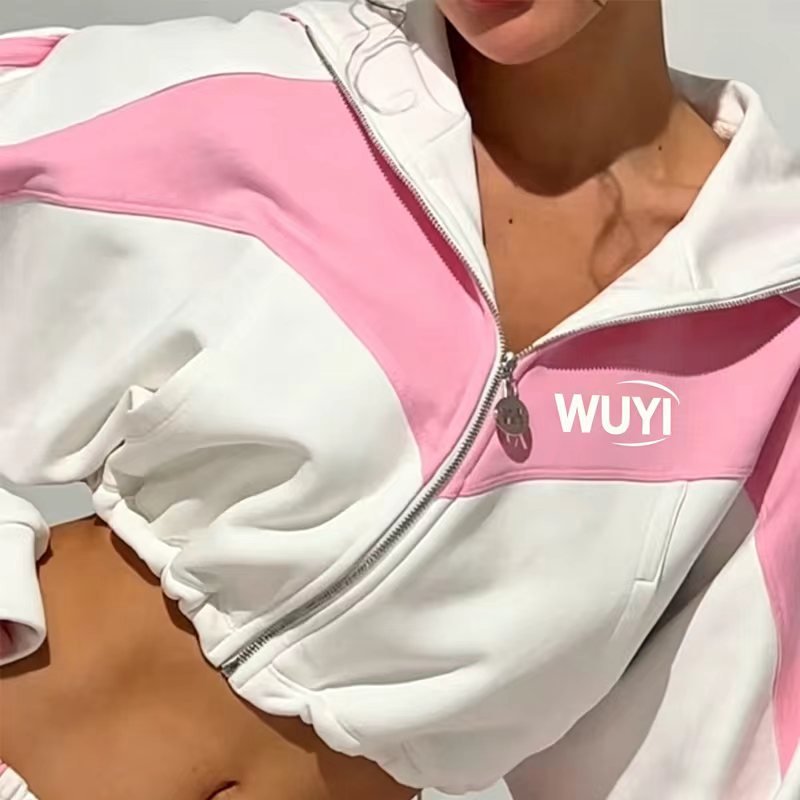
Matching Pet and Owner Hoodies: New Trend or Gimmick?

From Niche to Lifestyle
The numbers are striking. The global pet clothing market reached $6.05 billion in 2025. Additionally, it is projected to hit $10.34 billion by 2034, growing at 6.31% yearly.
Even more telling, the personalized and fashion pet apparel market alone is valued at $6.8 billion in 2026, with a projected yearly growth rate of 9.2%. This rate far outpaces the broader pet clothing market.
These figures reveal a fundamental shift. Matching pet-owner outfits are no longer just an Instagram moment. They have become a core consumer behavior driven by the pet humanization movement.
Why This Trend Is Exploding in 2026
1. Pets as Family, Not Property
In South Korea, low birth rates and rising single-person households have made companion animals daily comfort companions. As a result, consumers now prioritize “no-regret” premium products. This trend has driven sales of $780 Moncler vests and $210 Ralph Lauren sweatshirts.
In the U.S., over 66% of households own a pet, with dogs leading the pack. Dr. Laura Simmons, a canine behavior researcher, explains: “Matching outfits act as a non-verbal signal: ‘We belong together.’ That kind of close bond expression strengthens attachment and can even improve perceived well-being in both humans and pets.”
2. Social Media Amplification
#PetFashion has over 4 million posts on Instagram. Furthermore, a USC study found that posts featuring humans and pets in matching attire received 35% more likes and shares than standard pet photos.
3. The “Bias Economy” Extends to Pets
Chinese luxury brand Landau launched a “buy adult wear, get matching pet outfit” promotion during its Shanghai Fashion Week debut. Adult pieces cost between $280 and $700. The pet version was just $40. The result? The pet items became the true bestsellers.
The Design Difference: Dog vs. Human Hoodies
To understand the trend, you must first recognize that a dog hoodie is not simply a scaled-down human hoodie. Professional design must account for animal anatomy and safety. See the breakdown below:
| Feature | Human Hoodie | Dog Hoodie |
|---|---|---|
| Fit & Cut | Standard sleeves, torso coverage | Sleeveless, open underbelly, harness-compatible openings |
| Neck Design | Pull-over or zip-up | Snug but non-restrictive, Velcro or snap closures |
| Material | Cotton, fleece, polyester | Breathable fabrics (cotton or bamboo), moisture-wicking |
| Mobility | Upright posture | Full range for running, sitting, lying down |
| Safety Features | None typically | Reflective strips, leash ports, chew-resistant stitching |
The Controversy: Self-Expression or Animal Welfare Concern?
The Opposing View
A 2022 AVMA survey found that 23% of dogs showed signs of discomfort when dressed. These signs included panting, hiding, and attempting to remove garments. Yet 68% of owners admitted they dressed their pets primarily for photos.
Dr. Rebecca Alvarez, DVM and animal behavior consultant, warns: “Pets are not mannequins. When clothing choices prioritize aesthetics over comfort or safety, we start down a slippery slope where the animal‘s needs take a backseat to social media validation.”
The Balanced View
In contrast, industry experts recommend a practical framework for responsible pet dressing:
| Do ✅ | Don’t ❌ |
|---|---|
| Choose breathable, loose and comfortable fabrics | Use tight collars or zippers near sensitive areas |
| Limit wear to short outings or photos | Leave clothing on unattended pets overnight |
| Observe your pet‘s body language | Force a pet to wear something they resist |
| Use matching as occasional fun, not daily routine | Treat your pet as a fashion accessory |
What‘s Next in 2026?
1. Functional Innovation
Pet clothing is moving beyond aesthetics. Key R&D directions include mite-resistant fabrics, temperature-regulating materials, and hair-repellent textiles.
2. AI-Powered Sizing
Pet sizing is far less standardized than human sizing. Even with over 20细分 sizing options, coverage remains insufficient. Therefore, AI is now being deployed to solve this sizing challenge.
3. Luxury Wider Popular Use
Moncler, Ralph Lauren, and other luxury brands report sell-outs of high-priced pet products. This proves a high-spending consumer base is eager for shared brand experiences.
4. Personalization Through Embroidery
Furthermore, embroidery digitizing allows owners to add pet names, portraits, and even wearable health data visualizations. For example, a dog’s step count can be transformed into abstract stitch patterns on matching hoodies.
The Verdict
| Dimension | Assessment |
|---|---|
| Commercial viability | ✅ 9.2% yearly growth rate, $6.8B market, sustained brand investment |
| Cultural significance | ✅ Structural outcome of pet humanization, not short-term hype |
| Animal welfare | ⚠️ Requires caution; pet comfort must come before aesthetics |
Matching pet-owner hoodies are not a passing gimmick. They are a direct consumer manifestation of the pet humanization trend. As younger generations continue treating pets as family, demand for shared identity markers will only grow. However, the industry‘s healthy development depends on balancing aesthetics with animal welfare — putting pet comfort at the center of design.
More Articles from WUYI Apparel
Want to learn more about styling essentials hoodies or other apparel tips? Check out some of our other helpful articles:
- Wearing Black to a Wedding: A Modern Etiquette Guide
- Rainwear Jackets: The Perfect Fusion of Fashion and Function
- How To Measure Clothes
- Casual clothing – Casual and elegant through everyday life
- How to Find Your Style:An in-depth exploration of one’s own clothing style
For more tips and tricks on fashion and lifestyle, don’t forget to visit our Blog Section.
Head over to our Shop Page to browse our full collection and pick your favorite essentials hoo