Welcome to customize all kinds of clothing

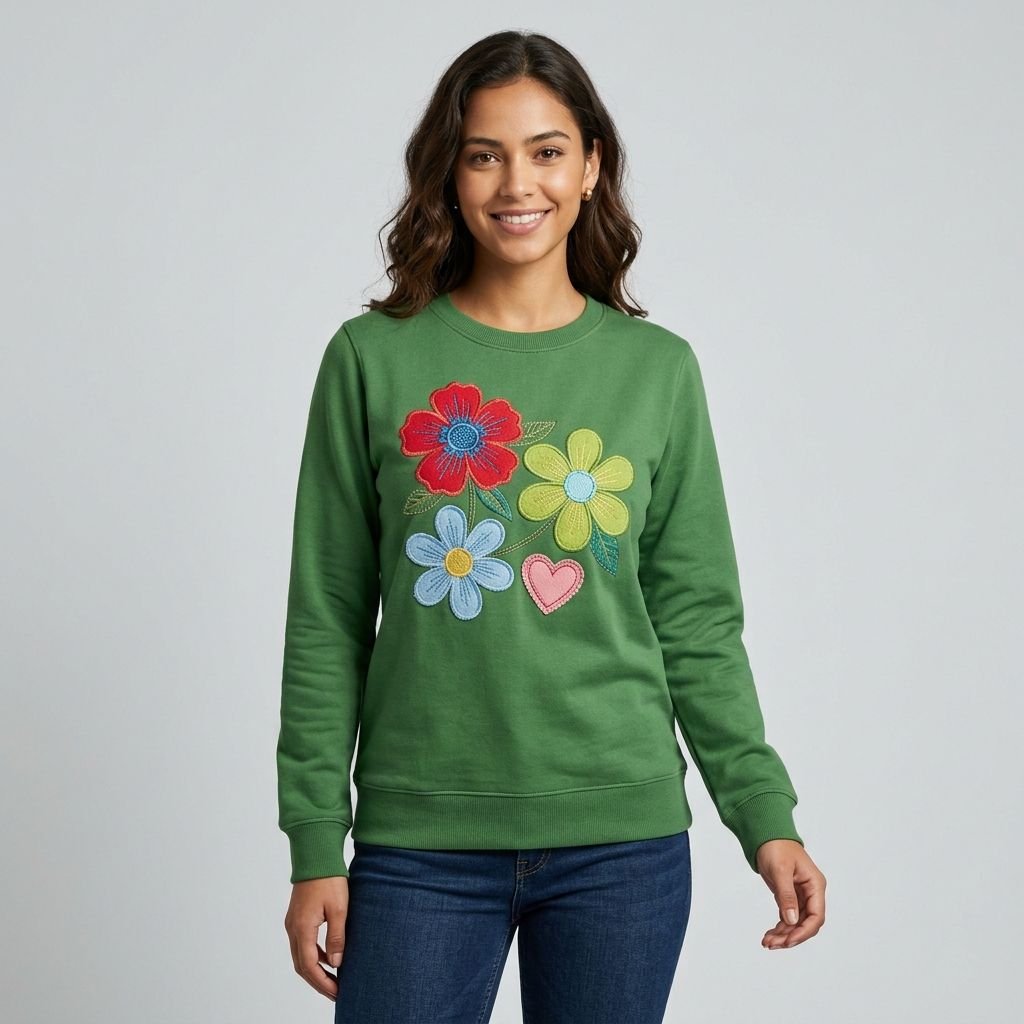
Is the Hoodie the Defining Garment of the 2020s?

A decade ago, the hoodie was the opposite of defining. It was what you wore to be comfortable, invisible, and unremarkable. Today, it sits on fashion runways, headlines museum exhibitions, and has become the uniform of pop stars, tech billionaires, and schoolchildren alike.
The answer is yes. The hoodie is arguably the defining garment of the 2020s—not because it is new, but because it has become the perfect symbol of the decade’s values: comfort, versatility, identity, and quiet defiance. No other garment bridges the gap between luxury and loungewear, protest and performance, quite like the hoodie.
Part 1: The Hoodie’s Journey—From Utility to Ubiquity
To understand why the hoodie defines this decade, you have to see where it came from.
The Origins: Workwear and Sportswear
The modern hoodie was created in the 1930s by Knickerbocker Knitting Mills, an American company that later evolved into Champion. It was designed for workers in freezing warehouses—purely functional, not fashionable. Athletes soon adopted it for post-training warmth, and by the mid-20th century, it was standard-issue for college sports teams.
The Counterculture Shift
The 1970s and 1980s changed everything. Hoodies were adopted by MCs, graffiti artists, and b-boys, becoming the de facto uniform of disenfranchised youth at the margins of society. Hip-hop culture cemented the hoodie’s DNA, while movies like Rocky put the classic grey version front and center as a symbol of grit and determination.
By the 1990s, the hoodie had become “an indelible part of the sartorial psyche,” appearing not just on the streets but on fashion runways in Milan, Paris, London, and New York. Brands like Ralph Lauren, Tommy Hilfiger, and Gap embraced it, while streetwear upstarts like Supreme and BAPE brought their own twists.
The 2020s: The Hoodie as Cultural Currency
In the 2020s, the hoodie has completed its journey. It is no longer just a garment—it is a canvas for identity, protest, and status. The Museum of Design Atlanta (MODA) recently mounted an exhibition exploring the hoodie’s layered history, from its ties to Southern hip-hop to its role in conversations about race and representation. Co-curator Regina Bradley wanted visitors to consider “not only how a garment has manifested in popular culture, but also how it’s been politicized and moved around.”
Part 2: Why the Hoodie Defines the 2020s
The hoodie’s defining status rests on four pillars: versatility, status signaling, cultural resonance, and comfort-as-luxury.
Versatility—The Garment That Does Everything
Few garments move as effortlessly across contexts as the hoodie. It can be styled up or down depending on what surrounds it—throw a well-fitted hoodie under a blazer and it feels considered; wear it with jeans and trainers and it is effortlessly casual.
Fashion houses have taken the basic template and run with it, adding cashmere, velvet, sequins, and embroidery. Luxury hoodies now exist alongside their cotton counterparts. As one fashion analysis notes, even in its luxury form, “the hoodie retains its essential character. It is still relaxed, still informal at its core.”
Status Signaling—From Logos to Taste
The 2020s have redefined what status means in fashion. In the 2000s, status was about logos—loud, visible branding that announced wealth. Today, status is about taste, belonging, and values.
For Gen Z, wearing an expensive hoodie is increasingly about signaling taste and community, not just wealth. The Fear of God Essentials hoodie has become the quintessential example—heavyweight fleece, dropped shoulders, minimal branding, and a tiny rubberized wordmark that “whispers status instead of shouting it.”
The Gap hoodie revival is another powerful example. TikTok-fueled demand for the original Gap logo hoodie sparked a broader trend, with streetwear brands like Stüssy and Carhartt WIP producing their own homages. As one analysis put it, “kids are unironically wearing hoodies stitched with three capital letters all over the place.”
The Pop Star Hoodie Moment
In 2025, the hoodie had an unexpected pop star moment. Lorde, Charli XCX, FKA Twigs, and Rosalía have all traded corsets and bodysuits for hoodies on stage.
Unlike typical concert attire, which requires months of planning, the hoodie is low-key and relatable. For Lorde’s Ultrasound Tour, hoodies became a signature part of her stage identity, creating intimacy between performer and audience that sequins could never achieve. As InStyle noted, the hoodie is “presence, autonomy, and intimacy”—exactly what connects us all.
Comfort as a Modern Luxury
The pandemic permanently shifted how people think about clothing. Comfort is no longer a compromise—it is a priority. The hoodie has become the symbol of this shift.
As one analysis puts it, “the hoodie and sweatpants set is far more than a passing trend. It’s a testament to how fashion can meet function, how comfort can empower, and how simplicity can be deeply meaningful.” People travel more frequently, work remotely, and spend long hours moving between activities. Clothing that restricts movement no longer fits these lifestyles. Soft fabrics and breathable materials have become essential qualities for everyday garments.
Consumer Segment Differences
For Gen Z (12-27), the hoodie is primarily a signal of taste, values, and community belonging. It says, “I understand the culture, I value quality over quantity, and I am part of a community that shares my values.” Brands like Essentials and Sporty & Rich resonate deeply.
For remote workers (25-45), the hoodie represents the shift to hybrid work. It is the uniform of video calls, home offices, and flexible schedules. Comfort is the priority—a hoodie is professional enough for a Zoom meeting but comfortable enough for all-day wear.
For high-net-worth individuals, the hoodie signals insider knowledge. A cashmere hoodie from Loro Piana or Brunello Cucinelli is not about the logo—it is about understanding materials, craftsmanship, and the quiet language of luxury.
Part 3: How the Hoodie Compares to Other Defining Garments
Every decade has its defining garment. The 1920s had the flapper dress. The 1950s had the poodle skirt. The 1980s had the power suit. The 1990s had the grunge flannel.
The 2020s has the hoodie.
| Decade | Defining Garment | Core Values |
|---|---|---|
| 1920s | Flapper dress | Liberation, rebellion |
| 1950s | Poodle skirt | Conformity, consumerism |
| 1980s | Power suit | Ambition, status |
| 1990s | Grunge flannel | Authenticity, anti-fashion |
| 2020s | Hoodie | Comfort, versatility, identity |
What sets the hoodie apart is its range. No other garment can be worn by a billionaire, a protestor, a pop star, a student, and a construction worker—all in the same day—and look appropriate in each context.
Part 4: Frequently Asked Questions
What makes the hoodie the defining garment of the 2020s?
The hoodie defines the 2020s because it embodies the decade’s core values: comfort, versatility, identity, and quiet defiance. It bridges high fashion and everyday wear, luxury and loungewear, protest and performance. No other garment does this so seamlessly.
Why is the hoodie so versatile?
The hoodie works because it can be styled up or down depending on the context. Pair it with a blazer and tailored trousers and it feels considered; wear it with jeans and trainers and it is casual. The garment itself barely changes—the context does all the work.
Are hoodies still popular in 2026?
Yes. The hoodie has become a wardrobe staple for people of all ages and backgrounds, described as an “icon of contemporary style in the same vein as blue jeans or white tees.” The Gap logo hoodie revival and the pop star hoodie moment are proof of its enduring relevance.
How did hoodies become luxury items?
Luxury fashion houses like Balenciaga, Gucci, and Louis Vuitton started incorporating hoodies into their seasonal collections, adding premium materials like cashmere, velvet, and embroidery. The hoodie retains its essential character—relaxed and informal—but the materials and price tag elevate it.
What is the Gap hoodie revival?
The Gap logo hoodie, originally launched for kids in 1995, became a back-to-school staple before falling out of fashion. TikTok-fueled demand brought it back, with vintage versions selling for up to $300 on resale sites. Gap has posted four consecutive quarters of sales growth, and the hoodie helped drive that momentum.
Why are pop stars wearing hoodies on stage?
Pop stars like Lorde, Charli XCX, and FKA Twigs are trading corsets for hoodies because the garment creates intimacy and relatability. Unlike elaborate stage costumes, a hoodie signals autonomy and presence, connecting the artist to the audience in a way that sequins cannot.
What role does the hoodie play in self-expression?
The hoodie serves as a canvas for personal expression—through graphics, logos, embroidery, and customisation. It allows wearers to showcase their interests, affiliations, and identity while remaining comfortable and approachable.
Is the hoodie here to stay?
Yes. The hoodie’s ability to adapt across seasons, contexts, and price points makes it a permanent wardrobe staple. According to fashion analysts, “well-made essentials remain useful for years,” and the hoodie has proven its staying power.
How do different groups wear the hoodie in 2026?
Gen Z wears it as a signal of taste and community. Remote workers wear it as the uniform of hybrid work. High-net-worth individuals wear it as a signal of insider knowledge. The same garment communicates different things to different people—which is exactly what makes it defining.
The Bottom Line
So, is the hoodie the defining garment of the 2020s?
The answer is yes. The hoodie has become the decade’s most versatile, culturally resonant, and widely adopted garment. It is worn by billionaires and protestors, pop stars and schoolchildren, athletes and artists. It bridges luxury and loungewear, comfort and status, individuality and belonging.
What makes the hoodie definitive is not its novelty—it has been around for nearly a century. What makes it definitive is its timing. In a decade defined by remote work, political unrest, a pandemic, and a generation redefining what status means, the hoodie has become the perfect symbol: comfortable, adaptable, and quietly defiant.
For Gen Z, it signals taste and community. For remote workers, it signals the shift to hybrid life. For high-net-worth individuals, it signals insider knowledge. The same garment tells different stories to different people, which is precisely why it defines the era.
As one fashion observer put it, “a hoodie instantly softens the space, creating a moment where everything feels a little less manufactured.” And in a decade that feels increasingly manufactured, that might be exactly what we need.
More Articles from WUYI Apparel
Want to learn more about styling essentials hoodies or other apparel tips? Check out some of our other helpful articles:
- Wearing Black to a Wedding: A Modern Etiquette Guide
- Rainwear Jackets: The Perfect Fusion of Fashion and Function
- How To Measure Clothes
- Casual clothing – Casual and elegant through everyday life
- How to Find Your Style:An in-depth exploration of one’s own clothing style
For more tips and tricks on fashion and lifestyle, don’t forget to visit our Blog Section.
Head over to our Shop Page to browse our full collection and pick your favorite essentials hoodie