Welcome to customize all kinds of clothing

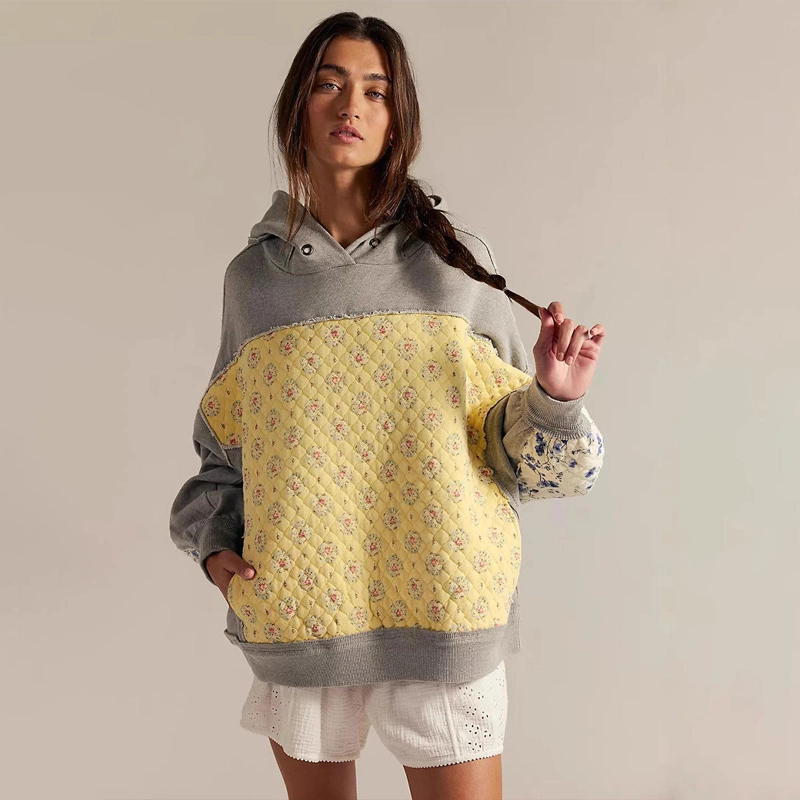
How Sporty & Rich and Aviator Nation Give Hoodies a Luxury Edge Through “Wellness” Branding

You see the hoodies everywhere. Creamy oversized fleece, retro typography, subtle logos. They look like vintage gym wear. They cost $200. And people are buying them not just for the fabric, but for what they represent.
Brands like Sporty & Rich and Aviator Nation have mastered a specific formula: they are not selling hoodies. They are selling a lifestyle. And the lifestyle they sell is wellness.
Let me break down exactly how these brands use wellness branding to turn a basic hoodie into a luxury status symbol.
Part 1: The New Definition of “Luxury” – From Logos to Lifestyle
In the 2000s, luxury meant logos. Abercrombie & Fitch traded in sculpted bodies and sex appeal. Today’s wellness brands have replaced that fantasy with a different dream.
From Sex Appeal to Self-Care
If Abercrombie & Fitch once represented the “cool kids” of the early 2000s, today’s wellness brands represent the “balanced kids”: the generation that meditates, works out, cares about mental health, and wants their clothes to reflect those values. Sporty & Rich and Aviator Nation are selling a dream: a green juice after Pilates, a vintage convertible parked beneath palm trees, a life that feels balanced—and, perhaps, even more luxurious.
Signaling Taste, Not Wealth
The key insight is that these hoodies are not about broadcasting wealth. They are about signaling taste, awareness, and a particular set of habits. Wearing a hoodie that references health, mindfulness, or vintage sports culture signals intentional self-care. In this sense, fashion has evolved into a form of personal branding.
Sporty & Rich’s Wellness Hoodie, for example, features the word “Wellness” printed across the front. It is a testament to the brand’s athletic prestige and keeps well-being at the center of your lifestyle. Aviator Nation’s motto, “Live. Love. Fly.,” blares at its boutiques from Malibu to Aspen.
Part 2: The Wellness Aesthetic – Visual and Physical
The wellness branding is not just messaging. It is woven into every aspect of the product.
The Look: Retro, Calm, Intentional
The brands have mastered a specific TikTok aesthetic: minimalist typography, retro athletic references, soft pastel color palettes. The overall mood feels like an “old money meets yoga retreat” fantasy. Sporty & Rich uses classic varsity typography and a small logo for a collegiate feel, while Aviator Nation’s rainbow stripes and surf graphics evoke a 1970s California.
For a generation overwhelmed by digital noise, these brands have positioned themselves as a physical antidote. Their branding feels calm and controlled. That sense of serenity has become incredibly attractive.
The Feel: Quality That Feels Like Self-Care
Flooded with ads for cheap fast fashion, young consumers are rediscovering the value of well-made garments. Aviator Nation pummels its cotton to “optimum softness” and uses single-needle stitch construction, and Sporty & Rich uses exquisitely soft cotton for all-day wear. For Gen Z, quality is about comfort while also reflecting a sense of responsibility, sustainability, and long-term value.
The pricing reinforces this. Sporty & Rich hoodies edge towards €200, and Aviator Nation’s signature sweats cost about $180. This price tag is seen as a signal of better materials, ethical production, and limited availability. A hoodie that retains its shape after dozens of washes feels like a considered investment, not a disposable purchase.
Branding vs. Product: Visual and Physical Specs
| Aspect | Sporty & Rich | Aviator Nation |
|---|---|---|
| Price | Approx. £119-£165 / €200 | Approx. $150-$500 |
| Aesthetic | Retro, collegiate, minimalist, “varsity” typography | Retro 70s surf, rainbow stripes, “Live. Love. Fly.” motto |
| Fabric | Exquisitely soft cotton | Tri-blend fabric, pummeled to optimum softness |
| Construction | High-quality craftsmanship | Single-needle stitch, handmade in LA |
| Target Consumer | Urban wellness, minimalist, Pilates/yoga crowd | California surf, outdoor lifestyle, festival-goers |
Target Consumer Segmentation
Sporty & Rich attracts a more urban, minimalist consumer. Think Pilates studios, clean girl aesthetic, and a focus on mental wellness. The brand’s color palette is muted and calming—creamy whites, soft greys, and earthy tones. The consumer is often someone who values quiet luxury and intentional living.
Aviator Nation draws a more sun-soaked, outdoor-oriented crowd. The brand’s colorful rainbow stripes, surf graphics, and festival-friendly silhouettes appeal to consumers who want their clothing to feel like a lifestyle statement that says “I live in California, I surf, and I embrace an active, outdoorsy life.” The consumer is often someone who wants their wellness branding to be as visible as their commitment to adventure.
Positioning Differences Table
| Positioning Factor | Sporty & Rich | Aviator Nation |
|---|---|---|
| Core Lifestyle | Urban wellness, balance, calm | Outdoor activity, surf, festival |
| Visual Identity | Muted, minimalist, collegiate | Colorful, retro, vibrant |
| Consumer Profile | Health-conscious, minimalist, modern | Active, adventure-seeking, nostalgic |
Part 3: Building a Community, Not Just a Customer Base
These brands don’t just sell clothes. They build relationships. The goal is no longer to appear elite, but to feel connected.
From Exclusivity to Belonging
Today’s successful brands allow their customers to feel like active participants in a shared culture—one that includes fitness routines, travel, and experiences that nourish both mind and body. Social media platforms turn ordinary consumers into brand ambassadors who promote products through everyday content, integrating them into their routines as authentically as possible. Aviator Nation, for example, has been spotted on Jared Leto, Kate Hudson, Ben Affleck, and Selena Gomez, but also on thousands of ordinary customers who aspire to dress like them.
The Power of Nostalgia
Both brands draw heavily on vintage aesthetics, creating an emotional connection. Sporty & Rich’s design references 90s minimalism, while Aviator Nation’s founder, Paige Mycoskie, was inspired by 70s skater style. This blend of past and present feels familiar and comforting, even for those who never experienced these decades firsthand.
Founders as Brand Ambassadors
The founders themselves embody the brands. Emily Oberg, founder of Sporty & Rich, is a former media person and skateboarder whose personal image is the brand’s best content. Paige Mycoskie of Aviator Nation lives the lifestyle she sells, telling her audience: “I surf, snowboard, hike — I actually live the lifestyle that’s reflected in the patches.”
Authenticity as Currency
Paige Mycoskie emphasizes this authenticity: “What really makes us different is that it truly is an authentic brand… My life directly inspires the designs, and it’s always been that way.” This authenticity isn’t just marketing—it reflects the founders’ lived experiences and personal identities.
Brand Positioning Summary Table
| Brand Aspect | Sporty & Rich | Aviator Nation |
|---|---|---|
| Founder | Emily Oberg | Paige Mycoskie |
| Core Identity | Wellness, mindfulness, timeless design | California surf, vintage nostalgia |
| Key Mantra | Health is Wealth | Live. Love. Fly. |
| Community Building | Wellness Club, hotel residencies | Fitness studio, 19 retail locations |
| Celebrity Association | Emily Oberg’s personal brand | Jared Leto, Kate Hudson, Ben Affleck |
Part 4: Frequently Asked Questions
Why are these hoodies considered luxury if they don’t have big logos?
Because luxury is now about lifestyle and taste, not logos. These hoodies signal that you are part of a specific, health-conscious, culturally aware community. The high price acts as a gatekeeper, making the status more exclusive.
What is “wellness branding” in fashion?
It is the strategy of associating clothing with health, mindfulness, and a balanced lifestyle. Brands like Sporty & Rich and Aviator Nation don’t just sell clothes; they sell the idea of intentional self-care and belonging to a community that values those things.
Are these brands actually high quality, or is it just marketing?
According to trend analysts, these brands are capitalizing on a real shift toward quality. Consumers are tired of fast fashion falling apart and are willing to pay for thick cotton, precise stitching, and durability. The high price is partly justified by the quality of the materials and ethical production.
Where does the vintage aesthetic come from?
It’s a strategy to create nostalgia and emotional connection. Sporty & Rich draws from 90s minimalism, while Aviator Nation replicates 1970s California surf style. This retro feeling makes the clothes feel timeless and comforting.
How do these brands build a community?
They use social media to create a sense of belonging. Instead of just posting ads, they share a lifestyle. They also partner with like-minded brands and institutions to deepen their cultural footprint. Sporty & Rich has partnered with adidas and hotel residencies. Aviator Nation has collaborated with USC Trojans and operates fitness studios.
What is the difference between Sporty & Rich and Aviator Nation?
Sporty & Rich focuses on urban wellness, mindfulness, and minimalist design. It appeals to consumers who value quiet luxury and intentional living. Aviator Nation emphasizes California surf culture, outdoor activity, and nostalgic 70s aesthetics. It appeals to consumers who want their wellness branding to feel active and colorful.
Who is the target consumer for each brand?
Sporty & Rich targets urban, health-conscious, minimalist consumers—think Pilates, clean girl aesthetic, and muted tones. Aviator Nation targets an active, outdoor-oriented, festival-going crowd—think surfer, hiker, and “Live. Love. Fly.” lifestyle enthusiasts.
Do these brands use sustainable materials?
Yes, both brands emphasize quality materials and ethical production as part of their wellness branding. Aviator Nation uses single-needle stitch construction and handmade production in LA. Sporty & Rich uses exquisitely soft cotton and high-quality craftsmanship. The high price signals better materials and ethical production, though specifics vary by collection.
The Bottom Line
Sporty & Rich and Aviator Nation have successfully elevated the humble hoodie into a luxury item by selling a vision of health, balance, and curated taste. They have shifted the definition of luxury from showing off wealth to showing off well-being.
By combining premium materials with a powerful, aspirational brand story, they have convinced a generation that a $200 hoodie is not a purchase, but an investment in their identity. The wellness branding, retro aesthetics, and founder-driven authenticity create a powerful emotional connection that transcends the garment itself.
These brands have positioned themselves as the physical antidote to digital noise, offering calm, controlled, and intentional products that signal belonging to a health-conscious community. The hoodie is no longer just clothing—it is a statement of values.
More Articles from WUYI Apparel
Want to learn more about styling essentials hoodies or other apparel tips? Check out some of our other helpful articles:
- Wearing Black to a Wedding: A Modern Etiquette Guide
- Rainwear Jackets: The Perfect Fusion of Fashion and Function
- How To Measure Clothes
- Casual clothing – Casual and elegant through everyday life
- How to Find Your Style:An in-depth exploration of one’s own clothing style
For more tips and tricks on fashion and lifestyle, don’t forget to visit our Blog Section.
Head over to our Shop Page to browse our full collection and pick your favorite essentials hoodie