Welcome to customize all kinds of clothing

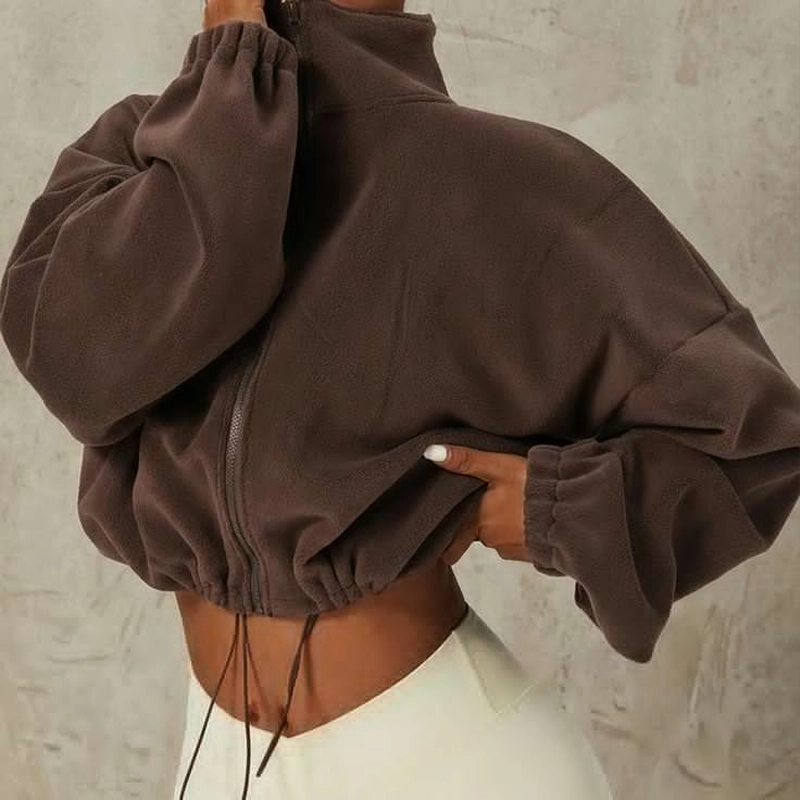
How Social Media Creates Viral Hoodie Hits

Introduction: The Hoodie That Launched a Thousand Clips
In late 2025, a 21-year-old from the Bronx posted a 15-second video. He was not a fashion influencer. He did not have a PR team. He simply declared that he was trading in his Nike Tech Fleece for a quarter-zip pullover.
Within weeks, that video had racked up over 23.9 million views. Google searches for “quarter zip pullover men‘s business casual” surged 2,250%. Retail data showed a 25% sales rise for quarter zips among 18- to 24-year-olds.
A boring preppy staple—something your dad might wear to a golf course—became the hottest item in streetwear.
This is how social media creates viral hoodie hits. Not through advertising budgets. Not through celebrity endorsements. Through algorithmic chaos, community obsession, and the right moment.
This guide breaks down exactly how hoodies go viral on social media. You will learn the playbook that has worked for brands like Pink Palm Puff, Hellstar, and Parke, and how you can spot and create the next viral hoodie hit.
Let us get into it.
Part 1: The TikTok Algorithm — How Hoodies Get Discovered
TikTok has fundamentally changed how fashion trends emerge. Before TikTok, trends started on runways or in magazines. Now, they start on For You Pages.
1.1 The Discovery Engine
TikTok’s algorithm is uniquely suited to make niche products go viral. Unlike Instagram, which prioritizes content from accounts you already follow, TikTok pushes content based on engagement signals. A single video from a creator with 500 followers can reach millions if the algorithm decides it is interesting.
This is how Julia Huynh, a 24-year-old from San Jose, became the internet’s unofficial “Hoodie Princess.” In October 2023, she posted a video describing her ideal hoodie—the perfect weight, the perfect oversized fit—and coined “hoodie” as a verb. A hoodie that “hoodies” was one that felt just right.
Her followers were hooked. Over the course of a month, she reviewed dozens of hoodies in a 23-part series. The series collectively gained 42.2 million views.
No paid ads. No production team. Just one person talking about hoodies.
1.2 The Visual Hook
Hoodies are visual products. The drape, the weight, the way the fabric falls—these are things you can see in a 15-second clip. TikTok’s short-form video format is perfect for showing:
- The “drop test” (how the hoodie falls when you let it go)
- The sleeve length and cuff fit
- The hood structure (does it collapse or stay up?)
- The fabric texture and weight
Viral hoodie videos almost always include these visual hooks. They are not just talking about the hoodie. They are showing you exactly why it works.
1.3 The Audio Hook
Many viral hoodie trends are tied to specific sounds or songs. The quarter-zip trend used a specific audio track that creators remixed and reused. When enough creators use the same sound, the algorithm connects them into a trend.
For example, the Hellstar Hoodie gained traction on TikTok through fashion challenges where users showcased how they styled their hoodies. These videos often went viral, attracting thousands of likes and comments.
The key insight: TikTok trends are not random. They are algorithmic patterns. Understand the pattern, and you can predict the trend.
Part 2: The Creator-Led Model — Selling Connection, Not Fabric
The most successful viral hoodie brands do not spend money on advertising. They spend time building connection.
2.1 The Pink Palm Puff Blueprint
Pink Palm Puff is the ultimate case study in creator-led virality. Founded in 2023 by then-15-year-old Lily Balaisis, the brand became a tween sensation with no paid ads. It has amassed over 558,000 Instagram followers, 854,000 TikTok followers, and 687,000 YouTube subscribers.
How? Lily is the influencer. She did not hire celebrities to wear her hoodies. She used her TikTok account to talk to her audience, show off products, and share behind-the-scenes content.
Her key content patterns:
- Packaging vlogs
- Giveaways
- Product promos
- Behind-the-scenes clips
- Community reactions
- Meme-based photo series
This “parasocial strategy” built incredible trust. Followers did not just want the hoodie—they wanted to support her. That emotional investment drove thousands of purchases, many made without hesitation.
2.2 The Gap x Julia Huynh Collaboration
When Gap wanted to create a viral hoodie, they did not hire a celebrity. They DM’d Julia Huynh on TikTok.
“When I received that DM on TikTok from Gap, it felt like an organic fit,” Huynh told Complex. “I’ve had brands reach out to me about making my own hoodie but it never clicked for me like it did for Gap. If it’s not a ‘hell, yeah,’ it’s a no to me.”
The result was the Extra Heavyweight Hoodie That Hoodies—a 650GSM cotton hoodie with a wide, boxy fit and an oversized hood. It sold out quickly. The collaboration was Gap’s first creator-led collab, and it validated a new model: let the person who knows hoodies best design one.
2.3 The Parke Flywheel
Parke, the brand known for its arched logo sweatshirts, skyrocketed from 100,000to100,000to16 million in sales in three and a half years—without spending any money on advertising.
The growth engine was community. Founder Chelsea Parke Goles built a sense of belonging around the brand. When she announced a limited-edition collaboration with Target featuring 60 pieces (most under $40), it was not a desperation move. It was a strategic expansion of a community that already existed.
The key insight: Viral hoodie brands do not sell fabric. They sell identity. People buy the hoodie because they want to be part of something—a community, a movement, a moment.
Part 3: The Scarcity Strategy — Small Drops, Big Hype
Scarcity is not about tricking people. It is about pacing growth.
3.1 Limited Drops as Events
Pink Palm Puff never tried to scale too quickly. Drops were small and intentionally infrequent, with teaser content released in advance. In Lily‘s video content, you can see the buildup: the teaser, the sneak peek, and then the reveal.
This strategy echoes streetwear’s drop culture but with more softness and less clout-chasing. Each post was accompanied by community validation—comments and duets from fans sharing their excitement and frustration around missing previous drops or getting lucky.
Hellstar uses the same strategy. By releasing small quantities of hoodies at specific times, the brand creates urgency. Countdown posts on Instagram and Twitter build anticipation. When the drop sells out, fans post photos of their purchases, fueling envy and excitement for the next release.
3.2 The Emotional Hook
Scarcity works because it taps into loss aversion. People feel the pain of missing out more intensely than the pleasure of acquiring. When a hoodie is only available for 48 hours, the decision to buy becomes easier—not harder. The fear of regret overrides the hesitation.
This is why Julia Huynh’s Gap hoodie sold out. It was not just a hoodie. It was the hoodie that the Hoodie Princess herself designed. Owning it meant you were part of the hunt.
The key insight: Scarcity is not about limiting supply. It is about creating meaning. A scarce hoodie is more desirable because it is harder to get.
Part 4: The Unexpected Virality — When the Algorithm Chooses You
Not all viral hoodie moments are planned. Sometimes, the algorithm chooses you.
4.1 The Origin x Maduro Moment
In early 2026, a U.S. clothing brand called Origin unexpectedly saw its product spotlighted on the global stage. While handcuffed and in the custody of federal law enforcement officials, Nicolas Maduro, the ousted leader of Venezuela, was photographed wearing a light blue logo sweatshirt made by Origin.
Founder Pete Roberts had a choice: ignore it, distance himself from it, or lean into it. He chose to lean into it.
Origin started sharing images of Maduro in its “patriot blue” hoodie across social media. The tongue-in-cheek posts, which steered clear of any politics, went viral. A pre-order link racked up more than 63,000 likes, 15,000 shares, and 1,400 comments on Instagram and 31,000 likes on X. The bootstrapped company’s sales surged by 300 percent in one day.
“Don’t be scared of these moments. Find your leverage,” Roberts told Inc. “This isn‘t profiteering. It is, wow, we’re going to be able to get our message out, and probably a billion people will see this guy in this shirt with our logo. You can’t pay for that type of earned PR.”
4.2 The Quarter-Zip Surprise
The quarter-zip trend was not planned by any brand. It started with a single TikTok from Jason Gyamfi, a 21-year-old from the Bronx. He simply declared that he was trading in his Tech Fleece hoodie for a quarter-zip.
“When I realized that [quarter zips] were turning into a movement, the feeling was indescribable. Seeing your influence in real time is something I hope everybody in this world can experience,” Gyamfi told Complex.
Within weeks, the trend spread beyond social media. Young crowds swapped out their hoodies for quarter zips in cities across the country. Tommy Hilfiger commented on Instagram to proclaim that this was their era. T-Pain flexed a Louis Vuitton quarter zip.
The key insight: Viral moments cannot always be manufactured. But they can be leveraged. The brands that win are the ones that recognize a trend when it appears and move quickly to capitalize on it.
Part 5: The Role of User-Generated Content (UGC)
Viral hoodie hits do not rely on brand-generated content alone. They rely on fans creating content for them.
5.1 Unboxings as Marketing
When you buy a Hellstar Hoodie from a limited drop, you are likely to film an unboxing video. The thrill of securing a rare piece drives creators to share their excitement in real-time. These unboxings attract thousands of views and comments, serving as free advertising for the brand.
Pink Palm Puff encourages this by making packaging part of the experience. Dust bags and handwritten notes become content. Fans tag the brand in their unboxing videos, with many getting placement on their website (Unboxing Moments).
5.2 Hashtag Campaigns
Hellstar encourages fans to use branded hashtags like #HellstarStyle, #HellstarDrop, and #StreetwearIcons. This makes it easy for others to discover content related to the hoodie. When the brand posts a limited drop, fans flock to social media to share their excitement (or frustration) as they try to secure a hoodie.
Parke’s growth was driven by a “sense of community”—fans posting their logo crewnecks, tagging friends, and creating a flywheel of organic visibility.
5.3 The Authenticity Advantage
User-generated content works because it is authentic. A brand telling you to buy a hoodie is advertising. A fan telling you they love their hoodie is a recommendation. The latter is infinitely more trustworthy.
The key insight: The best marketing is not marketing. It is fans doing marketing for you, because they want to be part of the story.
Part 6: The Product Itself — What Makes a Hoodie “Hoodie”
All the marketing in the world will not save a bad product. Viral hoodie hits start with hoodies that people genuinely want to wear.
6.1 The Julia Huynh Spec Sheet
When Julia Huynh designed her Gap hoodie, she had a specific vision. She told Complex what makes a hoodie “hoodie”:
- “A very thick material that’s soft and structured, but not rigid”
- “A spacious hood”
- “Drop shoulder or a raglan sleeve”
- “A kangaroo pocket”
- “A wide boxy fit–reminiscent of vintage hoodies”
The final product was made from 650GSM cotton, the heaviest fabric blend of all of Gap‘s similar offerings. The fit is wide and boxy, slightly cropped, and sports an oversized hood with no drawstring.
6.2 The Pink Palm Puff Aesthetic
Pink Palm Puff stands out because of its pastel aesthetic. In a streetwear world dominated by black, grey, and earth tones, the brand’s soft pinks and purples created immediate visual distinction.
Lily never chased unrelated trends. No Y2K graphics. No AI designs. Consistency allowed her to grow while staying deeply recognizable—a vital lesson for anyone trying to build a brand that feels like its own universe.
6.3 The Hellstar Edge
Hellstar Hoodies are known for their bold designs, cultural significance, and limited-edition appeal. The brand’s aesthetic is aggressive and edgy—the opposite of Pink Palm Puff. But both brands share one thing: a clear, consistent visual identity.
The key insight: You cannot be everything to everyone. Viral hoodie brands pick a lane and stay in it. Their audience knows exactly what to expect.
Part 7: The Counterfeit Challenge — Success Brings Copycats
When a hoodie goes viral, counterfeiters follow.
7.1 The Pink Palm Puff Problem
With fame came imitation. Pink Palm Puff hoodies were quickly copied on Amazon and other marketplaces, some using stolen images. In response, Lily began watermarking photos and addressing counterfeiters in her videos. She even called out scammers by name in some TikToks.
This transparency, paradoxically, strengthened fan loyalty. Her fans did not just want the design—they wanted the real thing from the real girl who made it. They continued purchasing online and lining up for pop-up events and store openings.
7.2 The Trust Moat
“That kind of brand moat isn‘t built through marketing; it’s built through trust,” the Dreamship analysis notes.
When you build a brand around a real person—not a logo, not a corporate entity—counterfeiters cannot copy that. They can copy the design. They cannot copy the connection.
The key insight: The only defense against counterfeits is authenticity. If your brand is genuinely connected to a creator or a community, your fans will seek out the real thing, not the cheap copy.
Part 8: The Algorithm Experiment — What Actually Drives Views
In 2025, content creator Zara Dar ran an experiment that exposed an uncomfortable truth about social media algorithms.
8.1 The Tank-Top Effect
Dar made two versions of the same short video. In one, she wore a black hoodie. In the other, she wore a tank top with shorts. She uploaded both versions to Instagram, X, and YouTube, then compared the results.
The results were striking:
- On Instagram, the tank-top version got 30,500 views compared to 23,700 for the hoodie video—a 28% increase
- On X, the difference was even larger: the tank-top video pulled 9,000 views, more than double the 4,400 views of the hoodie version
YouTube Shorts, however, played by different rules. The hoodie video performed slightly better: 6,800 views compared to 6,200 for the tank-top version.
8.2 The Algorithmic Takeaway
The experiment showed that different platforms reward different types of content. Instagram and X favor bold, eye-catching visuals. YouTube’s algorithm is more nuanced, rewarding different engagement signals.
For hoodie brands, this means tailoring content to each platform. A hoodie that performs well on TikTok (fit checks, drop teases) might need a different presentation on Instagram (high-quality stills, lifestyle shots) and YouTube (long-form reviews, behind-the-scenes).
The key insight: There is no single viral formula. You have to understand each platform‘s unique algorithm and optimize accordingly.
Part 9: The Future — What Makes the Next Viral Hoodie?
Based on the patterns above, here is what to look for in the next viral hoodie hit.
9.1 Key Success Factors
| Factor | Why It Matters |
|---|---|
| Creator-led authenticity | Fans trust real people more than brands |
| Strong visual identity | Hoodies need to look good in 15-second clips |
| Scarcity strategy | Limited drops create urgency and desire |
| Community engagement | Fans become marketers when they feel part of something |
| Quality product | The hoodie has to actually be good |
| Algorithm literacy | Understanding how each platform distributes content |
| Quick response to trends | Viral moments require fast execution |
9.2 The Sustainable Shift
In 2026, sustainability is becoming a baseline expectation. The new fashion trend is “Tech-Integrated Sustainable Streetwear”—combining eco-friendly fabrics, smart clothing technology, oversized aesthetics, and minimal designs.
Brands that can tell a compelling sustainability story alongside their viral marketing will have an edge.
9.3 The Oversized Silhouette
The oversized hoodie is not going away. In fact, it is becoming even more dominant. Designers are experimenting with cropped and exaggerated proportions, while heavyweight fabrics (400+ GSM) remain in high demand.
The hoodie that goes viral in 2026 will likely be oversized, heavyweight, and made from sustainable materials. But more importantly, it will have a story—a creator behind it, a community around it, and a scarcity that makes it feel special.
The key insight: The formula is not secret. It is just hard to execute. Authenticity cannot be faked. Community cannot be bought. Scarcity cannot be manufactured without genuine demand.
Part 10: FAQs — Your Quick Questions Answered
Q1: How do hoodies go viral on TikTok?
Through a combination of the right visual hook (drop test, fit check), the right audio hook (trending sound), and the right creator (authentic, relatable). The algorithm amplifies content that gets high engagement early.
Q2: Do I need a big budget to create a viral hoodie?
No. Pink Palm Puff grew to over 558,000 Instagram followers with no paid ads. Parke went from 100,000to16 million without advertising. The key is creator-led authenticity, not budget.
Q3: What makes a hoodie “hoodie” according to Julia Huynh?
Thick, soft but structured material, spacious hood, drop shoulder or raglan sleeve, kangaroo pocket, and a wide boxy fit. Her Gap collaboration used 650GSM cotton—the heaviest in Gap’s lineup.
Q4: Why do limited drops work?
Scarcity creates urgency. When a hoodie is only available for a short time, the fear of missing out overrides hesitation. Limited drops also make each release feel like an event, not just a product launch.
Q5: What is the “quarter-zip” trend and why did it go viral?
A single TikTok from Jason Gyamfi declaring he was trading Tech Fleece for quarter-zips racked up 23.9 million views. The trend grew organically as young people embraced the preppy staple as an alternative to hoodies.
Q6: How did Origin capitalize on unexpected virality?
When Nicolas Maduro was photographed wearing an Origin hoodie, founder Pete Roberts “leaned into it” with tongue-in-cheek social media posts. Sales surged 300% in one day. The lesson: recognize viral moments and act fast.
Q7: What role does user-generated content play?
Fans posting unboxings, styling videos, and reviews serve as free advertising. Hashtag campaigns make this content discoverable. UGC is more trusted than brand content.
Q8: How do I protect my brand from counterfeits?
Build trust, not just a logo. Pink Palm Puff’s fans buy the real thing because they want to support Lily, not just own the design. Authenticity creates a moat that counterfeiters cannot cross.
Q9: Does sustainability matter for viral hoodies?
Increasingly, yes. The 2026 trend is “Tech-Integrated Sustainable Streetwear”—combining eco-friendly fabrics with oversized aesthetics. Consumers expect brands to be responsible, not just stylish.
Q10: What should I look for in the next viral hoodie?
A creator-led brand with a strong visual identity, a quality product (heavyweight, oversized, sustainable), a scarcity strategy, and an engaged community. The hoodie matters, but the story matters just as much.
Conclusion: The Hoodie Is the Medium, Not the Message
Viral hoodie hits are not really about hoodies. They are about people.
Pink Palm Puff is not successful because of pastel colors. It is successful because Lily Balaisis built a community that wanted to support her. Parke is not successful because of an arched logo. It is successful because Chelsea Parke Goles created a sense of belonging. The quarter-zip is not successful because of the garment itself. It is successful because Jason Gyamfi made young people feel like they could dress presentably without overdressing.
The hoodie is the medium. The message is identity, belonging, and authenticity.
Three things to remember:
- The product must be good — viral marketing cannot save a bad hoodie. Weight, fit, and feel matter.
- The creator must be real — audiences can spot manufactured authenticity instantly.
- The community must be engaged — fans who feel part of something will market for you.
The next viral hoodie hit is not being designed in a corporate boardroom. It is being worn by someone on TikTok, reviewed in a 30-second clip, and shared by a community that wants to be part of the story.
That is how social media creates viral hoodie hits. And that is how it will create the next one.
More Articles from WUYI Apparel
Want to learn more about styling essentials hoodies or other apparel tips? Check out some of our other helpful articles:
- Wearing Black to a Wedding: A Modern Etiquette Guide
- Rainwear Jackets: The Perfect Fusion of Fashion and Function
- How To Measure Clothes
- Casual clothing – Casual and elegant through everyday life
- How to Find Your Style:An in-depth exploration of one’s own clothing style
For more tips and tricks on fashion and lifestyle, don’t forget to visit our Blog Section.
Head over to our Shop Page to browse our full collection and pick your favorite essentials hoodie