Welcome to customize all kinds of clothing

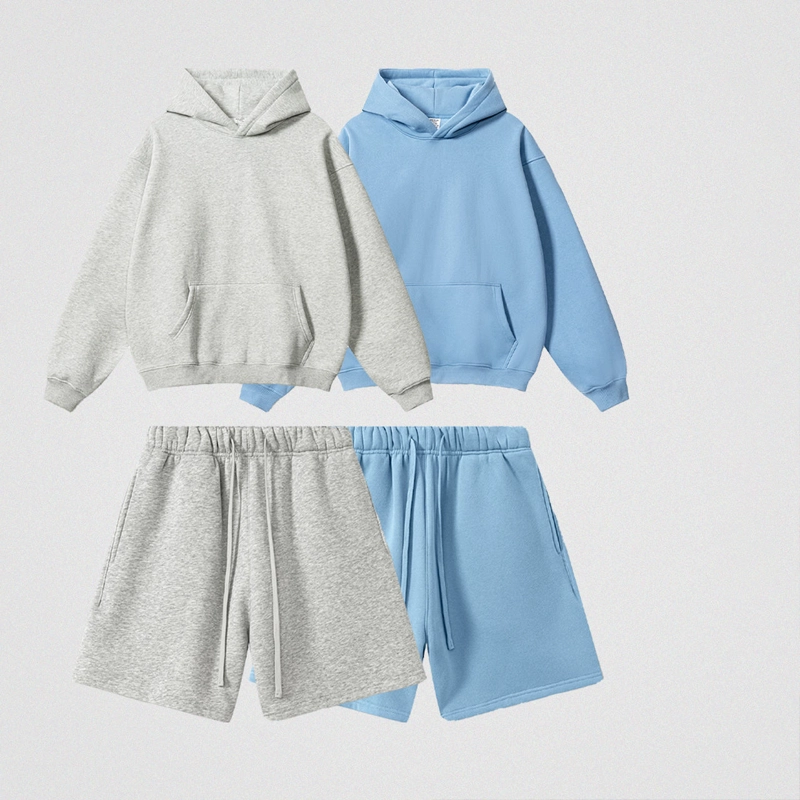
Cheap Fleece Pullover Hoodie in Bulk for Printing: Complete Sourcing Guide

You want to start a clothing brand. Perhaps you need hoodies for a team, a school event, or a business promotion. You need them cheap. You need them in bulk. And most importantly, you need them to actually look good when you print on them.
So where do you start? How do you avoid buying hoodies that pill after one wash or crack under the heat press?
Let me walk you through everything you need to know. By the end, you will understand the best budget hoodie models, where to buy them, and how to get the best price for your specific quantity.
Part 1: What Makes a Hoodie Good for Printing?
Before we look at specific products, let me explain what you should look for in a blank hoodie. These are the non-negotiable features for professional printing results.
The Fabric Blend Must Be Balanced
The most common and reliable blend for printing is 50 percent cotton and 50 percent polyester. The industry calls this a “50/50 blend.”
Why does this specific ratio work so well? The cotton provides a soft, absorbent surface for the ink to adhere to. The polyester adds durability and prevents excessive shrinkage during washing. Pure cotton hoodies can shrink significantly after their first wash, which ruins your print placement and distorts your design.
Midweight 50/50 fleece has become the industry standard for budget printing projects. It balances cost, print quality, and durability.
Fabric Weight Tells You About Warmth and Durability
GSM stands for grams per square meter. It tells you how thick and warm the hoodie will feel.
For budget printing hoodies, look for weights between 7.8 ounces per square yard and 8.5 ounces per square yard. This is considered midweight territory. The hoodie will be warm enough for fall and winter use but not so heavy that it becomes expensive to manufacture or uncomfortable for everyday wear.
A hoodie that is too light at under 7 ounces will feel cheap and flimsy in the customer’s hands. One that is too heavy at over 9 ounces will cost more to produce and may be too hot for indoor or transitional wear.
Surface Smoothness Determines Print Quality
The best hoodies for printing have a smooth, flat surface across the entire chest and back. Loose fibers sticking up from the fabric will interfere with ink adhesion and create a fuzzy, undefined print.
Look for hoodies described as having a “cotton face” or “high stitch density.” These terms indicate that the manufacturer has engineered the fabric specifically to accept decoration methods like screen printing, DTG, and heat transfers.
Seam Construction Affects Design Placement
This is a detail that most beginners miss entirely. Tubular construction means the body of the hoodie is knit as a single tube with no side seams. This allows you to print designs that wrap around the sides without any interruption from seam lines.
Side-seamed hoodies have seams running vertically down both sides. These hoodies generally hang straighter and feel more structured against the body. The choice between tubular and side-seamed depends entirely on your print design.
Pre-Shrunk Fabric Protects Your Prints
Always look for hoodies labeled as “pre-shrunk” or “pre-shrunk cotton.” This means the manufacturer has already processed the fabric to remove most of the shrinkage potential before the hoodie is cut and sewn.
Your prints will stay exactly where you placed them after washing. The design will not distort or crack because the fabric did not contract underneath it.
Quick Printing Quality Checklist
| Feature | What to Look For | Why It Matters |
|---|---|---|
| Fabric Blend | 50% cotton / 50% polyester | Balance of print quality and durability |
| Fabric Weight | 7.8 – 8.5 oz/yd² | Warm enough without being expensive |
| Surface Finish | Smooth, high stitch density | Clean, sharp print results |
| Seam Type | Tubular for wrap prints, side-seamed for structured fit | Design placement flexibility |
| Shrinkage | Pre-shrunk labeled | Print placement remains accurate after washing |
Part 2: The Best Budget Blank Hoodies for Printing
Let me introduce you to the most popular options in the wholesale market. These are the hoodies that professional print shops use for their budget-conscious customers.
Gildan 18500 – The King of Bulk Budget
The Gildan 18500 Heavy Blend Hoodie is one of the most popular blank hoodies in the world. You have probably owned one without even realizing it.
Fabric: 50 percent pre-shrunk cotton, 50 percent polyester. This is the classic 50/50 blend that balances print quality and durability.
Weight: 8 ounces per square yard. This is solidly in the midweight range.
Fit: Classic unisex, standard not oversized. The silhouette works for most body types without being too trendy or too boxy.
Colors: More than 25 options including black, navy, maroon, sport grey, royal blue, and charcoal. The wide selection covers almost any branding need.
Sizes: Small to 5XL. The extended size range makes this hoodie accessible for teams and groups of all sizes.
Printing Methods: DTG, embroidery, and screen printing all work well on this hoodie.
Why is the Gildan 18500 so popular? The price is extremely competitive at wholesale volumes. The pre-shrunk fabric means fewer customer returns due to sizing issues after washing. The wide size range covers almost any customer demographic. The classic fit works for men and women without needing separate inventory.
The downside is that the fit is not trendy. If you want an oversized streetwear silhouette for your brand, this is not your hoodie. However, for schools, sports teams, corporate events, and basic merchandise, it remains the gold standard for value.
Hanes P170 EcoSmart – Best for Print Quality
The Hanes P170 is a decorator favorite specifically because of its smooth printing surface.
Fabric: 50 percent cotton, 50 percent polyester using Hanes’ EcoSmart technology with recycled polyester content.
Weight: 7.8 ounces per square yard. This is slightly lighter than the Gildan, making it more breathable for transitional weather.
Fit: Standard unisex with a slightly more fashion-forward shape than the Gildan. The silhouette is less boxy.
Colors: Multiple options including popular heather shades.
Printing Methods: DTG, screen printing, and embroidery all work well.
The key feature that sets the Hanes P170 apart is Hanes’ PrintPro XP fleece technology. This creates a high-stitch-density fabric with an exceptionally smooth face. The result is crisper prints with significantly less ink bleeding into the surrounding fibers.
However, the hood fits tighter than average. Many users find the neck opening snug compared to the Gildan. Consider this carefully if you or your customers have larger heads or prefer a looser hood fit.
JERZEES 996MR NuBlend – Best for Durability
The JERZEES 996MR is built specifically for warmth and longevity.
Fabric: 50 percent cotton, 50 percent polyester using JERZEES’ NuBlend technology.
Weight: 8 ounces per square yard, but the fabric feels heavier and puffier than the Hanes due to the NuBlend weave.
Fit: Athletic unisex, slightly boxier than the Hanes. The silhouette works well for team sports.
Colors: Wide range of options, particularly strong for team wear colors like navy, scarlet, and gold.
Printing Methods: Screen printing, DTG, and embroidery are all suitable.
The NuBlend technology is specifically designed to resist pilling. This means the hoodie will look newer for longer, even after repeated washing and drying. The tubular body construction allows for uninterrupted printing across the sides.
The fabric is loftier than the Hanes, which some decorators find less ideal for fine-detail DTG printing. The raised fibers can interfere with ink penetration. However, for screen printing, this hoodie is considered legendary in the industry.
BELLA+CANVAS BC3719 – Best for Premium Feel
If your budget allows a step up from the entry-level options, the BELLA+CANVAS Sponge Fleece hoodie offers retail-ready quality.
Fabric: 52 percent Airlume combed and ring-spun cotton, 48 percent polyester. The combed and ring-spun process removes shorter fibers, leaving only the longest, strongest threads.
Weight: 8 ounces per square yard.
Fit: Retail fit, modern and flattering. The silhouette is more tailored than the Gildan or Hanes.
Colors: Multiple options including trendy heathers.
Printing Methods: Screen printing, DTG, and embroidery all work exceptionally well.
The combed and ring-spun cotton is noticeably softer and more durable than standard cotton. The tear-away label makes rebranding easy. The side-seamed construction provides a better drape against the body.
This hoodie costs significantly more than the Gildan or Hanes options. At wholesale, expect to pay $12 to $18 versus $6 to $10 for the Gildan. However, for brands selling directly to consumers who care about quality, the difference justifies the price.
Budget Hoodie Comparison Table
| Model | Blend | Weight | Best For | Approx Bulk Price |
|---|---|---|---|---|
| Gildan 18500 | 50/50 | 8 oz | Bulk budget orders, teams, schools | $6 – $10 |
| Hanes P170 | 50/50 | 7.8 oz | Print quality, DTG, smooth surface | $7 – $11 |
| JERZEES 996MR | 50/50 | 8 oz | Durability, screen printing, cold weather | $7 – $12 |
| BELLA+CANVAS BC3719 | 52/48 | 8 oz | Premium feel, retail brands | $12 – $18 |
Color Considerations for Printing
Dark hoodies like black, navy, and charcoal require an underbase layer for screen printing and DTG. This adds to your printing cost. Light hoodies like white, heather grey, and cream can often be printed directly without an underbase.
If you are trying to minimize printing costs, start with light colors. If your brand colors require dark hoodies, budget for the additional underbase step.
High-contrast designs like white ink on black hoodies look striking. However, they are more expensive to produce and require more skill from your printer. Start simple with one-color designs on light hoodies before moving to complex prints on dark hoodies.
DTG vs. Screen Printing by Hoodie Model
For DTG printing, the Hanes P170 is your best choice among budget options. The smooth cotton face accepts DTG pretreatment and ink beautifully. The BELLA+CANVAS BC3719 is even better, but it costs more.
For screen printing, the JERZEES 996MR is the industry favorite. The stable NuBlend weave holds up to the heat and pressure of the screen printing process without warping or shrinking. The Gildan 18500 is a close second and works well for most screen printing applications.
For embroidery, all four options work adequately. Thicker fabrics like the JERZEES 996MR hold stitches better without puckering. Thinner fabrics like the Hanes P170 may require backing material to prevent the embroidery from pulling the fabric.
Part 3: Where to Buy Cheap Fleece Hoodies in Bulk
Now let me tell you about your sourcing options. Each has trade-offs between price, minimum order quantity, and delivery speed.
Domestic Wholesale Distributors – Best for Small to Medium Orders
If you are in North America or Europe, domestic wholesalers are your fastest and most reliable option for orders under 500 pieces.
Companies like YouApparel, S&S Activewear, and Alphabroder stock major brands including Gildan, Hanes, and JERZEES. You can order as few as 12 pieces of a single color and size combination. Mixing colors and sizes within an order is easy.
The prices are higher than direct importing from Asia. A Gildan 18500 might cost $8 to $10 per piece from a domestic wholesaler versus $5 to $6 from a Chinese factory. However, you receive your order in 3 to 7 business days, not months. Returns and customer service are far better. There are no surprise shipping costs or import duties.
For first-time buyers or for small orders under 500 pieces, domestic wholesale is the smart choice. The slightly higher per-unit cost is worth the speed and reliability.
Alibaba and Chinese Manufacturers – Best for Large Orders
For orders of 500 pieces or more, direct sourcing from China through Alibaba offers the lowest per-unit costs. The savings become significant at scale.
Real pricing examples from verified suppliers:
Dongguan Tushang Clothing Co. requires a minimum order of 1,000 pieces at approximately $6.20 per unit. Pujiang Shengfeile Knitting Co. requires 800 pieces at approximately $5.75 per unit. Yubao (G.Z) Industrial requires 300 pieces at approximately $7.10 per unit. Guangzhou Laite Clothing requires 1,000 pieces at approximately $6.00 per unit.
The absolute cheapest options start around $3.99 to $6.50 for entry-level fleece hoodies. However, these lower prices often come with higher minimum quantities, less quality control, and less responsive customer service.
What to watch for with Chinese suppliers:
Order samples before committing to bulk production. A $5 hoodie that feels terrible in your hands is not a bargain, regardless of the price.
Check the supplier’s on-time delivery rate and response time on their Alibaba profile. The best suppliers have ratings above 95 percent for both metrics.
Factor in shipping costs and potential import duties. A $6 hoodie can easily become a $10 hoodie after sea freight, inland transport, and customs clearance.
Be prepared for significantly longer lead times. Sample development takes 7 to 10 days. After sample approval, bulk production takes 25 to 35 days. Sea freight from China to the US or Europe adds another 20 to 40 days. Total lead time from initial contact to delivery is typically 60 to 90 days.
Print-on-Demand with Bulk Discounts
If you want printing included in the price and do not want to hold any physical inventory, print-on-demand services like Printful offer bulk discounts.
These services are significantly more expensive per unit than buying blanks wholesale and printing locally. However, you pay nothing upfront for inventory. You only pay for what you sell to customers.
For testing a new design or running a limited drop of 50 pieces or fewer, this model reduces financial risk substantially. For established brands selling hundreds of pieces per design, the per-unit cost becomes prohibitive.
Comparison of Sourcing Channels
| Channel | Best Quantity | Price per Hoodie | Lead Time | Risk Level |
|---|---|---|---|---|
| Domestic Wholesaler | 12 – 500 pieces | $8 – $15 | 3 – 7 days | Low |
| Alibaba (China) | 500+ pieces | $5 – $10 | 60 – 90 days | Moderate |
| Print-on-Demand | 1 – 50 pieces | $20 – $35 | 5 – 10 days | Very Low |
Part 4: Understanding MOQ and Pricing Tiers
Let me explain how bulk pricing works so you can plan your budget accurately.
Minimum Order Quantity (MOQ) Explained
MOQ is the smallest number of units a supplier will accept for an order.
Domestic wholesalers typically have no MOQ on blank hoodies. You can buy one piece if you want, though the per-unit price improves significantly when you reach 12, 24, or 48 pieces.
Chinese manufacturers typically require a minimum of 100 to 1,000 pieces per color. Some flexible suppliers will go as low as 30 to 50 pieces, but the per-unit price will be much higher. The supplier Yubao, for example, offers MOQs as low as 300 pieces.
How Pricing Tiers Actually Work
The more you buy, the less you pay per hoodie. This relationship is not linear. The biggest price drops happen at specific thresholds.
From a Chinese supplier, a typical pricing structure might look like this: 30 to 99 pieces at $16 per unit, then 100 or more pieces dropping to $13 per unit. The difference between 99 pieces and 100 pieces is significant.
From a domestic wholesaler, price breaks typically happen at 12, 24, 48, 72, and 144 pieces. The difference between 12 and 144 pieces might be only $2 to $3 per hoodie. The savings are less dramatic because domestic wholesalers have less margin to work with.
What Factors Actually Affect the Price
Fabric weight is a major factor. Heavier hoodies cost more to produce and ship. An 8.5 ounce hoodie will cost 10 to 20 percent more than a 7.8 ounce hoodie from the same supplier.
Color matters for Chinese suppliers. Basic black and white are cheapest because they use the most common dyes. Specialty heathers and fashion colors cost more because they require separate dye lots and smaller production runs.
Customization adds significant cost. Custom neck labels start at around $0.30 to $0.50 per hoodie at volume. Custom hang tags add another $0.20 to $0.40. Special packaging like poly bags or boxes adds even more.
Shipping is often the hidden cost that kills budgets. For Chinese orders, sea freight adds $1 to $3 per hoodie depending on your total volume and destination port. Air freight is much more expensive at $5 to $10 per hoodie but delivers in 5 to 10 days instead of 30 to 50 days.
Sample Order Pricing Tiers Reference
| Quantity | Approx Price per Hoodie (Blank) | Best For |
|---|---|---|
| 1 – 11 | $15 – $25 | Sampling, personal use |
| 12 – 49 | $10 – $15 | Small teams, event merchandise |
| 50 – 99 | $8 – $12 | School groups, club orders |
| 100 – 499 | $6 – $10 | Brand launch, larger teams |
| 500 – 999 | $5 – $8 | Retail inventory, ongoing business |
| 1000+ | $4 – $7 | Large production runs |
Part 5: How to Choose the Right Supplier for Your Specific Situation
Let me help you match your unique situation to the right sourcing strategy.
You Are Buying 12 to 100 Hoodies
Buy from a domestic wholesaler. YouApparel, S&S Activewear, and Jiffy Shirts are all good options for this quantity.
You will pay $10 to $15 per hoodie depending on the model and your exact quantity. You will receive your order in 3 to 7 business days. You can mix colors and sizes freely within the same order.
For this small quantity, Chinese manufacturing simply does not make economic sense. The shipping cost alone would exceed any per-unit savings you might find.
You Are Buying 100 to 500 Hoodies
You have options at this volume. Domestic wholesalers still work well. Some Chinese suppliers like Yubao offer MOQs as low as 300 pieces, which puts them within reach.
At this volume, you should request samples from 2 to 3 Chinese suppliers. Compare the quality, the pricing, and the lead times. You will learn a lot from the sample process.
If you need the hoodies quickly, within 2 to 3 weeks, stick with domestic. If you can wait 4 to 6 weeks and want to save 20 to 40 percent on the per-unit cost, direct sourcing is worth exploring.
You Are Buying 500 or More Hoodies
Direct sourcing from China is your best value at this volume. You should be paying $5 to $8 per hoodie for decent quality, depending on the model and your specific requirements.
Request quotes from at least 3 suppliers on Alibaba. Look for Gold Suppliers with Trade Assurance badges. Check their on-time delivery rates and their response times to messages.
Order samples before production. A small investment in sampling prevents a large investment in disappointment. The sample cost is typically $50 to $150 including shipping. This is money well spent.
You Are Starting a Clothing Brand
Start with domestic wholesale for your first one or two drops. Use Gildan 18500 or Hanes P170 blanks from a domestic supplier. Print locally or use a fulfillment service that integrates with your online store.
Once you have proven that customers actually want your designs, consider private label manufacturing. A Chinese supplier can make custom hoodies with your own woven neck labels, custom fabric blends, and exclusive colors.
The minimum for private label is typically 500 to 1,000 pieces per design and per color. The per-unit cost may be slightly higher than stock blanks due to the customization. However, the brand value of a custom product is much higher than a printed blank from Gildan.
Avoiding Common Beginner Mistakes
Do not order from the first supplier you find. Compare at least three.
Do not skip the sample order. A $100 sample is cheap insurance against a $10,000 mistake.
Do not assume a $5 hoodie is the same quality as a $10 hoodie. There is always a reason for the price difference.
Do not forget to factor in shipping, duties, and payment processing fees. Your landed cost is what matters, not the factory price.
Do not pay the full amount upfront. Typical payment terms are 30 percent deposit and 70 percent before shipment. Never pay 100 percent upfront.
Part 6: Frequently Asked Questions
Let me answer the most common questions about buying bulk hoodies for printing.
What is the cheapest hoodie for bulk printing?
The Gildan 18500 is widely considered the cheapest reliable option for bulk printing. At quantities of 1,000 pieces or more from Chinese suppliers, you can find them for $5 to $7 per unit. At domestic wholesale quantities of 48 pieces, expect to pay $8 to $10 per unit.
Is 100 percent cotton or 50/50 better for printing?
50/50 cotton-polyester blends are generally better for budget printing projects. They shrink less during washing, hold prints better over time, and are more durable against wear. One hundred percent cotton feels softer against the skin but is more expensive, less stable, and more prone to shrinkage.
How many hoodies do I need to buy for wholesale pricing?
Domestic wholesalers offer better pricing starting at just 12 pieces. Significant price breaks occur at 24, 48, 72, and 144 pieces. Chinese suppliers typically require 100 to 1,000 pieces per color to access their best rates.
Can I order samples before buying in bulk?
Yes. Most Chinese suppliers offer sample development in 7 to 10 days. The sample cost is typically $50 to $150 including shipping to your location. Domestic wholesalers allow you to buy single pieces at retail prices to test quality before placing a larger order.
What is the difference between Gildan 18500 and 18600?
The 18500 is the heavy blend pullover hoodie. The 18600 is the same fabric and construction but with a full-zip front instead of a pullover. For pullover printing projects, the 18500 is the correct choice. For zip-up projects, choose the 18600.
How do I avoid counterfeit or low-quality hoodies from Alibaba?
Look for Gold Suppliers with Trade Assurance badges on their Alibaba profiles. Check their on-time delivery rates, their response times, and their reorder rates from other buyers. Order samples before any bulk production. Be very suspicious of prices that are significantly below market averages.
What is the best hoodie for DTG printing?
The Hanes P170 EcoSmart is excellent for DTG printing because of its smooth PrintPro XP surface. The high-stitch-density face accepts DTG pretreatment and ink without bleeding or spreading. The BELLA+CANVAS BC3719 is even better if your budget allows the higher price point.
How much shrinkage should I expect from pre-shrunk hoodies?
Pre-shrunk hoodies like the Gildan 18500 and Hanes P170 have minimal shrinkage, typically under 3 percent after the first wash and dry cycle. Non pre-shrunk hoodies can shrink 5 to 10 percent in the first wash, which will visibly distort your print placement.
Can I get custom colors or custom fabric blends?
Yes, from Chinese manufacturers. Most require minimum orders of 500 to 1,000 pieces per color for custom fabric blends or custom Pantone matching. Domestic wholesalers only offer the stock colors that the brands produce.
What is the total lead time for a bulk order from China?
Sample development takes 7 to 10 days. After sample approval, bulk production takes 25 to 35 days. Sea freight from China to the US or Europe adds another 20 to 40 days depending on your location and the port of entry. Total lead time from initial contact to delivery is typically 60 to 90 days. Plan accordingly.
What printing method is best for small orders under 50 pieces?
For small orders under 50 pieces, DTG or DTF printing are your best options. Both have low setup costs and no minimum quantities. Screen printing becomes cost-effective at 24 pieces or more, but the screen setup fees make it expensive for very small runs.
Can I print on dark hoodies with DTG?
Yes, dark hoodies can be printed with DTG, but they require a white underbase layer. This underbase adds to the printing cost and increases the production time. The underbase also makes the print feel thicker on the fabric. For best DTG results on dark hoodies, use the Hanes P170 or BELLA+CANVAS BC3719, which have the smoothest surfaces for accepting the underbase and top colors.
The Bottom Line
Finding cheap fleece pullover hoodies in bulk for printing comes down to matching your quantity to the right supplier and the right product.
For small orders under 100 pieces, domestic wholesalers are your best option. You will pay $10 to $15 per hoodie but receive your order in just days. The Gildan 18500 and Hanes P170 are reliable, proven choices at this volume.
For orders between 100 and 500 pieces, you have options. Domestic is faster. Chinese suppliers can be significantly cheaper but require more lead time. Consider splitting the difference with a domestic supplier for your first order to learn the process.
For orders over 500 pieces, direct sourcing from China through Alibaba offers the lowest per-unit costs. Expect to pay $5 to $8 per hoodie for decent quality from a verified supplier. Plan for 60 to 90 days total lead time from initial contact to delivery.
For print quality, the Hanes P170 has the smoothest surface and works best for DTG. For durability and screen printing, the JERZEES 996MR is hard to beat. For pure budget and size range, the Gildan 18500 remains the industry standard.
For light hoodies, printing costs are lower because no underbase is needed. For dark hoodies, budget for the additional underbase step.
Always order samples before bulk production. A small investment in sampling saves you from a large investment in disappointment. Check supplier credentials carefully on Alibaba. Factor shipping and duties into your landed cost.
Now go find your hoodies and start printing.
More Articles from WUYI Apparel
Want to learn more about styling essentials hoodies or other apparel tips? Check out some of our other helpful articles:
- Wearing Black to a Wedding: A Modern Etiquette Guide
- Rainwear Jackets: The Perfect Fusion of Fashion and Function
- How To Measure Clothes
- Casual clothing – Casual and elegant through everyday life
- How to Find Your Style:An in-depth exploration of one’s own clothing style
For more tips and tricks on fashion and lifestyle, don’t forget to visit our Blog Section.
Head over to our Shop Page to browse our full collection and pick your favorite essentials hoodie