Welcome to customize all kinds of clothing

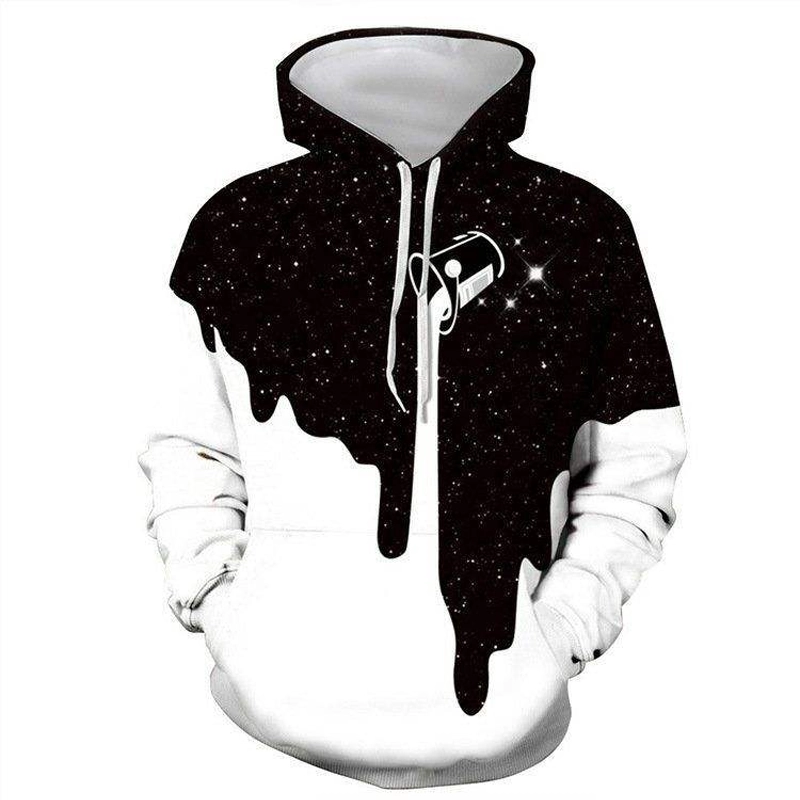
Best Hoodie for Extreme Cold Temperatures: Stay Warm When the Temperature Drops

You live somewhere with real winters. Not the kind where a light jacket works. The kind where exposed skin hurts after five minutes.
Therefore, you need a hoodie that can handle extreme cold. However, most hoodies are not built for this. They look warm. They feel thick. But step outside in negative temperatures, and you will be disappointed.
Let me solve this problem for you. Not all hoodies are created equal. Some are designed for extreme conditions. Others are designed for looking good at the coffee shop.
By the end of this guide, you will know exactly which hoodie to buy for the coldest days of your life.
Part 1: What Makes a Hoodie Suitable for Extreme Cold?
Before we look at specific products, let us understand the science of staying warm.
Insulation Is Everything
A regular hoodie keeps you warm by trapping a layer of air close to your body. That works fine down to about 40 or 50 degrees Fahrenheit.
However, extreme cold requires more. You need active insulation. This means materials specifically designed to trap heat while allowing moisture to escape.
Specifically, there are two main types of insulation in cold-weather hoodies.
Synthetic insulation uses polyester fibers that mimic down. It works even when wet. This is crucial for extreme cold because sweat is inevitable.
Heated insulation uses battery-powered heating elements. These are the gold standard for truly brutal conditions. We will talk more about these later.
Fabric Weight and GSM
GSM stands for grams per square meter. It tells you how dense the fabric is.
Standard hoodies use 280 to 350 GSM fleece. This is fine for cool weather but not extreme cold.
For extreme cold, look for 400 GSM and above. Some heavyweight options go up to 480 GSM or more. Heavier fabric traps more air. More trapped air means more warmth.
Fit and Coverage Matter
Extreme cold hoodies need specific design features.
A snug-fitting hood that covers your forehead is essential. Heat escapes from your head faster than anywhere else.
Extended length helps too. A hoodie that hits below your waist keeps your lower back warm when you bend over.
Wrist gaiters or thumbholes prevent cold air from shooting up your sleeves.
The Layering Question
Here is something many people misunderstand. The warmest hoodie in the world might not be your outermost layer.
For true extreme cold, think of your hoodie as a mid-layer. It goes over a thermal base layer and under a weatherproof shell jacket.
This three-layer system is how people survive Arctic conditions. The hoodie provides insulation. The shell blocks wind and snow. The base layer wicks moisture.
Part 2: Technical Hoodies Designed for Extreme Cold
Let me start with the serious options. These are hoodies built by outdoor brands for actual extreme conditions.
Outdoor Research SuperStrand XT Hoodie
This is not your average hoodie. It is a technical piece designed for alpine climbing and backcountry tours.
What makes it special? The insulation system uses proprietary SuperStrand and VerticalX materials. The torso features 15 percent more insulation than the standard version for added core warmth.
The Pertex Quantum NetPlus shell comes from recycled fishing nets. It is windproof and water-resistant. An insulated hood with a brim protects your face from the elements.
The left-hand pocket doubles as a stuff sack. This hoodie packs down small for travel.
This hoodie is best for resort days, alpine climbs, and extended winter adventures. Expect to pay between $200 and $300.
La Sportiva Bristen Thermal Hoody
This hoodie comes from a brand known for mountaineering boots. They understand cold conditions deeply.
The fabric uses TECHSTRETCH STORM technology. This is a single-layer woven material that unites softshell and fleece into one. The densely woven surface blocks wind and water without needing lamination.
The soft, plush interior encapsulates warm air. Moderate stretch allows full body movement during activities. The hood is elastic and ergonomic, making it compatible with helmet use.
Pre-shaped elbows improve mobility. Hand pockets work with harness or backpack use. S-Café anti-odor treatment keeps things fresh.
This hoodie is best for mountaineering and outdoor activities in cold climates. Expect to pay between $180 and $250.
Outdoor Research Vigor Plus Fleece Hoodie
This hoodie uses a grid-backed fleece interior. The grid pattern provides excellent warmth while remaining breathable during high-output activities.
The outer surface is smooth and slightly weather-resistant. Stretch panels under the arms and along the sides give dynamic range of motion. The fit is athletic but not restrictive.
The low-profile hood fits snugly without getting in the way of helmets or outerwear. It features zippered hand and chest pockets for storage.
This hoodie balances insulation and performance superbly. It is warm enough for cold starts but ventilated enough to avoid overheating during climbs. Expect to pay between $120 and $180.
Odlo Zeroweight Insulator Cross-Country Full-Zip Hoody
Odlo rates this hoodie as X-Warm, their highest warmth rating.
It uses 91 percent recycled material with Freudenberg poly insulation sourced from reclaimed plastic bottles. The insulation sits in the torso and back for exceptional warmth.
The four-way-stretch jersey fabric is hyper-functional. Wear it under a jacket in sub-zero temperatures. Pair it with a softshell in milder weather. Or wear it alone for moderate insulation.
Two zippered pockets secure your essentials. A fully insulated, snug-fitting hood protects your ears and head.
This hoodie delivers peak warmth and breathability in the cold. Expect to pay between $150 and $220.
Technical Hoodies Comparison Table
| Hoodie | Insulation Type | Best Temperature | Price Range | Best For |
|---|---|---|---|---|
| Outdoor Research SuperStrand XT | Synthetic (SuperStrand) | -10°F to 20°F | $200-$300 | Alpine climbing, backcountry |
| La Sportiva Bristen | TECHSTRETCH STORM | 0°F to 25°F | $180-$250 | Mountaineering, ice climbing |
| Outdoor Research Vigor Plus | Grid fleece | 10°F to 30°F | $120-$180 | High-output activities |
| Odlo Zeroweight | Freudenberg poly | -20°F to 15°F | $150-$220 | Cross-country, extreme cold |
Part 3: Heavyweight Fleece Hoodies for Extreme Cold
Not everyone needs technical mountaineering gear. Some people just want a really, really warm hoodie for walking the dog or shoveling snow.
Under Armour Icon Heavyweight Fleece Hoodie
Under Armour makes two versions of this hoodie. Both use the same core material.
The fabric is 80 percent cotton and 20 percent polyester. This is a heavyweight cotton-blend fleece with a brushed inside for extra warmth.
What does brushed inside mean? The interior surface has been brushed to raise the fibers. This creates a soft, fuzzy layer that traps heat against your skin.
Customer reviews confirm the warmth. One reviewer calls it “very warm and breathable.” Another says it is “super warm for those extra cold days.”
The oversized fit allows layering underneath. The drop hem shoulder creates a relaxed silhouette.
This hoodie is perfect for game-day cold, post-workout cool-downs, or pairing with streetwear. Expect to pay between $60 and $100.
SCODI Heavyweight Sherpa-Lined Hoodie
This hoodie takes a different approach. Instead of brushed fleece, it uses a sherpa lining.
Sherpa is a synthetic material designed to mimic sheep’s wool. It is extremely warm and cozy.
The hoodie is described as “extremely thick” and “feeling like a wearable blanket.” The plush fleeced side pockets keep your hands warm.
However, there are trade-offs. This hoodie is heavier than typical sweatshirts. It can become uncomfortably hot indoors. The external fabric is not water-resistant.
But for dry, extremely cold conditions, this hoodie delivers unbeatable warmth at a great price. Expect to pay between $50 and $80.
Carhartt Rain Defender Heavyweight Hoodie
Carhartt is known for workwear that handles harsh conditions. This hoodie continues that tradition.
The fabric is a heavyweight cotton-polyester blend with Rain Defender water-repellent finish. This means light rain and snow bead up and roll off.
The interior is brushed for softness and warmth. The attached three-piece hood adjusts with drawcords. A front hand-warmer pocket keeps your fingers warm.
This hoodie bridges the gap between casual and work-ready. Expect to pay between $70 and $110.
Heavyweight Fleece Hoodies Comparison Table
| Hoodie | Fabric | Water Resistance | Warmth Level | Price Range | Best For |
|---|---|---|---|---|---|
| Under Armour Icon | 80/20 cotton-poly | Low | High | $60-$100 | Everyday extreme cold |
| SCODI Sherpa | Sherpa-lined fleece | Very low | Extreme | $50-$80 | Stationary cold, lounging |
| Carhartt Rain Defender | Treated cotton-poly | Moderate | High | $70-$110 | Outdoor work, wet cold |
Part 4: Heated Hoodies – The Ultimate Extreme Cold Solution
If you face truly brutal temperatures, consider a heated hoodie. These use battery-powered heating elements to generate active warmth.
How Heated Hoodies Work
Heated hoodies contain carbon fiber or graphene heating panels. These panels are sewn into specific zones like the chest, back, and arms.
A rechargeable battery powers the system. Most batteries last between 6 and 12 hours depending on the heat setting.
The best models reach temperatures between 130 and 158 degrees Fahrenheit.
Dewbu Softshell Heated Coat
This heated jacket has five heating zones. One on each arm. One on either side of the chest zipper. And one in the back.
Three heat settings reach up to 140 degrees Fahrenheit. The 12-volt, 15,000-mAh battery lasts up to 10 hours on low mode.
The battery doubles as a portable power bank for your phone. A display screen shows the battery level. Expect to pay between $130 and $180.
Antarctica Gear Lightweight Heated Jacket
This option contains six carbon fiber heating elements. Two on the front of the torso. One on each arm. Two running down the back.
The 12-volt, 16,000-mAh battery slides into an interior pocket. It heats up in as few as three seconds and lasts up to 10 hours.
One reviewer called it “perfect for outdoor activities like skiing and hiking,” describing it as “practical, stylish, and incredibly functional.” Expect to pay between $120 and $170.
Wasoto Heated Hiking Jacket
This is the best deal among heated options.
A button on the chest allows independent control of front and back heating sections. The highest setting reaches 158 degrees Fahrenheit.
The battery has lower voltage (9V) and higher mAh (18,400) for more efficiency. Battery life reaches up to 12 hours.
The jacket is fleece-lined around the cuffs, collar, and detachable hood. Expect to pay between $100 and $140.
Heated Hoodies Comparison Table
| Hoodie | Heating Zones | Max Temp | Battery Life | Battery Voltage | Price Range | Best For |
|---|---|---|---|---|---|---|
| Dewbu | 5 zones | 140°F | Up to 10 hrs | 12V | $130-$180 | All-around use |
| Antarctica Gear | 6 elements | Not specified | Up to 10 hrs | 12V | $120-$170 | Active use, skiing |
| Wasoto | Front + back | 158°F | Up to 12 hrs | 9V | $100-$140 | Maximum heat |
Part 5: How to Layer Your Extreme Cold Hoodie
Buying the warmest hoodie is not enough. You need to wear it correctly.
The Three-Layer System
Here is the formula that works in the coldest places on Earth.
Layer 1: Base Layer
This goes directly against your skin. It should wick moisture away. Never wear cotton as a base layer. Cotton holds sweat and makes you colder.
Choose merino wool or synthetic thermal underwear instead.
Layer 2: Insulation Layer
This is your hoodie. It traps heat close to your body. All the hoodies we discussed work well here.
Layer 3: Shell Layer
This blocks wind and snow. A waterproof, breathable shell jacket is ideal. The shell also protects your hoodie from getting wet.
Why This System Works
Each layer has a specific job. The base layer moves sweat away from your skin. The hoodie traps heat. The shell keeps wind and moisture out.
Together, they keep you warm in conditions that would be dangerous with just a hoodie alone.
What to Avoid
Do not wear your extreme cold hoodie as an outer layer in wet conditions. Most hoodies are not waterproof. Wet insulation loses its warming properties.
Do not wear it too tight either. Trapped air is what keeps you warm. Tight clothing compresses the insulation and reduces its effectiveness.
Part 6: How to Choose the Right Hoodie for Your Needs
Let me give you a simple decision framework based on your body, style, and use case.
Consider Your Body Type
If you are shorter, avoid overly long hoodies that bunch up at your waist. Look for standard or cropped lengths instead.
If you are taller, ensure the sleeve length reaches your wrists when your arms are extended. Some technical hoodies come in tall sizes.
If you have broader shoulders, look for hoodies with raglan or drop shoulders. These provide more room and mobility.
If you have a slimmer frame, avoid extremely boxy cuts that will leak warm air. A more tailored fit traps heat better.
Consider Your Typical Scenarios
For urban extreme cold like waiting for buses or walking city streets, a heavyweight fleece hoodie under a wool coat works well. The Carhartt option adds water resistance for snowy commutes.
For outdoor work in cold conditions, prioritize water resistance and durability. The Carhartt Rain Defender is specifically designed for this.
For skiing or snowboarding, choose a technical hoodie that fits under a helmet and breathes during activity. The Outdoor Research Vigor Plus is ideal here.
For ice fishing or stadium events where you sit still for hours, a heated hoodie is your best friend. The Wasoto offers maximum heat at a reasonable price.
Style Preferences Matter
If you want a hoodie that looks like normal streetwear, choose the Under Armour Icon. It blends in while keeping you warm.
If you want a technical, outdoorsy aesthetic, the Outdoor Research or La Sportiva options fit that look.
If you do not care about looks and only want warmth, the SCODI sherpa hoodie delivers maximum coziness.
What I Recommend for Most People
For most people facing extreme cold, a heavyweight fleece hoodie like the Under Armour Icon is the sweet spot.
It is significantly warmer than a standard hoodie. It costs less than technical or heated options. It looks like normal clothing.
Pair it with a proper base layer and a windproof shell. This three-layer system will handle most extreme cold situations down to about 0 degrees Fahrenheit.
If you face sub-zero temperatures regularly, upgrade to a heated hoodie like the Wasoto. The active warmth is a game-changer for truly brutal conditions.
Part 7: Frequently Asked Questions
Let me answer common questions about extreme cold hoodies.
Can a hoodie alone keep me warm in below-zero temperatures?
No. No hoodie alone is sufficient for extended time in below-zero temperatures. You need the three-layer system of base layer, hoodie, and shell jacket.
What is the warmest hoodie material for extreme cold?
For passive insulation, heavyweight fleece with a brushed or sherpa lining is warmest. For active warmth, heated hoodies with carbon fiber heating panels are superior and can reach 158 degrees Fahrenheit.
Are heated hoodies safe to wear?
Yes. Heated hoodies use low-voltage batteries between 7.4V and 12V. They include safety features and have been used reliably in cold-weather gear for years.
How long do heated hoodie batteries last?
Battery life ranges from 6 to 12 hours depending on the heat setting. Lower settings last longer. Higher settings drain the battery faster. The Wasoto offers up to 12 hours on low.
Can I wash my extreme cold hoodie?
Check the care label for each hoodie. Most heavyweight fleece hoodies are machine washable cold and tumble dry low. Heated hoodies require removing the battery before washing. Many are hand-wash only.
What about down-filled hoodies?
Down is excellent for static cold but loses insulation when wet. For active use in extreme cold, synthetic insulation is better because it works even when damp.
How should I store my extreme cold hoodie in the off-season?
Store it folded, not hung. Hanging can stretch out the shoulders and distort the shape over time. Keep it in a cool, dry place away from direct sunlight.
What temperature range is each hoodie type designed for?
Technical hoodies generally work from -20°F to 30°F. Heavyweight fleece hoodies work from 10°F to 40°F. Heated hoodies can work below -20°F when powered on.
The Bottom Line
The best hoodie for extreme cold temperatures depends on how you will use it.
For active pursuits like skiing and mountaineering, choose a technical hoodie from Outdoor Research or La Sportiva. These balance warmth, breathability, and mobility. Expect to pay $120 to $300.
For everyday extreme cold like walking the dog or shoveling snow, choose a heavyweight fleece hoodie like the Under Armour Icon. It is warm, comfortable, and affordable at $60 to $110.
For truly brutal conditions below zero Fahrenheit, consider a heated hoodie like the Wasoto. The active warmth is unmatched. Expect to pay $100 to $180.
Remember the three-layer system. Base layer. Hoodie. Shell. No single hoodie is enough on its own for extreme cold.
Consider your body type, your typical scenarios, and your style preferences. A hoodie that fits well and suits your needs will keep you warmer than any technically superior but ill-fitting option.
Stay warm out there.
Meta Description (125-135 characters):
Best hoodie for extreme cold temperatures. Technical fleece, heavyweight options, and heated hoodies compared for below-zero conditions.
More Articles from WUYI Apparel
Want to learn more about styling essentials hoodies or other apparel tips? Check out some of our other helpful articles:
- Wearing Black to a Wedding: A Modern Etiquette Guide
- Rainwear Jackets: The Perfect Fusion of Fashion and Function
- How To Measure Clothes
- Casual clothing – Casual and elegant through everyday life
- How to Find Your Style:An in-depth exploration of one’s own clothing style
For more tips and tricks on fashion and lifestyle, don’t forget to visit our Blog Section.
Head over to our Shop Page to browse our full collection and pick your favorite essentials hoodie