Welcome to customize all kinds of clothing

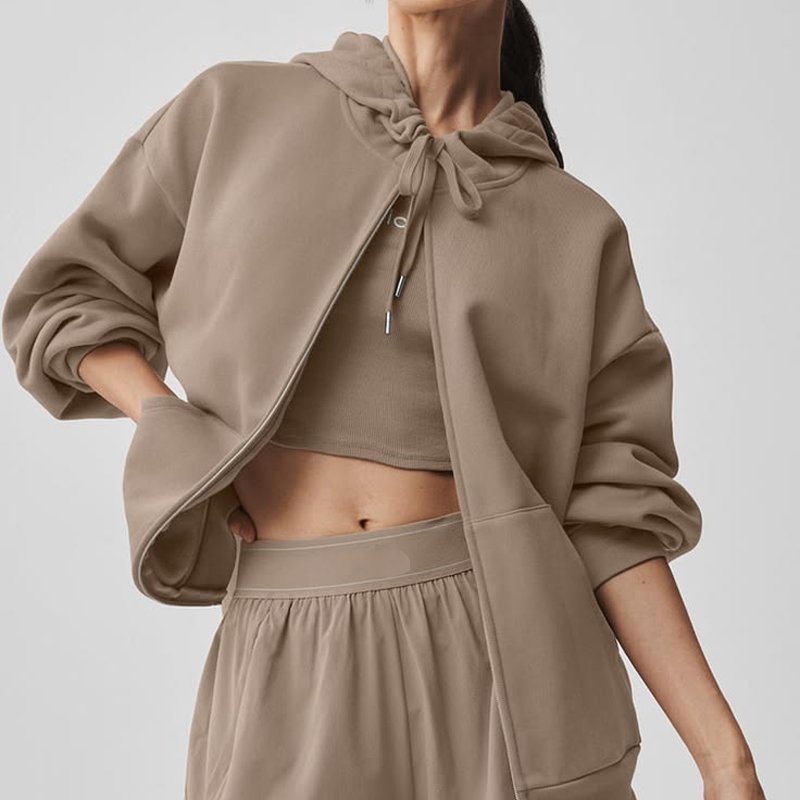
French Terry vs Fleece: A Complete Fabric Guide

Introduction: Same Dog, Different Hairstyle
You have seen both terms on hoodie tags. French terry. Fleece. They sound technical. They sound different. But here is a secret: they often start as the exact same knitted fabric.
The difference comes down to one step in production. One fabric gets its loops brushed apart. The other keeps them intact. As one textile expert put it: “It’s like a poodle. Un-brushed, it’s curly (Terry). Brushed, it’s puffy (Fleece). Same dog, different hairstyle.”
The choice between French terry and fleece is not about which fabric is “better.” It is about matching the fabric to what you actually need.
Here is the short answer: French terry is breathable and versatile. Fleece is warm and cozy. French terry works across seasons. Fleece is for cold weather.
Interestingly, many hoodie shoppers do not know the difference. They buy the wrong fabric for their climate. They end up too hot or too cold. This guide fixes that.
Let us get into it.
Part 1: What Is French Terry?
French terry is a knit fabric defined by its two-sided construction. The outside is smooth and flat, like a t-shirt. The inside features intact looped knit construction loops of yarn.
1.1 The Structure
The loops are the defining characteristic. They are formed during knitting and left intact. These loops are what give French terry its unique properties.
- Smooth face (front): Clean surface, ideal for printing
- Looped back (inside): Soft, textured, breathable
French terry typically ranges from 200 to 450 GSM (grams per square meter). Lightweight versions (200-250 GSM) work for summer. Midweight (260-320 GSM) works for spring and fall. Heavyweight (330-450 GSM) works for cooler days.
1.2 Key Properties
Besides structure, interviews with fabric experts consistently highlight the same characteristics:
- Air circulation breathable loop structure: Prevents overheating
- Moisture wicking loop absorption: The loops absorb sweat and release it quickly
- Durable: French terry resists pilling and maintains shape after repeated washing
- Versatile: Works across all four seasons, not just winter
One fabric guide notes that French terry provides the “breathable comfort of a t-shirt with the structure of a sweatshirt.”
1.3 Common Uses
Brands use French terry for:
- Light to midweight hoodies and sweatshirts
- Joggers and sweatpants
- Athleisure wear (yoga, training, warm-ups)
- Spring and fall layering pieces
- Travel clothing
Part 2: What Is Fleece?
Fleece starts as the same knitted fabric as French terry. But then it goes through an extra step: brushing or napping.
2.1 The Brushing Process
After knitting, the fabric is run through machines with wire rollers. These rollers pull the loops apart, breaking the yarns and raising a soft, fuzzy brushed nap fuzzy pile finish.
- Original state: French terry with intact loops
- After brushing: The loops are shredded into a plush, fluffy surface
- Result: A fabric that traps air and insulates
This is why fleece feels like a teddy bear and French terry feels like a towel.
Fleece typically falls into higher GSM ranges: midweight (250-350 GSM) to heavyweight (350+ GSM, sometimes exceeding 450 GSM).
2.2 Key Properties
In return, fleece is built for warmth above all else.
- Insulative brushed fleece thermal trap: The brushed pile traps dead air for insulation
- Soft: The fuzzy interior feels plush and cozy against skin
- Fleece moisture retention property: The dense pile restricts airflow and holds moisture
- Visually substantial: Looks heavier and more structured
One textile resource notes that after 50 washes, fleece loses about 12% of its tensile strength—double the loss of French terry.
2.3 Common Uses
Fleece is the go-to for:
- Heavyweight winter hoodies
- Cold-weather sweatpants
- Blankets and throws
- Loungewear focused on warmth
- Outdoor apparel where insulation is priority
Part 3: The Side-by-Side Comparison
Here is how the two fabrics stack up across key dimensions.
3.1 Warmth
| Fabric | Warmth Level | Best For |
|---|---|---|
| French Terry | Moderate | Layering, mild weather, active wear |
| Fleece | High | Cold weather, stationary activities, deep winter |
Fleece is significantly warmer because the brushed pile traps insulating air. French terry allows heat to escape through the air circulation breathable loop structure.
3.2 Breathability
- French Terry: High. Air circulates through the loops.
- Fleece: Low to moderate. The dense pile restricts airflow.
This is why French terry is preferred for workouts and active days. You stay warm without overheating. Fleece is better for sitting still in cold rooms or outdoor winter activities where you are not moving much.
3.3 Durability and Longevity
Meanwhile, according to textile testing data, French terry significantly outperforms fleece in long-term durability.
| Metric | French Terry | Fleece |
|---|---|---|
| Appearance after 50 washes | 94% retained | Significant loss |
| Tensile strength loss | 6% | 12% |
| Pilling resistance | Higher (loops intact) | Lower (brushed fibers) |
French terry’s intact loops resist breaking and fuzzing. Fleece’s brushed surface is more prone to pilling over time.
3.4 Moisture Management
- French Terry: Wicks moisture away from skin. The loops absorb sweat and release it.
- Fleece: Does not wick well. Holds moisture against the body.
For gym wear or high-output activities, French terry is the clear winner. For sitting by a fire, fleece is fine.
3.5 Weight and Bulk
| Fabric | Typical Weight Range | Feel |
|---|---|---|
| French Terry | 200-450 GSM | Lighter, more fluid drape |
| Fleece | 250-450+ GSM | Heavier, more structured |
Fleece feels bulkier because the brushed fibers take up more space. French terry packs flatter and layers more easily under jackets.
3.6 Quick Comparison Table
| Feature | French Terry | Fleece |
|---|---|---|
| Interior surface | Uncut loops | Brushed fuzzy pile |
| Warmth | Moderate | High |
| Breathability | High | Low to moderate |
| Moisture-wicking | Yes | No |
| Durability | Higher (resists pilling) | Lower (pills over time) |
| Weight | Light to midweight | Mid to heavyweight |
| Best season | Spring, summer, fall, layering | Fall, winter |
| Best use | Athleisure, active wear, travel | Lounging, extreme cold |
| Cost | Generally slightly higher | Generally slightly lower |
Part 4: Based on Above Comparison — How to Choose
Your choice should depend on how you actually live.
4.1 Choose French Terry If:
You live in a mild climate. If winters rarely drop below freezing, fleece will be too hot. French terry works across more seasons.
You sweat in your hoodie. Gym, hiking, commuting by bike—French terry wicks moisture. Fleece will leave you clammy.
You want one hoodie for three seasons. French terry works for spring, summer evenings, and fall. Fleece is winter-only.
You value fabric durability. French terry resists pilling and looks newer for longer.
You layer. French terry’s lighter weight slips under jackets without bulk.
Best for: Athleisure enthusiasts, people in temperate climates, gym-goers, travelers, anyone who runs hot.
4.2 Choose Fleece If:
You live where winters are cold. Fleece’s insulation matters when temperatures drop below freezing.
You want maximum coziness. French terry does not feel like a teddy bear. Fleece does.
You are sitting still in cold. Lounging on the couch, watching outdoor sports, working at a desk in a cold room. Fleece traps heat when you are not moving.
You prefer structured, heavyweight garments. Fleece has more body and holds its shape.
Best for: People in cold climates, lounge enthusiasts, outdoor workers, anyone prioritizing warmth over breathability.
4.3 GSM Fabric Weight Grading Matters Within Each Category
Not all French terry is the same. Not all fleece is the same.
French terry by weight:
- 200-250 GSM: Lightweight, summer-friendly, great for travel
- 260-320 GSM: Midweight, most versatile, works for spring and fall
- 330-450 GSM: Heavyweight, almost as warm as light fleece
Fleece by weight:
- 250-320 GSM: Light to midweight fleece, still breathable
- 330-400 GSM: Standard heavyweight fleece, warm and cozy
- 400+ GSM: Ultra-heavyweight, almost like a jacket
4.4 The Environmental and Sensitivity Factors
Organic cotton sensitive skin friendly: 100% organic cotton French terry is usually safe, soft, and rarely causes allergic reactions.
Recycled options: Fleece is frequently made with recycled polyester (rPET). Both fabrics come in sustainable versions.
Organic cotton French terry is more breathable and generally better for sensitive skin. Synthetic fleece can sometimes feel scratchy.
4.5 Price Expectation
French terry is generally slightly more expensive than fleece. The loop construction requires precision. Fleece can use cheaper synthetics, and the brushing process hides lower yarn quality.
French terry often uses higher-quality cotton and natural fibers. If you see a $30 hoodie labeled “French terry,” check the material composition. It may be a cotton-poly blend with a terry loop interior, not 100% cotton.
Part 5: Washing and Care Differences
Both fabrics are low-maintenance, but they have different needs.
5.1 French Terry Care
- Wash cold to preserve shape and prevent shrinkage
- Turn inside out to protect the smooth face and loops
- Tumble dry low or air dry (high heat can damage the loop structure)
- French terry may shrink 2-3% in the first wash
5.2 Fleece Care
- Wash cold to prevent pilling
- Turn inside out to reduce friction on the brushed surface
- Air dry if possible; high heat can flatten the pile and cause stiffness
- Avoid fabric softener, which builds up on the fibers
5.3 Which Is Easier to Care For?
French terry is more forgiving. The intact loops resist damage. Fleece’s brushed surface is more delicate and prone to pilling if not washed carefully.
Part 6: FAQs — Your Quick Questions Answered
Q1: Which is warmer, French terry or fleece?
Fleece is significantly warmer. The brushed pile traps insulating air. French terry is breathable with moderate warmth.
Q2: Can I wear French terry in winter?
In mild winters, yes. In freezing temperatures, French terry is not warm enough alone. Layer under a jacket.
Q3: Does French terry pill?
Less than fleece. Intact loops resist breaking and fuzzing. Fleece’s brushed fibers are more prone to pilling.
Q4: Is French terry good for working out?
Yes. French terry wicks moisture and breathes well. Fleece holds sweat and feels clammy during activity.
Q5: Why is French terry more expensive than fleece?
French terry often uses higher-quality cotton. Loop construction requires precision. Fleece can use cheaper synthetics; brushing hides lower yarn quality.
Q6: Are French terry and fleece the same fabric?
They start the same. Both begin as looped knit fabric. The difference is brushing. French terry keeps loops. Fleece brushes them apart.
Q7: Which fabric lasts longer?
French terry lasts longer. Testing shows 94% appearance retention after 50 washes. Fleece loses visual appeal faster.
Q8: Is French terry good for sensitive skin?
Cotton French terry is excellent for sensitive skin—soft, breathable, rarely causes irritation. Synthetic fleece can sometimes feel scratchy.
Q9: Which is better for hoodies?
Depends. For year-round wear and breathability, French terry. For winter warmth and coziness, fleece.
Q10: Do both fabrics shrink?
French terry (cotton-based) may shrink 2-3% in the first wash. Fleece (synthetic-blend) shrinks less but can pill.
Conclusion: Choose the Fabric That Fits Your Life
Ultimately, French terry and fleece are not enemies. They are cousins. They share the same parent fabric. One got a haircut; the other did not.
Three things to remember:
- French terry for breathability, versatility, and durability. It works across seasons, wicks moisture, and lasts longer. Choose for active days, mild climates, year-round wear.
- Fleece for warmth, coziness, and structure. It traps heat, feels plush, looks substantial. Choose for cold weather, lounging, insulation needs.
- GSM fabric weight grading matters more than the name. Light fleece can feel like heavy French terry. Always check GSM, not just the label.
Your perfect hoodie exists. It just depends on whether you need to stay cool or warm.
Choose French terry for movement. Choose fleece for stillness. Or own one of each.
More Articles from WUYI Apparel
Want to learn more about styling essentials hoodies or other apparel tips? Check out some of our other helpful articles:
- Wearing Black to a Wedding: A Modern Etiquette Guide
- Rainwear Jackets: The Perfect Fusion of Fashion and Function
- How To Measure Clothes
- Casual clothing – Casual and elegant through everyday life
- How to Find Your Style:An in-depth exploration of one’s own clothing style
For more tips and tricks on fashion and lifestyle, don’t forget to visit our Blog Section.
Head over to our Shop Page to browse our full collection and pick your favorite essentials hoodie