Welcome to customize all kinds of clothing

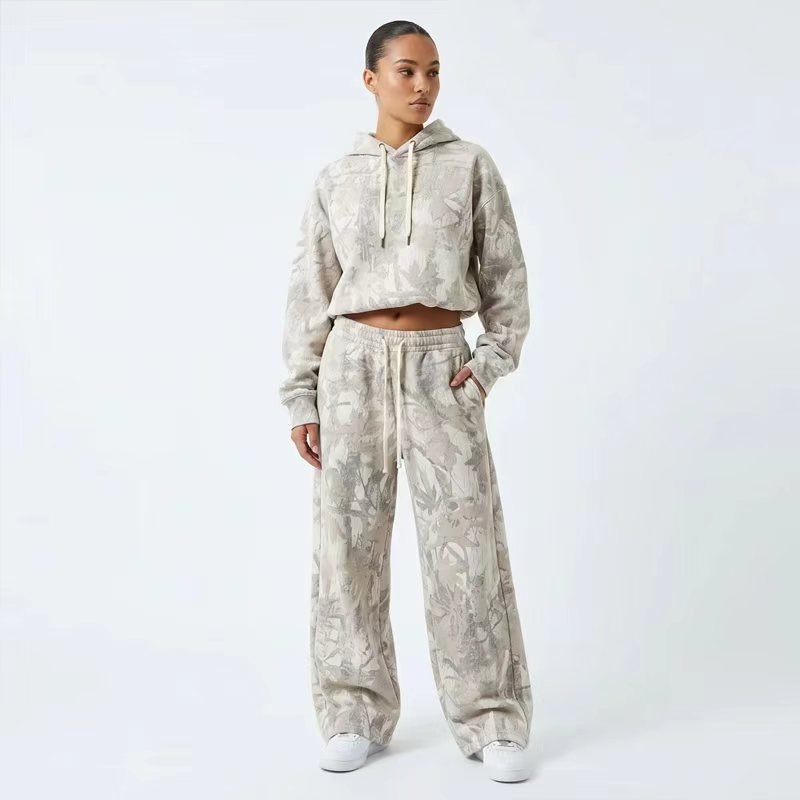
Champion Reverse Weave: The 1934 Sweatshirt Innovation

Champion Reverse Weave technology transformed how sweatshirts are made, solving shrinkage while creating one of the most durable garments in fashion history.
You have probably seen the Champion logo on hoodies and sweatshirts everywhere. On college campuses. On city streets. In music videos. But what makes those sweatshirts feel different? Heavier. Tougher. More substantial.
The answer lies in a piece of technology invented in 1934. It is called Reverse Weave. And it changed sportswear forever.
This guide explains everything you need to know about Champion Reverse Weave. What it is. Why it was invented. How it works. And why people still love it nearly a century later.
Part 1: What Is Champion Reverse Weave Technology?
Let us start with a simple definition. Then we will look at why this technology matters.
1.1 The Basic Definition
Reverse Weave is a fabric construction technique developed by Champion in 1934. The name describes exactly what happens. The fabric weave direction is reversed.
Normally, sweatshirt fabric is cut vertically. The grain runs up and down. Reverse Weave does the opposite. It turns the fabric 90 degrees and cuts it on the cross-grain instead.
This simple change creates major benefits. Less shrinkage. More durability. Better shape retention.
1.2 The Patent and Official Status
Champion did not keep this technique a secret. Instead, they patented it. The Reverse Weave patent was officially granted in 1938. Some sources also cite 1952 as a key patent year.
Either way, the technology has been legally protected for decades. This gave Champion exclusive rights to the construction method. It also cemented their reputation as an innovator in sportswear.
1.3 Why the Name Matters
The name “Reverse Weave” tells you exactly what is happening. But there is more to it than just turning fabric.
The complete technology includes multiple features. Side rib panels for mobility. Reinforced stitching. Heavyweight cotton fleece construction. All of these work together as a system.
When people say “Reverse Weave,” they mean the whole package. Not just the weave direction.
Part 2: Why Champion Reverse Weave Was First Invented
Every great innovation solves a real problem. Champion Reverse Weave is no different. This urgent demand pushed Champion Reverse Weave into mass adoption.
2.1 The Shrinkage Problem of the 1930s
Let us go back to America in the 1930s. Football coaches faced a frustrating issue. Their team uniforms kept shrinking after washing.
This was not a small problem. Teams washed gear in bulk. Hot water. Heavy machines. The cotton sweatshirts would shrink vertically. The fit changed completely. Players could not move properly.
Champion was already making athletic uniforms at the time. They heard this complaint from coaches. And they decided to solve it.
2.2 The Engineering Challenge
Regular cotton fleece shrinks because of how it is cut. When fabric is cut vertically, the natural tension in the fibers causes them to contract when wet and heated.
Champion engineers asked a simple question. What if we cut the fabric differently?
By rotating the weave 90 degrees, they changed how the fibers behaved. Vertical shrinkage was dramatically reduced. The garment kept its original length even after many washes.
2.3 Beyond Shrinkage: The Durability Need
Athletes in the 1930s needed more than just shrink resistance. They needed clothes that could survive rough use. Practices. Games. Daily washing.
Champion understood this need deeply. They were not making fashion. They were making tools for athletes.
Reverse Weave delivered on durability too. The cross-grain construction created a stronger fabric structure. It resisted tearing and stretching better than regular sweatshirts.
2.4 The Birth of a Standard
By 1938, Reverse Weave had proven itself. Champion secured the patent. Then the technology became a standard in athletic wear.
Coaches loved it. Players loved it. Other teams started requesting Champion uniforms specifically for the Reverse Weave construction.
What started as a solution to a laundry problem became a competitive advantage.
Part 3: How Champion Reverse Weave Technology Actually Works
Understanding the mechanics helps you appreciate why Reverse Weave feels different from regular sweatshirts.
3.1 The Cross-Grain Cutting Method
This is the core of the technology. Let me explain it simply.
Picture a piece of fabric. It has threads running in two directions. Lengthwise (the warp) and crosswise (the weft).
Regular sweatshirts are cut with the lengthwise threads running top to bottom. Reverse Weave flips this. The lengthwise threads run side to side instead.
Why does this matter? Cotton shrinks more in the lengthwise direction. By rotating the fabric, Champion made the shrinkage happen horizontally instead of vertically. Horizontal shrinkage is less noticeable. It does not change how the garment fits your torso.
3.2 The Side Rib Panels
Look at the sides of a Reverse Weave sweatshirt. You will see ribbed panels running from armpit to hem.
These are not just decorative. They serve two important functions.
First, they absorb horizontal shrinkage. If the fabric does shrink side to side, the rib panels stretch and adjust. The main body stays stable.
Second, they add mobility. The ribbed fabric stretches more than regular fleece. You can move your arms and torso more freely.
3.3 Heavyweight Cotton Fleece
Reverse Weave is not made from thin material. It uses heavyweight cotton fleece.
This thickness serves multiple purposes. It provides warmth. It resists wear and tear. It holds its shape better than lightweight fabrics.
The weight also creates that distinctive feel. When you hold a Reverse Weave sweatshirt, it feels substantial. Not flimsy. Not cheap.
3.4 Reinforced Construction Details
Champion added other reinforcements to the Reverse Weave system.
The collar, cuffs, and hem use double-stitched ribbing. This prevents stretching and fraying. The V-insert at the neck (on some models) adds reinforcement at a stress point.
Every detail was designed for longevity. Champion was not making seasonal fashion. They were making gear that athletes could depend on for years.
3.5 The Complete System
Think of Reverse Weave as a system, not a single trick.
- Cross-grain cutting reduces vertical shrinkage
- Side rib panels manage horizontal shrinkage and add stretch
- Heavyweight fleece provides durability and warmth
- Reinforced stitching prevents failure at stress points
All of these work together. That is why a Reverse Weave sweatshirt feels different from a regular one. And why it lasts longer.
Part 4: The Team Behind Reverse Weave Innovation
Behind every innovation are people who saw a problem and decided to fix it.
4.1 Champion as a Company
Champion was founded in 1919 by the Feinbloom brothers in Rochester, New York. They started by making knitwear. But they quickly moved into athletic apparel.
By the 1930s, Champion had relationships with college athletic programs across America. They supplied uniforms for football, basketball, and track.
These relationships gave Champion direct access to customer feedback. Coaches told them about the shrinkage problem. Champion listened and solved it.
4.2 The Anonymous Engineers
The specific engineers who developed Reverse Weave are not named in available records. Champion has kept the focus on the technology itself, not the individual inventors.
This was common in the 1930s. Corporate innovation was credited to the company, not specific employees.
What matters is that Champion as an organization valued problem-solving. They invested in research and development when most sportswear companies did not.
4.3 The Athletes Who Tested and Approved
The real validation came from athletes. College football players wore Reverse Weave uniforms through tough seasons. The gear performed.
Word spread through athletic departments. Champion became the trusted supplier for many teams.
This athlete approval created the foundation for everything that followed. Without that performance credibility, Reverse Weave would have remained a footnote.
4.4 Lasting Value Through User Focus
This user-focused thinking built the lasting value of Reverse Weave. Champion listened to real problems. Then they engineered real solutions. That approach still defines the product today.
Part 5: Common FAQs About Champion Reverse Weave
Let me answer the most common questions people ask about Reverse Weave.
5.1 Is Reverse Weave just for athletes?
No. While Reverse Weave was designed for athletes, it has become popular for everyday wear.
Today, you will see Reverse Weave sweatshirts and hoodies on everyone. Skateboarders. Musicians. Students. Office workers.
The durability and comfort appeal to people who want clothes that last. The classic look fits into many styles.
5.2 How can I tell if a sweatshirt has Reverse Weave?
Look for three things.
First, check the side seams. Reverse Weave garments have visible ribbed panels running down both sides.
Second, feel the weight. Reverse Weave fabric is heavier than regular sweatshirt material.
Third, look for the label. Champion marks Reverse Weave products clearly. The tag or embroidery will say “Reverse Weave.”
5.3 Does Reverse Weave completely prevent shrinkage?
It resists shrinkage significantly. But no cotton garment is completely shrink-proof.
The cross-grain construction reduces vertical shrinkage dramatically. Horizontal shrinkage may still occur, but the side rib panels help manage it.
To maximize the life of your Reverse Weave garment, wash in cold water. Then tumble dry on low heat. Or hang dry for best results.
5.4 Is Reverse Weave still manufactured today?
Yes. Champion continues to produce Reverse Weave garments. The collection includes hoodies, crewnecks, joggers, and t-shirts.
In fact, Champion has expanded the line. In 2023, they introduced Eco Future Reverse Weave with CiCLO technology. This version reduces microplastic pollution by making synthetic fibers biodegradable.
The core technology remains the same. But Champion keeps innovating for sustainability.
5.5 Why is Reverse Weave so popular in streetwear?
Several factors explain the streetwear appeal.
First, the durability. Streetwear culture values quality that lasts.
Second, the heavyweight feel. Reverse Weave has presence. It does not feel cheap or disposable.
Third, the history. Wearing Reverse Weave connects you to almost a century of American sportswear heritage.
Fourth, the blank canvas. Reverse Weave sweatshirts are perfect for collaborations. Brands can add graphics or embroidery without compromising the garment quality.
Champion has collaborated with countless brands on Reverse Weave pieces. Supreme. Off-White. Vetements. The list goes on.
5.6 Is Reverse Weave worth the higher price?
That depends on what you value.
If you want a cheap sweatshirt you will replace in six months, Reverse Weave is not for you.
If you want a garment that will last for years, the higher price makes sense. The heavyweight fabric resists wear. The construction prevents premature failure. The fit stays consistent wash after wash.
Many owners report wearing Reverse Weave sweatshirts for a decade or more. From that perspective, the cost per wear is very low.
Conclusion: Why Reverse Weave Matters Nearly a Century Later
Let me step back and look at the bigger picture. The timeless advantage of Champion Reverse Weave never fades.
Reverse Weave was invented to solve a practical problem. Football uniforms shrank. Champion fixed it.
But the technology outlasted its original purpose. It became a standard. A benchmark. A cultural icon.
Why has it lasted so long? Because the fundamentals are sound. Cross-grain cutting reduces shrinkage. Side panels add mobility. Heavyweight fleece provides durability. These benefits do not go out of style.
Fashion trends come and go. Skinny fits. Baggy fits. Neon colors. Earth tones. Through all of it, Reverse Weave has remained relevant.
Not because it is trendy. But because it works.
When you buy a Reverse Weave sweatshirt today, you are buying the same construction that athletes trusted in the 1930s. That continuity is rare in clothing.
Champion understood something important. Solve a real problem. Build it well. Then let the quality speak for itself.
Nearly a hundred years later, we are still listening.
More Articles from WUYI Apparel
Want to learn more about styling essentials hoodies or other apparel tips? Check out some of our other helpful articles:
- Wearing Black to a Wedding: A Modern Etiquette Guide
- Rainwear Jackets: The Perfect Fusion of Fashion and Function
- How To Measure Clothes
- Casual clothing – Casual and elegant through everyday life
- How to Find Your Style:An in-depth exploration of one’s own clothing style
For more tips and tricks on fashion and lifestyle, don’t forget to visit our Blog Section.
Head over to our Shop Page to browse our full collection and pick your favorite essentials hoodie