Welcome to customize all kinds of clothing

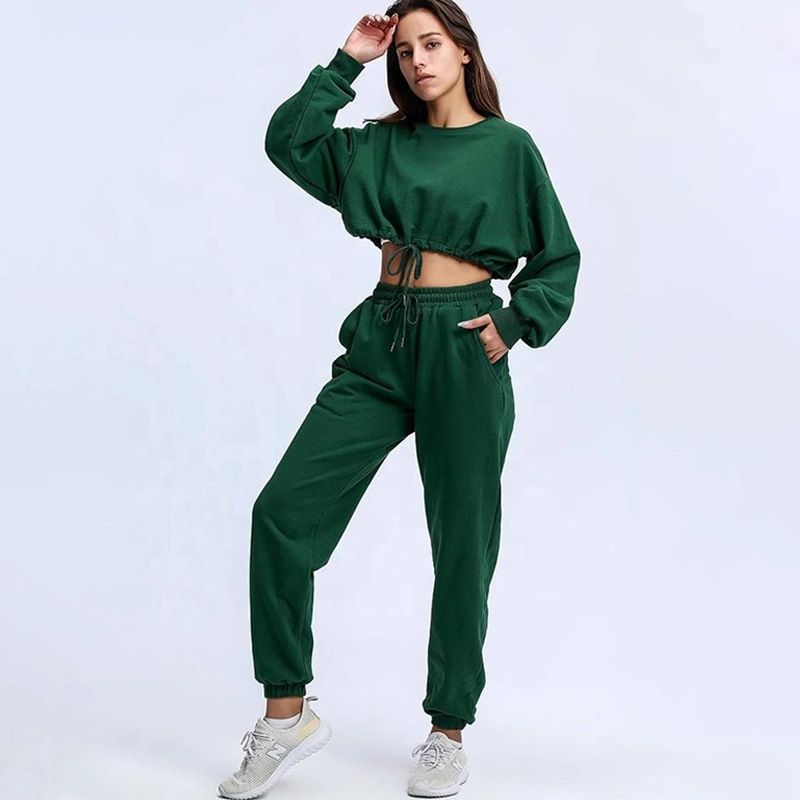
What’s the Difference Between Regular and Premium Hoodie Quality?

The Short Answer
A premium hoodie costs more because it uses better materials, stronger stitching, and smarter design. It feels better, fits better, and lasts much longer.
But here is the real question: is the extra cost worth it? The answer depends on how often you wear hoodies and what you expect from them.
Fabric: The Foundation of Quality
The biggest difference between regular and premium hoodies is the fabric. Fabric thickness is measured in GSM (grams per square meter). Higher numbers mean thicker, warmer, more durable fabric.
| Fabric Thickness | Type | Best For |
|---|---|---|
| 180-250 | Lightweight | Summer, layering |
| 280-350 | Midweight | Everyday wear, sweet spot |
| 350-450 | Heavyweight | Winter, premium casual fashion |
| 450+ | Extra heavy | Extreme cold |
Premium hoodies use high-quality materials like smooth soft cotton, natural cotton, or 80/20 cotton-polyester blends. The inside is brushed for a soft, plush feel. The fabric feels dense and solid in your hands.
Regular hoodies use lower-grade cotton or high-polyester blends. The fabric is lighter (180-250). It feels thin and flimsy. After a few washes, it gets small balls, fades, and loses its shape.
Here is a simple test. Rub the inside of the hoodie against your wrist. Premium fleece feels dense and soft. Cheap fleece feels thin or even scratchy.
Stitching: What Holds It Together
Stitching tells you how long a hoodie will last.
Premium hoodies use double stitching and reinforced seams. Stress points like shoulders, pocket corners, and cuffs have extra reinforcement. Flat strong stitches lie flat against the skin for comfort.
When you turn a premium hoodie inside out, the stitching looks just as clean as the outside.
Regular hoodies use single stitching. The seams are weaker. Pocket corners are not reinforced. After several washes, seams can loosen or come apart.
A menswear cloth expert explains: “Stitch tightness and seam finishing are quiet signs of quality. You won’t notice them until the cheap one falls apart.”
Fit and Construction
Premium hoodies have carefully designed cuts. The shoulder seams hit at the edge of your shoulder bone. The sleeves are the right length. The body drapes naturally without pulling or sagging.
Premium brands offer multiple fits: slim, regular, relaxed, and oversized. Each is tailored for a specific look and body type.
Regular hoodies use one-size-fits-most patterns. The cuts are less precise. Shoulder seams may droop. Sleeves may be too short or too long. The body often looks boxy or shapeless.
A fashion stylist notes that a well-cut hoodie makes you look better without you even knowing why. The proportions are just right.
Details and Hardware
Premium hoodies use name-brand zippers that glide smoothly and last for years. Drawstring tips are metal or woven, not cheap plastic. Tight stretchy cuffs and hems snap right back into shape. Hoods are double-layered, so they stand up instead of flopping over.
Regular hoodies use no-name zippers that catch and stick. Drawstring tips are plastic and fall off after a few washes. Stretchy parts go slack quickly. Hoods are single-layered and collapse after washing.
Durability and Price Per Use
Here is where the math gets interesting.
A $35 regular hoodie might last 50 wears before it starts looking tired. That works out to $0.70 per use.
A $320 premium hoodie might last 300 wears or more. That is about $1.07 per use for the first year. Nonetheless, if you wear it for three years, the cost drops to around $0.35 per use — cheaper than the regular hoodie in the long run.
A real-world example: James bought a $280 hoodie and a $40 fast-fashion hoodie. Two years later, the $40 hoodie had faded, lost its shape, and been thrown away. The $280 hoodie still looked almost new and remained in his regular rotation.
Brand Premium: Are You Paying for Quality or Hype?
Not all expensive hoodies are actually better made. Some of the price comes from marketing, limited releases, and brand status.
A study found that people rated the exact same item as “more comfortable” and “higher quality” when it had a luxury brand label.
A cloth scientist points out that consumers are not just buying a product. They are buying a story and an identity.
That said, many premium brands genuinely use better materials and construction. The key is learning to tell the difference.
How to Spot Quality in 30 Seconds
- Feel the fabric. Premium fabric feels dense and plush. Cheap fabric feels thin and slick.
- Check the stitching. Turn the hoodie inside out. Look for double stitching, clean edges, and reinforced corners.
- Try it on. The shoulder seams should hit at your shoulder bone, not droop down your arm.
- Stretch the cuffs. Good stretchy parts snap right back. Cheap ones stay stretched out.
- Read the label. Look for fabric percentages, where it was made, and care instructions. Safe fabric certifications are a plus.
Common Mistakes and FAQs
Common Mistakes
| Mistake | What to Do Instead |
|---|---|
| Buying by brand name only | Check the actual fabric and stitching |
| Assuming higher price = better quality | Some expensive hoodies are just hype |
| Ignoring the fabric thickness | GSM tells you more than the price tag |
| Washing with hot water and high heat | Ruins even the best hoodie |
| Not trying it on first | Fit is personal — size charts only go so far |
Frequently Asked Questions
Q: Is a $200 hoodie really worth the money?
A: If you wear it multiple times per week for years, yes. The price per use becomes very low. If you wear hoodies only sometimes, a $50 option may be fine.
Q: What is the best fabric mix for a hoodie?
A: 80% cotton and 20% polyester is the sweet spot. Cotton gives you softness and air flow. Polyester adds durability and resists getting smaller.
Q: How many wears should a good hoodie last?
A: A quality hoodie should last 200-300 wears or more with proper care. Cheap hoodies often start looking worn after 50 wears.
Q: Does a higher GSM always mean better quality?
A: Not always, but usually. A 400 GSM hoodie made from cheap cotton is still better than a 250 GSM hoodie made from cheap cotton. However, a well-made 320 GSM hoodie from high-quality cotton can feel just as solid.
Q: What is the single biggest sign of a well-made hoodie?
A: The stitching inside. Turn it inside out. If the seams look as clean as the outside, that is a very good sign. If you see loose threads, uneven stitching, or single rows of stitches, keep looking.
lore More Articles from WUYI Apparel
Want to learn more about styling essentials hoodies or other apparel tips? Check out some of our other helpful articles:
- Wearing Black to a Wedding: A Modern Etiquette Guide
- Rainwear Jackets: The Perfect Fusion of Fashion and Function
- How To Measure Clothes
- Casual clothing – Casual and elegant through everyday life
- How to Find Your Style:An in-depth exploration of one’s own clothing style
For more tips and tricks on fashion and lifestyle, don’t forget to visit our Blog Section.
Head over to our Shop Page to browse our full collection and pick your favorite essentials hoodie today!