Welcome to customize all kinds of clothing

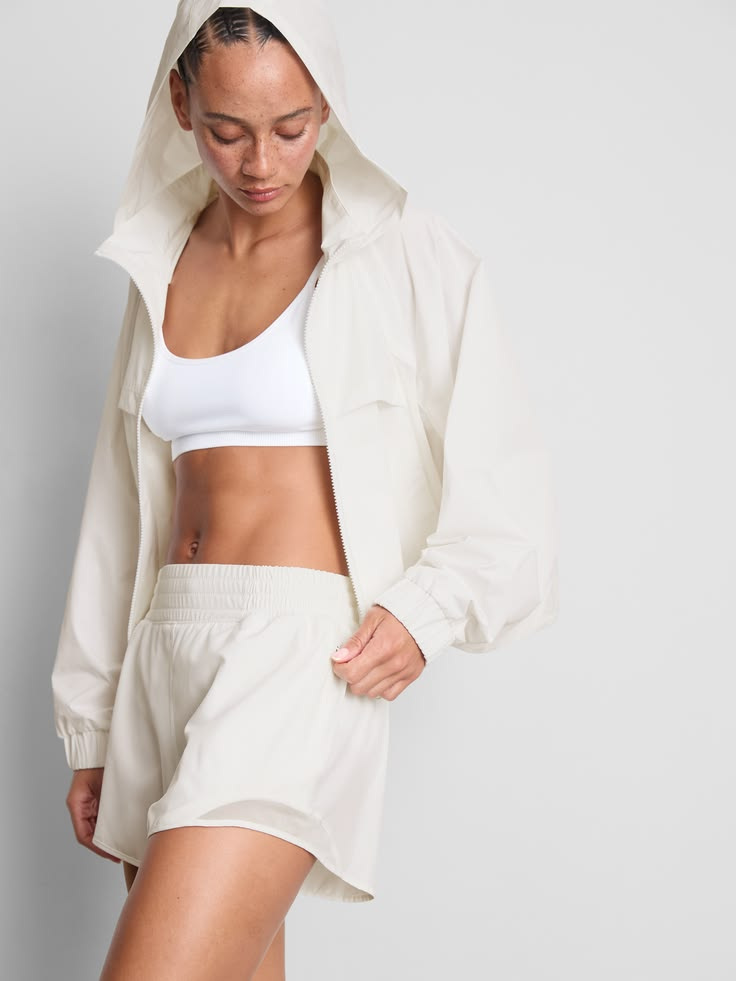
2026 Sunscreen Jackets Ultimate Guide: Face the Sun & Travel Light

As global climates shift and outdoor lifestyles become the new norm, sun protection has evolved far beyond a summer-only routine. It is now a year-round essential in modern skincare and daily dressing. For the urban dweller, a high-quality sunscreen jacket is more than just a physical barrier against UV rays; it is an all-weather companion designed to handle temperature fluctuations, city commutes, and spontaneous weekend adventures.
Entering 2026, the market for sun-protective apparel has matured. The competition is no longer just about chasing the highest UPF numbers. Instead, the focus has shifted to a holistic combination of textile innovation, wearing comfort, and aesthetic design. If you are planning to invest in a new UV jacket this year, here are the key trends and features to watch.
1. The 2026 Market Trend: A Return to “Comfortable Protection”
Industry data indicates that the global market for high-tech sun-protective clothing is experiencing steady growth, with projections suggesting the sector could approach a value of $10.48 billion by 2031 [Source: Market research data referenced in original text]. This expansion is fueled by a significant shift in consumer priorities—moving from a singular obsession with UPF ratings to a focus on the overall wearing experience.
In the latest product lineups for 2026, major brands are unanimously shifting their R&D efforts. The goal is no longer simply to block more UV rays, but to revolutionize the thermal comfort and feel of the fabric. Modern consumers understand that a truly great UV jacket must not only shield them from the sun but also feel breathable, cool, and non-sticky, even in 30°C (86°F) heat.
For example, the newly released collections for the 2026 Spring/Summer season feature products like the 2nd Generation Cooling UV Protection Jacket. These new models move away from exaggerated UPF claims. By using inherent yarn technology, they guarantee a tested UPF of 100+ that remains stable even after 100 washes. The primary innovation, however, lies in enhanced comfort. Upgraded knitting processes create a fabric that delivers an instant cooling sensation upon contact while being highly moisture-wicking and quick-drying, effectively solving the “raincoat-like stuffiness” that plagues many traditional options .
2. The Smart Buyer’s Guide: Decoding the Labels and Choosing the Right Fabric
With so many “high-tech” claims on the market, how do you cut through the noise and select the perfect UV jacket for your needs? Here’s a science-backed guide to help you shop smart.
1. The Core Metric: UPF is King
The first step in choosing a UV jacket is learning to read the label. In many regions, including those following standards like GB/T 18830-2009, a qualified product will clearly display its UPF rating. Look for labels stating “UPF 40+” or “UPF 50+” . UPF 50+ indicates that the fabric blocks 98% of ultraviolet radiation, offering the highest level of protection . Be wary of marketing gimmicks claiming “UPF 200+” or higher—these are often just numbers games with little real-world difference in protection.
2. Material & Construction: The Secret to Lasting Performance
- Fiber Type: From a material science perspective, polyester and nylon are superior to natural fibers for UV protection due to their dense molecular structure.
- Technology: The gold standard in high-end UV jackets today is inherent yarn technology. This method integrates UV-blocking agents directly into the fiber during the spinning process. Unlike topical coatings that can wash off over time, inherent yarn technology ensures the sun protection is durable and lasts the lifetime of the garment.
- Weave Density: A simple test is to hold the fabric up to the light. The less light that passes through, the tighter the weave and, generally, the stronger the UV protection.
3. Color and Cut: Darker Tones Offer More Shade
It’s a common misconception that lighter colors are better for sun protection. Scientifically, the opposite is true. Dark or deep colors (like black, navy, and dark green) absorb more UV radiation than light colors, providing superior protection . While dark colors traditionally absorb more heat, this drawback is being effectively countered by new cooling fabric technologies.
As for design, the trend for 2026 is “full-band coverage” . Beyond the standard hood, features like elongated thumbholes at the cuffs, high-neck collars, and wider peak hoods are becoming standard, ensuring protection for the often-neglected backs of hands, neck, and cheeks .
3. 2026 Style Forecast: The UV Jacket as a Fashion Statement
The old “see-through skin” jackets of the past are being replaced by more substantial and stylish designs. The UV jacket in 2026 embraces two major aesthetic trends:
1. The Fusion of “Techwear” and “Everyday Style.”
Many new UV jackets borrow design cues from outdoor冲锋衣 (soft shells), featuring relaxed, slightly cropped cuts and raglan sleeves. These designs are not only flattering but also versatile, pairing effortlessly with everyday jeans or cargo pants. This allows for a seamless transition from the office to the outdoors .
2. “Color Therapy” Takes Center Stage.
Following the color directions set by major fashion houses for the 2026 seasons, UV wear is moving beyond the classic black, white, and grey. We are seeing a rise in low-saturation, calming “spring colors”—such as Lavender, Off-White, and Soft Mint Green . These hues not only provide a visual sense of coolness in the summer heat but also offer positive “emotional value” through personal style.
4. Care Tips: Extend the Life of Your UV Protection
Investing in a good UV jacket requires proper care to maintain its performance over time.
- Gentle Washing: Hand washing or using the delicate cycle on your washing machine is recommended. This prevents damage to the fabric structure or any coatings from aggressive machine washing .
- Skip the Softener: Avoid using fabric softeners or bleach. Softeners can leave a film on the fibers that clogs pores, reducing breathability and potentially interfering with the fabric’s UV properties.
- Dry in the Shade: Avoid high-heat machine drying and prolonged exposure to direct sunlight when drying. Both can accelerate fabric aging and degradation, reducing its protective capabilities .
Conclusion
Looking ahead to 2026, the sunscreen jacket has transcended its purely functional origins. It has evolved into an essential piece of daily wear that integrates cutting-edge textile technology, superior comfort, and modern aesthetics.
Whether your goal is to protect your skin from increasing UV exposure or simply to find a more comfortable and efficient way to navigate your busy, sun-filled life, choosing the right UV jacket is one of the best investments you can make this year.
This season, let’s wear the right gear, travel light, and confidently embrace every sunny commute and outdoor adventure that comes our way.
Explore More Articles from WUYI Apparel
Want to learn more about styling essentials hoodies or other apparel tips? Check out some of our other helpful articles:
- Wearing Black to a Wedding: A Modern Etiquette Guide
- Rainwear Jackets: The Perfect Fusion of Fashion and Function
- How To Measure Clothes
- Casual clothing – Casual and elegant through everyday life
- How to Find Your Style:An in-depth exploration of one’s own clothing style
For more tips and tricks on fashion and lifestyle, don’t forget to visit our Blog Section.
Head over to our Shop Page to browse our full collection and pick your favorite essentials hoodie today!