Welcome to customize all kinds of clothing

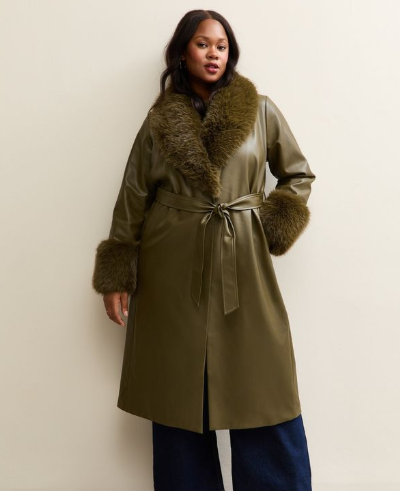
The Ultimate Guide to Leather Jackets: 2026 Buying, Care & Styling Handbook

Overview and Keyword Strategy
Leather jackets are not only timeless fashion icons but also classic pieces that combine functionality with investment value. In 2026, leather jackets continue to evolve, merging sustainable materials, smart technology, and traditional craftsmanship to become essential garments where style meets practicality. This comprehensive guide covers everything from buying advice and trend forecasts to maintenance secrets and value analysis.
Part 1: Core Knowledge of Leather Jackets
1.1 Complete Guide to Leather Types (2026 Update)
Animal Leather Classification:
| Leather Type | Source & Characteristics | Durability | Price Range | 2024 Trends |
|---|---|---|---|---|
| Lamb Leather | Soft, fine grain, natural luster | Medium | $300-$800 | Mainstream choice, lightweight treatments |
| Cowhide | Thick, tough, pronounced grain | Very High | $400-$1500 | Major comeback, especially pull-up leathers |
| Goatskin | Highly durable, distinctive pebbled texture | High | $500-$1200 | Growing niche luxury market |
| Horsehide | High density, natural sheen | Very High | $800-$2500 | Vintage revival driving demand |
| Suede/Deerskin | Napped surface, extremely soft | Medium-Low | $600-$2000 | Designer favorite |
Emerging Sustainable Materials:
- Vegetable-Tanned Leather: Tanned using tree bark, biodegradable (30-50% price premium)
- Mycelium Leather: Lab-grown, fully biodegradable (commercial scale in 2024)
- Recycled Leather: Industrial waste reconstituted, 70% lower carbon footprint
- Piñatex (Pineapple Leather): Annual fashion brand adoption growth: 40%
1.2 Guide to Classic Styles
Five Timeless Styles:
- Motorcycle Jacket (Double Rider)
- Features: Asymmetric zipper, wide lapels, belt
- Origin: 1928 Schott NYC design for motorcyclists
- 2026 Update: More tailored waist, slightly relaxed shoulders
- Bomber Jacket
- Features: Rib-knit collar/cuffs/hem, front zipper
- Evolution: From MA-1 military issue to fashion staple
- 2026 Trend: Added functional pockets, eco-friendly insulation
- Racer Jacket
- Features: Minimalist design, center zipper, small stand collar
- Characteristics: Streamlined silhouette, ideal for layering
- 2024 Innovation: Integrated UPF fabric panels
- Sukajan Jacket (Souvenir)
- Features: Satin panels, embroidery, baseball collar
- Culture: Symbol of Japanese-American cultural fusion
- 2026 Revival: Digital embroidery techniques
- Leather Coat
- Features: Hip-length or longer, versatile design
- Versatility: Transitions from formal to casual
- 2026 Focus: Removable liners, three-season wear
Part 2: 2026 Buying Decision Matrix
2.1 Fit Standards
Key Measurement Checklist:
- Shoulders: Seams should end at shoulder bone tips (±1cm acceptable)
- Sleeve Length: Cuffs should reach wrist bones when arms hang
- Jacket Length: Regular styles should end at belt line
- Chest: Fist should fit between chest and zipped jacket
- Leather Stretch: New jackets should feel “snug”; leather expands 15-20% with wear
2026 Fit Trends:
- Modern Tailoring: Better fitting for Asian body types, shorter lengths
- Inclusive Sizing: More brands offering XXXL and custom services
- Gender-Neutral Designs: 42% of new styles use unisex patterns
2.2 Quality Assessment System
Handmade vs. Machine-Made Comparison:
| Construction Detail | High-Quality Indicators | Warning Signs |
|---|---|---|
| Stitching | 8-12 stitches per inch, nylon thread | Sparse stitching, cotton thread |
| Lining | Breathable natural fibers (cotton, viscose) | Cheap polyester, poorly attached |
| Hardware | Heavy-duty zippers (YKK, Riri), solid metal | Lightweight zippers, peeling plating |
| Edge Finishing | Clean edging, even dye | Rough edges, uneven coloring |
| Seams | Double-stitched, reinforced stress points | Single stitching, no reinforcement |
Investment-Level Brand Reference:
- Heritage Luxury: Schott NYC, Aero Leathers, Belstaff (traditional craftsmanship)
- Designer: Acne Studios, AllSaints, Sandro (fashion-forward)
- Sustainable: Nanushka (vegan leather), Stella McCartney
- Value Premium: The Real McCoys, Falcon Garments (direct-to-consumer)
2.3 2026 Price & Value Analysis
Global Market Average Price Ranges:
- Entry-Level (Fast Fashion): $100-$300 | Lifespan: 1-3 years
- Mid-Range (Quality Brands): $400-$900 | Lifespan: 5-10+ years
- Premium (Heritage Craft): $1,000-$3,000 | Lifespan: 15-30+ years
- Luxury (Designer/Custom): $3,000+ | Lifespan: Generational
Secondary Market Value Retention:
- Top brand classic styles: 60-80% value retention after 5 years
- Limited collaborations: Some appreciate 150-300%
- Vintage rare pieces: Active auction market, 12% annual growth
Part 3: Styling & Seasonal Adaptability
3.1 2026 Styling System
Everyday Style Matrix:
| Occasion | Recommended Style | Key Pairings | Avoid |
|---|---|---|---|
| Business Casual | Simple racer, dark colors | Button-down + tailored trousers | Excessive studs/decoration |
| Weekend Casual | Classic biker, bomber | T-shirt + jeans + white sneakers | Full leather outfits |
| Evening Out | Designer details | Statement piece, simple layers | Over-layering |
| Creative Settings | Special materials/colors | Mixed textures, personal expression | Basic/conservative |
Global Street Style Report:
- Seoul: Oversized biker + dress + platform shoes
- London: Vintage bomber + cargo pants + Dr. Martens
- Los Angeles: Cropped racer + yoga pants + sneakers
- Milan: Tailored leather coat + suit separates
3.2 All-Season Wearing Strategies
Temperature Adaptation Guide:
- 15°C+: Unlined leather jacket, breathable layers
- 5-15°C: Light fleece lining, light-to-medium layering
- -5-5°C: Insulated lining (wool/synthetic), sealed design
- Below -5°C: Heavy leather + removable thermal layer
2024 Technology Integration:
- Temperature Regulation: Phase-change material linings maintain 31°C comfort zone
- Waterproof Breathability: Nano-coatings that don’t impede leather breathing
- Smart Connectivity: Integrated heating zones (USB-charged)
Part 4: Professional Care & Restoration System
4.1 Routine Maintenance Protocol
Cleaning Frequency Matrix:
| Wear Frequency | Surface Cleaning | Deep Cleaning | Professional Care |
|---|---|---|---|
| 1-2 times weekly | After each wear | Every 3 months | Annual |
| 3-5 times weekly | Weekly dusting | Every 2 months | Twice yearly |
| Daily wear | Daily inspection | Monthly light clean | Every 6 months |
2024 Recommended Care Products:
- Cleaner: pH-neutral leather specific (avoid household cleaners)
- Conditioner: Wax-free formulas that maintain breathability
- Protector: New fluorocarbon compounds, waterproof without residue
- Color Care: Professionally matched dyes, not generic products
4.2 Damage Repair Decision Tree
Common Issue Solutions:
- Scratches: <1cm shallow scratches can be minimized with leather cream
- Stains: Treat immediately with specialized cleaner, avoid water
- Dry Cracks: Professional re-dyeing + reinforcement treatment
- Lining Wear: Replaceable, costs ~15-25% of jacket value
- Hardware Damage: Original brand replacement recommended
Repair vs. Replace Economics:
- Repair cost < 30% of jacket value: Repair recommended
- Repair cost 30-60%: Consider emotional value and rarity
- Repair cost > 60%: Evaluate if worthwhile
4.3 Storage Science
Seasonal Storage Checklist:
- Professional Cleaning: Thorough clean after wearing season
- Proper Conditioning: Use high-quality leather care products
- Correct Hanging: Wide wooden hangers, avoid wire hangers
- Environment Control: Avoid direct sunlight, maintain 40-50% humidity
- Breathable Cover: Cotton storage bag, not plastic
Part 5: Sustainable & Ethical Consumption Guide
5.1 2026 Leather Industry Transparency
Certification Systems Explained:
- Leather Working Group (LWG): Environmental tanning certification, gold highest rating
- Cradle to Cradle: Full lifecycle assessment
- Traceability Certification: Source tracking, ensures animal welfare
Ethical Brand Evaluation Standards:
- Supply Chain Transparency: Disclosure of tanneries and material sources
- Chemical Management: Ban on harmful substances like chromium VI
- Labor Standards: Fair wages, safe conditions
- Carbon Footprint: Carbon neutral or offset programs
5.2 Alternative Material Assessment
Emerging Material Performance Comparison:
| Material | Durability | Environmental Impact | Price | Maintenance |
|---|---|---|---|---|
| Traditional Leather | 10/10 | 4/10 | $$$$ | Medium |
| Vegetable-Tanned Leather | 9/10 | 7/10 | $$$$$ | Medium |
| Mycelium Leather | 7/10 | 9/10 | $$$$ | Easy |
| Recycled Leather | 6/10 | 8/10 | $$ | Easy |
| Vegan Synthetic Leather | 5/10 | 5/10 | $ | Easy |
Lifecycle Analysis:
- Premium leather jacket: 20-30 years (with proper care)
- Mid-range vegan leather: 3-5 years
- Fast-fashion leather: 1-3 years
Part 6: Frequently Asked Questions (2026 Update)
6.1 Buying Questions
Q1: How to determine real leather jacket quality?
A: Check three aspects: 1) Smell (natural leather scent, not chemical) 2) Grain (natural variations, not perfectly uniform) 3) Edges (clean finishing, no roughness). Request leather type and origin documentation.
Q2: Is buying leather jackets online reliable?
A: Choose retailers with detailed size charts, real customer photos, clear return policies. In 2024, AR virtual try-on technology reaches 65% adoption, significantly reducing fit issues.
Q3: How much should I invest in my first leather jacket?
A: Budget $400-$800 recommended. This price threshold ensures quality materials and construction. Lower prices often mean compromises.
6.2 Care & Restoration
Q4: Can I clean my leather jacket at home?
A: Surface cleaning only. Use specialized leather cleaner with soft cloth. Stains, water damage, or lining cleaning require professionals. Home cleaning risks discoloration, hardening, or damage.
Q5: How to fix stiff leather jackets?
A: Minor stiffness use leather conditioner. Severe cases need professional “re-tanning” service costing $100-$300, restoring original suppleness.
Q6: Vegetable-tanned vs. chrome-tanned leather: which is better?
A: Vegetable-tanned is eco-friendly and develops unique patina but costs more and starts stiff. Chrome-tanned is softer, water-resistant and affordable but less eco-friendly. Choose based on values and budget.
6.3 Style & Value
Q7: Can leather jackets really last a lifetime?
A: High-quality jackets ($800+) with professional care can last 25+ years. Many vintage jackets (50-70 years) remain wearable and appreciate in value over time.
Q8: Which colors are most classic and retain value?
A: Black (timeless), Brown (vintage value), Navy (modern classic). In 2024, Olive Green and Burgundy emerge as new classics.
Q9: Differences between men’s and women’s leather jackets?
A: Traditionally different cuts, but in 2024, 73% of new styles use unisex patterns. Choose based on shoulder, chest, and length measurements rather than gender labels.
Part 7: 2024-2026 Trend Forecast
7.1 Design & Material Innovation
Upcoming Trends:
- Smart Integration: Biosensors monitoring posture and wear patterns
- Modular Design: Interchangeable collars, liners, pockets
- 4D Printed Leather: Custom textures and breathable structures
- Bioluminescent Details: Sustainable lighting accents
7.2 Market & Consumer Evolution
Predicted Changes:
- Rental Economy: 300% growth in premium leather jacket rentals
- Digital Passports: NFT authentication for provenance, ownership, care history
- Repair Culture: 45% annual growth in professional restoration services
- Local Production: Consumer preference for products made within 500 miles
Conclusion: Leather Jackets as Lifetime Investments
In 2026, a quality leather jacket is far more than outerwear—it represents craftsmanship, sustainable choice, and personal style expression. With technological advances and consumer awareness, modern leather jackets maintain timeless appeal while becoming smarter, more eco-friendly, and more personalized.
Key Takeaways:
- Investment Mindset: Choose quality materials and construction over fleeting trends
- Care Commitment: Regular professional maintenance extends lifespan significantly
- Styling Wisdom: Classic styles never date; incorporate contemporary elements moderately
- Ethical Awareness: Support transparent, sustainable production practices
Whether purchasing your first jacket or expanding your collection, choosing a leather jacket in 2026means joining a generational tradition while embracing an innovative future. The right jacket not only protects from elements but becomes part of your personal narrative, gaining character and stories with each wear.
Explore More Articles from WUYI Apparel
Want to learn more about styling essentials hoodies or other apparel tips? Check out some of our other helpful articles:
- Wearing Black to a Wedding: A Modern Etiquette Guide
- Rainwear Jackets: The Perfect Fusion of Fashion and Function
- How To Measure Clothes
- Casual clothing – Casual and elegant through everyday life
- How to Find Your Style:An in-depth exploration of one’s own clothing style
For more tips and tricks on fashion and lifestyle, don’t forget to visit our Blog Section.
Head over to our Shop Page to browse our full collection and pick your favorite essentials hoodie today!