Welcome to customize all kinds of clothing

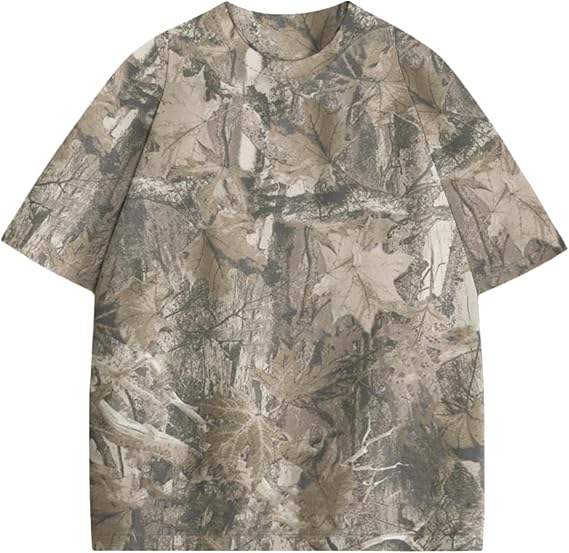
The Ultimate Guide to Custom T-Shirt Printing: How to Choose the Perfect Printing Method for Your Needs

Why is Custom T-Shirt Printing So Popular?
In an era of growing demand for personalization, custom t-shirt printing has evolved from a corporate promotional tool into a significant means of personal expression. From team building and company apparel to personal memorabilia, event promotion, and even social media monetization, the custom t-shirt market is expanding at an unprecedented rate. Data indicates that the global personalized apparel market is projected to reach $48.2 billion by 2027, with a compound annual growth rate (CAGR) of 5.8%.
Comprehensive Analysis of 7 Mainstream T-Shirt Printing Technologies
1. Screen Printing
Best For: Bulk production (50+ pieces), single-color or limited-color designs
Technical Features:
- Each color requires a separate screen
- Thick ink layers with high color saturation
- Excellent durability, withstands multiple washes
- Per-unit cost decreases with quantity
Pros and Cons:
- ✅ Cost-effective (for large quantities)
- ✅ Vibrant, long-lasting colors
- ✅ Suitable for simple designs
- ❌ High cost for small batches
- ❌ Difficult for complex designs
- ❌ Minimum order quantity required
Price Reference: Approximately ¥15-25/piece for 50 single-color prints, dropping to ¥8-15/piece for 500
2. Direct-to-Garment (DTG) Printing
Best For: Small batches, complex designs, full-color graphics
Technical Features:
- Similar to home printers, prints directly onto fabric
- No screens needed, short preparation time
- Handles complex gradients and fine details
- Environmentally friendly water-based inks
Pros and Cons:
- ✅ No minimum quantity (can print single pieces)
- ✅ Full-color capability
- ✅ Flexible design modifications
- ❌ Relatively high per-unit cost
- ❌ Requires pretreatment for dark fabrics
- ❌ Slightly less durable than screen printing
Price Reference: Approximately ¥60-120 for single full-color pieces, ¥40-80/piece for 50
3. Heat Transfer
Best For: Small batches, special effects
Technical Features:
- Pattern first printed on special paper
- Transferred to fabric through heat pressing
- Includes vinyl cutting and digital transfer options
- Allows special effects (foil, reflective, etc.)
Pros and Cons:
- ✅ Low equipment investment
- ✅ Suitable for small-scale customization
- ✅ Rich in special effects
- ❌ Can have a “plastic” feel
- ❌ Average durability
- ❌ Not suitable for large-area designs
Price Reference: Transfer film ¥5-15/sheet, plus base t-shirt cost
4. Embroidery
Best For: Logos, text, minimalist designs
Technical Features:
- Uses embroidery thread stitched into fabric
- Strong three-dimensional effect, premium texture
- Extremely durable, nearly permanent
- Ideal for corporate logos and brand marks
Pros and Cons:
- ✅ High-end texture
- ✅ Excellent durability
- ✅ Professional brand image
- ❌ Higher cost
- ❌ Limited detail
- ❌ Not suitable for large patterns
Price Reference: Calculated by stitch count, small logos approximately ¥20-40/piece
5. Sublimation Printing
Best For: Synthetic fabrics, athletic wear, all-over designs
Technical Features:
- Dye sublimates into fibers under high temperature
- Pattern becomes part of the fabric
- Allows full-coverage designs (including sleeves)
- Soft hand feel, no additional layers
Pros and Cons:
- ✅ High design freedom
- ✅ Best hand feel
- ✅ Good durability
- ❌ Only suitable for polyester or coated fabrics
- ❌ Best results on white fabric
- ❌ High equipment investment
Price Reference: Approximately ¥80-150 for single full-color pieces
Key Decision Factors for Choosing Printing Technology
1. Order Quantity
- 1-10 pieces: DTG, Heat Transfer
- 10-50 pieces: Choose based on design complexity
- 50-500 pieces: Screen printing shows clear cost advantages
- 500+ pieces: Screen printing absolute advantage
2. Design Complexity
- Single-color simple designs: All technologies suitable
- Full-color photo-quality: DTG or sublimation
- Special colors (fluorescent, metallic): Screen printing
- Gradient effects: DTG best
3. Fabric Type
- 100% cotton: Screen printing, DTG, embroidery
- Cotton-polyester blends: Most technologies suitable
- 100% polyester: Sublimation best
- Dark fabrics: Screen printing or pretreated DTG
4. Budget Considerations
- Limited budget: Screen printing (large quantities), heat transfer (small batches)
- Medium budget: Choose based on other factors
- Unlimited budget: Embroidery or high-quality DTG
5. Time Requirements
- Urgent (1-3 days): Heat transfer, local DTG services
- Standard (5-10 days): Screen printing, standard DTG
- No time pressure: Can compare multiple supplier quotes
T-Shirt Fabric Selection Guide
Cotton Fabric Series
Ring-Spun Cotton:
- Most common, cost-effective
- 180-200g suitable for daily wear
- Price: ¥30-60
Combed Cotton:
- Longer fibers, smoother fabric
- Less pilling, more durable
- Price: ¥50-90
Organic Cotton:
- Eco-friendly option, no chemical pesticides
- Softer, suitable for sensitive skin
- Price: ¥70-120
Performance Fabrics
Bamboo Fiber Blends:
- Natural antibacterial properties
- Ultra-soft, good drape
- Price: ¥60-100
Modal:
- Silk-like feel
- Good breathability
- Price: ¥70-110
Moisture-Wicking Fabric:
- Primarily polyester
- Best for athletic activities
- Price: ¥80-140
Fabric Weight Selection
- Lightweight (130-150g): Summer, layering
- Standard (180-200g): All-season, most popular
- Heavyweight (220-250g): Strong texture, structured look
- Ultra-heavyweight (280g+): Premium option, excellent durability
Professional Design Preparation Guide
File Format Requirements
Vector Files (Best):
- AI, EPS, PDF formats
- Can be infinitely scaled without distortion
- Essential for screen printing
High-Resolution Bitmaps:
- 300+ DPI
- PNG with transparent background
- Acceptable for DTG
Common Mistakes to Avoid:
- Low-resolution images downloaded from the web
- Text not converted to outlines
- Using RGB instead of CMYK color mode
Color Management
Pantone Color Matching:
- Essential for corporate brand colors
- Provide Pantone numbers
- Screen printing allows precise matching
Color Quantity Limitations:
- Screen printing: Each color charged separately
- DTG: Full color with no extra charges
- Economic recommendation: 1-3 color designs
Design Size and Placement
Common Print Locations:
- Left chest: 8-10cm wide (suitable for logos)
- Center front: 25-30cm wide
- Back: 30-40cm wide
- Sleeve: 3-5cm wide
Safe Margins:
- At least 8cm from collar
- At least 3cm from side seams
- Consider folding and packaging
Supplier Selection Evaluation Table
| Evaluation Dimension | Weight | Key Assessment Points |
|---|---|---|
| Print Quality | 25% | Sample inspection, color accuracy, edge clarity |
| Price Competitiveness | 20% | Transparent quotes, no hidden fees, bulk discounts |
| Production Time | 15% | Standard lead time, rush options, on-time delivery record |
| Customer Service | 15% | Response speed, expertise, problem-solving ability |
| Minimum Order Quantity | 10% | Flexibility, acceptance of small batches |
| Additional Services | 10% | Design assistance, logistics, after-sales service |
| Sustainability | 5% | Eco-friendly materials, social responsibility, certifications |
Recommended Review Steps:
- Request physical samples (not just photos)
- Check past customer reviews
- Inquire about equipment and technology updates
- Confirm after-sales policies (defective handling)
- Request detailed itemized quotes
Cost Control Strategies
Bulk Discount Techniques
- Tiered pricing: Different prices for 50, 100, 250, 500 pieces
- Order consolidation: Small teams can combine orders
- Long-term partnerships: Establish relationships with reliable suppliers
- Off-season production: Avoid peak year-end event periods
Design Optimization for Cost Reduction
- Reduce number of colors
- Use supplier’s existing fabric colors
- Standardize sizes (avoid special sizes)
- Simplify packaging requirements
Watch Out for Hidden Fees
- Screen setup fees (screen printing)
- Color fees (each color charged separately)
- Sample fees
- Special size additional charges
- Rush fees
- Design modification fees
Quality Inspection Standards
Essential Inspection Items Upon Receipt
- Print Quality:
- Clear patterns, no blurring
- Even colors, no color variation
- Accurate placement, no misalignment
- Fabric Inspection:
- No flaws or stains
- Neat stitching
- Accurate size labels
- Process Details:
- Good elasticity in collars and cuffs
- Smooth side seams
- Complete care labels
Washing Test Recommendations
- First wash inside out, hand wash
- Water temperature not exceeding 40°C
- Avoid bleach
- Medium-low temperature ironing (avoid printed areas)
Industry Trends and Innovative Technologies
Environmental Printing Developments
Water-Based Ink Systems:
- Reduce VOC emissions by over 95%
- Softer hand feel
- Gradually becoming industry standard
Biodegradable Transfer Films:
- Reduce plastic waste
- Maintain traditional heat transfer advantages
- Slightly higher cost but growing acceptance
Smart Printing Technologies
On-Demand Printing Systems:
- Zero inventory model
- Single-piece orders, fast delivery
- Integrated with e-commerce platforms for automatic order intake
AR Integration:
- Scan t-shirt patterns to activate digital content
- New interactive marketing tool
- Increases product added value
Personalization Upgrades
3D Texture Printing:
- Three-dimensional tactile effects
- Special occasion applications
- Higher cost but rapid growth
Thermochromic/Photochromic Inks:
- Respond to environmental changes
- Creative interactive experiences
- Niche but growing market
Frequently Asked Questions
Q: What’s the minimum order quantity?
A: DTG technology allows single-piece orders, but per-unit costs are higher. Recommend at least 10 pieces for reasonable pricing.
Q: How long from design to delivery?
A: Standard process takes 7-14 working days, including design confirmation, production, quality inspection, and logistics. Rush services can shorten to 3-5 days (additional fees apply).
Q: Which printing method is most durable?
A: Embroidery offers the best durability, followed by high-quality screen printing. DTG prints can also maintain good condition for 2-3 years with proper care.
Q: How do light-colored designs look on dark t-shirts?
A: Requires pretreatment or opaque inks. Screen printing works better; DTG needs special white ink underbase process.
Q: Can I print my own photos?
A: Yes, DTG and sublimation are particularly suitable for photo-quality prints. Recommend providing high-resolution original images (at least 150 DPI).
Q: How to ensure consistent colors across different batches?
A: Use Pantone colors for specification, require suppliers to maintain ink formulas, and request sample confirmation for large orders.
Success Stories and Best Practices
Corporate Brand Promotion Case
Tech Company Event T-Shirts:
- Choice: 200 pieces screen printed
- Design: Company logo + event theme
- Fabric: 220g combed cotton
- Result: High employee wear rate, increased social media exposure
Small Team Customization Case
Startup Team Culture Shirts:
- Choice: DTG printing 15 pieces
- Design: Personalized names + team slogan
- Fabric: Standard 180g ring-spun cotton
- Result: Enhanced team cohesion, controllable costs
Personal Memorabilia Case
Wedding Commemorative T-Shirts:
- Choice: Embroidery + DTG combination
- Design: Couple names/date embroidery, photos DTG
- Fabric: High-quality bamboo fiber blend
- Result: Unique commemorative value, positive guest feedback
Action Guide: 7 Steps to Perfect Customization
- Define Requirements: Quantity, purpose, budget, timeline
- Design Preparation: Prepare high-quality design files
- Technology Selection: Match technology using guidelines above
- Fabric Selection: Balance comfort, durability, and cost
- Supplier Screening: Obtain detailed quotes from 2-3 suppliers
- Sample Confirmation: Essential step to avoid bulk order issues
- Production Follow-up: Regular communication to ensure quality and schedule
Conclusion: Start Your Customization Journey
Custom t-shirt printing has evolved from a professional service to an accessible personalization option for everyone. Whether you’re a business owner seeking brand promotion, an organizer planning team events, or an individual wanting to create unique memorabilia, now is the perfect time to start your custom project.
Key Recommendation: Start with small batches for first-time collaborations, expanding orders after building trust. Focus on print quality rather than price alone. A high-quality custom t-shirt becomes a walking billboard, continuously creating value for you.
Begin planning your custom t-shirt project today—transform creativity into wearable art, letting each t-shirt tell a unique story.
Explore More Articles from WUYI Apparel
Want to learn more about styling essentials hoodies or other apparel tips? Check out some of our other helpful articles:
- Wearing Black to a Wedding: A Modern Etiquette Guide
- Rainwear Jackets: The Perfect Fusion of Fashion and Function
- How To Measure Clothes
- Casual clothing – Casual and elegant through everyday life
- How to Find Your Style:An in-depth exploration of one’s own clothing style
For more tips and tricks on fashion and lifestyle, don’t forget to visit our Blog Section.
Head over to our Shop Page to browse our full collection and pick your favorite essentials hoodie today!