Welcome to customize all kinds of clothing

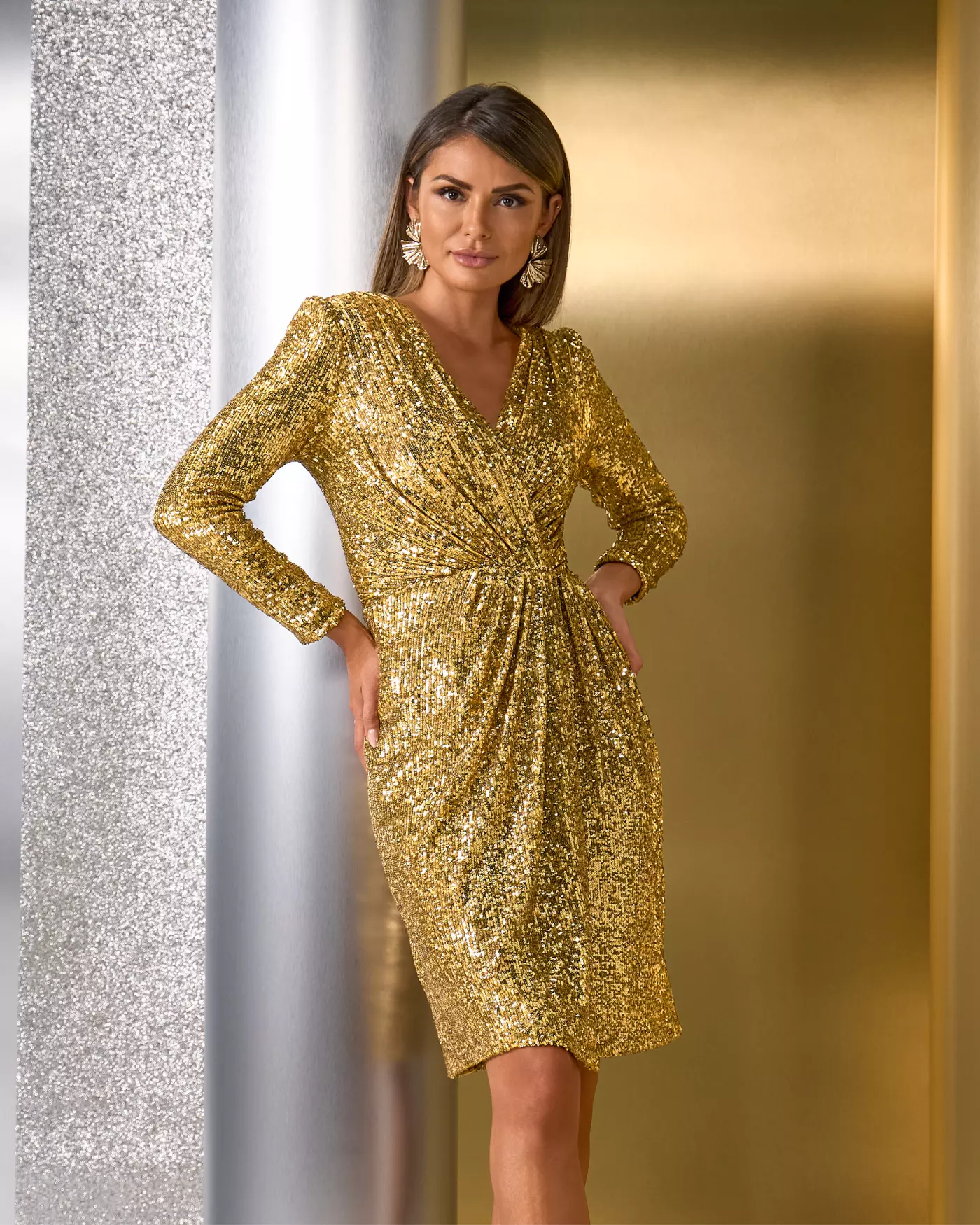
The Ultimate Guide to Buying Dresses: Where to Shop and How to Choose the Best Channels

Introduction: Modern Trends in Dress Shopping
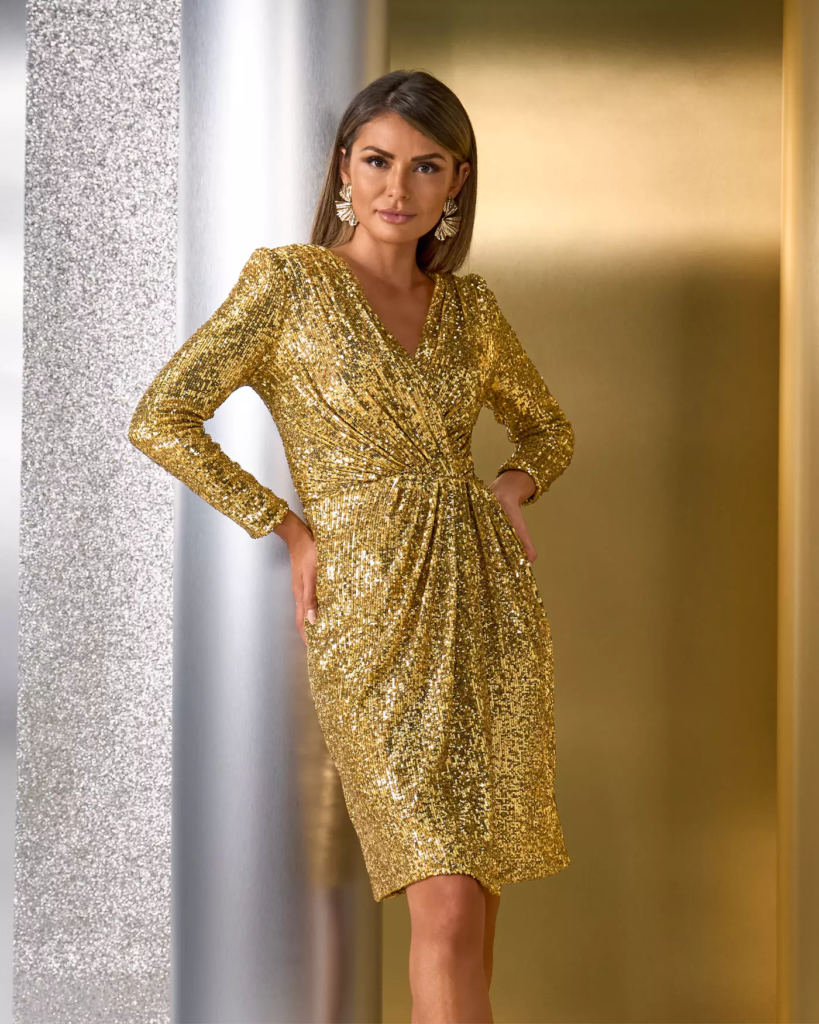
Buying a dress has evolved from simple in-store shopping to a diversified shopping experience. With the development of e-commerce, changes in consumer behavior, and the transformation of the fashion industry, today’s shoppers face an unprecedented wealth of choices. This guide will systematically analyze the pros and cons of various shopping channels to help you find the best way to purchase dresses based on your budget, occasion, and needs.
Chapter 1: Traditional In-Store Shopping
1.1 Department Stores
Representative Retailers: Nordstrom, Macy’s, Bloomingdale’s, Galeries Lafayette, Lane Crawford
Advantage Analysis:
- One-stop Shopping: Multiple brands in one place, saving time.
- Fitting Experience: Try on immediately to ensure correct sizing.
- Professional Service: Sales associates provide styling advice.
- After-Sales Service: Relatively flexible return and exchange policies.
Best For: Consumers who prioritize the shopping experience, need professional advice, or are unsure of their size.
Shopping Tips: Watch for holiday promotions, member days, and clearance sections.
1.2 Brand Boutiques
Fast Fashion Brands: Zara, H&M, Uniqlo, Forever 21
Affordable Luxury Brands: Massimo Dutti, COS, Mango
Designer Boutiques: Independent designer stores
Advantage Analysis:
- Cohesive Brand Style: Strong overall aesthetic.
- Fast New Arrivals: Keeps up with trends.
- Member Benefits: Points programs, exclusive discounts.
Best Time to Shop: End-of-season sales, anniversary sales, Black Friday.
1.3 Curated Multi-Brand Boutiques
Characteristics:
- Curated selection from multiple designers.
- Unique selections, lower chance of seeing the same dress elsewhere.
- Higher price point but quality is assured.
Best For: Special occasions, searching for unique designs, consumers with ample budgets.
Chapter 2: E-commerce Platform Selection Guide
2.1 Comprehensive E-commerce Platforms
Amazon:
- Advantages: Vast selection, strong price competitiveness, fast logistics.
- Disadvantages: Inconsistent quality, requires careful filtering.
- Search Tips: Use specific keywords, filter for ratings of 4.0+, read detailed reviews.
Tmall / Taobao:
- Advantages: Rich in Chinese design brands, wide price range.
- Precautions: Pay attention to store ratings, buyer photos (“buyer shows”), and return/exchange policies.
2.2 Fashion-Focused E-commerce
Net-a-Porter / Farfetch:
- Positioning: Luxury and designer brands.
- Features: Professional editorial content, exquisite packaging, global delivery.
- Best For: Consumers seeking high-end designer dresses.
ASOS / Revolve:
- Positioning: Fast fashion to affordable luxury.
- Features: Diverse brands, affordable prices, student discounts.
- Best For: Trend-focused young consumers.
Shopbop / SSENSE:
- Positioning: Contemporary designer brands.
- Features: Strength in North American brands, strong seasonal promotions.
2.3 Brand Official Websites
Advantages:
- Most complete selection of styles and sizes.
- Access to new collections first.
- Guaranteed quality from brand-direct sales.
- Official membership programs.
Shopping Tip: Subscribe to brand emails for exclusive offers, follow social media for promo codes.
Chapter 3: Specialized Purchasing Channels
3.1 Rental Services
Best For: Special occasions (weddings, galas), experimenting with new styles, sustainable consumption.
Recommended Platforms:
- Rent the Runway: The largest US clothing rental platform.
- YCloset: Chinese clothing rental service.
- Armarium: High-end designer gown rentals.
Cost Analysis: A single rental is typically 10-20% of the retail price.
3.2 Secondhand and Vintage Markets
Sustainable Fashion Choices:
- The RealReal: Authenticated luxury resale.
- Vestiaire Collective: Global designer resale platform.
- Depop: Secondhand community popular with youth.
- Vintage Stores: Physical vintage shops.
Advantages: Unique styles, eco-friendly, price advantages.
Precautions: Check item condition, understand authentication processes.
3.3 Subscription Box Services
How it Works: Style quiz → stylist curation → try-on at home → purchase liked items.
Recommended Services:
- Stitch Fix: Personalized outfit recommendations.
- Wantable: Customized based on preferences.
- Trunk Club (by Nordstrom).
Best For: Busy professionals, those who struggle with styling.
Chapter 4: Choosing Channels by Dress Type
4.1 Everyday Dresses
- Best Channels: Fast-fashion physical stores, Zara/H&M official sites, Amazon.
- Price Range: $20-$100.
- Shopping Advice: Focus on basics, choose easily matched colors and silhouettes.
4.2 Work Dresses
- Best Channels: Ann Taylor, Banana Republic, COS, & Other Stories.
- Key Needs: Professional feel, comfort, durability.
- Investment Advice: Invest in 2-3 high-quality basic pieces.
4.3 Special Occasion Dresses
- Best Channels: Rental services, formalwear sections of department stores, designer boutiques.
- Budget Planning: Allocate budget based on the importance of the event.
- Plan Ahead: Start looking at least 1-2 months in advance.
4.4 Wedding-Related Dresses
- Bridal Gowns: Professional bridal shops, custom ateliers.
- Guest Dresses: Reformation, Lulus, Showpo.
- Mother-of-the-Bride/Groom Dresses: David’s Bridal, Adrianna Papell.
Chapter 5: Global Shopping Guide
5.1 Regional Advantages
- United States: Complete brand selection, frequent promotions, shopper-friendly return policies.
- Europe: Designer brands, seasonal sales (January, July).
- Asia: Trendy designs from Seoul’s Dongdaemun, price advantages on Chinese e-commerce.
- Australia: Resort-style dresses, eco-conscious brands.
5.2 Cross-Border Shopping Considerations
- Customs duties and tax calculations.
- International shipping costs and times.
- Size conversion (refer to brand-specific size charts).
- Return/exchange costs and procedures.
Chapter 6: Smart Shopping Strategies
6.1 Price Tracking & Deal Acquisition
Recommended Tools:
- Honey: Automatically finds promo codes.
- ShopStyle: Compares prices across platforms.
- Google Shopping: Price comparison engine.
Best Times to Buy: - Seasonal clearance (buy winter clothes in January, summer clothes in July).
- Black Friday / Cyber Monday.
- Member Days (e.g., Amazon Prime Day).
- Post-holiday sales.
6.2 Sizing Selection Techniques
General Rules:
- Check the specific brand’s size chart (not generic standards).
- Read sizing suggestions in buyer reviews.
- Note fabric stretch descriptions.
- When unsure, choose merchants with free returns/exchanges.
Body Measurements:
- Accurate bust, waist, and hip measurements.
- Record the brand and size of dresses that fit you best.
6.3 Quality Assessment Methods
Online Shopping Evaluation:
- Photo quality (presence of detail shots, videos).
- Detailed description of fabric composition.
- Description of stitching and craftsmanship.
- Descriptions of the actual item in buyer reviews.
In-Store Checkpoints:
- Neat and secure stitching.
- Fabric hand-feel and drape.
- Lining quality.
- Smoothness of zippers and buttons.
Chapter 7: Budget Management Strategies
7.1 Best Choices for Different Budgets
Budget-Friendly (Under $50):
- Fast-fashion sale sections.
- Amazon bestsellers.
- Treasure hunting on secondhand platforms.
Mid-Range Budget ($50-$300):
- Mid-tier brand official websites.
- Department store promotions.
- Quality e-commerce platforms.
High-End Budget ($300+):
- Designer brand websites.
- Luxury e-commerce.
- Custom orders at boutiques.
7.2 Maximizing Cost-Effectiveness
- Invest in classic styles over trendy ones.
- Consider Cost Per Wear.
- Factor in fabric durability and style longevity.
- Balance the choice between buying and renting.
Chapter 8: Shopping Safety & Scam Prevention Guide
8.1 Judging Website Credibility
- Check for secure connection (HTTPS).
- Look for contact information and physical address.
- Review social media presence and authenticity.
- Search for “[brand/website name] + review” or “complaint”.
8.2 Identifying Common Shopping Scams
- Designer dresses priced suspiciously low.
- Requests for non-standard payment methods.
- Poorly designed websites with numerous text errors.
- Lack of a clear return/exchange policy.
8.3 Payment Security Recommendations
- Use credit cards (which offer fraud protection).
- Avoid making transactions on public WiFi.
- Enable two-factor authentication.
- Regularly check statements.
Chapter 9: Shopping Guide for Special Needs
9.1 Plus-Size Dresses
Specialized Brands: Eloquii, Torrid, Lane Bryant.
Shopping Advice: Look for dedicated plus-size collections, not just extended sizes from regular brands.
9.2 Maternity Dresses
Functional Needs: Room for the belly, nursing convenience, comfortable fabrics.
Recommended Brands: Hatch, Seraphine, ASOS Maternity.
9.3 Petite / Tall Sizes
Petite Brands: Petite Studio, Aritzia (has a petite line).
Tall Brands: Long Tall Sally, ASOS Tall.
Chapter 10: Future Shopping Trends
10.1 Virtual Fitting Technology
- Development of AR try-on apps.
- Accurate size recommendation algorithms.
- 3D garment displays.
10.2 Personalization & Customization
- Made-to-measure services.
- Personalized fabric and color choices.
- AI style recommendations.
10.3 Sustainable Shopping
- Eco-brand certifications.
- Clothing recycling programs.
- Transparency in fabric sourcing.
Frequently Asked Questions (FAQ)
Q1: Should I buy dresses online or in-store?
A: It depends on your priorities. Choose in-store for urgent needs, required try-ons, or special occasions. Choose online for price sensitivity, wider selection, and convenience.
Q2: How can I ensure a dress bought online will fit?
A: Take careful body measurements, compare them to the brand’s specific size chart, read sizing feedback in buyer reviews, and prioritize sellers offering free returns/exchanges.
Q3: When is the best time to buy dresses?
A: At the end of a season (e.g., buy summer dresses in late summer), during major shopping holidays (Black Friday), during brand anniversary sales, and clearance promotions.
Q4: How can I tell if an unfamiliar website is trustworthy?
A: Check for contact information, return policies, and customer reviews; search for the website name + “review”; assess the quality and interactivity of its social media presence.
Q5: Is investing in a classic dress worth it?
A: If you choose a classic style with simple design, high-quality fabric, and good fit, it is usually worth the investment due to its low cost per wear and long lifespan.
Conclusion: Smart Shopping for a Refined Life
Buying a dress is not just about acquiring a garment; it’s a choice of personal style expression and quality of life. In today’s diversified shopping environment, smart consumers know how to combine the strengths of multiple channels: physical stores offer fitting experiences, e-commerce platforms provide convenience and choice, rental services meet special needs, and the secondhand market supports sustainable fashion.
No matter your budget or style preference, there is a purchasing method suited to your needs. The key is to understand your own requirements, research available options, and adopt a strategic approach to shopping decisions. Remember, the best dress-buying experience is one that leaves you feeling confident, satisfied, and aligned with your values and lifestyle.
With the comprehensive information provided in this guide, we hope you can more confidently navigate the world of dress shopping and find those perfect dresses that make you feel beautiful, confident, and authentic.
Explore More Articles from WUYI Apparel
Want to learn more about styling essentials hoodies or other apparel tips? Check out some of our other helpful articles:
- Wearing Black to a Wedding: A Modern Etiquette Guide
- Rainwear Jackets: The Perfect Fusion of Fashion and Function
- How To Measure Clothes
- Casual clothing – Casual and elegant through everyday life
- How to Find Your Style:An in-depth exploration of one’s own clothing style
For more tips and tricks on fashion and lifestyle, don’t forget to visit our Blog Section.
Head over to our Shop Page to browse our full collection and pick your favorite essentials hoodie today!