Welcome to customize all kinds of clothing

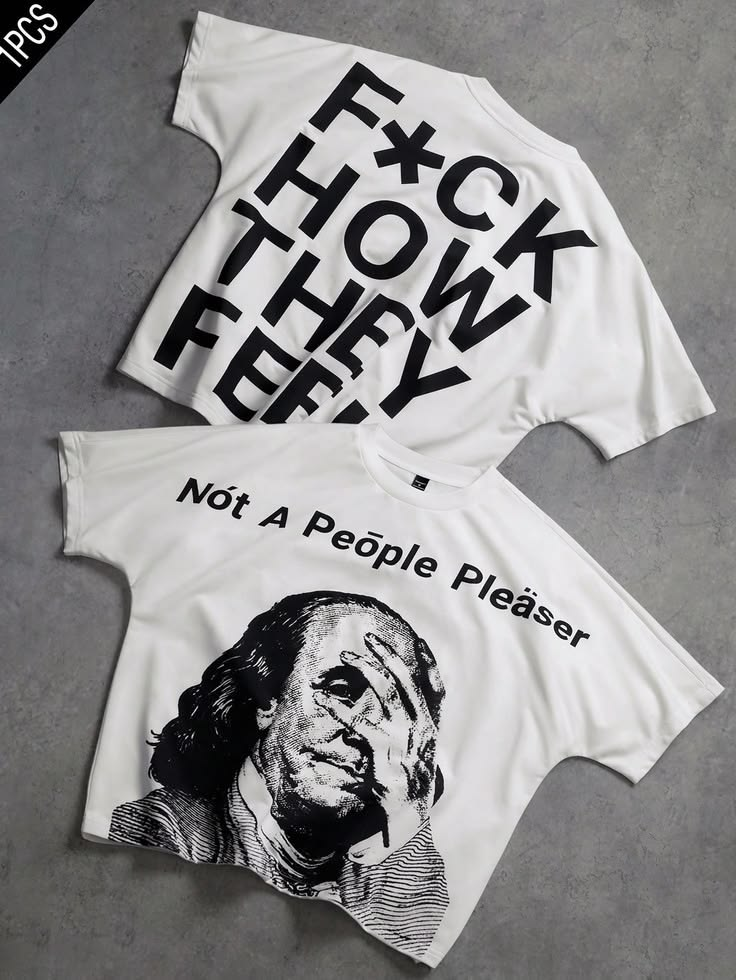
Make Your Own T-Shirt 2026: The Complete Guide to Designing, Printing, and Wearing Your Vision

There’s a moment that happens when you pull a t-shirt over your head and realize—you made this. The design came from your sketchbook, your laptop, your late-night spark of inspiration. The colors are exactly what you imagined. The fit feels like it was made for you.
Because in 2026, it was.
What was once the domain of professional screen printers and bulk orders has become accessible to anyone with an idea and an internet connection. The tools have democratized. The technology has simplified. And the market has exploded—projected to reach $9.88 billion in 2026, growing at 10.7% annually as more people discover the satisfaction of wearing their own creations .
Whether you’re designing for yourself, creating gifts, launching a brand, or outfitting a team, this guide walks you through everything you need to know about making your own t-shirts in 2026.
Why 2026 Is the Year to Make Your Own T-Shirts
The stars have aligned for DIY custom apparel. Three forces are converging to make this the most accessible moment in history for t-shirt creation.
Technology Has Democratized Design
You no longer need a design degree or expensive software to create professional-quality artwork. Free and low-cost tools like Canva offer drag-and-drop templates that anyone can master in minutes . For those seeking more control, Inkscape provides vector capabilities at zero cost. And for serious designers, Adobe Illustrator and Style3D Studio offer industry-grade tools with AI-powered features that simulate fabric drape, stretch, and seams with remarkable accuracy .
The result? Virtual prototyping now cuts physical sample costs by up to 40% , allowing you to test designs on realistic 3D avatars before committing to a single shirt .
Sustainability Is Reshaping Expectations
Consumers in 2026 are done with disposable fashion. They want clothes that last, made with intention and care. This shift has transformed the custom t-shirt landscape .
Millennials—who grew up during the fast-fashion boom—are leading the charge, intentionally moving away from “disposable” clothing and demanding transparency in manufacturing. They want to know where fabrics come from, how workers are treated, and what happens to garments at the end of their life .
For DIY creators, this means you can control every part of the process: choose organic cotton blanks, use eco-friendly inks, and create pieces designed to last for years rather than weeks.
The Market Has Matured
The custom t-shirt printing market is on a trajectory from $8.93 billion in 2025 to $14.61 billion by 2030 . E-commerce now accounts for 15.4% of total retail sales, making it easier than ever to discover, customize, and purchase custom apparel from home . Print-on-demand services have eliminated inventory risk, while advanced home printing methods deliver professional results without commercial equipment.
Where to Design: The Best Platforms for 2026
Before you touch fabric or press “order,” you need to create your design. Here are the leading platforms for 2026.
For Beginners: Canva
Canva remains the go-to for creators who want professional results without a learning curve. Its freemium model offers thousands of templates, an intuitive drag-and-drop interface, and the ability to create mockups that show exactly how your design will look on a shirt .
Best for: Quick graphics, social media lookbooks, first-time designers
Rating: 4.7/5
Cost: Free with pro upgrades available
For Serious Designers: Style3D Studio
If you’re building a collection or want to see exactly how your design will behave on fabric, Style3D Studio is the professional choice. Its AI-driven fabric rendering simulates drape, stretch, and seams with lab-tested physics—far outpacing 2D tools in accuracy . Fashion brands use it to reduce physical prototypes by up to 70%, saving thousands annually.
Best for: Professional collections, fit testing, realistic previews
Rating: 4.8/5
Cost: Subscription tiers with trial available
For Vector Art and Scalable Designs: Inkscape and Adobe Illustrator
For logos, typography, and designs that need to scale without losing quality, vector tools are essential. Inkscape offers powerful free vector capabilities. Adobe Illustrator remains the industry standard for professionals willing to invest in the subscription .
For Mobile Creators: T-Shirt Designer Tool
Need to design on the go? The T-Shirt Designer Tool app (rated 4.6 stars) allows you to create designs directly from your phone, with hundreds of templates, SVG export, mockup viewing, and the ability to save and share designs .
How to Make Your Own T-Shirt: Step-by-Step Methods
Once your design is ready, you have several paths to turn it into a wearable garment. Choose the method that matches your goals, budget, and volume.
Method One: Iron-On Transfers (Beginner-Friendly, Great for Photos)
Iron-on transfers are the most accessible entry point for DIY t-shirt creation. They work beautifully for photographic images, detailed artwork, and small runs.
What You’ll Need:
- Inkjet or laser transfer paper (match to your printer type)
- 100% cotton or high-cotton blend t-shirt
- Household iron or heat press
- Parchment paper or Teflon sheet
- Scissors or craft knife
- Mirror your design before printing—text will appear backwards if you skip this step
- Print on transfer paper and let dry completely (5-10 minutes)
- Preheat your iron to the highest cotton setting with no steam
- Position the transfer face-down on a pre-washed, lint-rolled shirt
- Press firmly for 30-60 seconds per section, moving slowly across the entire design
- Peel carefully according to instructions (some require hot peel, others cold)
- Wait 24 hours before washing, then turn inside out and use cold water
Durability: With proper application, designs last 30+ washes
Method Two: Heat Transfer Vinyl (Best for Bold Logos and Text)
HTV creates durable, professional-looking designs with bold colors and clean lines. It’s ideal for logos, text, and designs with limited colors.
What You’ll Need:
- Cutting machine (Cricut or Silhouette)
- Heat transfer vinyl
- Weeding tool
- Heat press or iron
- Mirror your design in cutting software
- Load HTV onto cutting mat, shiny side down
- Cut the design using recommended settings
- Weed excess vinyl with a hook tool—remove all parts not part of the final image
- Apply transfer tape to lift the design
- Press at 375°F for 15-20 seconds with firm, even pressure
- Peel while warm or cold according to vinyl instructions
Durability: Very high—outlasts most other methods
Method Three: Print-on-Demand (Zero Inventory, Ideal for Selling)
If you want to sell your designs without managing inventory or shipping, print-on-demand services are the answer.
- You upload your designs to platforms like Printful or Printify
- When a customer orders, the platform prints and ships the shirt
- You’re only charged for products that actually sell
- No upfront costs, no inventory management, no logistical headaches
Best For: E-commerce sellers, brand launches, testing designs
Platform Ratings: Printful 4.9/5, Printify 4.7/5
Method Four: Home Screen Printing (For Large Batches)
For those planning to make 20+ shirts, a DIY screen printing kit can be cost-effective. Screen printing offers unmatched durability and the lowest per-unit cost for large orders, but requires significant setup time and practice .
Cost Range: $50–$100 for starter kits
Durability: Professional-grade
Method Five: Fabric Paint and Hand Drawing (Pure Creative Freedom)
Sometimes the most meaningful shirts are the ones made entirely by hand. Fabric markers, stencils, and textile paints allow unlimited creative expression with minimal equipment .
Best For: Unique gifts, children’s projects, artistic expression
Durability: Moderate (5-10 washes) unless sealed with fabric medium
The 2026 Design Trends That Actually Sell
Whether you’re designing for yourself or planning to sell, understanding what’s connecting with audiences in 2026 helps your creations resonate.
Slogan and Quote Tees
Typography continues to dominate. Motivational phrases, witty one-liners, and brand-driven messages appear consistently across bestseller lists . The key difference in 2026 is placement and execution—unique typography arrangements, color blocking, and unexpected positioning set successful designs apart.
Oversized and Relaxed Fits
The heavyweight tee trend has peaked, but oversized silhouettes remain strong. Today’s consumers prefer clean construction and versatile fits that work across body types .
“For men, in particular, silhouettes will lean into architectural shapes that are comfortable without being shapeless,” notes industry experts. “Expect T-shirts that are slightly shorter in length, but heavier in weight, offering a more refined look” .
Earth Tones and Saturated Blues
Color trends for 2026 are grounded in nature. Deep burgundy, shades of brown, versatile neutrals (whites, creams, greys), and bright, saturated blues dominate palettes . These hues reflect a growing desire for consistency, sustainability, and connection to the natural world.
Y2K and 90s Nostalgia
Vibrant gradient effects, oversized prints, and playful color combinations continue to resonate strongly with Gen Z and millennial buyers . The retro streetwear trend keeps heavier weight fabrics and loose-fitting garments in demand.
Eco-Minimalism
Subdued color stories, neutral palettes, and responsibly sourced materials are increasingly central to design . This isn’t just about materials—it’s about an entire aesthetic that signals environmental consciousness.
All-Over Prints
Full-shirt graphics represent the premium end of the custom market. Enabled by advanced sublimation methods, all-over prints allow designs to wrap around the entire garment . For designers seeking true artistic expression, this is the fastest-growing segment.
Design Categories That Connect :
| Category | Description | Best For |
|---|---|---|
| Retro | Nostalgic fonts, era-specific colors | Broad appeal, vintage lovers |
| Minimalist | Clean lines, negative space, limited color | Sophisticated, versatile wear |
| Embroidered | Textured, premium feel | Small logos, pocket designs |
| Special Interest | Hobbies, fandoms, niche topics | Passionate, engaged audiences |
| Floral/Botanical | Timeless nature imagery | Broad, cross-generational appeal |
| Streetwear | Bold graphics, graffiti fonts | Youth market, urban style |
Choosing Your Blank: The Foundation Matters
A great design on a poor-quality shirt is a missed opportunity. In 2026, the garment itself has become as important as the print.
What Consumers Want
- Quality that stands up to time: “Prices keep going up, but the general sentiment is that quality and value have gone down,” notes Ryan Zaczynski of Toasty Hemp Co. The solution? Premium materials that feel worth the investment.
- Clear and predictable sizing: Consumers are weary of fits that vary wildly between brands.
- Consistent color retention: Durable, stable materials that won’t fade after a few washes.
- Low environmental impact: Transparency in fabric and product origin.
Fabric Recommendations
The Lived-In Movement
“The race to innovate in fabrications has never been more active,” says LAT Apparel’s Stephanie Anzalone. “There’s a clear movement toward fabrics that feel lived in from day one. Garment-dye and enzyme-wash finishes are creating vintage softness and tonal depth” .
Print-on-Demand: Your Business Without Inventory
For creators who want to sell their designs, print-on-demand (POD) has revolutionized what’s possible.
How POD Works
- Create your designs using Canva, Illustrator, or your preferred tool
- Upload to a POD platform like Printful, Printify, or Spreadshirt
- Connect to your sales channel (Shopify, Etsy, Amazon, or your own site)
- Set your retail price—keep the profit after the platform deducts production and shipping costs
- Customer orders trigger automatic fulfillment: the platform prints, packs, and ships
- You never touch inventory
The Advantages
- No upfront costs: You’re not paying for inventory that might not sell
- No logistics: Fulfillment partners handle printing, shipping, and customer service
- No minimums: Sell one shirt or one thousand—the platform handles both
- Global reach: Many platforms offer international printing facilities for faster, cheaper shipping
Platform Comparison
| Platform | Key Strengths | Rating | Best For |
|---|---|---|---|
| Printful | E-commerce integrations, global shipping | 4.9/5 | Shopify sellers, established brands |
| Printify | Vast product catalog, supplier network | 4.7/5 | Testing designs, variety |
| Spreadshirt | European presence, designer community | 4.6/5 | Creative marketplace |
| CustomInk | Bulk discounts, professional design tools | 4.8/5 | Teams, events, larger orders |
The DIY Decision: Is Making Your Own T-Shirts Worth It?
This depends entirely on your goals. Let’s break down when DIY makes sense—and when it doesn’t .
DIY Is Worth It When:
- You’re expressing personal style: A shirt with your own design carries emotional value no store-bought item can match
- You’re creating gifts: A birthday shirt with an inside joke becomes instantly meaningful
- You’re starting a side hustle: Profitable with consistency, branding, and quality execution
- You need 10 or fewer shirts: DIY is cost-effective for small runs
- You value uniqueness: The imperfections of handmade designs tell their own story
DIY May Not Be Worth It When:
- You need 20+ shirts for an event: Screen printing services will be faster, more consistent, and often cheaper per unit
- You lack time or patience: Rushed DIY leads to peeling prints and stained clothes
- You require perfect consistency: Hand-painted designs vary from shirt to shirt
The Real Cost of DIY
At first glance, making your own shirt seems cheaper than buying branded. A blank cotton tee costs $5–$8 wholesale. Add a few dollars for materials, and you’re still under $15.
But cost isn’t just money. It’s time, tools, and potential waste.
| Method | Initial Cost | Time per Shirt | Durability |
|---|---|---|---|
| Fabric Paint & Stencils | $10–$30 | 1–2 hours | Moderate (5–10 washes) |
| Iron-On Transfers | $20–$50 | 30 min–1 hour | Good (with proper application) |
| Screen Printing (DIY Kit) | $50–$100 | 2–3 hours (per batch) | High |
| Heat Press + Vinyl | $150–$300+ | 20–40 min | Very High |
If you plan to make multiple shirts, investing in better equipment pays off. If you’re making one shirt, simpler methods are the way to go.
Caring for Your Custom T-Shirts
The work you put into creating your shirt deserves protection. Proper care extends the life of any custom design .
The Golden Rules
- Wait 24 hours before first wash: Allows adhesives and inks to fully set
- Turn inside out: Protects the design from direct abrasion
- Cold water only: Heat breaks down adhesives and can shrink fabrics
- Mild detergent: Skip bleach and fabric softener—both degrade prints over time
- Air dry preferred: Tumble dry low only if necessary
- No ironing directly on the design: Use parchment paper as a barrier if you must iron
Why This Matters
Most iron-on transfers last 20+ washes when cared for properly. Hand-painted designs may fade faster unless sealed. Heat-applied vinyl and properly cured screen prints withstand regular use for years.
From Hobby to Business: Real-World Success
Jamal started making custom t-shirts for his band’s gigs using fabric paint and stencils. Each shirt took nearly two hours, and early versions cracked after a few washes. But he persisted, experimenting with different paints and curing methods .
After six months, he switched to a heat press and printable vinyl, cutting production time in half and improving durability. Within a year, he launched an online shop selling niche designs for remote workers and podcast fans. By reinvesting profits into better equipment and focusing on high-margin designs, he now earns an extra $1,200/month.
His initial investment: around $350.
“It wasn’t easy,” he says, “but every mistake taught me something. Now I love seeing people wear my shirts on video calls” .
Your 2026 Custom T-Shirt Checklist
Before you start your first—or next—project, run through this checklist:
- ☐ Define your goal: Personal expression? Gift? Business? Event?
- ☐ Choose your design tool: Canva for beginners, Illustrator for pros
- ☐ Create or source your artwork: 300 DPI resolution, mirrored if needed
- ☐ Select your blank: 100% cotton for classic feel, blends for durability
- ☐ Pick your method: Iron-on for photos, HTV for logos, POD for selling, screen printing for bulk
- ☐ Pre-wash your shirt: Removes sizing chemicals that interfere with adhesion
- ☐ Test on scrap fabric: Especially for new techniques
- ☐ Set up your workspace: Hard, flat surface, proper ventilation
- ☐ Follow instructions precisely: Heat, time, and pressure are everything
- ☐ Wait before washing: 24 hours minimum
Final Thoughts: The Satisfaction of Making
The custom t-shirt market in 2026 is defined by unprecedented choice. Whether you need one shirt or one thousand, whether you prefer cotton or hemp, photographic detail or bold graphics—there’s a path that leads from your imagination to a finished garment.
What makes this moment distinctive is the convergence of technology, consumer behavior, and creative freedom. Digital design tools have eliminated technical barriers. Print-on-demand has removed inventory risk. Sustainability expectations have raised standards across the industry .
For the creator sitting at their laptop with an idea that won’t let go, the path forward has never been clearer. The tools are accessible. The methods are documented. The market is waiting.
Your shirt is out there. Go make it.
Explore More Articles from WUYI Apparel
Want to learn more about styling essentials hoodies or other apparel tips? Check out some of our other helpful articles:
- Wearing Black to a Wedding: A Modern Etiquette Guide
- Rainwear Jackets: The Perfect Fusion of Fashion and Function
- How To Measure Clothes
- Casual clothing – Casual and elegant through everyday life
- How to Find Your Style:An in-depth exploration of one’s own clothing style
For more tips and tricks on fashion and lifestyle, don’t forget to visit our Blog Section.
Head over to our Shop Page to browse our full collection and pick your favorite essentials hoodie today!