Welcome to customize all kinds of clothing

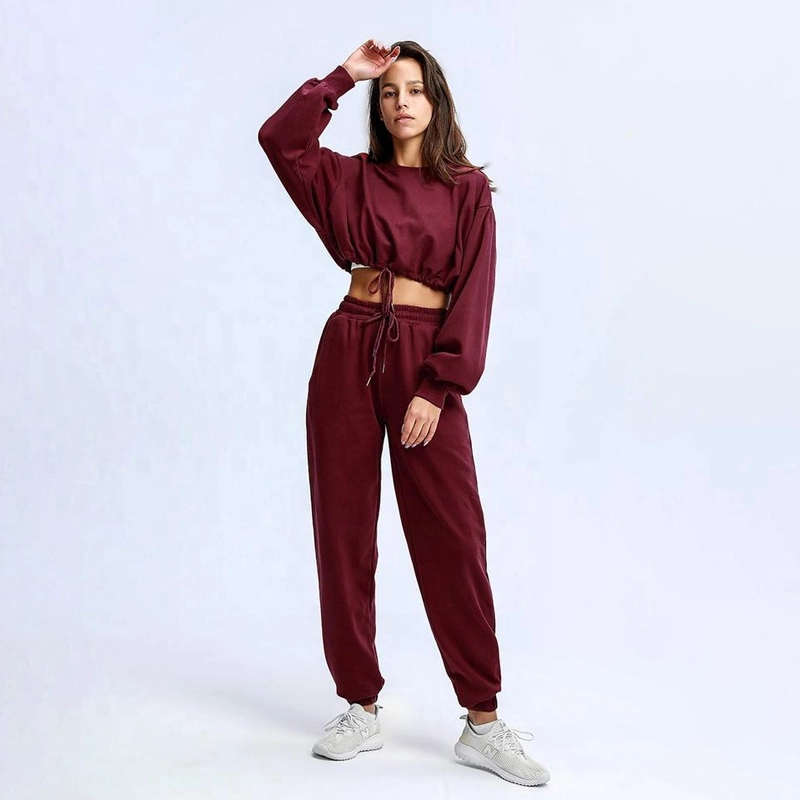
Hoodie Buying Guide 2026: Fabric, Fit, and Brands Explained

What Makes a Good Hoodie?
A good hoodie is no longer just “soft” or “nice looking.” In 2026, buyers want more. They want to know where the materials came from. They want clothes that can handle different weather. They want sizes that fit all body types. Above all, they want to know how long the hoodie will last.
A quality hoodie comes down to three things: fabric, fit, and build quality.
- Fabric decides how warm, breathable, and comfortable it feels
- Fit decides how it looks on you and how freely you can move
- Build quality decides how many years you can wear it
Why Choosing the Right Hoodie Matters
Pick the wrong hoodie, and you will run into problems. It might shrink after one wash. It might get small fuzzy balls after a few wears. It might fit poorly. It might lose its shape within months.
Here is what many shoppers miss. The price tag does not tell the whole story. What matters more is how much you pay each time you wear it. A $198 hoodie that lasts five years costs about $0.42 per wear. A $49 cheap hoodie that falls apart in 14 months costs $1.89 per wear. In short, paying more upfront can save you money over time.
How to Choose: Fabric, Fit, and Brands
Step 1: Understand Fabric
Fabric thickness is measured in GSM. Higher numbers mean thicker, warmer, more durable fabric.
| Fabric Thickness | Weight Class | Best For |
|---|---|---|
| 200-250 | Lightweight | Summer, layering |
| 250-300 | Midweight | Everyday wear, sweet spot |
| 300-400 | Heavyweight | Winter, streetwear |
| 400+ | Ultra Heavy | Extreme cold, premium streetwear |
Fabric type comparison:
| Fabric | Best For | Key Feature |
|---|---|---|
| French terry | Spring, layering, printing | Breathable, smooth outside, looped inside |
| Fleece | Winter, outdoor | Warm, plush, insulating |
| Organic cotton | Daily wear, sensitive skin | Soft, eco-friendly |
The biggest fabric trend in 2026 is “redefined cotton.” Most top-selling hoodies use cotton. Nevertheless, only a small fraction use regular cotton. Organic and recycled cotton now lead the premium market.
Step 2: Choose the Right Fit
There are four main hoodie fits:
- Slim Fit: Close to the body. Best for layering and a clean, modern look.
- Regular Fit: Standard fit. Most versatile. Works for most body types.
- Relaxed Fit: More room than regular. Shoulders sit lower. Comfortable but still looks good.
- Oversized Fit: Intentionally loose. Streetwear style.
How to check if a hoodie fits well:
- Shoulder seam: Should hit the edge of your shoulder bone. If it drops down your arm, it is too big.
- Sleeve length: Should hit your wrist bone.
- Body length: Should cover your belt line.
- Chest room: Should have 2-4 inches of extra space for easy movement.
Here is something that surprises many buyers. Brand sizes are not the same. One brand‘s medium might have a 40-inch chest. Another brand’s medium might have 44 inches. That is a big difference. Never trust the letter size alone. Always check the actual measurements on the size chart.
Step 3: Pick the Right Brand
Here are the top-selling hoodie brands in 2026:
| Brand | Price | Key Feature |
|---|---|---|
| Uniqlo U | $40-60 | Anti-pilling cotton, sizes from XXS to 5XL |
| Carhartt WIP | $80-120 | Triple-stitched, thick 14-oz fleece |
| Outerknown | $198 | Organic cotton and recycled materials, free repairs for life |
| Patagonia | $150-200 | 100% recycled, fair trade certified |
| Naadam | $250-300 | Cashmere blend, very soft |
Fashion editors also recommend Aritzia‘s Cozy Fleece hoodies. The fabric is 78% cotton and 22% polyester. It comes in 27 colors. The fit is slim but still relaxed and comfortable.
Who Should Pay Attention
| Who | Why It Matters |
|---|---|
| First-time hoodie buyers | Easy to pick the wrong size or fabric |
| Frequent online shoppers | Cannot try on — must rely on size charts and reviews |
| Eco-conscious buyers | Need to know which brands are sustainable |
| Anyone who wants comfort and style | You do not have to choose between them |
| Budget-conscious shoppers | Need to understand cost-per-wear |
Common Mistakes and FAQs
Common Mistakes
| Mistake | Fix |
|---|---|
| Buying by letter size only | Check the actual measurements on the size chart |
| Assuming all brands fit the same | Every brand has its own sizing |
| Ignoring what the fabric is made of | Choose organic cotton or recycled polyester |
| Skipping quality checks | Look for strong seams and tight stitching |
| Using high heat in the dryer | Wash cold, air dry to prevent shrinking |
Frequently Asked Questions
Q: How much should I spend on a hoodie?
A: $80-180 is the normal range for a good hoodie. Below $60, you will likely give up quality in fabric or stitching.
Q: What fabric thickness is best for everyday wear?
A: 250-300 GSM is the sweet spot for daily use.
Q: How can I tell if a hoodie will last?
A: Check three things. First, stitch tightness — aim for 10 stitches per inch or more. Second, fabric weight — 300+ GSM is more durable. Third, user reviews — look for people who say “holds up after washing.”
Q: Is organic cotton worth paying more for?
A: Yes, if you care about the environment and how fabric feels on your skin. Organic cotton uses fewer chemicals and feels softer.
Q: Will my hoodie shrink?
A: Yes. 100% cotton hoodies can shrink 3-5% after the first wash. Wash in cold water and air dry to keep the size.
lore More Articles from WUYI Apparel
Want to learn more about styling essentials hoodies or other apparel tips? Check out some of our other helpful articles:
- Wearing Black to a Wedding: A Modern Etiquette Guide
- Rainwear Jackets: The Perfect Fusion of Fashion and Function
- How To Measure Clothes
- Casual clothing – Casual and elegant through everyday life
- How to Find Your Style:An in-depth exploration of one’s own clothing style
For more tips and tricks on fashion and lifestyle, don’t forget to visit our Blog Section.
Head over to our Shop Page to browse our full collection and pick your favorite essentials hoodie today!