Welcome to customize all kinds of clothing

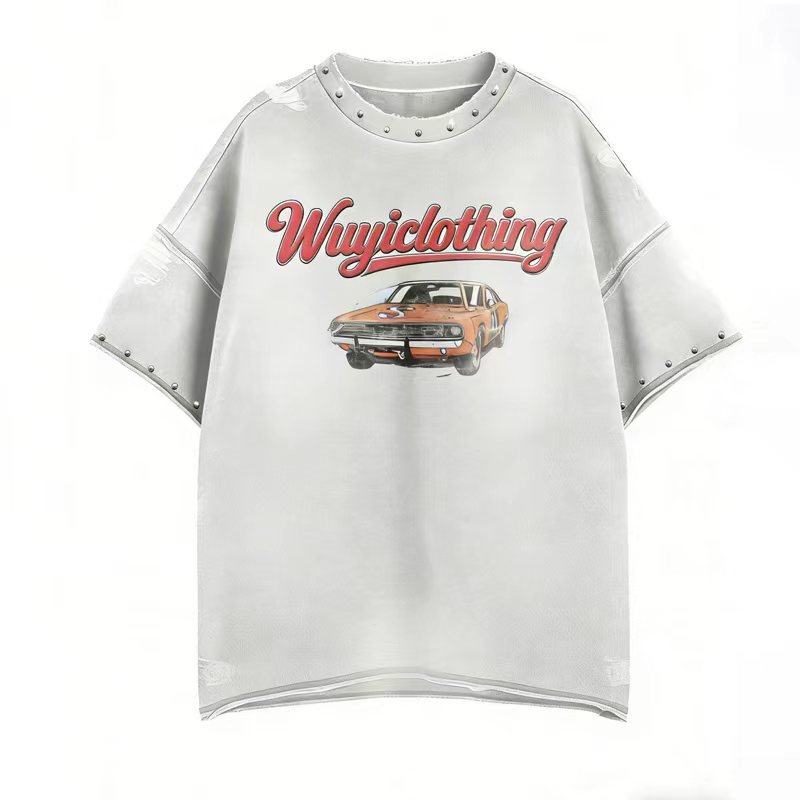
Custom Shirts 2026: The Complete Guide to Personalized Apparel

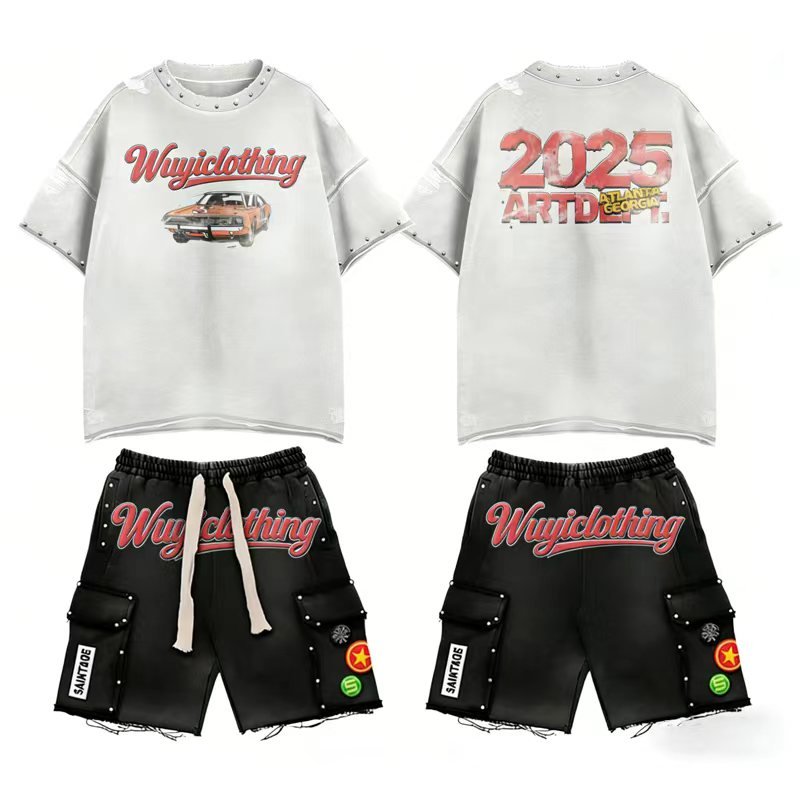
In 2026, custom shirts have moved far beyond the realm of corporate uniforms and wedding parties. They have become a mainstream choice for anyone who values fit, fabric, and the confidence that comes with wearing something made specifically for them. Whether you’re dressing for the boardroom, a weekend brunch, or a special event, the ability to design a shirt that fits your body and reflects your style is more accessible than ever.
The global custom apparel market is projected to reach $110.5 billion by 2035, growing at a compound annual rate of approximately 6.5%. Within this expanding landscape, custom shirts represent one of the largest categories—accounting for nearly 28% of the market. What’s driving this surge? Around 60% of consumers now prefer personalized clothing over mass-produced alternatives, citing fit, quality, and self-expression as their top reasons.
This guide covers everything you need to know about custom shirts in 2026: the fabrics defining the year, the fits that flatter, the details that distinguish, and how to navigate the ordering process whether you’re buying for yourself or for a group.
What Makes a Shirt “Custom” in 2026?
Not all custom shirts are created equal. Understanding the different levels of customization helps you choose the right path for your needs and budget.
| Type | What It Means | Best For |
|---|---|---|
| Made-to-Measure | A base pattern adjusted to your specific body measurements | Most consumers; delivers reliable fit without the price tag of bespoke |
| Bespoke | Fully personalized from pattern creation through fabric selection and detailing; often involves multiple fittings | Fit perfectionists; those with unusual proportions; special occasions |
| Semi-Custom | Pre-selected fits with customizable fabric, collar, cuff, and monogram options | First-time custom buyers; those who want personalization without complexity |
| Customized Mass | Standard shirts altered after purchase—hemming, embroidery, adding details | Budget-conscious shoppers; DIY enthusiasts |
For most consumers in 2026, made-to-measure represents the sweet spot: you provide your measurements, choose your specifications, and receive a shirt that fits significantly better than anything off the rack—all at a price that makes sense for regular wear.
For brands and retailers, the opportunity is equally significant. Online platforms now account for approximately 65% of custom apparel sales, with digital customization tools attracting consumers who want design flexibility without leaving home.
Fabric: The Foundation of Every Great Shirt
The fabric you choose determines how your shirt looks, feels, and performs. In 2026, the options have expanded considerably, with a growing emphasis on sustainability and performance.
Fabric Weaves: What They Mean for You
| Weave | Characteristics | Best For |
|---|---|---|
| Poplin | Smooth, crisp, lightweight; minimal texture | Dress shirts; formal occasions; hot weather |
| Oxford | Basket weave; slightly textured; durable; casual feel | Everyday wear; button-down collars; business casual |
| Twill | Diagonal texture; soft drape; hides wrinkles well | Dress shirts; cooler weather; elegant finishes |
| Pinpoint | Denser than oxford; smoother than poplin | Versatile; works for both dress and casual |
| Linen | Natural texture; breathable; wrinkles intentionally | Summer; casual elegance; warm climates |
| Flannel | Soft, brushed surface; warm; casual | Fall and winter; weekend wear; relaxed settings |
| Herringbone | Distinctive V-shaped pattern; subtle texture | Dress shirts with visual interest; luxury finishes |
Cotton: The Classic Choice
Cotton remains the gold standard for custom shirts, accounting for approximately 70% of all shirt fabric used globally. Within cotton, several quality tiers exist:
- Egyptian Cotton: Extra-long staple fibers produce exceptionally smooth, strong yarns. Known for its luxurious feel and durability.
- Sea Island Cotton: Among the rarest and finest cottons; extremely long fibers create unparalleled softness and luster.
- Supima Cotton: American-grown extra-long staple cotton; excellent strength and softness; more accessible than Egyptian or Sea Island.
- Standard Cotton: Quality varies; look for long-staple varieties for better durability and hand feel.
Thread count matters—but not in the way marketing suggests. For shirtings, 80s to 120s two-ply (meaning two strands twisted together) represents the quality sweet spot. Counts above 200s become increasingly delicate and difficult to iron, offering diminishing returns for everyday wear.
Performance Fabrics for 2026
A significant shift in 2026 is the mainstream adoption of performance blends. Approximately 45% of consumers now prioritize wrinkle resistance in custom shirt purchases—a demand manufacturers have answered.
Wrinkle-Resistant Cotton: Treated fabrics that release wrinkles after hanging or a brief tumble. Quality treatments maintain breathability while significantly reducing ironing time.
Cotton-Stretch Blends: Typically 95–98% cotton with 2–5% elastane or spandex. These provide comfort and freedom of movement without sacrificing the look of a classic cotton shirt. Ideal for fitted silhouettes and all-day wear.
Technical Blends: Fabrics incorporating materials like TENCEL™ Lyocell, modal, or recycled polyester. These offer moisture-wicking properties, enhanced durability, and improved sustainability profiles.
Sustainable Fabric Options
Sustainability is no longer a niche concern. Approximately 40% of consumers prioritize eco-friendly materials in their purchasing decisions, and the custom shirt market has responded.
What to look for:
- Organic Cotton: Grown without synthetic pesticides or fertilizers
- Recycled Cotton: Made from post-industrial or post-consumer cotton waste
- TENCEL™ Lyocell: Closed-loop production process; biodegradable; exceptionally soft
- Hemp Blends: Durable, breathable, and requiring fewer resources than conventional cotton
- Global Organic Textile Standard (GOTS): Certifies organic status and responsible production
- OEKO-TEX Standard 100: Ensures fabrics are free from harmful substances
For European consumers, these certifications have become nearly essential—with over 45% citing sustainability as a key factor in custom apparel decisions.
Fit: The Difference Between “Fits” and “Looks Made for You”
No matter how beautiful the fabric or precise the stitching, a shirt that doesn’t fit properly will never look right. In 2026, fit preferences have evolved toward a more nuanced understanding of what works for different body types and style goals.
Key Measurements for Perfect Fit
When ordering custom shirts, these measurements determine how the shirt will look and feel:
- Neck: Measured at the base of the neck; allows for comfort without excess fabric
- Chest: Fullest part; determines how the shirt drapes across your torso
- Waist: Natural waist or at the point where the shirt will be most fitted
- Hip: Especially important for shirts worn untucked
- Shoulder: From shoulder point to shoulder point across the back
- Sleeve Length: From shoulder point to wrist, with elbow bend considered
- Shirt Length: Front and back; determines whether the shirt stays tucked
Pro tip: Have someone else take your measurements. Self-measurement introduces significant error. Wear a well-fitting shirt as a reference, but don’t simply replicate its measurements—that shirt may have fit compromises you’ve learned to accept.
Fit Styles for 2026
| Fit | Characteristics | Best For |
|---|---|---|
| Classic | Traditional room through chest and waist; sleeves with ease | Traditional dress codes; those preferring comfort; larger body types |
| Slim | Narrower through chest and waist; tapered sleeves | Modern silhouettes; lean body types; younger demographics |
| Tailored | Balanced—slimmer than classic, roomier than slim | Most body types; versatility; professional settings |
| Relaxed | Generous through chest and waist; longer length | Casual wear; untucked styles; layering |
| Athletic | Fitted through chest and shoulders with room through waist | Those with broader shoulders relative to waist; active lifestyles |
The Untucked Shirt
One of the most significant fit trends in 2026 is the refinement of the untucked shirt. Approximately 40% of custom shirt orders now specify a shorter length for wearing untucked.
Key considerations for untucked fit:
- Hem shape: Straight or slightly curved hems sit better when untucked
- Length: Typically 3–4 inches below the waistband, ending around mid-fly
- Side slits: Allow the shirt to drape better over hips
- Body fit: Slightly slimmer through the waist to avoid excess fabric pooling
Details That Define Your Shirt
The beauty of custom shirts lies in the details. In 2026, these choices matter more than ever.
Collars: The Frame of Your Face
The collar is the most visible element of any shirt. Choose wisely:
| Collar Style | Description | Best For |
|---|---|---|
| Spread | Collar points angled outward; accommodates larger tie knots | Dress shirts; professional settings; most face shapes |
| Cutaway | Extreme spread; points angled sharply outward | Modern dress shirts; bold tie knots; fashionable looks |
| Button-Down | Points secured with buttons; casual; stays in place | Oxford shirts; business casual; weekend wear |
| Point | Traditional; points angled close together | Conservative dress codes; smaller tie knots |
| Band | No collar band; stand-up style | Casual; resort wear; distinctive looks |
| Club | Rounded collar points | Vintage aesthetic; casual elegance |
| Mandarin | Stand-up collar without points | Minimalist; modern; no tie required |
Interlining matters: The material between collar layers determines how the collar holds its shape. Options range from soft (casual, natural roll) to stiff (formal, structured). For 2026, medium-weight interlinings are the most popular—they hold shape without looking rigid.
Cuffs: Functional and Decorative
| Cuff Type | Description | Best For |
|---|---|---|
| Barrel (Single) | Closed with one or two buttons; most common | Everyday wear; versatility |
| French (Double) | Folded back and secured with cufflinks | Formal occasions; suits; evening events |
| Mitered | Angled cut at the corner; refined detail | Dress shirts; elevated casual |
| Round | Curved edge; softer look | Casual shirts; untucked styles |
Button options: Standard, contrast, or mother-of-pearl. Each changes the shirt’s character. Mother-of-pearl buttons—especially in dark shades—add subtle luxury.
Plackets: The Front Closure
| Placket Type | Description |
|---|---|
| Standard | Separate piece of fabric covering buttons; clean, traditional |
| French (Hidden) | Buttons hidden behind a second layer; sleek, formal |
| No Placket | Buttons attached directly to shirt front; casual, minimalist |
Pockets: Form and Function
- No pocket: Cleanest look; dress shirts
- Standard patch pocket: Functional; casual to business casual
- Flap pocket: Military influence; casual
- Hidden pocket: Minimalist; keeps essentials close without visible bulk
Monograms and Personalization
Personalization options have expanded significantly:
- Thread colors: Choose from dozens of shades
- Placement: Cuff, collar stand, chest, inside placket, hem
- Style: Block, script, serif, custom logos
- Discreet vs. visible: Subtle interior monograms or bold exterior statements
In 2026, subtle personalization—like a tonal monogram on the inside collar stand or cuff—is trending. It adds a personal touch without announcing itself.
The 2026 Custom Shirt Experience: How It Works
Ordering custom shirts has never been easier. Here’s what to expect.
Option 1: In-Person Fitting
Many custom shirt providers offer brick-and-mortar locations or trunk shows. Benefits include:
- Professional measurement by experienced fitters
- Physical fabric swatches to touch and compare
- Real-time feedback on style choices
- Fitting garments to test proportions
Option 2: Online Ordering
Digital custom shirt platforms dominate the market, accounting for 65% of sales. The process typically includes:
- Measurement submission: Enter your measurements manually or use guided tutorials
- Fabric selection: Browse digital swatches with detailed descriptions
- Style selection: Choose collar, cuff, pocket, placket, and personalization
- Fit preferences: Indicate how you want the shirt to fit (slim, classic, etc.)
- Review and order: See a digital preview before finalizing
Virtual try-on technology is increasingly common, with approximately 50% of customers interested in AR or AI-driven preview tools. While still evolving, these tools help visualize how style choices will look.
Option 3: At-Home Kits
Some services send measurement kits with detailed instructions and tools for self-measurement. This hybrid approach offers convenience with guided accuracy.
Timeline and Cost
Timeline: Expect 2–4 weeks from order to delivery for most made-to-measure shirts. Bespoke options with multiple fittings take 4–8 weeks.
Cost range (2026):
- $80–$150: Entry-level made-to-measure; good fabrics, solid construction
- $150–$300: Premium made-to-measure; excellent fabrics, refined details
- $300–$600: Bespoke; multiple fittings; luxury fabrics; artisan construction
- $600+: High-end bespoke; rare fabrics; master shirtmakers
For context, 60% of consumers express willingness to pay premium prices for personalized clothing. The value proposition is straightforward: better fit, better fabric, better longevity—and the confidence of wearing something made for you.
Caring for Your Custom Shirts
Your custom shirts represent an investment. Proper care extends their life significantly.
Washing
- Dry cleaning: Only necessary for certain specialty fabrics; generally not recommended for everyday cotton shirts
- Machine washing: Turn shirts inside out; use cold water; gentle cycle; wash with similar colors
- Hand washing: Best for delicate fabrics or heavily personalized shirts
Drying
- Air drying: Ideal; hang on quality hangers to minimize wrinkles
- Tumble drying: Low heat only; remove while slightly damp to iron
- Never: Over-dry; this causes shrinkage and weakens fibers
Ironing
- Temperature: Cotton requires high heat; use steam for best results
- Order: Collar, cuffs, sleeves, front panels, back
- Wrinkle-resistant fabrics: Significantly reduce ironing time; some require no ironing at all
Storage
- Hang on broad-shouldered hangers to maintain shape
- Avoid overcrowding in the closet
- For long-term storage, use breathable garment bags
For Brands and Businesses: The Custom Shirt Opportunity
If you’re considering launching a custom shirt line—or adding custom options to an existing apparel business—2026 presents significant opportunity.
Market Context
- Corporate and promotional custom apparel represents approximately 35% of market demand
- Custom shirt programs are popular for:
- Corporate uniforms: Professional appearance, employee satisfaction
- Retail staff: Brand representation, team cohesion
- Events and weddings: Personalized keepsakes, unified aesthetic
- Sports and clubs: Team identity, functional requirements
- Influencers and creators: Merchandise that connects with audiences
Manufacturing Considerations
Minimum Order Quantities (MOQs): Specialized shirt manufacturers now offer programs as low as 100 pieces per style for brands testing the market. This makes custom shirt programs accessible to small businesses and startups.
Development Timeline for brands:
- Pattern development: 5–10 days
- Sampling: 10–14 days
- Fitting approval: 1–2 rounds
- Bulk production: 30–45 days
Fabric considerations:
- Consumption varies by size range and fit
- Plan for 15–20% fabric variance between smallest and largest sizes
- Pre-shrinkage testing ensures consistency
Technical Requirements: Quality shirt production requires specialized equipment for collar and cuff construction, buttonhole finishing, and fusing. Verify your manufacturing partner’s capabilities before committing.
Key Considerations for 2026
- Sustainability documentation: EU and US buyers increasingly require GOTS, OEKO-TEX, or similar certifications
- Fit consistency: Multiple fits (slim, classic, relaxed) across size ranges require careful pattern grading
- Digital integration: Online customization tools are now expected; ensure your platform offers a smooth user experience
- Inventory management: Made-to-order models eliminate waste but require reliable production partners
Why Custom Shirts in 2026?
The case for custom shirts has never been stronger. Here’s why:
1. Fit That Actually Fits
Off-the-rack shirts are designed to fit the broadest possible audience—which means they fit no one perfectly. A custom shirt accommodates your specific proportions: broad shoulders, shorter arms, longer torso, whatever makes you uniquely you.
2. Quality You Can Feel
Mass-market shirts prioritize cost over quality. Custom shirts let you choose fabrics with superior hand feel, durability, and breathability. The difference is noticeable from the first wear.
3. Expression Without Logos
Personalization doesn’t have to announce itself. Subtle choices—a specific collar shape, a unique cuff style, a discreet monogram—communicate attention to detail without branding.
4. Longevity
A well-made custom shirt lasts significantly longer than its mass-market counterpart. Quality fabrics, proper construction, and a fit that doesn’t strain seams all contribute to years of wear.
5. Sustainability Through Longevity
The most sustainable garment is the one you wear for years. By investing in shirts designed to last—and fit well enough that you want to wear them—you reduce consumption and waste.
6. Confidence
There’s a difference between wearing a shirt and wearing a shirt that fits. The confidence that comes from clothing that looks and feels like it was made for you is real—and visible.
The Bottom Line
Custom shirts in 2026 represent a fundamental shift in how we think about everyday clothing. What was once reserved for executives and special occasions is now accessible to anyone who values fit, quality, and the satisfaction of wearing something made for them.
Whether you’re ordering your first made-to-measure dress shirt, building a rotation of casual button-downs, or launching a custom shirt program for your business, the tools and options available today have never been better.
From Egyptian cotton poplin to wrinkle-resistant performance blends, from spread collars to French cuffs, from subtle monograms to bold personalization—the perfect shirt is out there. In 2026, you don’t have to settle for “close enough.” You can have it made exactly how you want.
Explore More Articles from WUYI Apparel
Want to learn more about styling essentials hoodies or other apparel tips? Check out some of our other helpful articles:
- Wearing Black to a Wedding: A Modern Etiquette Guide
- Rainwear Jackets: The Perfect Fusion of Fashion and Function
- How To Measure Clothes
- Casual clothing – Casual and elegant through everyday life
- How to Find Your Style:An in-depth exploration of one’s own clothing style
For more tips and tricks on fashion and lifestyle, don’t forget to visit our Blog Section.
Head over to our Shop Page to browse our full collection and pick your favorite essentials hoodie today!