Welcome to customize all kinds of clothing

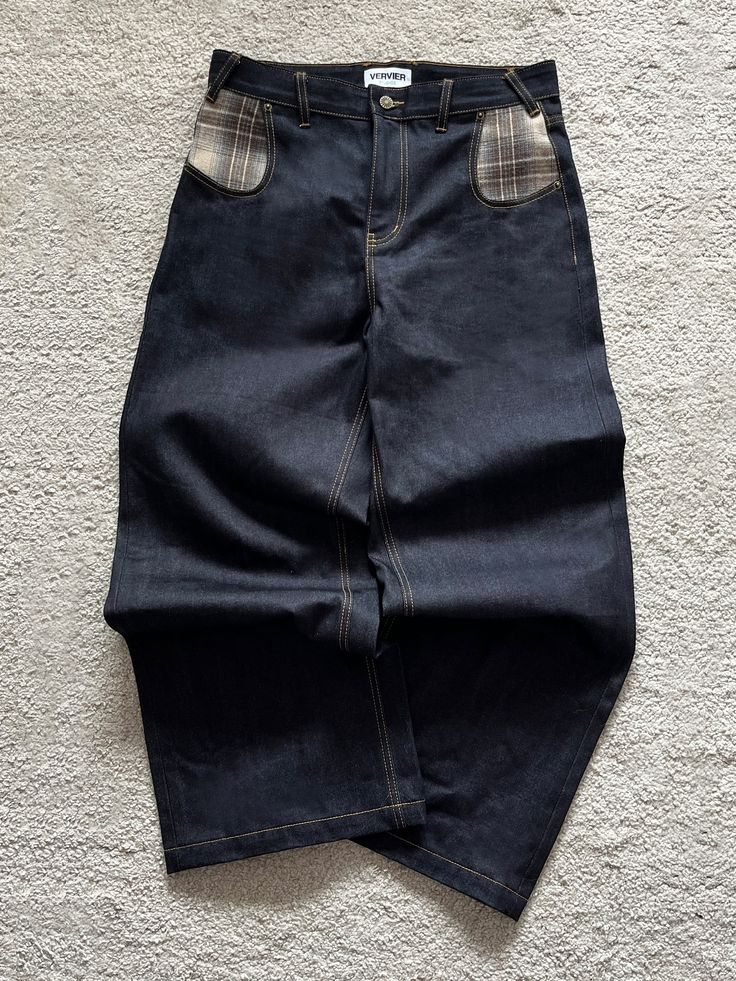
Custom Selvedge Denim Jeans 2026: The Definitive Guide to Heritage Craftsmanship and Modern Manufacturing

There is a quiet ceremony that happens when you first pick up a pair of selvedge denim jeans. You notice the weight of the fabric. You turn up the cuff and see that tightly woven edge—the signature selvedge ID that marks these jeans as something different. You know that over the coming months and years, this denim will mold to your body, fade where you move, and become uniquely yours.
In 2026, selvedge denim is having a defining moment.
After years of stretch-dominated fabrics and fleeting trends, the fashion world has returned to what denim purists have always known: there is nothing quite like a well-made pair of selvedge jeans. From the runways of Givenchy and Khaite to the premium collections of heritage brands like Lee and Uniqlo, selvedge denim has emerged as the year’s defining fabric—prized for its durability, its sculptural structure, and its ability to age beautifully over a lifetime .
This guide covers everything you need to know about custom selvedge denim jeans in 2026—from understanding the fabric’s heritage to navigating custom manufacturing, and finding the perfect pair for your body or your brand.
What Is Selvedge Denim? Understanding the Heritage
The term “selvedge” (short for “self-edge”) refers to the natural edge of denim fabric woven on traditional shuttle looms. Unlike modern projectile looms that produce fabric with frayed edges that must be stitched or serged, shuttle looms create a clean, tightly woven edge that prevents unraveling .
The Origin Story
Contrary to popular belief, selvedge denim was not invented in Japan. The first modern blue jeans, patented in 1873 by Jacob Davis and Levi Strauss, were made from selvedge denim—as were all jeans until the 1960s . Each brand had its own identifying selvedge ID: Levi’s used red thread (giving rise to the Japanese term “akamimi” or “red ear”), Lee used blue, and Wrangler used orange.
The shift to mass production in the 1960s saw most American manufacturers abandon slower shuttle looms for faster projectile looms. Meanwhile, in Japan, brands like Kurabo began producing their own selvedge denim in 1972, preserving and perfecting the craft that America had left behind . Today, Japan remains the undisputed master of selvedge denim, though high-quality selvedge is also produced in the United States, Italy, and increasingly through sustainable initiatives using hemp and recycled fibers .
Debunking Selvedge Myths
Myth 1: Selvedge denim is always heavyweight. In reality, denim weight is determined by yarn thickness and density, not the presence of selvedge. While many selvedge jeans are 14oz or heavier, you can find selvedge in weights ranging from 10oz to 21oz .
Myth 2: Selvedge denim must be rigid and uncomfortable. Selvedge refers only to the weaving method, not the fiber composition. Modern selvedge denim can incorporate elastane for stretch while maintaining the authentic edge finish .
Myth 3: Selvedge is always dyed with natural indigo. The red or colored edge thread has nothing to do with the dye used on the fabric itself. Selvedge denim can be dyed in any color—from classic deep indigo to black, grey, or even earthy tones .
Why 2026 Is the Year of Selvedge Denim
The 2026 runways have delivered a clear verdict: structured, sculptural denim is dominating fashion. From Givenchy to Casablanca, designers are embracing rigid, high-quality denim that holds its shape and creates clean, architectural lines .
The Sculptural Denim Trend
Vogue describes the 2026 denim aesthetic as “hard, fluid, sculptural”—jeans that stand away from the body rather than clinging to it . This look is achieved through:
- High-GSM fabrics (14oz and above) that maintain their structure
- Deep, dark indigo washes that read as sophisticated and versatile
- Clean finishing without excessive distressing or whiskering
- Architectural silhouettes including straight-leg, barrel, and relaxed tapered fits
The Return of Raw Denim
Denimheads have long known the pleasure of breaking in raw, unwashed selvedge denim. In 2026, this practice is going mainstream. Uniqlo’s Masterpiece collection emphasizes rope-dyeing techniques that leave the yarn’s white core intact, allowing wearers to develop their own unique fade patterns over time .
Sustainability as Standard
Consumers in 2026 are demanding jeans that last. Selvedge denim—with its durability, repairability, and potential for decades of wear—represents the antithesis of fast fashion. Leading manufacturers are responding with:
- Organic cotton and hemp blends
- Ozone washing and laser distressing that reduce water consumption
- GOTS-certified materials and OEKO-TEX® Standard 100 certifications
Custom Selvedge Jeans: The 2026 Market Landscape
The custom selvedge denim market spans three distinct tiers: consumer tailor-made, small-batch brand production, and large-scale OEM manufacturing.
Consumer Tailor-Made (B2C)
For individuals seeking the perfect fit, bespoke selvedge jeans are increasingly accessible. Luxire, a made-to-measure specialist, offers custom black selvedge jeans starting at €139.99 with a 100% fit guarantee—if the jeans don’t fit, they remake them free of charge .
Customization options include:
- Front pleats (flat, single, or double)
- Pocket styles (slant, patch, or coin pockets)
- Fly style (zip or button)
- Waistband (belt loops, side adjusters, or Gurkha style)
- Front closure (standard extended or button tab)
- Rear pockets (two with buttons, two without, or single)
- Bottom finish (plain hem or cuffed)
The process typically involves providing measurements from a well-fitting garment, ordering a sample, and receiving finished jeans within 2-4 weeks .
Brand Manufacturing (B2B)
For businesses launching custom selvedge collections, manufacturing costs in 2026 range from $18–$45 per pair for small batches (50–500 units) to $25–$45 per pair for premium bespoke-level production .
| Order Size | Typical Cost Per Pair | Best For |
|---|---|---|
| 50–500 units | $18–$45 | Small brands, capsule collections |
| 500–10,000+ units | $7–$25 | Established brands, volume production |
Premium selvedge fabric (12–14 oz) costs $5.50–$9 per pair in fabric alone, representing 40–60% of total manufacturing cost .
Fabric Selection: Choosing Your Selvedge
The fabric you choose defines everything about your custom jeans—their weight, their feel, their fade potential, and their cost.
2026 Fabric Price Benchmarks
| Origin | Fabric Cost (Per Yard) | Best For |
|---|---|---|
| China (Premium/Tech) | $3.50 – $6.50 | Volume production, innovative blends |
| India (Organic) | $3.20 – $5.80 | GOTS-certified organic selvedge |
| Turkey | $6.50 – $8.50 | Premium sustainability, European markets |
| USA / Japan | $15.00 – $30.00+ | Luxury niche, artisanal selvedge |
Source: Changhong Jeans, 2026 market data
Fabric Weight Guide
| Weight | Characteristics | Best For |
|---|---|---|
| 10–11 oz | Lightweight, easy break-in | Summer wear, first-time selvedge buyers |
| 12–13 oz | Standard mid-weight | Everyday wear, balanced durability |
| 14–16 oz | Heavyweight, structured | Workwear aesthetic, dramatic fading |
| 17–21 oz | Ultra-heavy, rigid | Enthusiasts, cold-weather wear |
Selvedge ID Colors
The colored thread on the selvedge edge has become a signature detail. While traditional selvedge uses red (Levi’s), blue (Lee), or orange (Wrangler), custom manufacturers can create bespoke selvedge IDs in any color to distinguish your brand .
Custom Manufacturing: From Concept to Finished Jeans
For brands entering the custom selvedge market, understanding the manufacturing process is essential.
The Sample Development Process
- Prototype sample: Validates design intent, fit, and material behavior
- Iteration cycles: Refine silhouette, wash, and details
- Pre-production sample: Final approval before bulk production
- In-line inspection: Quality checks during manufacturing
- Final inspection: Validation against approved samples
Expect 3–5 sample rounds for complex custom jeans. Total timeline from concept to delivery typically runs 11–18 weeks .
Key Customization Options
Wash and Finish
- Raw denim (unwashed, develops natural fades)
- Rinse wash (minimal processing, removes shrinkage)
- Stone wash (traditional faded look)
- Laser whiskering (precise, water-saving distressing)
- Ozone treatment (dry, vintage appearance)
Hardware and Trims
- Custom branded buttons with logo
- Copper, nickel, or black finishing
- Custom rivets and zippers
- Leather or vegan leather patches
Branding Details
- Woven neck labels
- Embroidery on pockets or waistband
- Custom hangtags and packaging
- Selvedge ID in brand colors
Cost Breakdown: What You’re Actually Paying For
Understanding the cost drivers helps both consumers and brands make informed decisions.
Fabric (40–60% of Total Cost)
- Premium selvedge from Japan/US: $15–$30/yard
- Factory-direct selvedge: $3.50–$6.50/yard
- Each pair requires approximately 1.5–2.0 yards for full-width fabric, or 2.5 yards for narrow selvedge
Washing and Finishing (Additional $0.50–$12 per pair)
| Wash Type | Additional Cost |
|---|---|
| Rinse/Basic Enzyme | $0.50–$1 |
| Stone Wash | $1.50–$3 |
| Laser Whiskers | $3–$8 |
| Multi-Step Vintage | $5–$12 |
Labor and Construction
- Basic straight-leg: 25–35 minutes sewing time
- Complex multi-panel: 60–120 minutes
- Skilled labor rates vary by region
Hidden Costs to Consider
Shrinkage factor: Rigid denim can shrink 10–15% after first wash; sanforized selvedge shrinks 2–5%. Always confirm shrinkage rates with your manufacturer before committing to production runs .
Cuttable width: Full roll width may be 60 inches, but usable cuttable width might only be 58 inches due to selvedge edges—a 2-inch loss that can increase fabric consumption by 5–10% .
Marker efficiency: A full size run (S–XL nested together) typically achieves 85%+ efficiency; always buffer 3–5% for physical loss .
The Retail Market: What Consumers Pay in 2026
For consumers seeking custom selvedge jeans, pricing varies by service level.
| Tier | Price Range | Features | Lead Time |
|---|---|---|---|
| Entry-Level | $120–$180 | Standard denim, basic rinse, machine-made | 2–3 weeks |
| Mid-Range | $180–$280 | Higher-quality fabric, multiple wash options | 3–5 weeks |
| Premium / Bespoke | $280–$450+ | Selvedge denim, hand-finished, individual pattern drafting | 4–8 weeks |
Examples of 2026 retail offerings:
- Luxire: Custom black selvedge jeans from €139.99
- Lee Gold Label: Premium selvedge at €200 (launching Fall/Winter 2026)
- Bespoke ateliers: $350–$450 for full custom with hand-finishing
Where to Buy Custom Selvedge Jeans
For Consumers:
- Online made-to-measure platforms (Luxire, Proper Cloth)
- Local bespoke denim ateliers
- Premium denim boutiques with custom programs
- Heritage brands with tailoring services (Levi’s Tailor Shop)
For Brands:
- Vertically integrated manufacturers like Changhong Jeans (MOQ starting at 50 pieces)
- Specialized denim factories with in-house washing capabilities
- Sustainable manufacturers offering organic and recycled options
Caring for Selvedge Denim: The 2026 Approach
Selvedge denim rewards careful treatment. Here’s how to ensure your jeans develop beautiful fades and last for years.
The First 6 Months
For raw selvedge denim, avoid washing for the first 3–6 months of regular wear. This allows natural fading patterns to develop based on your movement and habits .
Washing Guidelines
- Turn jeans inside out before washing
- Use cold water only
- Minimal detergent—never bleach or fabric softener
- Hang dry—never use a dryer
- For raw denim, wait as long as possible between washes
What to Expect Over Time
Properly cared-for selvedge denim develops:
- Whiskering: Diagonal fade lines across the hips
- Honeycombs: Concentrated fades behind the knees
- Stacking: Vertical fades at the hem
- Train tracks: Fading along the selvedge seam
These patterns become uniquely yours—no two pairs fade exactly the same .
The Future: Where Custom Selvedge Denim Is Headed
Looking beyond 2026, several trends will shape the custom selvedge market.
Hemp and Alternative Fibers
Pennsylvania’s Commonwealth Denim and Tuscarora Mills are pioneering 100% hemp selvedge denim, rebuilding domestic textile supply chains around sustainable fibers . Expect more hemp, linen, and recycled blends in premium selvedge collections.
Digital Customization
AI-driven measurement tools are making bespoke fit more accessible. Virtual fittings, body scanning apps, and fit prediction algorithms are reducing returns and improving accuracy .
Circular Design
The next evolution of selvedge denim is designing for full recyclability—mono-material construction, easily removable hardware, and take-back programs that transform worn jeans into new fabric .
Premium Market Growth
As consumers invest in quality over quantity, the premium custom denim market is projected to grow at 10.9% CAGR through 2035, reaching $178 billion globally . Selvedge denim sits at the center of this growth.
Final Thoughts: Why Custom Selvedge Denim in 2026
In a world of disposable fashion, custom selvedge denim represents something increasingly rare: clothing made to last, made to fit, and made to become uniquely yours.
For consumers, it’s the satisfaction of jeans that fit perfectly from day one—and only get better with age. The waistband that sits exactly where it should. The inseam that falls perfectly. The fades that tell the story of where you’ve been.
For brands, it’s an opportunity to build lasting relationships with customers who value quality, craftsmanship, and sustainability over fast fashion. It’s the chance to create garments that earn their place in wardrobes for years, not seasons.
The custom selvedge denim market of 2026 is vibrant, growing, and more accessible than ever. Whether you’re seeking your first pair of bespoke jeans or launching a premium denim collection, the tools, technologies, and partners are waiting.
Explore More Articles from WUYI Apparel
Want to learn more about styling essentials hoodies or other apparel tips? Check out some of our other helpful articles:
- Wearing Black to a Wedding: A Modern Etiquette Guide
- Rainwear Jackets: The Perfect Fusion of Fashion and Function
- How To Measure Clothes
- Casual clothing – Casual and elegant through everyday life
- How to Find Your Style:An in-depth exploration of one’s own clothing style
For more tips and tricks on fashion and lifestyle, don’t forget to visit our Blog Section.
Head over to our Shop Page to browse our full collection and pick your favorite essentials hoodie today!