Welcome to customize all kinds of clothing

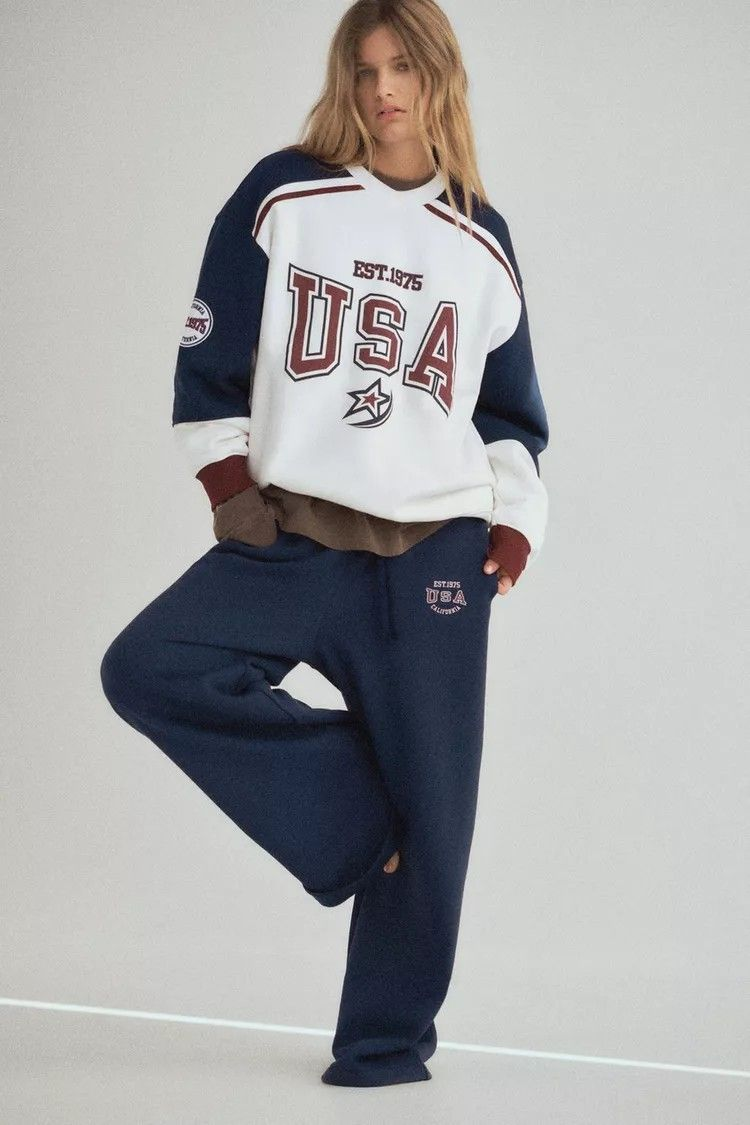
Custom Print Sweatshirt 2026: The Complete Guide to Design, Manufacturing, and Market Success

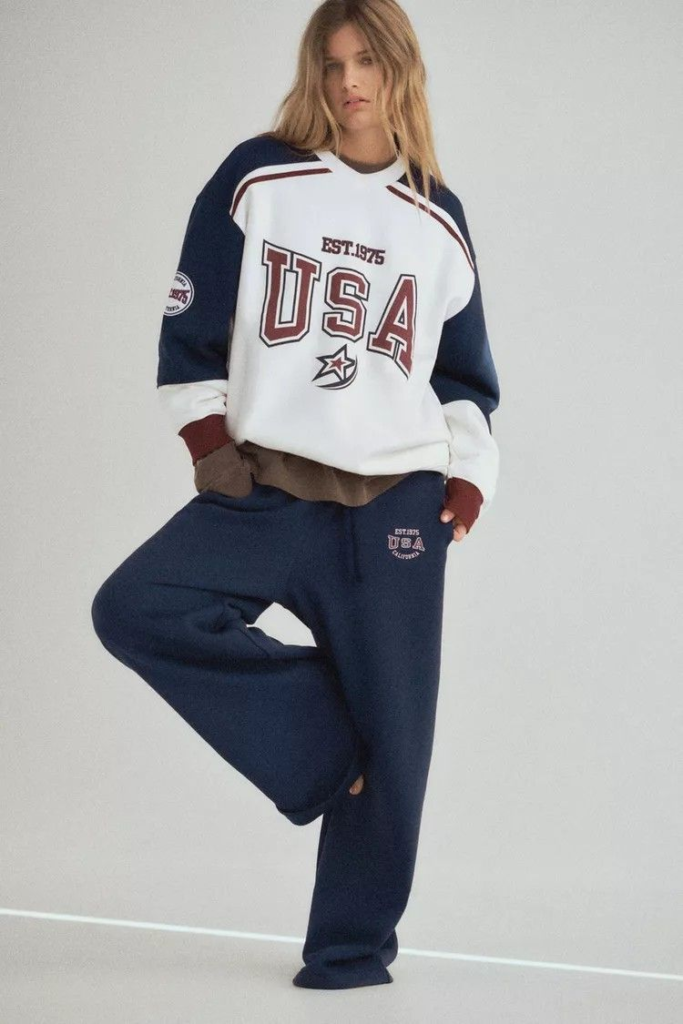
There is a moment when a custom printed sweatshirt transcends merchandise and becomes something more. It’s the sweatshirt that sells out in hours. The one people tag their friends in on social media. The piece that gets worn not because it was free, but because the design speaks to something real—identity, belonging, or simply the undeniable pull of great art on a great garment.
In 2026, custom print sweatshirts have become one of the most powerful tools in fashion, branding, and personal expression. The global custom apparel market continues its strong growth trajectory, with sweatshirts emerging as a dominant category—offering more canvas than t-shirts, more versatility than hoodies, and profit margins that make business sense at every scale.
This guide covers everything you need to know about custom print sweatshirts in 2026—from the technologies shaping production to the trends driving demand, and the manufacturing partners who can bring your vision to life, including the trusted capabilities of WUYI APPAREL.
Why Custom Print Sweatshirts Are Dominating 2026
The custom apparel market has undergone a fundamental shift. After years of prioritizing quantity over quality, both consumers and brands are demanding garments that last, that feel good, and that carry meaning. Sweatshirts—with their universal appeal, comfortable silhouette, and generous canvas for design—are at the center of this transformation.
The Perfect Canvas
Unlike t-shirts, which offer limited print area, sweatshirts provide expansive front and back surfaces for design expression. Unlike hoodies, which have competing visual elements like drawstrings and hoods, sweatshirts offer clean, uninterrupted space. The result is a garment that works equally well for bold statement graphics and subtle, refined details.
The Comfort Imperative
According to Custom Ink’s 2026 Swag Trends Survey, comfort-focused apparel is the most requested lifestyle category, with 34% of buyers prioritizing cozy, lifestyle-oriented items . Sweatshirts sit at the intersection of comfort and style—soft enough for lounging, polished enough for public wear.
The Price Sweet Spot
Sweatshirts command higher prices than t-shirts ($40–$80 retail is standard) while costing less to produce than jackets, offering better profit margins per unit. For brands at every level, this balance makes sweatshirts an ideal product category.
The Quality Shift
Nearly half of custom apparel buyers now cite “longevity” as the single most important feature when selecting garments . Sweatshirts—with their durable construction and timeless appeal—meet this demand perfectly. In 2026, the best custom sweatshirts aren’t just promotional items; they’re investments in brand identity and genuine wearer satisfaction.
The 2026 Custom Print Technologies: Choosing Your Method
The printing method you choose dramatically impacts the look, feel, durability, and cost of your custom sweatshirts. Understanding the options helps you make informed decisions.
Screen Printing: The Volume Champion
Screen printing remains the dominant method for custom sweatshirts, accounting for roughly 70% of custom apparel orders . Ink is pushed through mesh screens onto fabric; each color requires a separate screen.
Best for:
- Large orders (50+ pieces)
- Simple designs with limited colors
- Bold graphics and solid color blocks
- Cost-effective bulk production
Advantages:
- Lowest per-unit cost for volume
- Vibrant, opaque colors
- Excellent durability (50+ washes)
- Pantone color matching available
Considerations:
- Setup fees per color ($15–$50)
- Not cost-effective for small runs
- Complex designs require multiple screens
When to choose screen printing: You’re ordering 50+ units, your design uses 1–4 colors, and you want the best value for bulk production.
Direct-to-Garment (DTG): The Detail Specialist
DTG prints like an inkjet printer directly onto the fabric, using water-based inks that bond with cotton fibers. No setup fees, no color limitations.
Best for:
- Small batches (1–50 pieces)
- Photographic detail and unlimited colors
- Complex illustrations and gradients
- On-demand fulfillment models
Advantages:
- No minimum orders
- Full-color photo-quality prints
- Soft hand-feel with no texture
- No setup fees
Considerations:
- Higher per-unit cost than screen printing for volume
- Requires pre-treatment on dark garments
- Best results on 100% cotton
When to choose DTG: You’re testing designs, need small quantities, or your design has photographic detail or many colors.
Direct-to-Film (DTF): The Versatile Hybrid
DTF has emerged as a powerful alternative, offering versatility across fabric types. Designs are printed onto a special film, then heat-pressed onto the garment.
Best for:
- Medium volumes (20–200 pieces)
- Designs requiring white ink on dark garments
- Complex, multi-color artwork
- Fabric types that DTG struggles with
Advantages:
- Works on virtually any fabric (cotton, polyester, blends, nylon)
- Vibrant colors with good opacity
- No pre-treatment required
- Excellent stretchability
Considerations:
- Slightly thicker hand-feel than DTG
- Requires careful application for durability
When to choose DTF: Your design includes white ink on dark garments, you’re working with polyester blends, or you need versatility across fabric types.
Heat Transfer Vinyl (HTV): The Texture Option
HTV involves cutting designs from colored vinyl and heat-pressing them onto garments. The result is a smooth, slightly raised texture.
Best for:
- Small batches with custom names or numbers
- Sportswear and team apparel
- Single-color designs
- Specialty finishes (metallic, glitter, reflective)
Advantages:
- Works on various fabrics
- Durable and wash-resistant
- No color limits per design
- Creates textured, dimensional finish
Considerations:
- Labor-intensive for large orders
- Can crack over time if applied poorly
- Not ideal for photographic detail
When to choose HTV: You’re creating personalized pieces with names or numbers, want specialty finishes, or have small batch requirements.
Puff Printing: The Dimensional Statement
Puff printing adds a foaming agent to plastisol ink, creating raised, three-dimensional texture after heat curing.
Best for:
- Streetwear collections
- Statement designs
- Small to medium design elements
- Bold typography and logos
Advantages:
- Unique tactile quality
- Eye-catching visual impact
- Premium perceived value
Considerations:
- Higher cost than standard screen printing
- Best for small design elements rather than large fills
- Requires specialized application
When to choose puff printing: You want dimensional texture that stands out, and your design has bold elements that benefit from raised effect.
Comparison at a Glance
| Method | Best For | MOQ Flexibility | Cost Structure | Durability |
|---|---|---|---|---|
| Screen Printing | Large orders, bold graphics | 50+ units | Low per-unit at volume | Excellent |
| DTG | Small batches, photo detail | 1–50 units | Higher per-unit | Good |
| DTF | Versatile fabric, medium runs | 20–200 units | Moderate | Very Good |
| HTV | Personalization, specialty | 1–100 units | Moderate | Good |
| Puff Print | Statement designs, texture | 50+ units | Premium | Good |
The 10 Biggest Custom Print Sweatshirt Trends for 2026
Understanding what’s current helps you create designs that feel relevant and genuinely desirable. Here’s what’s shaping the market.
1. Oversized and Boxy Silhouettes
The oversized trend continues to dominate, but it has evolved. In 2026, the silhouette is “structured loose”—dropped shoulders and relaxed bodies, but with intentional architecture that prevents sloppiness. High-quality heavyweight fabrics hold their shape while providing that coveted oversized feel.
Design implication: Oversized sweatshirts work best with bold, centered graphics that scale with the larger canvas. Small left-chest logos can get lost—consider scaling up or using the space for meaningful design elements.
2. Garment-Dyed Vintage Wash
The garment-dyed aesthetic has exploded. Pre-dyed sweatshirts with slightly faded, sun-washed colors evoke a vintage, already-loved feeling right out of the package. Colors like washed terracotta, faded sage, dusty blue, and muted mustard are leading this trend.
Design implication: Custom prints on garment-dyed blanks take on a naturally aged quality that screen-printed graphics on standard blanks cannot replicate. The slight color variation across the garment adds visual interest and a premium, artisanal feel.
3. Oversized Back Prints
If the front whispers, the back shouts. Large back prints have emerged as a dominant trend for 2026, turning sweatshirts into statement pieces. Designs range from bold typography to full-scale illustrations.
Design implication: The most effective back prints balance a minimal front with a bold back—letting the back design do the heavy lifting while keeping the front clean and wearable.
4. Illustrated Characters and Icons
Custom illustrations are booming in 2026. Brand mascots, cartoon-style characters, retro line art, and playful icons that tell a story are appearing across streetwear, lifestyle, and corporate merchandise.
Design implication: For complex illustrations, DTG or DTF often capture detail better than screen printing. Consider scale carefully—intricate details can get lost at smaller sizes.
5. Nature-Inspired Motifs
Floral prints continue to dominate, but in 2026 they have evolved into more complex, botanical-inspired designs. Hand-drawn leaves, grapes, mountains, and authentic flora connect with consumers seeking emotional, narrative-driven garments.
Design implication: Nature-inspired designs appeal strongly to eco-conscious consumers, outdoor brands, and lifestyle companies. They work beautifully on earthy, garment-dyed blanks.
6. Retro Athletic and 90s Nostalgia
The 90s nostalgia trend keeps evolving. Retro sports-inspired graphics, vintage team aesthetics, distressed print effects, and throwback color palettes—teal, coral, purple—capture the era’s energy on modern sweatshirt silhouettes.
Design implication: This trend works for both authentic throwback designs and new brands wanting a heritage feel. Limited-edition drops are the ideal format.
7. Minimalist Typography
Clean, intentional typography continues to resonate. Short, meaningful text in well-chosen fonts—often paired with subtle geometric shapes or monochrome palettes—appeals to buyers seeking sophistication over statement.
Design implication: Typography designs succeed on placement, kerning, and font selection. Work with a designer who understands how type interacts with garment shape.
8. Neon and High-Visibility Accents
Bold pops of neon against neutral bases create visual tension and draw the eye. This trend is particularly strong in streetwear and youth-focused collections.
Design implication: Use neon sparingly—a single accent color against an otherwise neutral palette creates maximum impact.
9. All-Over Prints
Full-garment prints represent the premium end of the custom market. Enabled by advanced sublimation and DTF methods, all-over prints allow designs to wrap seamlessly around the entire sweatshirt.
Design implication: All-over prints require specialized production. Work with manufacturers who have proven experience in this technique to ensure seamless registration and color consistency.
10. Textured and Dimensional Effects
From puff printing to flocking to raised screen printing, texture is a defining 2026 trend. Designs that engage the sense of touch create lasting impressions.
Design implication: Dimensional effects are best used for focal elements—a brand logo, a key word, or a central graphic—rather than entire designs.
The Fabric Foundation: Choosing Your Base
The fabric you choose defines everything about your custom sweatshirt—its weight, its feel, its durability, and how your print will appear.
Fabric Types for 2026
| Fabric Type | Weight Range | Characteristics | Best Applications |
|---|---|---|---|
| Lightweight French Terry | 280–320 gsm | Loop-back interior, soft drape, breathable | Layering, transitional seasons, summer collections |
| Midweight Fleece | 320–380 gsm | Brushed interior, substantial feel, holds shape | Everyday wear, year-round programs |
| Heavyweight Fleece | 380–450 gsm | Structured, premium feel, excellent shape retention | Winter collections, streetwear drops, premium merchandise |
| Cotton-Polyester Blends | 320–380 gsm | Shrink-resistant, durable, soft hand-feel | Athletic programs, frequent washing |
| 100% Cotton Fleece | 350–400 gsm | Natural breathability, premium feel, develops character | Heritage collections, premium retail |
What to Look For
- Anti-pill finish: Ensures fabric maintains smooth appearance after repeated washing
- Ring-spun cotton: Softer, more durable than open-end cotton
- Pre-shrunk fabric: Reduces sizing surprises after first wash
- Structured weight: 12+ oz fabrics hold prints better and resist distortion
Manufacturing Custom Print Sweatshirts: A Guide for Brands
For businesses looking to create custom print sweatshirt collections, understanding the manufacturing landscape is essential.
The Production Timeline
| Stage | Duration |
|---|---|
| Design development | 1–2 weeks |
| Sampling and revisions | 2–3 weeks |
| Fabric sourcing | 1–2 weeks |
| Bulk production | 3–5 weeks |
| Quality control | 3–7 days |
| Shipping | 2–4 weeks |
| Total | 11–18 weeks |
The Sampling Process
A structured sampling process prevents production problems:
- Design confirmation: Final artwork approved in vector format with Pantone colors
- Prototype sample: Validates fit, fabric, and material behavior—7–10 days
- Sample sew-out (for screen printing): Test print on fabric to verify color, registration, and opacity
- Client approval: Physical sample reviewed and signed off
- Pre-production sample: Final approval before bulk production
- In-line inspection: Quality checks during manufacturing
- Final inspection: Validation against approved samples
Expect 2–4 sample rounds for complex custom print sweatshirts.
Key Customization Options
Garment Details
- Custom neck labels with branding
- Contrast lining in hoods (for hooded styles)
- Specialized pocket configurations
- Colorblock panels
- Rib knit details as statement trims
Print Specifications
- Placement (left chest, center chest, oversized back, sleeve, hood)
- Colors (Pantone matching available)
- Size (from micro-logos to full front designs)
- Effects (puff, metallic, glow-in-the-dark, reflective, flocked)
Packaging
- Custom poly bags with branding
- Custom hangtags
- Folding specifications
- Gift boxes for premium programs
Quality Control Essentials
Common issues with custom print sweatshirts include:
Print adhesion failure: If a print starts peeling, the screen wasn’t properly cured or the wrong ink type was used. Quality manufacturers test washability before bulk production.
Color mismatch: Without Pantone matching and proper color management, brand colors drift. Insist on digital proofing and physical samples.
Misregistration: When colors don’t align correctly, the design looks unprofessional. Leading manufacturers use laser-guided registration systems to ensure precision.
Fabric distortion: Heat and pressure during printing can warp lightweight fabrics. Experienced printers adjust temperature, pressure, and time based on fabric weight.
Poor placement: Logos positioned too high, too low, or off-center look amateur. Use placement guides and test on actual garment samples.
WUYI APPAREL: Your Partner in Custom Print Sweatshirts
When sourcing custom print sweatshirts for 2026, partnering with an experienced manufacturer makes the difference between a good product and an exceptional one. WUYI APPAREL brings together the strengths of China’s premier manufacturing regions with a brand-focused approach that prioritizes quality, reliability, and design innovation.
What WUYI APPAREL Offers
Flexible Minimum Order Quantities
From 50 to 5,000 units, accommodating both emerging brands testing designs and established companies scaling proven programs. This flexibility means you never have to overcommit before validating your concept.
Comprehensive Printing Capabilities
- Screen printing: Multi-color, high-volume production with Pantone matching
- DTG: Photographic detail and unlimited colors for small runs
- DTF: Versatile printing across all fabric types
- Puff printing: Dimensional texture for statement designs
- Specialty finishes: Metallic, reflective, glow-in-the-dark, and flocked effects
Quality Control Systems
Five-step QC process covering incoming materials, inline checks, workmanship, measurement control, and final inspection. AQL 2.5/4.0 standards ensure consistency across every garment.
Sustainable Material Sourcing
Access to organic cotton, recycled polyester, GOTS-certified fabrics, and low-impact dyes—meeting the sustainability expectations of 2026 consumers.
Rapid Sampling
7–10 day sample turnaround after design approval, allowing you to validate designs and make adjustments before committing to bulk production.
Private Label Execution
From woven main labels and care labels to custom hangtags, neck prints, and branded polybags—your sweatshirts arrive retail-ready, not factory-generic.
Logistics Coordination
EXW, FOB, CIF, and DDP options to match your distribution model, with experienced export documentation for smooth customs clearance.
Why Brands Choose WUYI APPAREL
The modern custom apparel market demands speed without sacrificing quality. Streetwear brands operate on drop schedules where a late delivery can erase months of marketing momentum. WUYI APPAREL’s production workflow is built around these realities:
- Consistent print quality across batches: Colors match from sample to bulk to reorder
- Clear communication: English-speaking project managers and cloud-based order tracking
- Compliance support: Preparation for U.S. (CPSIA) and EU (REACH) testing requirements
- Scalable production: From test runs to full retail collections
Print-on-Demand: The Low-Risk Entry Point
For entrepreneurs and small brands, print-on-demand (POD) has revolutionized custom print sweatshirts. You design, a supplier prints and ships when a customer orders, and you keep the profit—with no inventory risk.
Why Sweatshirts Work for POD
Embroidered and printed sweatshirts sit in a pricing sweet spot. They command higher prices than t-shirts ($45–$80 retail) while offering better profit margins per unit. Compared to the crowded custom t-shirt market, sweatshirts face less competition while attracting buyers willing to spend more.
Top POD Platforms
| Platform | Best For | Key Features |
|---|---|---|
| Printful | All-around reliability | Wide blank selection, global fulfillment, DTG and embroidery |
| Printify | Competitive pricing | Network of printing partners, volume discounts |
| Apliiq | Streetwear aesthetics | Cut-and-sew options, custom labels |
| Spreadshirt | European market | Designer community, international shipping |
Launching a Custom Print Sweatshirt Brand
The path to a successful custom brand includes:
- Define your niche: Serve a specific audience—outdoor enthusiasts, music fans, streetwear collectors—with designs made for them
- Create cohesive branding: Consistent logo, color palette, typography, and voice across your store and social media
- Design 3–5 initial concepts: Include at least one bold graphic, one typography design, and one illustrated option
- Order samples first: Print quality varies significantly; your customers will judge your brand by the physical product
- Price for profit: Base cost × 2–2.5 = retail price
- Scale proven designs: Once a design sells consistently, consider bulk production to cut per-unit cost by 40–60%
Design Principles for 2026 Custom Print Sweatshirts
Beyond trends, certain design principles consistently produce sweatshirts people actually want to wear.
Keep It Intentional
The most successful sweatshirt designs have a clear focal point. Whether it’s a bold graphic, a clever phrase, or a subtle logo, the design should have purpose. Avoid overcrowding—negative space is a design element, not wasted space.
Consider the Whole Garment
A great sweatshirt design considers the entire garment:
- How the design interacts with seams and pockets
- Whether sleeve or back details complement the front
- How the garment’s color affects the design
- The relationship between print size and garment proportions
Balance Bold with Wearable
Statement pieces have their place, but the most commercially successful designs strike a balance. A sweatshirt should feel special without being so loud that it limits when and where someone can wear it.
Test on Actual Garments
Designs that look great on screen can look entirely different on fabric. Always test your design on an actual sweatshirt before committing to bulk production. Consider:
- How colors appear on the specific fabric
- How scale translates from screen to garment
- How the design interacts with the garment’s drape and movement
- Print opacity on dark fabrics
Size Matters
For screen printing, ensure your design accounts for:
- Minimum line thickness: 0.25–0.5 mm for fine details
- Negative space: Small white areas between colors may fill in
- Halftones: Required for gradients and shading in screen printing
- Registration: Allow 0.5–1 mm tolerance for color alignment
Cost Structure: What to Expect in 2026
Understanding cost drivers helps brands plan budgets effectively.
Bulk Manufacturing (50–500 units)
| Cost Component | Estimated Cost | Notes |
|---|---|---|
| Sweatshirt blank | $12–$25 | Varies by fabric weight and quality |
| Screen printing setup | $15–$50 per color | One-time cost per design |
| Screen printing per piece | $2–$8 | Based on colors and print size |
| DTG per piece | $8–$15 | Based on print size and colors |
| DTF per piece | $5–$12 | Based on size and complexity |
| Puff printing per piece | +$2–$5 | Additional to base printing |
| Total per unit (50–500) | $20–$45 |
Volume Pricing
| Order Size | Typical Cost Per Unit | Best For |
|---|---|---|
| 50–100 units | $28–$38 | Emerging brands, test runs |
| 100–300 units | $24–$32 | Small brands, capsule collections |
| 300–500 units | $22–$28 | Growing brands, seasonal lines |
| 500–1,000+ units | $18–$25 | Established brands, retail distribution |
Additional Costs
- Digitization fees (for embroidery): $15–$50 per design, one-time
- Sample costs: $30–$60 per sample, often credited toward bulk orders
- Shipping: $0.50–$2 per piece depending on volume and destination
- Customs and duties: 10–25% of product value for international shipments
Sustainability: Meeting 2026 Expectations
In 2026, sustainability is no longer a marketing add-on—it’s a consumer baseline. Savvy buyers demand transparency about materials, production methods, and environmental impact.
What to Look For
| Certification | What It Verifies |
|---|---|
| OEKO-TEX® Standard 100 | Fabrics free from harmful substances |
| GOTS | Organic fiber content and ethical manufacturing |
| GRS | Verified recycled content and responsible production |
| BCI | Better Cotton Initiative membership |
Sustainable Printing Practices
- Water-based inks: Lower environmental impact than plastisol
- Recycled polyester blanks: Reduces plastic waste
- Ozone washing: Dry finishing that reduces water consumption
- Laser engraving: Eliminates chemicals for certain effects
- Waste reduction: Print-on-demand models eliminate overproduction
WUYI APPAREL can source GOTS-certified organic cotton, recycled polyester blends, and other sustainable materials for your custom print sweatshirt collection—helping you meet the expectations of 2026’s environmentally conscious consumers.
Frequently Asked Questions
What’s the best printing method for custom sweatshirts?
It depends on your needs:
- Large orders (50+ units), simple designs: Screen printing
- Small batches, photographic detail: DTG
- Versatile fabric types, medium runs: DTF
- Personalization, specialty finishes: HTV
- Statement texture, bold designs: Puff printing
What’s the typical MOQ for custom print sweatshirts?
MOQs vary by manufacturer and method. Screen printing typically requires 50–100 units minimum. DTG and DTF can accommodate 1–50 units. WUYI APPAREL offers flexible minimums to match your needs.
How long does custom print sweatshirt production take?
From sample approval to delivery, expect 4–8 weeks for bulk production via sea freight. Air freight reduces shipping time to 1–2 weeks but increases cost. Rush production (7–14 days) may be available for time-sensitive launches.
What fabric weight should I choose?
- 320–380 gsm midweight: Everyday wear, year-round versatility—most popular
- 380–450 gsm heavyweight: Premium collections, winter drops, structured silhouettes
- 280–320 gsm lightweight: Layering, transitional seasons
How do I ensure my print colors match exactly?
Work with manufacturers who offer Pantone matching and digital proofing. Request physical print samples on the actual fabric before bulk production. For screen printing, ensure your manufacturer maintains color consistency protocols.
Can I combine multiple print methods on one order?
Yes. Many brands use embroidery for small chest logos and screen printing for back graphics within the same collection. WUYI APPAREL coordinates multiple decoration methods to maintain consistency across your order.
How do I care for printed sweatshirts?
Advise customers to:
- Wash inside out to protect prints
- Use cold water
- Avoid fabric softeners
- Air dry or tumble dry low
- Never iron directly on prints
The Future: Where Custom Print Sweatshirts Are Headed
Looking beyond 2026, several trends will shape the custom print sweatshirt market.
AI-Driven Design Tools
Generative AI will increasingly assist in design, offering color palette suggestions, placement recommendations, and automated artwork optimization for different print methods.
On-Demand Production
Brands are shifting from forecast-driven mass production to on-demand models powered by real-time data—reducing overstock and ensuring popular designs stay in stock.
Sustainable Innovations
Waterless printing technologies, bio-based inks, and fully recyclable garment construction will become standard for responsible brands.
Hyper-Personalization
Consumers will increasingly expect personalization options—custom names, unique colorways, and even individualized print placements—enabled by digital production technologies.
Final Thoughts: Why Custom Print Sweatshirts in 2026
In a world of disposable fashion and forgettable promotional items, the custom print sweatshirt stands as something increasingly rare: a garment people genuinely want to own. It’s the layer that works from office to weekend, from city streets to mountain trails. It’s the piece that carries your brand without screaming it—the quiet ambassador that gets worn because it feels good, not because someone had to.
For brands, it’s an opportunity to invest in quality that pays dividends in visibility and goodwill. For designers, it’s a canvas limited only by imagination. For consumers, it’s the satisfaction of owning something that lasts—something that becomes a favorite, not a giveaway.
The custom print sweatshirt market of 2026 is vibrant, growing, and more accessible than ever. Whether you’re launching a brand, outfitting a team, or creating a personal collection, the tools, technologies, and partners—including the trusted capabilities of WUYI APPAREL—are waiting.
Explore More Articles from WUYI Apparel
Want to learn more about styling essentials hoodies or other apparel tips? Check out some of our other helpful articles:
- Wearing Black to a Wedding: A Modern Etiquette Guide
- Rainwear Jackets: The Perfect Fusion of Fashion and Function
- How To Measure Clothes
- Casual clothing – Casual and elegant through everyday life
- How to Find Your Style:An in-depth exploration of one’s own clothing style
For more tips and tricks on fashion and lifestyle, don’t forget to visit our Blog Section.
Head over to our Shop Page to browse our full collection and pick your favorite essentials hoodie today!