Welcome to customize all kinds of clothing

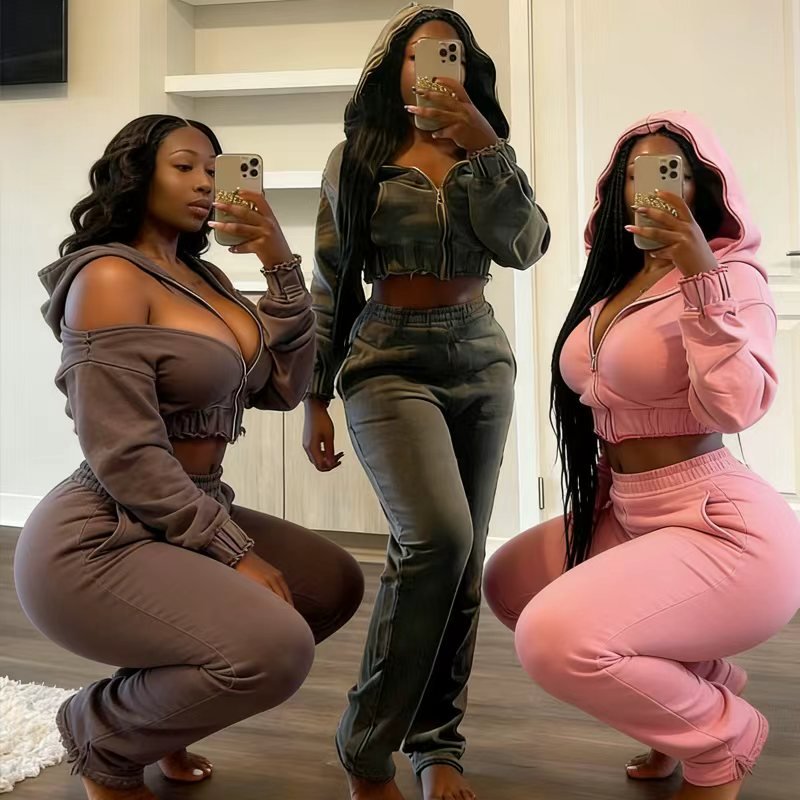
Custom Apparel 2026: The Complete Guide to Personalized Clothing

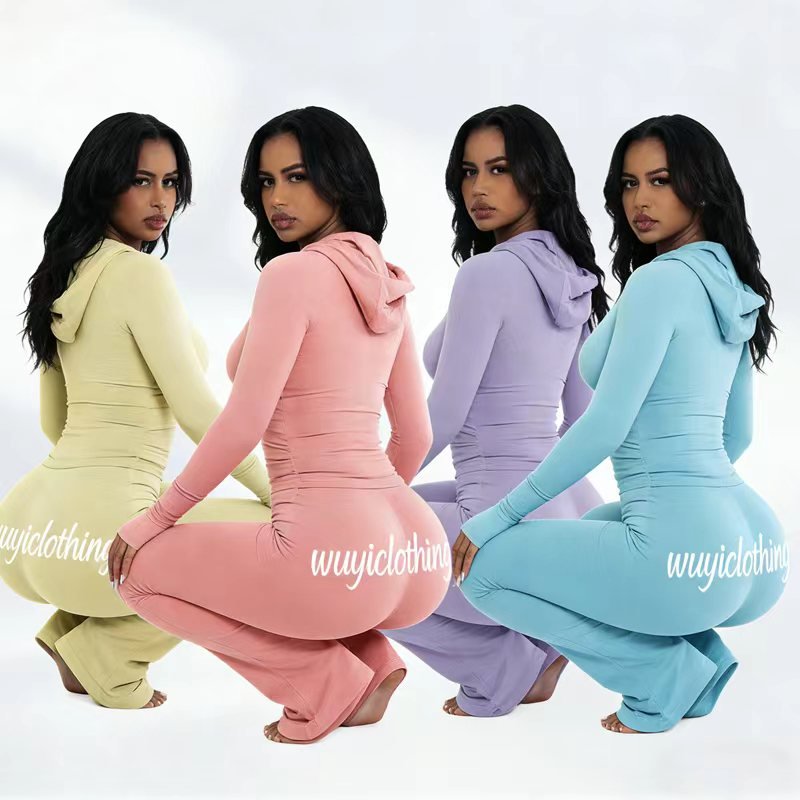
In 2026, custom apparel has transformed from a niche luxury into a mainstream expectation. Whether you’re a business looking to build brand identity through corporate swag, an individual seeking the perfect fit, or an entrepreneur launching a clothing line, the custom apparel market offers unprecedented opportunities.
The numbers tell the story: the global custom apparel market is projected to reach $70.2 billion in 2026, with forecasts showing growth to $110.5 billion by 2035 at a compound annual growth rate of 6.53% . More importantly, approximately 60% of consumers now prefer personalized clothing over mass-produced alternatives, signaling a fundamental shift in how people approach their wardrobes .
This comprehensive guide covers everything you need to know about custom apparel in 2026: the market trends driving growth, the styles defining the year, the technologies reshaping production, and how to navigate the custom apparel landscape whether you’re buying or selling.
The State of Custom Apparel in 2026
The custom apparel market in 2026 is defined by several powerful trends that are reshaping the industry.
Market Size and Growth
The global custom apparel market is experiencing robust expansion:
| Year | Market Size (USD) | Key Developments |
|---|---|---|
| 2025 | $58.72 billion | Strong foundation year |
| 2026 | $70.16 billion | 6.53% annual growth |
| 2035 | $178.0 billion | Projected 10.9% CAGR |
Alternative market analyses confirm this trajectory, with one report estimating the promotional and custom textile market alone at $28.1 billion in 2026 .
Regional Market Distribution
North America leads the custom apparel market with approximately 32% of global share, driven by advanced digital printing technologies and strong corporate branding demand . Europe follows closely at 28%, where sustainability is a particularly strong factor—nearly 45% of European consumers prioritize eco-friendly materials when purchasing custom clothing .
The Asia-Pacific region captures 30% of the market and is growing rapidly due to expanding e-commerce penetration and rising fashion consciousness in countries like China and India . With manufacturing costs up to 30% lower than Europe, APAC also serves as the production hub for much of the world’s custom apparel .
Consumer Preferences Driving Growth
Several key consumer trends are fueling the custom apparel boom:
- Fit Accuracy: Approximately 62% of consumers prioritize perfect fit when choosing custom clothing
- Fabric and Style Choice: Nearly 48% of buyers value the ability to select fabrics, colors, and style elements
- Sustainability Consciousness: About 40% of consumers consider eco-friendly materials a priority in purchasing decisions
- Digital Adoption: Roughly 45% of purchase decisions are influenced by digital customization tools
2026 Custom Apparel Trends: What’s In and What’s Out
According to Custom Ink’s 2026 Swag Trends Survey of over 1,000 corporate buyers, several distinct trends are shaping the custom apparel landscape .
The Rise of Quality Over Quantity
Corporate buyers are shifting away from disposable promotional products toward meaningful, wearable items. 67% of organizers only consider their swag investment successful if recipients voluntarily wear or use the items. Nearly 45% cite longevity as the single most important feature when selecting promotional merchandise, while 47.6% said seeing swag end up discarded motivates them to find better quality items .
“We’re seeing the end of throwaway promotional products,” said Kane Posner, Chief Operations and Merchandising Officer at Custom Ink. “Organizations now understand that meaningful swag builds team unity and belonging. The data shows 74% of buyers cite team unity as their primary goal, making every purchase decision an investment in company culture” .
Top Custom Apparel Styles for 2026
Heavyweight Tees and Fleece
Thick, durable fabrics rank as the number one trend, with 62% of respondents planning to try heavyweight materials. These elevated basics offer structure and a flattering drape across all body types, moving far beyond basic cotton tees .
Garment Dyed Colors
Half of all buyers want to move away from standard bright colors toward softer, vintage wash aesthetics. These muted, lived-in tones provide a more sophisticated, timeless look that resonates with modern consumers .
Boxy Cuts
Relaxed, drop-shoulder fits are replacing slim cuts, with 46% of respondents preferring this modern silhouette for both outerwear and t-shirts. This structured-yet-relaxed aesthetic aligns perfectly with broader fashion trends .
The Hoodie Boom
Blank hoodies have emerged as one of the most dominant categories in custom apparel. They serve as the primary canvas for screen printing, embroidery, and direct-to-garment customization, bridging the gap between streetwear culture and practical everyday wear .
Key hoodie categories driving growth:
- Pullover Hoodies: The classic style favored for screen printing and embroidery
- Heavyweight Hoodies: Thicker fabrics (300+ GSM) providing premium feel and warmth
- Boxy/Oversized Fits: Modern silhouettes with drop shoulders favored by urban and luxury brands
- Eco-Friendly Hoodies: Organic cotton and recycled blends gaining significant traction
Wellness and Cozy Gear
Cozy gear has emerged as the most requested non-apparel category for 2026, with 34% of respondents prioritizing comfort items like plush robes, fleece blankets, and products that enhance downtime . Hydration upgrades captured 31% of preferences, with buyers specifically moving away from basic plastic bottles toward premium insulated options.
The “New Professional” Uniform
Beyond casual wear, the professional uniform is evolving. 65% of buyers rate smart fabric features like wrinkle-free and moisture-wicking properties as very or extremely important for daily wear uniforms .
“Styles that move with you have become the baseline,” noted Posner. “Customers expect apparel to work as hard as they do, whether that means wrinkle-free dress shirts or performance quarter zips that work equally well at the office or on the golf course” .
Products Losing Favor
The survey also identified promotional products that buyers consider saturated or overdone:
- Standard unisex cotton t-shirts (24.6% cited as overdone)
- Basic plastic water bottles
- Cheap tech accessories (18% of respondents signaled this category is oversaturated)
Sustainability: No Longer Optional
Sustainability has become a defining factor in custom apparel. Approximately 64% of consumers prefer eco-friendly textiles, and sustainable custom apparel commands 12–18% higher margins .
What Sustainability Looks Like in 2026
Made in USA Products: With the 250th anniversary of the United States in 2026, domestically manufactured products have gained significant importance. 61% of organizations rate American-made products as very or extremely important when making purchasing decisions .
Eco-Friendly Materials: Organic cotton, recycled fibers, and hemp blends are increasingly standard. 55% of buyers show interest in eco-friendly materials for custom apparel .
Lower Costs for Sustainable Options: “Sustainable used to mean expensive. Now it just means smart,” Posner explained. “Today’s eco-friendly options are priced nearly the same as traditional ones, with more styles, more variety, and more reasons to choose better without paying more” .
Vertical Deepening in Sustainable Production
According to reports from the China International Clothing & Accessories Fair (CHIC) Spring 2026, the Chinese apparel industry is moving toward “vertical deepening”—focusing on core competencies like bio-based fibers and smart temperature-control fabrics to build sustainable competitive advantages . This trend toward specialization is enabling higher quality and more consistent sustainable options across the market.
Technology Reshaping Custom Apparel
Technology is revolutionizing how custom apparel is designed, produced, and purchased.
Digital Printing and AI Design
Digital textile printing adoption has grown 35% since 2021, while AI-based design automation is now used by 28% of manufacturers . These technologies enable faster turnaround times, lower minimum order quantities, and more complex designs than traditional methods.
Agentic AI: The Next Frontier
2026 marks the rise of agentic AI—artificial intelligence that can understand shopper intent and act on it. Unlike traditional generative AI tools that simply suggest or create, agentic AI behaves like a personal shopper, interpreting needs, narrowing options, comparing products, and even building carts automatically .
For retailers, agentic AI accelerates product discovery, improves conversions, and personalizes journeys at a level that manual merchandising can’t match .
Phygital Fashion: Where Physical Meets Digital
“Phygital” clothing—physical garments that come with 3D digital twins for virtual avatars—has become a defining trend of 2026 fashion technology. Consumers now expect to buy a physical shirt that can also be worn on social media avatars, gaming platforms, and in virtual fashion shows .
Key developments include:
- Digital twins with lifecycle data providing full transparency about environmental impact
- NFT-certified digital versions adding exclusivity and authenticity
- Interoperability ensuring garments move seamlessly across AR filters, VR worlds, and real-life wardrobes
Visual Commerce
Shoppers today need more than flat product images. Short videos, rotating 3D views, and AR try-ons give customers a clearer sense of movement, texture, and color before purchase .
With apparel return rates hovering around 26%, retailers are creating more visually engaging experiences to protect margins. AR try-on features have been shown to significantly reduce return rates while increasing purchase confidence .
Production Efficiency Gains
Digital transformation is dramatically reducing production timelines and costs:
- Virtual prototyping reduces sample costs by up to 50%
- AI-driven virtual sampling cuts prototyping time by up to 70%
- 3D workflows accelerate go-to-market timing
Production timelines in 2026:
- Small batch (≤100 units): 3–5 days
- Medium batch (100–1,000 units): 5–10 days
- Large batch (>1,000 units): 10–21 days
Online Customization Dominance
Online platforms now account for approximately 65% of custom apparel sales, with 53% of custom textile orders expected to be placed online in 2026 . Virtual try-on features are particularly influential—approximately 46% of buyers show higher confidence when these tools are available .
Corporate and Promotional Apparel
Corporate branding represents a significant portion of the custom apparel market, accounting for approximately 38% of demand .
ROI of Promotional Apparel
Promotional textiles deliver exceptional return on investment:
- 78% brand recall (compared to 42% for digital ads)
- 6–12 months average exposure lifespan per item
- 5x–12x more cost-efficient than digital advertising on a cost-per-impression basis
- Average ROI: 250% for promotional textiles; 310% for custom textiles
Budgets and Buying Behavior
Survey data reveals robust investment in promotional merchandise:
- Largest segment (21.6%) spends between $1,000 and $2,500 annually
- Combined segment of approximately 28% manages budgets between $2,500 and $10,000
- 91% of buyers believe their teams feel more valued when receiving recognized retail brands (like Nike, The North Face, or YETI) compared to generic private label items
Cultural Trends: The Rise of Heritage and Identity
Beyond the numbers, cultural currents are reshaping custom apparel.
Chinese Heritage Design
At the 2026 China International Clothing & Accessories Fair, “cultural confidence” emerged as a defining theme. Traditional Chinese elements—embroidery, patterns, and silhouettes—are being reinterpreted for modern wardrobes, with the “new Chinese style” market estimated at approximately 300 billion yuan (roughly $41 billion) .
As one industry leader noted, “Clothing is no longer just merchandise; it is culture worn on the body.” This represents a broader shift toward apparel that expresses cultural identity and personal heritage .
Streetwear and Athleisure Influence
The ongoing streetwear fascination and growth of athleisure continue to drive demand for custom apparel. These categories prioritize comfort, versatility, and personal expression—values that align perfectly with custom manufacturing .
Market Segments: Who’s Buying What
By Product Category
| Category | Market Share | Key Drivers |
|---|---|---|
| Shirts | 27–28% | Office wear, versatility, high fit sensitivity |
| Suits | 25% | Professional settings, formal occasions |
| Pants | 20–21% | Fit accuracy, comfort, workwear |
| Outerwear | 15–23% | Functionality, seasonal demand, premium materials |
| Skirts | 12% | Women’s fashion, fit precision |
| Denim | 11% | Casual wear, comfort, body-conforming fit |
By Application
Women’s Apparel: Accounts for approximately 55% of the custom apparel market, leading demand for skirts, shirts, and outerwear with strong interest in fashion innovation .
Men’s Apparel: Represents about 30% of the market, with suits and pants dominating, though custom casual shirts are growing rapidly .
Children’s Apparel: Captures approximately 15% of the market, focusing on comfort, durability, and playful designs .
Challenges and Considerations
While the custom apparel market offers tremendous opportunity, several challenges persist.
Production Scalability
Approximately 45% of custom apparel manufacturers face challenges scaling production effectively due to the labor-intensive nature of personalization. This can lead to longer lead times and capacity constraints .
Cost Pressures
Rising raw material costs affect about 50% of custom apparel producers, while energy and labor expenses have increased for 42% of businesses . Approximately 35% of customers show price sensitivity, limiting the ability to fully pass along cost increases.
Quality Consistency
Maintaining quality consistency across custom orders challenges 38% of manufacturers. Variations in tailoring standards affect about 31% of orders across regions, and approximately 27% of customers report dissatisfaction due to expectations not being perfectly met .
The Future of Custom Apparel
Looking ahead to 2030 and beyond, the custom apparel market shows no signs of slowing. Projections indicate:
- Global market reaching $36.5 billion by 2030 for promotional and custom textiles alone
- Custom apparel segment growing at 9.3% annually
- On-demand manufacturing reducing inventory costs by 30–45% and waste by up to 20%
- Smart textiles integration growing at 12.5% CAGR through 2030
Conclusion
Custom apparel in 2026 represents far more than a shopping preference—it reflects a fundamental shift in how people relate to clothing. The demand for perfect fit, personal expression, sustainable production, and meaningful connection has transformed custom apparel from a luxury into an expectation.
Whether you’re a corporate buyer seeking swag that actually gets worn, an individual tired of off-the-rack compromises, or an entrepreneur building a brand, the tools and options available today have never been more accessible. With digital printing, AI design tools, and agile manufacturing, the ability to create apparel that truly fits—both your body and your values—is now within reach.
As the numbers make clear, custom apparel is no longer optional for businesses looking to build brand loyalty or individuals seeking authentic self-expression. It’s the new standard.
Explore More Articles from WUYI Apparel
Want to learn more about styling essentials hoodies or other apparel tips? Check out some of our other helpful articles:
- Wearing Black to a Wedding: A Modern Etiquette Guide
- Rainwear Jackets: The Perfect Fusion of Fashion and Function
- How To Measure Clothes
- Casual clothing – Casual and elegant through everyday life
- How to Find Your Style:An in-depth exploration of one’s own clothing style
For more tips and tricks on fashion and lifestyle, don’t forget to visit our Blog Section.
Head over to our Shop Page to browse our full collection and pick your favorite essentials hoodie today!