Welcome to customize all kinds of clothing

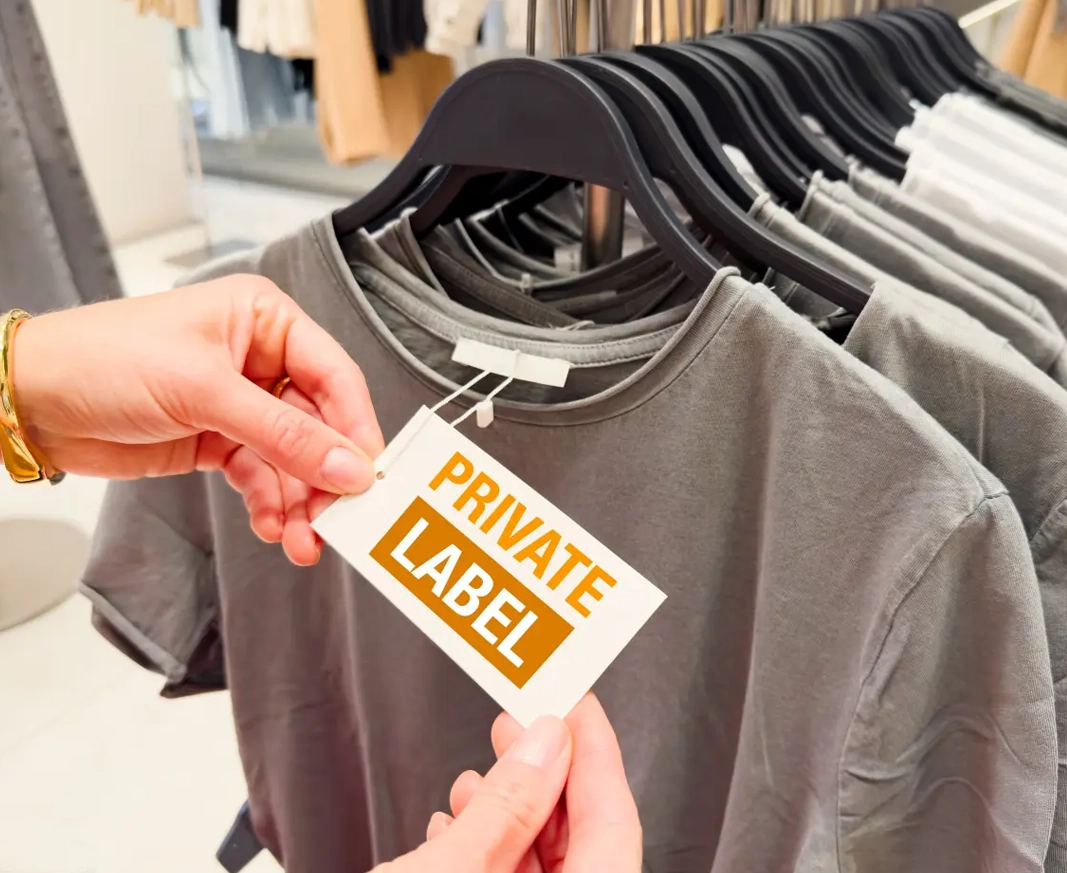
A Manufacturer’s Guide to Clothing Security Tags: Removal and Best Practices for Bulk Orders
As a clothing manufacturer, we understand that security tags are a vital component of the retail supply chain. They protect your inventory and our products from loss. However, in a high-volume production environment, situations inevitably arise where a security tag needs to be removed after it has been applied—whether due to a misapplication at our facility, a de-tagging request before shipment, or handling returns.
This guide outlines the correct, efficient, and safe methods for dealing with security tags in a bulk context.
Understanding the Two Main Types of Security Tags
For efficient handling, it’s crucial to recognize the tags you’re working with:
- Hard Plastic Tags (e.g., RFID & EAS Tags): These are the most common for apparel. They are typically attached using a strong, one-way pin that locks into the tag body. They often contain an ink vial that can burst if tampered with incorrectly.
- Source Tagging Labels: These are adhesive labels embedded with security technology, applied directly to the clothing’s care label or packaging. Removal is typically straightforward by peeling them off.
The Only Recommended Methods for Bulk Removal
For the integrity of the garment and the safety of your staff, we strongly advise against using unapproved methods like magnets, brute force, or DIY tricks. These can damage the fabric, trigger ink stains, and create a safety hazard.
Method 1: Using the Official De-tagging Tool (The Professional Standard)
This is the fastest, safest, and most reliable method for high-volume operations.
- How it Works: A proprietary de-tagging tool uses a strong magnetic field to release the locking mechanism inside a hard plastic tag. The tool simply needs to be pressed firmly against the tag’s side, and the two halves will separate cleanly.
- Ideal For: Distribution centers, warehouse fulfillment hubs, and large retail backrooms.
- Our Manufacturer’s Advice: We highly recommend investing in commercial-grade de-tagging tools. They pay for themselves in time saved and garments protected from damage. For our bulk partners, we can often provide guidance on sourcing these tools or include them as part of a custom packaging and security solution.
Method 2: Controlled Cutting (As a Last Resort)
If a de-tagging tool is not available and the tag must be removed, a controlled cutting process can be used with extreme care.
- The Process: Using a pair of high-quality, sharp pliers, firmly grip the narrow pin that connects the two halves of the tag. The goal is to crush or shear the pin, not the plastic housing. Apply steady pressure until the pin breaks.
- Crucial Caution: This method must be performed by trained staff. Always protect the garment by placing a cloth or piece of cardboard between the tool and the fabric to prevent snags or crushing. Never cut into the main body of the tag, as this is where the ink vial is typically housed.
Best Practices for Manufacturers and Large-Scale Retailers
To streamline your process and minimize the need for post-application removal, consider these strategies:
- Strategic Tag Placement: During production or final packaging, apply tags through a reinforced area, such as a seam, care label, or a designated hang tag loop. This prevents damage to the primary fabric.
- Pre-Shipment De-tagging Services: As your manufacturing partner, we can discuss pre-shipment de-tagging options. We can apply the tags for your store-bound products and ship them without tags for your e-commerce fulfillment orders, saving you a critical step in the supply chain.
- Clear Internal Protocols: Establish a clear standard operating procedure (SOP) for your warehouse staff on when and how to remove security tags. This ensures consistency and safety.
In Case of an Ink Tag Mishap
If an ink tag is accidentally broken and stains a garment, act quickly. While success is not guaranteed, the best course of action is to immediately isolate the garment and use an appropriate stain remover or alcohol-based solvent on the affected area. Always test any treatment on an inconspicuous part of the garment first.
Partner with Us for a Secure Supply Chain
At [Your Company Name], we don’t just produce high-quality garments; we are your partner in optimizing your entire retail operation. From incorporating security tags during manufacturing to advising on bulk logistics, we are here to help you work smarter and more securely.
Contact us today to discuss your custom apparel and security tagging needs.