Welcome to customize all kinds of clothing

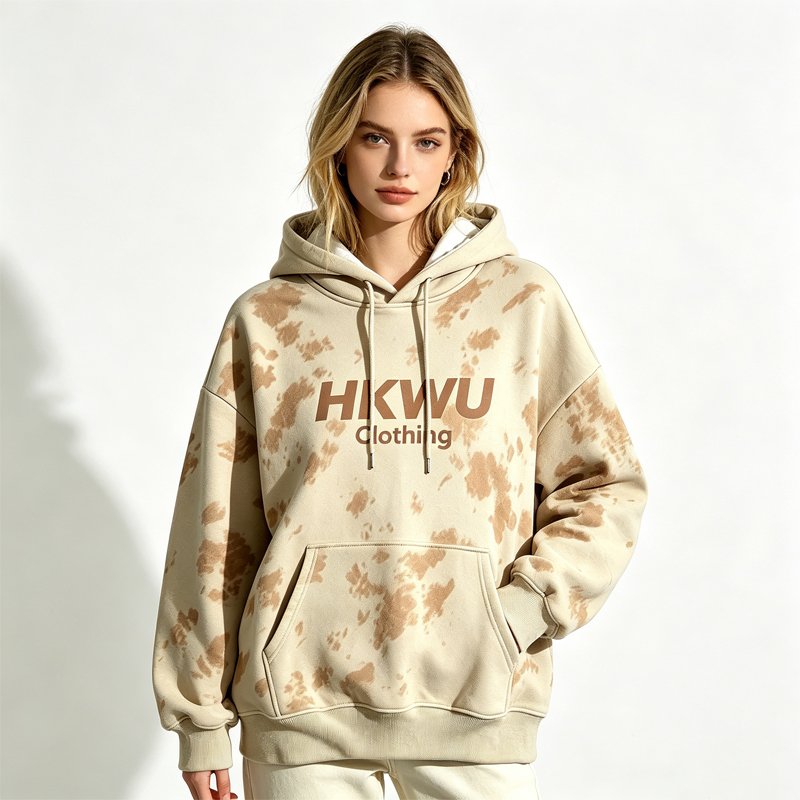
Comfort Hoodie vs Hoodie – Marketing Gimmick or Real?

Introduction: The Hoodie That Promises More
You have seen them on TikTok. The oversized, cloud-soft hoodies that claim to be “weighted” and “therapeutic.” Brands like Comfrt have built multimillion-dollar businesses around a simple promise: this is not just a hoodie. It is a mental health tool.
But is that true? Or is it just marketing genius dressing up basic fleece in emotional language?
Here is the short answer: the difference between a “comfort hoodie” and a regular hoodie is partly real (heavier fabrics, enzyme-washed softness, oversized fits) and partly marketing (the “weighted” claims are exaggerated, and the branding preys on mental health awareness). For some people, the sensory experience is genuinely helpful. For others, it is an overpriced hoodie with good PR.
This guide breaks down exactly what makes a comfort hoodie different, what the science (and lawsuits) say, and whether the premium price is worth paying.
Let us get into it.
Part 1: What Is a “Comfort Hoodie”?
The term “comfort hoodie” is not a regulated category. It is a marketing label applied to hoodies that prioritize specific features over traditional design.
1.1 The Defining Features
According to brand descriptions and customer reviews, “comfort hoodies” typically share these characteristics:
| Feature | What It Means | How Common in Regular Hoodies |
|---|---|---|
| Enzyme-washed fabric | Pre-broken-in softness from day one | Rare |
| Brushed interior | Cloud-like, fuzzy inside for softness | Sometimes |
| Oversized fit | Roomy chest and shoulders, tapered waist | Sometimes |
| “Weighted” fabric | Heavier than average fleece (not true weighted blankets) | Rare |
| Mental health branding | Explicit claims about anxiety and stress relief | Very rare |
| Pre-shrunk treatment | Maintains fit after washing | Sometimes |
The brand Comfrt, which dominates this category, uses a “51% cotton, 49% polyester” blend with an “enzyme wash” that creates a broken-in, “Super Soft Combed Cotton Blend” feel.
1.2 The “Weighted” Claim – Fact or Fiction?
This is the most controversial aspect. Comfrt explicitly markets their hoodies as “slightly weighted” and claims customers report the weight helps with anxiety and stress.
What the brand says: “Our hoodies are slightly weighted, which many customers claim has helped with anxiety and stress.”
What customers say: One detailed reviewer wrote: “Despite the hype, none of the hoodies are weighted—not even a little bit.” Another noted: “The little bit of weight makes it feel like a cozy hug.”
The reality: A “weighted” hoodie weighs about 1.5-2 lbs. A therapeutic weighted blanket weighs 10-20 lbs. The hoodie is heavier than a thin fashion hoodie but not comparable to actual weighted therapy tools. The claim is marketing exaggeration, not medical fact.
1.3 The Softness Factor – Enzyme Wash Explained
The enzyme wash is a legitimate differentiator. Most hoodies come off the production line stiff. An enzyme wash uses natural enzymes to break down surface fibers, creating a softer, “lived-in” feel immediately. This is not marketing—it is a real manufacturing process that adds cost and produces a noticeably different hand-feel.
However, this process is not unique to “comfort hoodie” brands. Premium hoodie brands like Reigning Champ and American Giant use similar techniques. The difference is that comfort hoodie brands make it their primary selling point.
Part 2: The Marketing Machine – How “Comfort” Became a Brand
The success of “comfort hoodies” is as much about marketing as it is about product.
2.1 The TikTok Virality Playbook
Comfrt did not become a multimillion-dollar brand by accident. The company mastered social media marketing, with one hoodie sold every 15 seconds at its peak.
Their strategy included:
- Influencer seeding (sending free hoodies to TikTok creators)
- Emotional branding (tying hoodies to mental health and anxiety relief)
- Fake urgency (constant “limited-time” sales)
- User-generated content campaigns (encouraging customers to post reviews)
One reviewer admitted: “Honestly, when you see a piece of clothing blowing up on your feed every three seconds, it’s easy to just roll your eyes and assume it’s all clever marketing.”
2.2 The Fake Pricing Lawsuit
This is where marketing crosses into deception. In November 2025, a class-action lawsuit was filed against Comfrt alleging “fake regular prices” and “fake discounts.”
The allegations:
- Comfrt advertised hoodies with “regular prices” of $120-130 crossed out and “sale prices” of $49-70
- The “regular prices” were never actually charged—the hoodies were always sold at the “discounted” price
- The “limited-time” sales were not limited; the same discounts were available consistently
The lawsuit cites Google Shopping data showing the products were “typically” sold for $49-59 in the preceding three months, nowhere near the advertised “regular” price of $120.
What this means: The “sale” you think you are getting is not a sale. It is the actual price dressed up in marketing language.
2.3 The Mental Health Angle
Many comfort hoodie brands explicitly tie their products to mental health. Comfrt’s founder has stated that he suffered from depression and anxiety, which inspired the brand, and they have partnered with the American Anxiety and Depression Association.
One customer review captures the emotional appeal: “I also suffer with mental health diagnoses and appreciate the message the company stands with. There is strength in numbers and I feel like proudly wearing a Comfrt clothing piece and seeing others also wearing them, reminds me I’m not alone.”
Is this genuine or exploitative? It depends on perspective. For customers who find comfort in the product, the mental health messaging validates their experience. For critics, it is a brand using serious issues to sell hoodies at inflated prices.
2.4 The Complaint Trail
The Better Business Bureau reports 1,299 total complaints about Comfrt in the last three years, with 970 complaints closed in the last 12 months alone.
Common complaints include:
- Refusing cash refunds (store credit only)
- Months-long shipping delays for pre-orders
- Ignored customer service emails
- Return fees not disclosed upfront
One complaint states: “They do not give refunds. If you’re ‘lucky,’ you get a store credit minus their hidden fees.”
This pattern suggests that while the product may be good, the customer experience is a gamble. If everything goes right, you get a great hoodie. If something goes wrong, you may be left with store credit and frustration.
Part 3: What Real Customers Say – The Actual Experience
The truth about “comfort hoodies” lies in the polarized reviews.
3.1 The Rave Reviews (The Product Is Genuinely Good for Many)
| Reviewer | Quote |
|---|---|
| Mighty Travels | “The hoodie is incredibly soft and cozy and feels like a warm hug every time I put it on” |
| The Guy’s List | “Very cozy and comfortable . . . Keeps you warm . . . Outstanding price at $39” |
| Thingtesting user | “The comfiest hoodie I have ever owned! The material is so soft and smooth and the hoodie is nice and oversized and a little heavy, creating this feeling of safety when I wear it” |
| USA Today | “Engineered for more than just looks. Made from a Super Soft Combed Cotton Blend that goes through a specialized enzyme wash” |
The consensus from happy customers: The hoodie is genuinely soft, warm, and comfortable. The oversized fit is flattering. The weight, while not therapeutic, feels substantial and cozy.
3.2 The Difficult Experiences (The Risk Is Real)
| Reviewer | Quote |
|---|---|
| Thingtesting user | “I received items with holes, crooked logos, and ‘wonky’ fits . . . The sets attract every piece of lint . . . following their washing instructions exactly, the set pilled even worse” |
| BBB complaint | “All of the sizes are inaccurate . . . The sleeves bellow over my hand, I look like a child in an adults sweater . . . You also have to pay to send back your items” |
| BBB complaint | “They do not give refunds. If you’re ‘lucky,’ you get a store credit minus their hidden fees” |
| Mighty Travels | “I paid $14.75 for 2-day express shipping, yet my order took over two weeks to arrive” |
The consensus from unhappy customers: Quality control is inconsistent. Some hoodies arrive with defects. Returns are difficult (store credit only). Customer service is unresponsive.
3.3 The Polarization Explained
Why do some people love these hoodies while others dislike them? The answer is consistency.
When the brand gets it right, the hoodie is genuinely excellent—soft, warm, well-fitted. When they get it wrong, the customer service experience makes it nearly impossible to fix. One review sums it up: “If everything doesn’t go ‘just perfect’ with your order, you are completely out of luck.”
Part 4: The Price Question – Is It Worth the Money?
Let us compare the numbers.
4.1 Price Comparison
| Hoodie | Advertised “Regular” Price | Actual Selling Price | Typical Sale Price |
|---|---|---|---|
| Comfrt Minimalist Hoodie | $120 | $49-59 (consistent) | $49 (fake sale) |
| Comfrt Travel Hoodie | $130 | $49-60 (consistent) | $49 (fake sale) |
| Nike Club Fleece | $60-65 | $60-65 | $40-50 on sale |
| Uniqlo U Hoodie | $50-80 | $50-80 | $30-50 on sale |
| Champion Reverse Weave | $55-70 | $55-70 | $40-55 on sale |
Key insight: The “sale price” of a comfort hoodie ($40-60) is roughly comparable to other quality hoodies. The deception is not the absolute price—it is the fake “regular price” that makes you think you are getting a bargain.
4.2 The Cost-Per-Wear Calculation
If you buy a $50 comfort hoodie and wear it 100 times, the cost is $0.50 per wear. This is reasonable for a hoodie you genuinely love.
The problem is not the price. It is the risk. If the hoodie arrives defective or does not fit, you cannot get a cash refund—only store credit. That risk is not reflected in the price tag.
4.3 What You Are Actually Paying For
| Cost Component | Comfort Hoodie | Regular Hoodie |
|---|---|---|
| Materials (cotton/poly fleece) | Standard | Standard |
| Enzyme wash processing | Yes (extra cost) | No |
| Marketing and influencer seeding | Very high | Low to medium |
| Mental health branding | High | None |
| Customer service infrastructure | Poor (per complaints) | Varies |
You are paying for the enzyme wash and the marketing, not superior materials. The fabric is a standard cotton-poly blend—nothing exceptional.
Part 5: Comfort Hoodie vs Regular Hoodie – Head-to-Head
5.1 Direct Comparison Table
| Aspect | “Comfort Hoodie” (e.g., Comfrt) | Regular Quality Hoodie (e.g., Uniqlo, Champion) |
|---|---|---|
| Initial softness | Enzyme-washed, soft immediately | May need breaking in |
| Warmth | Moderate to high (heavyweight fleece) | Varies by weight |
| Weight claim | “Slightly weighted” (exaggerated) | Not claimed |
| Fit | Oversized, baggy, tapered waist | Varies (regular, relaxed, slim) |
| Price | $40-60 (actual selling price) | $40-80 |
| Return policy | Store credit only, restocking fees | Cash refunds (most retailers) |
| Customer service | Poor (1,299 complaints) | Varies by retailer |
| Durability | Mixed reports (pilling, shedding) | Generally good |
| Mental health branding | Heavy (anxiety/stress claims) | None |
| Marketing hype | Very high (TikTok viral) | Low to medium |
5.2 The Real Differences (Not Marketing)
Legitimate advantages of “comfort hoodies”:
- Enzyme-washed fabric is genuinely softer out of the box
- Oversized fits are more relaxed than standard hoodies
- The fabric is heavier than cheap fashion hoodies
What is marketing spin:
- The “weighted” claim is exaggerated—it is not a therapeutic weighted garment
- The “anxiety relief” claims are not medically substantiated
- The “sales” are fake—the discounted price is the actual price
5.3 The “Weighted” Myth – Detailed Analysis
A therapeutic weighted blanket typically weighs 10-20 lbs and distributes pressure across your body. A “weighted” hoodie weighs about 1.5-2 lbs. The pressure is negligible.
What customers actually feel: The hoodie is heavier than a thin fashion hoodie. That extra weight can feel grounding and comfortable. But calling it “weighted” in the therapeutic sense is marketing, not medicine.
One reviewer put it bluntly: “Despite the hype, none of the hoodies are weighted—not even a little bit.” Another said the weight “makes it feel like a cozy hug.” Both are correct—it is about perception, not measurement.
Part 6: The Verdict – Marketing Gimmick or Real?
The honest answer is: both.
6.1 The “Real” Part
The enzyme-washed fabric is genuinely softer. The oversized fit is genuinely more comfortable for lounging. The heavier fabric provides genuine warmth. For customers who receive a good product, these hoodies are genuinely enjoyable.
6.2 The “Gimmick” Part
The “weighted” claims are exaggerated. The mental health marketing is emotional branding, not medical science. The fake “sales” and fake “regular prices” are deceptive. The return policy (store credit only) is customer-hostile.
6.3 Should You Buy One?
Buy a “comfort hoodie” if:
- You understand that the “sale” price ($40-60) is the actual price
- You are okay with store credit if you need to return it
- You prioritize softness and an oversized fit
- You are willing to accept the risk of inconsistent quality
Skip it and buy a regular hoodie if:
- You want the ability to return for a cash refund
- You prefer a more structured, less baggy fit
- You are concerned about the high volume of complaints
- You do not want to support deceptive pricing practices
6.4 The Bottom Line
A “comfort hoodie” is not a fundamentally different product from a quality regular hoodie. The enzyme wash is real, but it is not unique to “comfort” brands. The oversized fit is common in streetwear. The heavier fabric is standard in premium hoodies.
What you are really buying is the marketing story—the promise that this hoodie will help with anxiety, that it is “weighted,” that you are getting a bargain. For some people, that story enhances the experience. For others, it feels like manipulation.
Three things to remember:
- The hoodie itself can be very good – soft, warm, comfortable, and well-fitting.
- The marketing is misleading – fake sales, exaggerated “weighted” claims, and emotional branding.
- The risk is real – store credit only returns, poor customer service, and inconsistent quality.
If you buy one, go in with your eyes open. The hoodie might become your favorite lounge piece. Or it might arrive defective with no way to get your money back. That is the gamble.
And that gamble is not about comfort. It is about trust.
More Articles from WUYI Apparel
Want to learn more about styling essentials hoodies or other apparel tips? Check out some of our other helpful articles:
- Wearing Black to a Wedding: A Modern Etiquette Guide
- Rainwear Jackets: The Perfect Fusion of Fashion and Function
- How To Measure Clothes
- Casual clothing – Casual and elegant through everyday life
- How to Find Your Style:An in-depth exploration of one’s own clothing style
For more tips and tricks on fashion and lifestyle, don’t forget to visit our Blog Section.
Head over to our Shop Page to browse our full collection and pick your favorite essentials hoodie