Welcome to customize all kinds of clothing

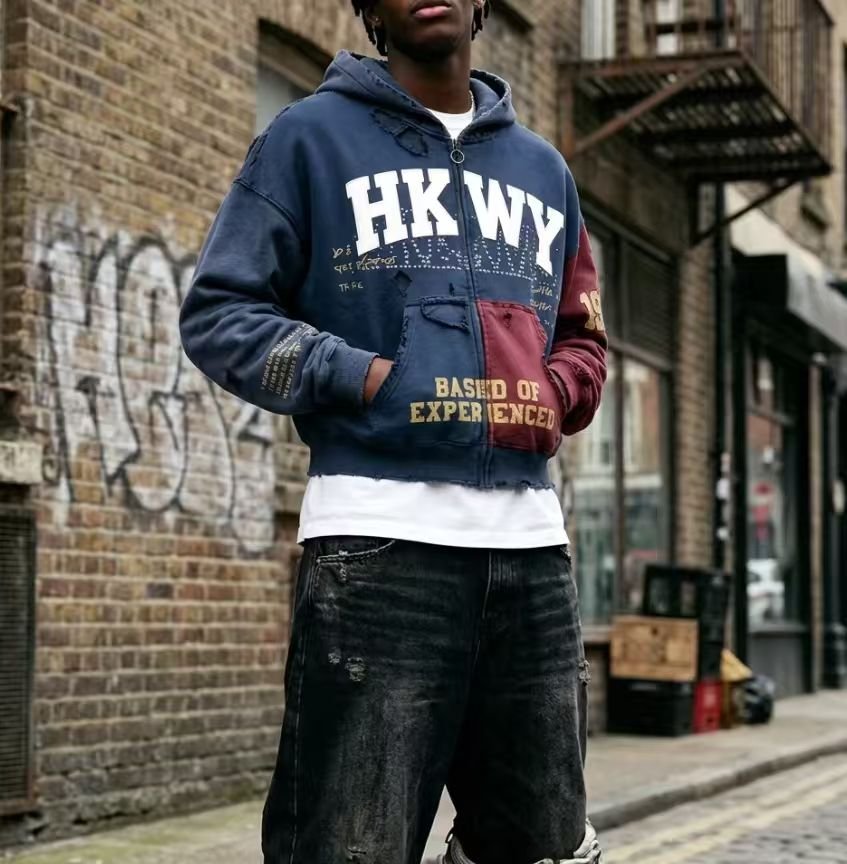
Will Eco-Friendly Fabric Hoodies Become Mainstream?

Introduction: The Hoodie at a Crossroads
Walk into any clothing store. Browse any online retailer. You will see hoodies made from organic cotton, recycled polyester, and even plant-based materials that promise to return to the earth. The language of sustainability is everywhere.
But is this genuine change or just marketing? Will eco-friendly hoodies ever become the default choice, or will they remain a niche premium option?
Here is the short answer: eco-friendly fabric hoodies are already on the path to becoming mainstream, driven by consumer demand, regulatory pressure, and industry investment. The question is not “if” but “how fast” and “at what price point.”
The global hoodie market is valued at $226.6 billion in 2025 and is projected to reach $396 billion by 2034, growing at 6.4% annually. Within this massive market, sustainability is shifting from a differentiator to a baseline expectation.
This guide analyzes the forces pushing eco-friendly hoodies toward mainstream adoption, the barriers that remain, and what the future holds for sustainable streetwear.
Let us get into it.
Part 1: What Are Eco-Friendly Fabric Hoodies?
Before we predict the future, let us define what “eco-friendly” actually means in the context of hoodies.
1.1 The Main Sustainable Fabrics
Different brands use different approaches to sustainability. Here are the primary eco-friendly fabrics appearing in hoodies today:
Organic Cotton. Grown without synthetic pesticides or fertilizers. Uses 91% less water than conventional cotton. It is the dominant organic fiber in sustainable apparel, perceived as higher quality and more comfortable than recycled alternatives. The cotton segment already dominates the European hoodies market with a 65.6% share.
Recycled Polyester (rPET). Made from post-consumer plastic bottles (10-20 bottles per garment). It is the most favored material for sustainable clothing made with recycled fibers. Recycled polyester offers durability, moisture-wicking, and quick-drying properties essential for performance hoodies.
Recycled Cotton. Made from pre-consumer textile waste. Uses significantly less water and energy than virgin cotton. Often blended with organic cotton for balanced comfort and strength.
TENCEL / Lyocell. Made from sustainably sourced wood pulp using a closed-loop production process. Smooth drape, moisture management, and biodegradable.
Regenerative Fibers. Grown using farming practices that restore soil health and sequester carbon. Currently concentrated in denim but expanding into other categories.
1.2 What “Eco-Friendly” Actually Means in Practice
A truly sustainable hoodie manufacturer focuses on the entire lifecycle, from fiber to finishing, packaging, and end-of-life.
Key pillars include:
- Responsible materials (organic, recycled, low-impact fibers)
- Credible certifications (GOTS, GRS, OEKO-TEX, Fair Wear)
- Energy and water efficiency in production
- Closed-loop or low-liquor dyeing systems
- Wastewater treatment before discharge
- Design for recyclability and circularity
The UNLESS Collective x Under Armour “Earth Essentials” capsule represents the extreme end of this spectrum: hoodies made entirely from plants, free from any synthetic plastic-based materials, designed to return safely to the earth through a take-back program.
1.3 Certifications That Matter
Not all “sustainable” claims are equal. Legitimate certifications provide objective evidence:
| Certification | What It Verifies |
|---|---|
| GOTS | Organic fibers, chemical safety, social criteria |
| GRS | Recycled content, chain of custody |
| OEKO-TEX | Harmful substances testing |
| Fair Wear | Fair labor conditions |
| BCI | Better Cotton Initiative (not perfect, but progress) |
As one manufacturer notes, “credible certifications give buyers objective evidence of safe and eco-friendly apparel production.”
Part 2: The Market Reality — Where Sustainability Stands Today
The market for eco-friendly hoodies is not a niche experiment. It is a rapidly growing segment backed by real data.
2.1 Market Size and Growth Projections
The European hoodies market alone was valued at $77.77 billion in 2025 and is projected to reach $130.22 billion by 2034, growing at 6.33% annually. The synthetic materials segment (which includes recycled polyester) is predicted to witness the highest CAGR of 7.8% due to the booming athleisure and technical streetwear segments.
The U.S. market tells a similar story. Research of over 50 leading apparel brands and retailers found that recycled polyester is the most favored material for sustainable clothing, with cotton as the dominant organic fiber.
2.2 What Consumers Actually Want
Young shoppers actively search for eco-friendly hoodies, ethical clothing, and responsible streetwear. Climate anxiety, documentary coverage of fashion’s waste problem, and social media scrutiny drive this demand.
Key consumer insights:
- 78% of shoppers prioritize organic cotton for sustainability
- Clothing made with organic fibers is perceived as higher in quality, comfort, and trend-focused
- Consumers are willing to pay a premium for hoodies made from certified organic cotton or recycled polyester, provided brands can demonstrate genuine environmental stewardship
- There is a notable attitude–behavior gap: consumers value sustainability but often choose price over principles at the point of purchase
This last point is critical. Consumers say they want sustainable hoodies. But when faced with a $30 conventional hoodie and a $50 organic one, many choose price.
2.3 Early Mainstream Indicators
Several indicators suggest eco-friendly hoodies are moving beyond the niche:
Retail adoption. Major brands like Under Armour, Gap, and Lululemon now offer sustainable hoodie options. Under Armour’s “Earth Essentials” capsule with UNLESS Collective uses 100% plastic-free, plant-based materials.
Wholesale availability. Monday Merch, a custom apparel platform, lists multiple sustainable hoodie options including Premium Organic Cotton, Premium Cotton Zipper, and Side Pockets Recycled Cotton styles as top sellers for 2026.
Manufacturing capacity. Chinese manufacturers report that organic and recycled blanks now dominate wholesale production, with full-chain traceability from yarn to packaging and scalable capacity of 600,000 units per month.
Trend validation. Merchandise surveys confirm that sustainability is one of three major forces driving hoodie demand in 2026, alongside oversized fits and minimalist branding.
2.4 Regional Differences
The shift is not uniform across all markets:
Europe leads in demand for sustainable raw materials. The EU’s stringent sustainability legislation and upcoming circularity requirements push brands to increase recycled content.
North America shows strong growth in organic cotton and recycled polyester, though transparency and credibility need improvement.
Central and Eastern Europe lags due to price sensitivity, limited availability, and cultural preferences for fast fashion, though younger, educated urban consumers are most open to sustainable options.
Part 3: The Forces Driving Mainstream Adoption
Several powerful forces are pushing eco-friendly hoodies toward mainstream acceptance.
3.1 Gen Z and Millennial Demand
Younger consumers are the primary drivers of sustainable fashion. They have grown up with climate anxiety, documentary evidence of fashion’s environmental damage, and social media that amplifies brand accountability.
What they value:
- Transparency about materials and supply chains
- Actionable sustainability, not vague claims
- High-quality, durable products (not disposable fast fashion)
- Style that does not compromise on values
As one analysis notes, “conscious consumers expect every garment to reflect their values on climate, waste, and ethics.” For brands targeting younger demographics, sustainable hoodies are not optional—they are expected.
3.2 Regulatory Pressure
Governments are increasingly regulating the fashion industry’s environmental impact.
European Union. Upcoming circularity requirements and extended producer responsibility laws push brands toward recycled content and design for recyclability. The synthetic materials segment is projected to see the highest growth partly because brands must comply with these regulations.
France. The Anti-Waste Law (AGEC) bans the destruction of unsold non-food products, including textiles.
California. The Responsible Textile Recovery Act (SB 707) requires producers to establish stewardship programs for clothing.
These regulations make sustainable production less of a choice and more of a compliance requirement.
3.3 Industry Investment and Innovation
Textile manufacturers are investing heavily in sustainable production capabilities.
Sino Finetex, a major hoodie manufacturer, reports full supply chain control from yarn to packaging using OEKO-TEX certified materials, with 3 fabric invention patents and 18 utility model patents for eco-fabrics. They offer 600,000 units monthly capacity and 15-45 day lead times for sustainable blanks.
Key innovations driving adoption:
- Bio-based polyester and agricultural waste fibers
- Low-impact dye technologies
- Digital product passports for traceability
- Blockchain-based supply chain verification
- Closed-loop recycling systems
As production scales, costs decrease. Sustainable hoodies become more price-competitive with conventional options.
3.4 The Premiumization Opportunity
Sustainable hoodies command premium pricing. Consumers are willing to pay more for certified organic cotton or recycled polyester when brands can demonstrate genuine environmental stewardship.
For brands, this means:
- Higher margins on sustainable product lines
- Improved brand perception among target demographics
- Differentiation in crowded markets
- Alignment with corporate sustainability goals
Manufacturers report that organic cotton and recycled polyester blanks support 10-20% premium pricing over conventional options.
3.5 Athleisure and Performance Trends
The rise of performance hoodies (moisture-wicking, compression, quick-dry) aligns with sustainable materials. Recycled polyester is inherently suited for performance applications.
Athleisure growth (CAGR 6-8%) creates demand for fabrics that are both technical and sustainable. The combination of performance and environmental responsibility is particularly attractive to active consumers.
Part 4: The Barriers Still in the Way
Despite strong momentum, significant barriers remain before eco-friendly hoodies become truly mainstream.
4.1 The Price Gap
Sustainable fabrics cost more to produce than conventional alternatives.
| Fabric Type | Cost Profile | Consumer Price Impact |
|---|---|---|
| Conventional cotton | Baseline | $30-50 hoodie |
| Organic cotton | 20-40% premium | $50-80 hoodie |
| Recycled polyester | 15-30% premium | $45-70 hoodie |
| Plant-based/regenerative | 50-100% premium | $80-150+ hoodie |
For price-sensitive consumers, this gap remains significant. Research in Central and Eastern Europe found that “higher prices” are one of the main obstacles to adopting sustainable clothing.
The attitude–behavior gap persists: consumers say they value sustainability but often choose price at the checkout.
4.2 Greenwashing and Consumer Skepticism
“Greenwashing”—making misleading or unsubstantiated sustainability claims—erodes consumer trust.
As one analysis warns, “companies can simply slap a label on a garment and label it a sustainable hoodie. Such greenwashing brands do not follow sustainable practices at all.”
Common greenwashing tactics:
- Vague claims (“eco-friendly,” “green,” “natural”) without certification
- Highlighting a single sustainable attribute while ignoring others
- Using recycled content for a small percentage of the garment
- “Made with organic cotton” when the garment is only 5% organic
Consumers are becoming more sophisticated at spotting greenwashing, but the damage to trust affects legitimate sustainable brands as well.
4.3 Availability and Convenience
Sustainable hoodies are not yet available everywhere. Small towns and rural areas have limited access to eco-friendly options. Even online, filtering for sustainable products requires effort.
A 2026 custom merch guide notes that while sustainable options are increasing, “not every custom hoodie provider offers eco-friendly blanks.” For wholesale buyers, finding reliable sustainable manufacturers with consistent quality and scalable capacity remains a challenge.
4.4 Performance Trade-offs (Real and Perceived)
Some consumers perceive sustainable fabrics as inferior to conventional options. While this is often inaccurate—organic cotton is softer and more durable than conventional, and recycled polyester performs identically to virgin—the perception persists.
Real considerations:
- Organic cotton can shrink more if not properly processed
- Some recycled polyester fabrics have different hand-feel
- Natural dyes may be less colorfast than synthetic ones
- Plant-based materials may require special care
However, as one manufacturer notes, “the fabric feels better, washes better, and prints better,” meaning that high-quality sustainable hoodies often outperform conventional options in comfort and durability.
4.5 Fiber-to-Fiber Recycling Gaps
Despite strong demand for recycled content, the actual fiber-to-fiber recycling infrastructure remains limited. Most recycled polyester still comes from bottles, not old clothing.
As the European market report notes, there is a “low percentage of fiber-to-fiber recycling in the market” despite regulatory pressure. Closing this loop is the next frontier, and it will take time and investment.
Part 5: The Tiers — Who Is Leading the Shift
The transition to eco-friendly hoodies is not uniform across all market segments. Different tiers are moving at different speeds.
5.1 Premium and DTC Brands (Most Advanced)
Brands like Kotn, Pangaia, and Represent are built entirely around sustainable fabrics. They use GOTS-certified organic cotton, recycled polyester, and innovative materials like TENCEL.
Why they lead: Their target customers (affluent, educated, urban) prioritize sustainability and are willing to pay premiums. These brands have integrated sustainability into their DNA, not just added it as a product line.
Sustainability outlook: High. These brands are already mainstream within their target demographics.
5.2 Major Sportswear Brands (Rapidly Catching Up)
Nike, Adidas, Under Armour, and Lululemon have made significant commitments to sustainable materials. Under Armour’s “Earth Essentials” capsule with UNLESS Collective uses 100% plant-based, plastic-free materials. Lululemon is featured in custom merch guides as a premium sustainable option.
Why they matter: Their massive scale means even small percentage shifts in sustainable material use have large absolute impacts. When Nike uses recycled polyester across its product lines, it moves the entire industry.
Sustainability outlook: Moderate to high. Scale is both an advantage and a challenge—transitioning massive supply chains takes time.
5.3 Fast Fashion and Mass Market (Least Advanced, Most Important)
H&M, Zara, and similar retailers have launched “conscious” or “sustainable” lines, but these represent a small fraction of their overall production. The fast fashion business model—high volume, low prices, rapid turnover—is fundamentally at odds with sustainability.
The challenge: Fast fashion consumers are the most price-sensitive. Raising prices to fund sustainable materials risks losing market share to even cheaper competitors.
Sustainability outlook: Low to moderate. Real change here depends on regulatory pressure and shifts in consumer behavior, not voluntary brand action.
5.4 Summary Table: Progress by Tier
| Market Tier | Current Adoption | Key Drivers | Main Barriers |
|---|---|---|---|
| Premium / DTC | High | Customer demand, brand identity | Higher price point |
| Major sportswear | Moderate-high | Brand commitments, scale | Supply chain transition time |
| Fast fashion | Low-moderate | Regulatory pressure | Price sensitivity, business model |
Part 6: The Future — What Needs to Happen for Mainstream Adoption
For eco-friendly hoodies to become truly mainstream—the default, not the premium option—several things need to happen.
6.1 Price Parity
Sustainable hoodies need to reach price points comparable to conventional options. This requires:
- Scaling production. As more manufacturers invest in sustainable capacity, per-unit costs decrease. Sino Finetex already offers 600,000 units monthly capacity, demonstrating that scale is achievable.
- Innovation in materials. Lower-cost sustainable fibers (agricultural waste, bio-based alternatives) are in development.
- Improved supply chain efficiency. Vertical integration from yarn to packaging reduces middleman costs.
Estimated timeline: 3-5 years for organic cotton and recycled polyester to reach near-parity at wholesale level. Longer for premium materials like TENCEL or regenerative fibers.
6.2 Infrastructure for Circularity
True sustainability requires closing the loop—turning old hoodies into new hoodies.
What is needed:
- Fiber-to-fiber recycling facilities at scale
- Collection and sorting infrastructure
- Design for recyclability (mono-materials, removable hardware)
- Consumer participation in take-back programs
UNLESS Collective’s take-back program—where hoodies are designed to return safely to the earth—is a pioneering model. But for mass adoption, similar programs need to be widespread and convenient.
Estimated timeline: 5-10 years for meaningful circular infrastructure. Regulatory pressure (EU circularity requirements) will accelerate this.
6.3 Transparency and Verification
Consumers need to trust sustainability claims. This requires:
- Blockchain-based traceability. Digital product passports showing the garment’s journey from farm to closet.
- Third-party certifications that are rigorous and widely recognized (GOTS, GRS, OEKO-TEX).
- Penalties for greenwashing. Regulatory enforcement against false claims.
The EU is already moving in this direction. As one analysis notes, “digital product passports and blockchain-based traceability systems will enable consumers and regulators to see where fibers come from.”
6.4 Changes in Consumer Behavior
Even with affordable sustainable options and trustworthy verification, consumers must choose them.
What is needed:
- Reduced attitude-behavior gap (actually buying sustainable when given the choice)
- Willingness to pay modest premiums (10-20% instead of 50-100%)
- Shift from quantity to quality (fewer, better hoodies)
This is perhaps the hardest barrier. Consumer behavior changes slowly, and price sensitivity is deeply ingrained.
6.5 Timeline Estimate
| Timeframe | Expected Developments |
|---|---|
| 0-2 years | Organic cotton and recycled polyester become standard options in mid-range hoodies; premium pricing persists |
| 2-5 years | Price gap narrows; major sportswear brands achieve 50%+ sustainable material use; regulatory pressure increases |
| 5-10 years | Circular infrastructure develops; fiber-to-fiber recycling becomes viable; “sustainable” becomes the default, not the exception |
Part 7: What This Means for Different Stakeholders
7.1 For Consumers
- If you have the budget, sustainable hoodies are already available and often superior in quality. A premium organic cotton hoodie ($80-150) will outlast three $30 conventional hoodies.
- If price is a barrier, focus on buying fewer, better hoodies. The most sustainable hoodie is the one you already own. Wear it until it wears out.
- Watch for greenwashing. Look for specific certifications (GOTS, GRS, OEKO-TEX), not vague claims.
- Consider second-hand. The most eco-friendly hoodie may be the one that already exists.
7.2 For Brands
- Sustainability is becoming table stakes. If you are not investing in sustainable materials now, you will be playing catch-up in 2-3 years.
- Avoid greenwashing. Consumers are sophisticated. Vague claims backfire.
- Invest in traceability. Digital product passports will soon be expected, not optional.
- Design for circularity. Consider the end of the garment’s life from the beginning.
- The premiumization opportunity exists. Sustainable hoodies command higher prices and build brand loyalty.
7.3 For Manufacturers
- Full supply chain control is an advantage. Vertical integration from yarn to packaging enables traceability and quality consistency.
- Certifications matter. GOTS, GRS, and OEKO-TEX are non-negotiable for serious buyers.
- Innovation in materials creates differentiation. Patented eco-fabrics (compression, durability enhancements) command premium pricing.
- Scale is achievable. 600,000 units monthly demonstrates that sustainable production is not a niche craft.
Part 8: FAQs — Your Quick Questions Answered
Q1: Are eco-friendly hoodies actually better quality?
Often, yes. Organic cotton is softer and more durable than conventional cotton. Recycled polyester performs identically to virgin polyester. However, quality depends on the manufacturer, not just the material. Check construction indicators (stitching, weight, hood construction) regardless of the fabric.
Q2: Why are sustainable hoodies more expensive?
Organic cotton costs more to grow (no pesticides, lower yields). Recycled polyester collection and processing add costs. Certifications (GOTS, GRS) require audits and fees. As production scales, prices will decrease—but they will likely always carry a modest premium.
Q3: Is recycled polyester actually eco-friendly?
Compared to virgin polyester, yes. It diverts plastic bottles from landfills and uses less energy and water. However, it still sheds microplastics when washed. The most eco-friendly fiber overall is organic cotton or TENCEL, but recycled polyester is a significant improvement over virgin synthetic.
Q4: How can I tell if a hoodie is genuinely sustainable?
Look for specific certifications: GOTS for organic fibers, GRS for recycled content, OEKO-TEX for chemical safety. Avoid vague claims like “eco-friendly” or “green” without verification.
Q5: Will sustainable hoodies ever be as cheap as conventional ones?
Not exactly. They will likely always carry a modest premium (10-20%) due to higher production costs. However, the gap will narrow as scale increases and conventional cotton faces regulatory pressure and resource scarcity.
Q6: Are there sustainable options under $50?
Limited, but growing. Some brands offer organic cotton or recycled polyester hoodies in this range, particularly during sales. Uniqlo’s sustainable lines are often under $50. Budget-friendly sustainable options are becoming more available but still not the norm.
Q7: What is the most eco-friendly hoodie material?
For natural fibers: organic cotton (91% less water than conventional) or TENCEL (closed-loop production, sustainably sourced wood). For synthetics: recycled polyester (diverts waste from landfills). The “most eco-friendly” depends on your priorities (water use, carbon emissions, microplastics, biodegradability).
Q8: Do consumers actually care about sustainable hoodies?
Yes—in theory. The attitude-behavior gap persists, but younger consumers (Gen Z and Millennials) are more likely to act on their values. For premium and DTC brands, sustainability is a significant purchase driver. For mass-market, price still wins.
Q9: What is greenwashing, and how do I avoid it?
Greenwashing is making misleading or unsubstantiated sustainability claims. Avoid it by looking for specific, third-party certifications (GOTS, GRS, OEKO-TEX). Be suspicious of vague claims (“eco-friendly,” “green,” “natural”) without evidence.
Q10: Which brands make genuinely sustainable hoodies?
Premium: Kotn, Pangaia, Pact, Outerknown. Sportswear: Under Armour (UNLESS Collective), Adidas (Parley), Nike (Move to Zero). Accessible: Uniqlo, Everlane, Gap (some lines). Custom: Monday Merch offers several GOTS-certified and recycled options. Always verify certifications for the specific product.
Conclusion: The Tipping Point Is Coming
Eco-friendly fabric hoodies will become mainstream. The question is not “if” but “when.”
The forces pushing this shift are powerful and converging: Gen Z demand for values-aligned products, regulatory pressure in major markets, industry investment in sustainable production, and the premiumization opportunity for brands.
But significant barriers remain. The price gap, greenwashing, limited fiber-to-fiber recycling infrastructure, and consumer behavior gaps all need to be addressed.
Three things to remember:
- Sustainability is moving from differentiator to baseline. Brands that are not investing now will be playing catch-up in 3-5 years.
- Price parity is the key milestone. When sustainable hoodies reach near-parity with conventional options at retail, mainstream adoption will accelerate rapidly.
- The most sustainable hoodie is the one you already own. Buy fewer, better hoodies. Wear them longer. Choose sustainable when you can, but do not discard perfectly good conventional clothes.
The hoodie is the perfect garment for this transition. It is worn year-round, by everyone, in every setting. If any garment can lead the sustainable fashion movement, it is the humble hoodie.
The future is not just eco-friendly. It is already arriving.
More Articles from WUYI Apparel
Want to learn more about styling essentials hoodies or other apparel tips? Check out some of our other helpful articles:
- Wearing Black to a Wedding: A Modern Etiquette Guide
- Rainwear Jackets: The Perfect Fusion of Fashion and Function
- How To Measure Clothes
- Casual clothing – Casual and elegant through everyday life
- How to Find Your Style:An in-depth exploration of one’s own clothing style
For more tips and tricks on fashion and lifestyle, don’t forget to visit our Blog Section.
Head over to our Shop Page to browse our full collection and pick your favorite essentials hoodie