Welcome to customize all kinds of clothing

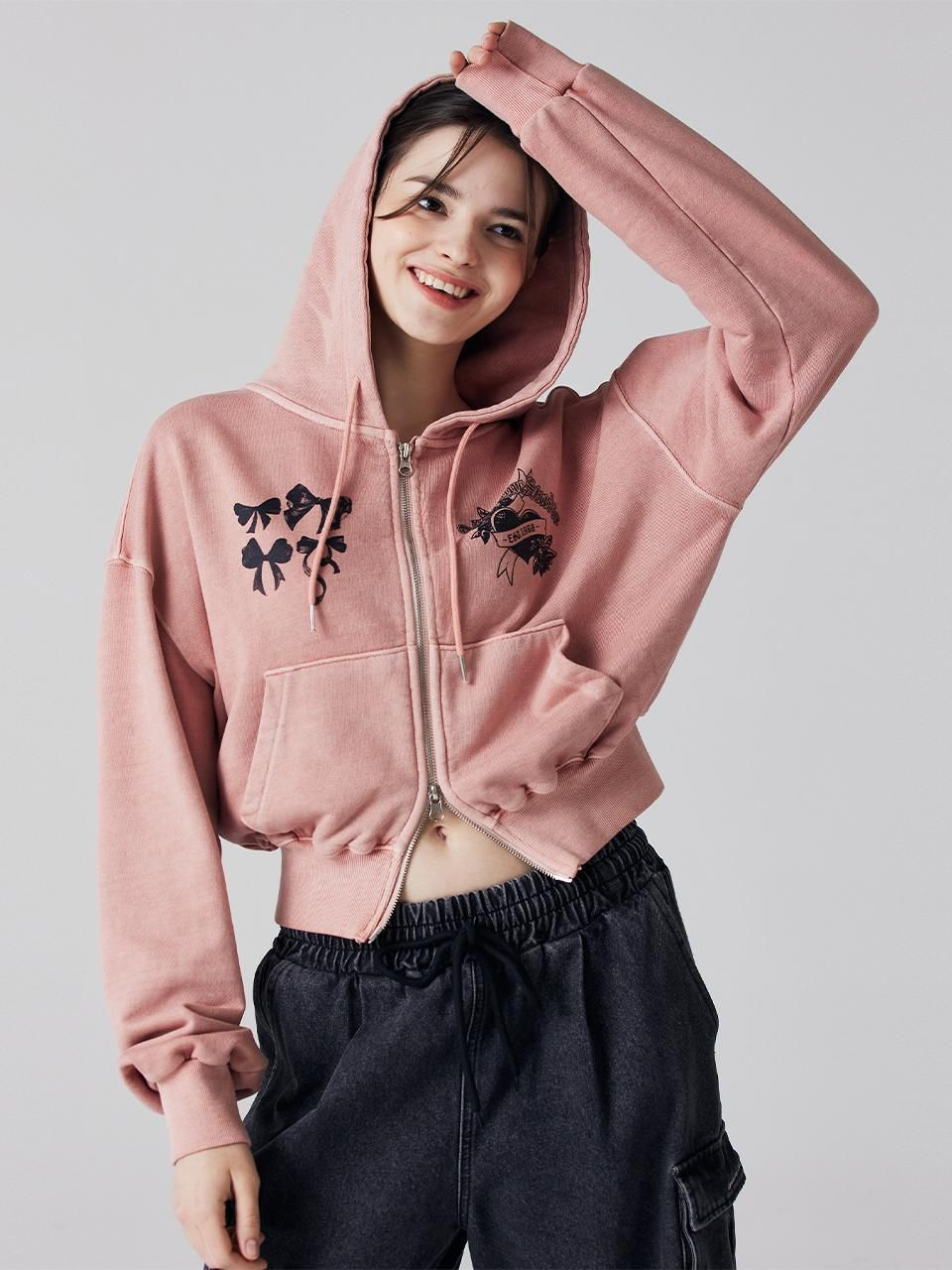
Why Hoodies Have Become the Most Common Item in Young People’s Wardrobes

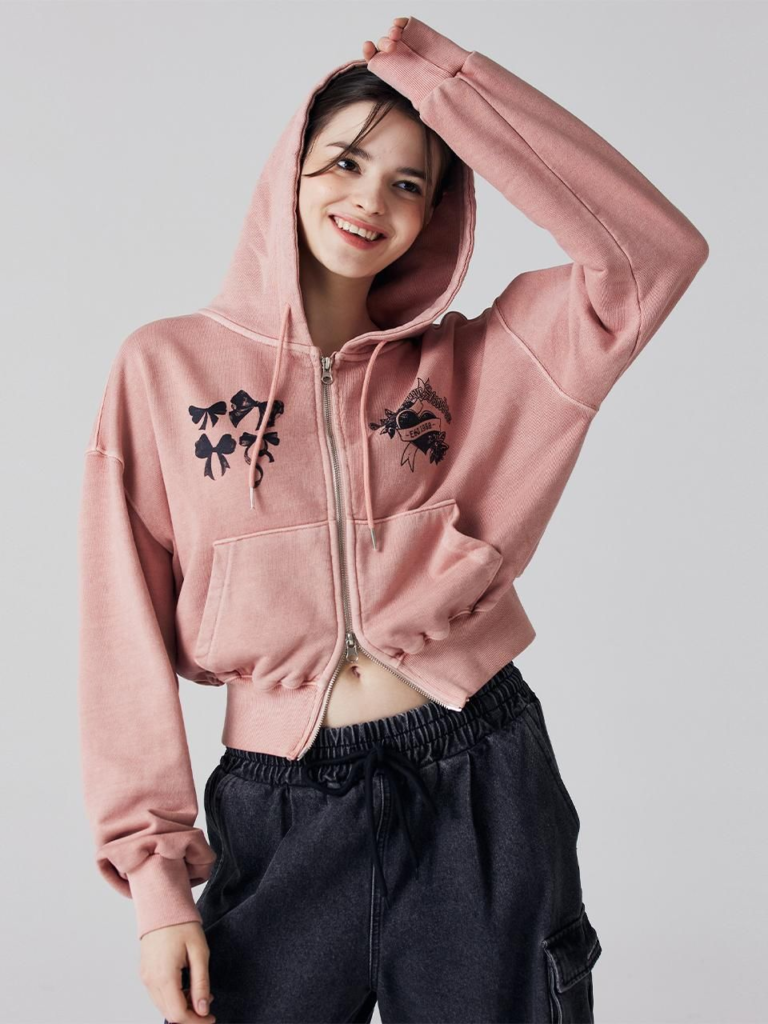
Introduction: The One Garment That Rules Them All
Open any young person’s closet. What do you see?
Hoodies. Multiple hoodies. Hoodies in different colors, different weights, different stages of wear. The hoodie has become the single most common item in young people’s wardrobes, regardless of gender, style preference, or climate.
This is not an accident. The hoodie has achieved something few garments ever have: universal acceptance across subcultures, seasons, and social situations.
Here is the short answer: hoodies have become the most common item in young people’s wardrobes because they solve multiple problems at once—emotional comfort, social identity, practical versatility, and economic value—in a way that no other garment can.
This guide breaks down the psychological, social, and practical reasons why the hoodie has claimed its place at the center of youth fashion. Let us get into it.
Part 1: Comfort Is Not Just Physical — It Is Emotional
The number one reason young people wear hoodies is comfort. But not just the softness of the fabric. A deeper kind of comfort.
1.1 Comfort as Emotional Regulation
Young people today exist in a state of near-constant digital visibility. More than half say they feel pressure to present themselves well online, even when they are not actively posting. Cameras are everywhere—front-facing cameras on phones, mirrors, video calls, security footage, and social content constantly reflect the body back to the wearer.
Clothing that feels good creates a kind of mental quiet. It allows people to focus outward instead of inward. Getting dressed is no longer about keeping up or standing out. It is about making the day feel manageable.
When young people talk about comfort, they are rarely talking about softness alone. They are talking about not being hyper-aware of their body all day. About clothes that do not require constant adjustment or self-consciousness. About being able to move through their day without thinking about how fabric behaves.
1.2 The Hoodie as Emotional Armor
Psychologists observe that clothing choices connect deeply to our emotions. Many people develop strong attachments to certain pieces, and hoodies often become comfort items. The familiar feel of a favorite hoodie can reduce anxiety, especially in social situations where you might feel judged or uncomfortable.
Wearing a hoodie creates a sense of security. The hood itself acts like a shield, giving you control over how much of yourself you show to the world. For young people dealing with body image concerns or social pressure, a hoodie becomes emotional armor. It is not about hiding—it is about feeling confident enough to face the day on your own terms.
This explains why young people wear hoodies even in hot weather. The hoodie becomes a switch they can flip when they feel uncomfortable.
1.3 The Mental Health Factor
Research shows that over 60% of young people prioritize comfort and practicality over style trends when choosing what to wear. This preference reflects a generation navigating economic pressure, social comparison, and constant digital presence all at once.
Clothing has shifted from a tool for self-presentation to a source of stability. In that sense, comfort becomes emotional regulation. Clothes act as support rather than performance.
The takeaway: The hoodie is not just soft. It is safe. And for young people managing constant visibility, safety matters.
Part 2: Identity and Belonging — Wearing Your Tribe
The hoodie is not just comfortable. It is communicative.
2.1 Hoodies as Identity Markers
Your clothing choices communicate who you are before you say a word. Hoodies serve as identity markers for different communities. Gamers, artists, skaters, and athletes all embrace hoodies as part of their visual identity. The specific style, brand, or graphics tell others about your interests and values.
The hoodie is the unifying garment that cuts across gender, age, and style preference. It appears again and again as a staple across every demographic of young people.
2.2 Merch as Meaningful Consumption
Perhaps no trend better explains the hoodie’s dominance than the rise of “meaningful merchandise.” In 2026, merch has had the ultimate glow-up—from peripheral to deliberate.
For young people, it is no longer about wanting everything. It is about wanting specific things, all chosen carefully, worn repeatedly, and imbued with meaning:
- A hoodie from the music festival you attended
- A cap from your favorite cafe
- A hoodie bearing the name of your favorite artist
These are not impulse buys. They are considered choices—proof of presence, wearable markers of identity that say: this mattered enough to earn a place in my life.
In an age defined by overstimulation, young people have become deeply aware of what they allow into their physical space. Wardrobes are smaller, edits are sharper, and every addition has to justify its presence. If there is only room for one hoodie, it needs to mean something.
2.3 The “Uniform” Effect
Teen fashion is social language. A hoodie can say “I am part of this group” without any extra words.
Young people copy each other’s silhouettes. A black hoodie with white strings or a black and red hoodie can be a fast way to match friends. University hoodies—Harvard, Michigan, or other colleges—can make a young person feel older and more confident, even if they never visited the campus. A hoodie becomes a shortcut to belonging.
The takeaway: The hoodie tells others who you are. It signals tribe, taste, and territory without a single spoken word.
Part 3: Practical Versatility — One Garment, Infinite Situations
The hoodie’s practicality is unmatched. It works across temperatures, settings, and activities.
3.1 The Temperature Management Solution
Adults often think in “season boxes.” Young people think in “day boxes.” A day includes cold bus rides, cold classrooms, and hot sidewalks.
Walking into a heavily air-conditioned mall, movie theater, or classroom after being outside in the heat can feel like entering a freezer. A lightweight hoodie helps the body adjust to these temperature swings. Modern fabrics are designed to be breathable while still providing warmth when you need it, making them perfect for indoor-outdoor days.
This is why young people wear hoodies even in summer. They are not ignoring the heat—they are solving multiple temperature problems with one garment.
3.2 Sun Protection and Practical Coverage
Some reasons are not emotional at all. A hoodie can be a tool—for sun, wind, and messy daily life.
A hoodie can protect from sun, bugs, wind, and cold AC, and it can also hide hair or skin issues. Many young people treat a hoodie like a wearable shield that works in many places.
Wearing a hoodie during summer actually shields your skin from harmful UV rays. The fabric acts as a physical barrier between your skin and the sun, reducing the risk of sunburn and long-term skin damage.
3.3 The Layering Logic
A hoodie is the ultimate layer. Throw a well-fitted hoodie under a blazer, and you have something considered and put-together. Wear that same hoodie with jeans and clean trainers, and it is effortlessly casual. The garment itself barely changes—the context does all the work.
This versatility explains why hoodies appear across every price tier and style category. They are not seasonal. They are not situational. They are always appropriate somewhere.
The takeaway: The hoodie works in every season, every setting, and every situation. No other garment can say the same.
Part 4: Market Reality — The Numbers Do Not Lie
The hoodie’s dominance is not anecdotal. It is reflected in market data.
4.1 A Multi-Billion Dollar Category
The global hoodies and sweatshirts market was valued at $241.11 billion in 2025 and is expected to reach $442.64 billion by 2034, growing at a CAGR of 7.08%. North America dominates with 40.42% of the market, but Asia-Pacific is the fastest-growing region.
These numbers show that the hoodie is not a trend. It is a permanent category.
4.2 Why the Market Keeps Growing
Several factors drive this growth:
- The rise of athleisure — clothing that works for both activity and casual wear
- Hybrid work models — people need comfortable clothes that still look presentable on camera
- Streetwear culture — hoodies are the canvas for self-expression in music, gaming, and fashion communities
- Sustainability trends — brands are investing in organic cotton and recycled fibers, making hoodies more appealing to eco-conscious young people
4.3 Young People Drive the Market
Women’s hoodies dominate the market (52.13% share), but the men’s segment is growing faster at 7.72% CAGR. The Asia-Pacific region is expanding rapidly, driven by K-fashion, J-fashion, and strong e-commerce penetration.
In short: young people around the world are buying hoodies at unprecedented rates. The garment has gone global.
The takeaway: The hoodie is not just popular. It is a global economic force driven by young consumers.
Part 5: The Shift from Trends to Stability
Understanding why hoodies dominate young people’s wardrobes requires understanding how young people’s relationship with fashion has changed.
5.1 Trend Fatigue
Young people did not experience trends as moments. They experienced them as noise. By the time they were teenagers, fashion cycles were already accelerating beyond control, with micro-trends peaking and disappearing within weeks.
Over time, the excitement wears off. Constant visual input makes trends feel disposable, even meaningless. Wearing something comfortable and familiar becomes a way to opt out of the pressure. Not everything needs to be documented, explained, or justified.
5.2 Choosing Clothes That Feel Right
When young people avoid trends, it is rarely because they do not care about fashion. More often, the trend simply does not fit into how they live. Fit, movement, weight, and wearability matter in ways that are difficult to describe but easy to feel. If something feels off, it usually gets left behind, no matter how popular it is.
The hoodie feels right. It has been tested across decades, subcultures, and climates. Young people trust it.
5.3 The Exit from Performance Dressing
For young people, visibility is constant and often unavoidable. That changes the role of fashion. Instead of amplifying attention, clothing becomes a way to manage it. Choosing something understated or familiar can feel protective. It allows space to exist without commentary, interpretation, or feedback.
The hoodie is the ultimate tool for this. It does not demand explanation. It does not require performance. It just works.
The takeaway: The hoodie is a rejection of trend-driven fashion. It is stable, reliable, and trustworthy—qualities young people value in an unstable world.
Part 6: The Hoodie as a Generational Symbol
The hoodie’s dominance in young people’s wardrobes is not just about fabric and fit. It is about what the garment represents.
6.1 From Stigma to Acceptance
The hoodie has traveled an improbable path—from freezing warehouses to Rocky Balboa’s training montages to MTV music videos to Paris runways to the corner office. Young people inherit this cultural weight. They know the hoodie has history.
But there is also contrast. While many young people embrace the hoodie, some are trading it for quarter-zips as a signal of professionalism and maturity. The quarter-zip trend represents young people choosing to “dress up” for job interviews and professional settings.
Yet even this trend reinforces the hoodie’s importance. The quarter-zip is positioned as the “alternative to the hoodie”—meaning the hoodie remains the default. It is the baseline against which other garments are measured.
6.2 The “Nike Tech” Moment
The viral video that launched the quarter-zip trend explicitly contrasted two garments: “We don’t do Nike Tech. We don’t do coffee. It’s straight quarter zips and matchas around here.” The Nike Tech hoodie had become so dominant that rejecting it became a statement.
When a garment is so common that rejecting it becomes a trend, you know it has won.
6.3 A Garment for Every Identity
The hoodie’s greatest strength is its refusal to belong to just one aesthetic. Teenagers wear them; so do fashion editors. That is genuinely unusual. The reason it crosses those boundaries so naturally comes down to how easily it can be styled up or down.
Whether you are a skater, a gamer, a student, an artist, or a tech worker, the hoodie fits. It does not ask you to change who you are. It just works.
The takeaway: The hoodie has become a generational symbol. It represents comfort, authenticity, and the refusal to perform.
Part 7: FAQs — Your Quick Questions Answered
Q1: Why do young people wear hoodies even in hot weather?
They wear them for emotional comfort, sun protection, cold air conditioning, social identity, and personal style. The mental benefit often outweighs any physical discomfort from extra warmth.
Q2: Is the hoodie still popular with Gen Z in 2026?
Yes. Market data shows the hoodie market growing to $442 billion by 2034. While some young men are adopting quarter-zips as a more professional alternative, the hoodie remains the most common wardrobe item.
Q3: What makes hoodies more than just clothing for young people?
Hoodies serve as emotional armor, identity markers, and practical tools. They reduce anxiety, signal belonging, and solve temperature management problems that other garments cannot.
Q4: Why do hoodies feel “safe” to young people?
The hood provides a sense of privacy and control. It creates a personal bubble that reduces stress in crowded or unfamiliar places. A hoodie can also hide body features that might cause self-consciousness.
Q5: Are cheap hoodies or expensive hoodies more popular?
Both. What matters more is meaning—a hoodie from a concert or favorite brand carries emotional weight regardless of price.
Q6: Do young people care about hoodie quality?
Yes, but quality means different things. Fit, fabric weight, and durability matter. Research shows young people return clothing more frequently than older generations when fit or expectation mismatches occur.
Q7: What is replacing the hoodie for some young people?
Quarter-zip pullovers have gained popularity as a “preppy compromise between a hoodie and a sports coat,” especially for professional settings. However, this represents an addition to the wardrobe, not a replacement.
Q8: Why do young people own multiple hoodies?
Different hoodies serve different purposes: one for emotional comfort, one for fashion, one for sports, one as a “beater” for messy activities. Hoodies are also affordable enough to collect.
Q9: Do young people wear hoodies in professional settings?
Some do, but the trend is shifting toward quarter-zips for interviews and client-facing roles. However, in creative and tech workplaces, hoodies remain fully acceptable.
Q10: Will hoodies ever stop being popular?
The market data suggests no. The hoodie has evolved from workwear to streetwear to luxury fashion to workplace attire. Its versatility and emotional resonance make it a permanent wardrobe staple.
Conclusion: The Hoodie Has Won
The hoodie is the most common item in young people’s wardrobes for one simple reason: it solves more problems than any other garment.
It provides emotional comfort when the world feels overwhelming. It signals identity without demanding explanation. It adapts to cold classrooms, hot sidewalks, and everything in between. It fits every budget and every style.
Young people have not been sold the hoodie. They have chosen it. Over and over again.
Three things to remember:
- The hoodie is emotional armor — it reduces anxiety and provides a sense of safety in a world that demands constant visibility
- The hoodie is identity — from concert merch to university logos, it tells others who you are without a single word
- The hoodie is practical — it works across temperatures, settings, and activities like no other garment
The hoodie is not just clothing anymore. It is a cultural artifact that reflects how young people navigate their world—on their own terms, in their own comfort, with their own identity.
And that is why it will never go away.
More Articles from WUYI Apparel
Want to learn more about styling essentials hoodies or other apparel tips? Check out some of our other helpful articles:
- Wearing Black to a Wedding: A Modern Etiquette Guide
- Rainwear Jackets: The Perfect Fusion of Fashion and Function
- How To Measure Clothes
- Casual clothing – Casual and elegant through everyday life
- How to Find Your Style:An in-depth exploration of one’s own clothing style
For more tips and tricks on fashion and lifestyle, don’t forget to visit our Blog Section.
Head over to our Shop Page to browse our full collection and pick your favorite essentials hoodie