Welcome to customize all kinds of clothing

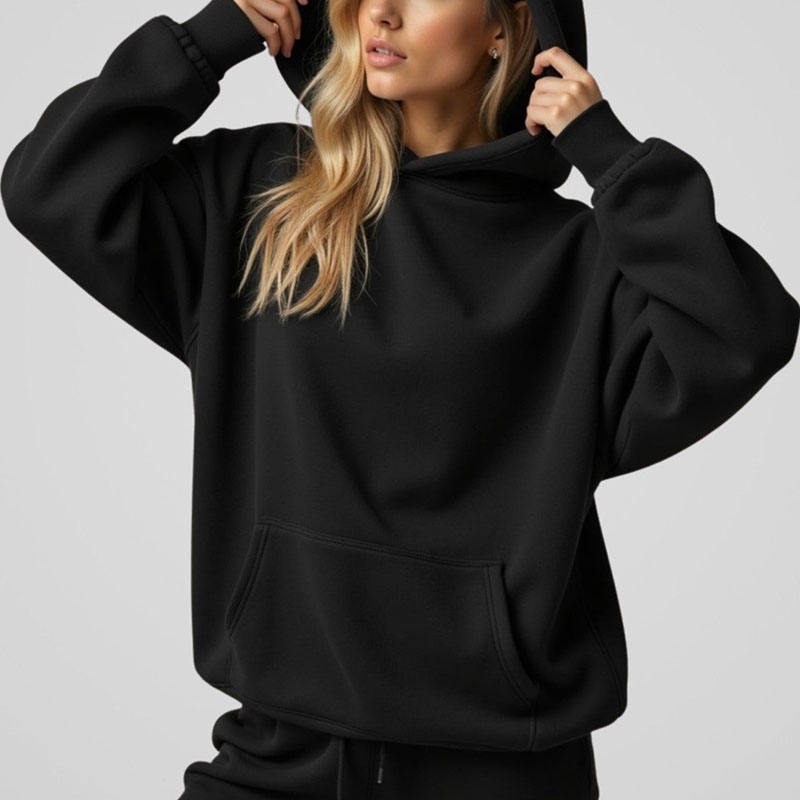
How to Wash a Hoodie Without Pilling: The Ultimate Care Guide

What Causes Those Annoying Fuzz Balls
You pull your favorite sweatshirt out of the washing machine and notice small fuzzy balls scattered across the fabric. Your first thought might be that the quality is poor. But pilling is not a defect. It is a natural physical process.
When fibers rub against something—a backpack strap, a chair, or other clothes in the machine—short fibers loosen and break. They tangle together into small balls. Think of it like your hair getting tangled on a windy day.
Pilling shows up where friction happens most: under the arms, across the chest, at the cuffs, and on the lower back where a backpack rubs. If you carry a bag often, pilling there is almost guaranteed unless you take care.
Fiber length matters. Short fibers break easily. Long fibers stay stable. This is why combed cotton (which removes short fibers) resists pilling better than regular cotton. This is also why polyester, made of long fibers, barely pills at all.
Why Your Care Routine Matters
To put it simply, how you wash and dry this piece affects pilling just as much as the fabric itself. The wrong routine can ruin a high-quality garment in months. The right routine keeps it looking new for years.
Why This Matters
Three reasons make this worth your attention.
Money first. A decent sweatshirt costs anywhere from $30 to $100 or more. When pills cover the fabric, it looks cheap and old. You stop wanting to wear it. Replace it every six months, and you end up spending far more than someone who takes care of one good piece for years.
Comfort second. Pilled fabric feels rough against your skin. It catches on other clothes. The smooth texture you loved disappears.
Even more importantly, there is the bigger picture. Clothes that wear out fast add to clothing waste. Making a garment last longer means keeping it out of the landfill.
Here is a real example. Mark washed his piece with jeans and used high heat in the dryer. Six months later, it was covered in pills. Alex did things differently. He turned his inside out, used cold water and gentle detergent, then air dried. A year later, it still looked new. Same quality. Different care.
How to Care: From Choosing to Washing to Storing
Choose the Right Fabric First
If you are buying new, fabric choice is your first defense.
Best options:
- Combed cotton: Short fibers are removed. The surface stays smooth.
- Ring-spun cotton: Fibers are twisted tighter, creating a stronger yarn.
- Heavy cotton (around 400 GSM or more): Dense fabric keeps fibers from moving. (GSM just means fabric weight—higher numbers mean thicker material.)
- Cotton-polyester blends (50/50 or 60/40): Polyester fibers lock cotton in place.
Be careful with:
- Regular cotton: Contains short fibers that break and pill easily.
- Polyester fleece: Soft, but surface fibers loosen quickly with friction.
Fabric weight tells you a lot. Lightweight pieces under 300 GSM pill faster. Mid-weight between 300 and 400 GSM works for daily wear. Heavyweight over 400 GSM resists pilling best.
Before You Wash
Start by turning it inside out. This is the most important step. The outer surface gets protected from rubbing against the machine and other clothes. Prints and logos stay safe too.
Next, fasten zippers and tie drawstrings. A loose zipper can snag. Loose strings can tangle and pull. Thirty seconds of prep prevents damage.
Using a laundry bag also helps. It creates a buffer between your garment and everything else. Choose one with fine mesh and leave room inside—do not stuff it full.
During the Wash
Cold water is your best choice. Heat makes fibers swell and become weak. Cold keeps them stable.
Select the gentle cycle. Different settings have different agitation levels. Gentle or delicate uses slower movement and shorter time. Less movement means less friction.
Pick a mild detergent. Harsh chemicals like bleach damage fibers over time. Look for detergents labeled for delicate fabrics or wool.
Here is something many people get wrong: skip the fabric softener. This sounds counterintuitive—softener makes clothes soft, so it must be good, right? Not for pilling. Softener coats fibers with a waxy layer. Over time, this makes them stiff and more likely to break. Instead, add half a cup of white vinegar to the rinse cycle. It softens naturally without coating fibers.
Wash with similar fabrics. Jeans, towels, and heavy jackets create rough friction against a soft sweatshirt. Simply put, wash these pieces together or with other soft items like t-shirts.
One more thing: do not overstuff the machine. Clothes need room to move. When the machine is too full, everything rubs against everything else with more force.
How to Dry
Air drying is the safest method. No heat. No tumbling. No friction. Lay the piece flat on a rack or hang it on a sturdy hanger. Keep it out of direct sunlight, which fades colors and weakens fibers.
If you must use a dryer, use low heat. Take it out while it is still slightly damp. Let it finish drying in the air. This limits the time it spends tumbling and rubbing.
Never use high heat. The combination of high temperature and constant movement is the fastest way to cause pilling. One hot cycle can undo months of good care.
If Pills Appear
A fabric shaver is the best tool. Lay the piece flat. Move the shaver gently over pilled areas in one direction. Do not press hard. Test on a hidden spot first.
No fabric shaver? Try an electric razor (go very gently), a lint roller for light pilling, tape wrapped around your hand, or a pumice stone for thick cotton.
What not to do: Do not pull pills off with your fingers. This stretches the surrounding fibers and causes more damage. Do not use scissors unless you have steady hands—it is too easy to cut the fabric.
After removing pills, wash the piece again. This flushes away loose fibers that could form new pills right away.
How Often to Wash
Sweatshirts do not touch your skin directly. This means they do not need washing after every wear. Every 3 to 5 wears is plenty. If there are no visible stains or odor, simply air it out instead. Spot clean small marks. Wash right away only if you sweat in it. Over-washing speeds up fiber wear, so keeping it to a minimum helps.
How to Store
Fold them. Hanging stretches the shoulders over time. Folded, they keep their shape.
Make sure they are completely dry before storing. Even a little dampness can lead to mildew, which weakens fibers.
Keep them in a cool, dry place away from direct sunlight. Heat and sun speed up fiber breakdown.
Who Should Pay Attention
- Anyone who wears these often – more wear means more friction, more need for good care
- People who buy quality pieces – protect your investment with proper care
- Students and backpack carriers – strap rubbing causes lower back pilling; knowing this helps you prevent it
- Those using shared laundry rooms – limited control over machine settings; turning inside out and using a laundry bag helps
- Anyone who wants to waste less – one piece lasting three years is better than buying three
Common Mistakes and Questions
Common Mistakes
| Mistake | The Fix |
|---|---|
| Washing with jeans or towels | Wash with soft fabrics only, or use a laundry bag |
| Using hot water | Stick to cold water every time |
| High heat in the dryer | Air dry, or use low heat and remove while damp |
| Using fabric softener | Replace with half a cup of white vinegar in the rinse cycle |
| Washing after every wear | Wash every 3–5 wears unless sweaty or visibly dirty |
| Pulling pills off with fingers | Use a fabric shaver instead |
| Washing right-side out | Always turn it inside out first |
Frequently Asked Questions
Q: Does pilling mean my sweatshirt is cheap?
A: Not necessarily. All fabrics can pill with enough friction. But cheap ones made from short fibers do pill faster and more heavily. Quality ones resist pilling longer, and pills are easier to remove.
Q: How should I wash a new one for the first time?
A: Turn it inside out. Use cold water. Gentle cycle. Mild detergent. No fabric softener. Air dry. The first wash removes loose surface fibers that could later form pills.
Q: Can I fix one that already has pills?
A: Yes. Use a fabric shaver to remove existing pills. Wash it again to flush away loose fibers. Then follow proper care going forward.
Q: Does fabric softener really cause pilling?
A: Over time, yes. It coats fibers with a waxy layer that makes them stiff and more likely to break. Try white vinegar in the rinse cycle instead.
Q: Can I use the dryer?
A: Yes, but carefully. Use low heat. Take it out while still slightly damp. Let it finish drying in the air. If you can, air drying is always safer.
Q: Do laundry bags really help?
A: Yes. They create a barrier between your piece and other clothes. They also reduce friction against the machine drum. Choose a fine-mesh bag and leave room inside.
Q: How often should I wash?
A: Every 3 to 5 wears, unless it gets sweaty or visibly dirty. Less washing means less wear on the fibers.
Q: How do I use white vinegar? Does it leave a smell?
A: Add half a cup to the rinse cycle. The smell disappears completely as the fabric dries. Use it once every few washes.
Q: Can I still wear one that has pills?
A: Light pilling can be removed with a fabric shaver. Heavy pilling makes it look worn and cheap. If it is beyond saving, retire it for home wear and start fresh with a new one—and care for it properly from the beginning.
plore More Articles from WUYI Apparel
Want to learn more about styling essentials hoodies or other apparel tips? Check out some of our other helpful articles:
- Wearing Black to a Wedding: A Modern Etiquette Guide
- Rainwear Jackets: The Perfect Fusion of Fashion and Function
- How To Measure Clothes
- Casual clothing – Casual and elegant through everyday life
- How to Find Your Style:An in-depth exploration of one’s own clothing style
For more tips and tricks on fashion and lifestyle, don’t forget to visit our Blog Section.
Head over to our Shop Page to browse our full collection and pick your favorite essentials hoodie today!