Welcome to customize all kinds of clothing

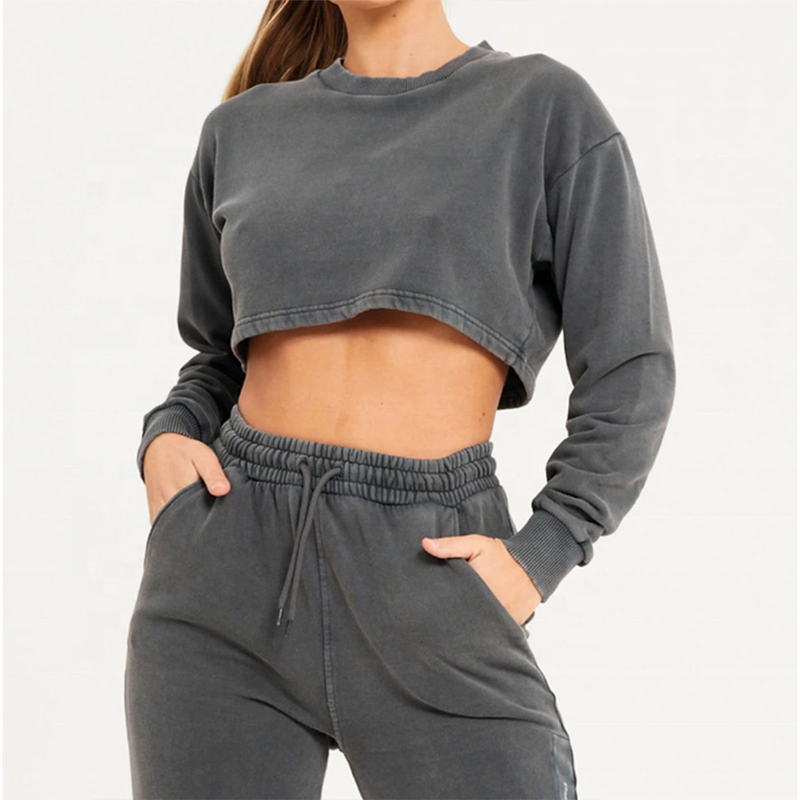
Can You Wear a Hoodie to a Business Casual Office? Style Tips That Work

1. What Is It?
You have a comfortable hoodie that you love. You also have a job with a business casual dress code. Can the two exist together?
Workplace style has changed. Tech founders wore hoodies on magazine covers. The pandemic made comfort a priority. Luxury brands put hoodies on runways.
Now the question is not about whether they belong in offices. It is about which ones, how you wear them, and where you work.
Some pieces will never work. Thick fleece with a giant logo? No. An oversized streetwear style with bold graphics? Probably not. But a well-made top in a neutral color, made from merino wool or high-quality cotton, worn under a blazer? That can work.
The key is balance. You combine a casual layer with formal elements to create something new.
2. Why Does It Matter?
This is about how people perceive you at work. Dress codes signal professionalism and attention to detail. When you get it right, you show that you understand your workplace culture. When you get it wrong, people may question your judgment—even if your work is excellent.
The stakes vary by industry. In a tech startup, this style is almost expected. In a law firm, it would stand out for the wrong reasons. According to a 2023 Gallup survey, 41 percent of American employees wear business casual most days. It is the most common dress code, but what counts as business casual is shifting.
There is also a personal cost to getting it wrong. A cheap piece that pills after three washes wastes your money. Wearing it to the wrong meeting can make you feel out of place all day. A good-quality layer worn correctly becomes a go-to item you reach for again and again.
3. How Does It Work?
Making a casual top work in a professional setting comes down to three things: the piece itself, how you style it, and where you work.
3.1 Choose the Right One
Start with fabric. Look for materials that feel substantial and look polished. Merino wool, cashmere blends, and high-quality combed cotton are good choices. French terry is better than thick fleece. Avoid anything that looks like athletic wear or pills easily.
Next, check the color. Stick to neutrals. Black, charcoal, and navy are the safest. Olive, oatmeal, and cream can also work. Stay away from bright colors, neon, or large graphics. Logos should be minimal or absent.
Finally, examine the fit. It should be clean and intentional—not too tight, not overly loose. A full-zip style often looks more like a jacket than a pullover, making it an easier fit for the office.
3.2 Use the Right Styling Formula
The most effective approach is to treat it as a layering piece, not the main event.
The classic formula is simple: blazer + casual top + tailored trousers + leather shoes. A charcoal or navy blazer provides structure. The piece underneath adds modern comfort. The trousers and shoes anchor the whole outfit in professionalism.
If a blazer feels too formal, try a wool coat or a long cardigan. In cooler months, a well-cut overcoat does the same job—it adds polish while allowing the piece underneath to stay casual.
Another strong option is to layer a collared shirt underneath. Let the collar peek out. This small detail instantly adds formality. A full-zip style works well here because you can control how much of the shirt shows.
Shoes matter more than people think. Loafers, oxfords, derbies, and Chelsea boots are your best choices. Clean leather sneakers can work in creative offices, but they are a riskier bet. Running shoes and flip-flops are never appropriate.
3.3 Know Your Workplace
This is the part many guides skip. A style that works in one office may fail in another.
In tech startups and creative agencies, the culture is often relaxed. This look is common. You have more room to experiment. In media and design fields, personal style is often encouraged, but polish still matters.
In traditional industries like finance, law, or government, business casual leans formal. A casual top is rarely appropriate. When in doubt, observe what senior people wear. Their choices set the tone.
On video calls, this style is more acceptable because only your upper half is visible. Keep it neat. The hood should stay down. The color should not clash with your background.
For client meetings, interviews, or formal events, choose something more traditional. A blazer and shirt will never be the wrong choice.
4. Who Should Pay Attention?
- Creative and tech workers – most flexibility, but know the boundaries
- Hybrid and remote employees – balance comfort with a professional look on camera
- New employees – learn the unspoken rules of your workplace
- Anyone who values comfort – stay professional without sacrificing ease
- Client-facing roles – know when this style works and when it does not
- Traditional industries – know which items to avoid entirely
5. Common Mistakes & FAQs
5.1 Common Mistakes
| Mistake | The Fix |
|---|---|
| Wearing athletic logos or large graphics | Choose pieces with no logos or subtle branding |
| Pairing with sweatpants or ripped jeans | Combine with tailored trousers or dark, clean denim |
| Letting the piece look worn or pilled | Invest in quality fabrics and care for them |
| Wearing the hood up indoors | Keep the hood down in professional settings |
| Dressing entirely casual | Include at least one formal piece—blazer, trousers, or leather shoes |
| Ignoring workplace culture | Observe senior colleagues before trying new styles |
5.2 Frequently Asked Questions
Q: Can I really wear this style to a business casual office?
A: Yes, with conditions. Your workplace culture must allow it. The piece must be made from quality fabric in a neutral color with a clean fit. And you must pair it with formal items like a blazer, tailored trousers, or leather shoes.
Q: What type works best for the office?
A: Full-zip styles look more like jackets. Look for merino wool, cashmere blends, or high-quality combed cotton. Stick to black, charcoal, or navy. Keep logos minimal. Fit should be clean, not baggy.
Q: How should I style it to look professional?
A: Layer it under a charcoal or navy blazer. Add tailored trousers and leather shoes. A collared shirt underneath also adds formality.
Q: What shoes should I wear?
A: Loafers, oxfords, derbies, and Chelsea boots are safest. Clean leather sneakers may work in creative offices. Running shoes are never appropriate.
Q: Can I wear this on a video call?
A: Yes. Keep the hood down. Choose a solid, neutral color. Make sure it looks clean and neat.
Q: What if I am short or have a different body type?
A: Fit is everything. Choose neither too tight nor too loose. Full-zip styles let you adjust the silhouette. Pair with high-waisted trousers to balance proportions.
Q: How do I know if my workplace allows this?
A: Observe senior leaders. Start with a conservative version—full-zip in charcoal under a blazer. If unsure, ask someone you trust.
Q: When should I definitely not wear this?
A: Client meetings, job interviews, formal presentations, and any event where you represent the company to outsiders. Choose traditional business casual instead.
Q: What if my top starts pilling?
A: Use a fabric shaver to remove pills. If damage is extensive, retire it from office wear. Choose fabrics that resist pilling, like merino wool or high-quality cotton blends.
plore More Articles from WUYI Apparel
Want to learn more about styling essentials hoodies or other apparel tips? Check out some of our other helpful articles:
- Wearing Black to a Wedding: A Modern Etiquette Guide
- Rainwear Jackets: The Perfect Fusion of Fashion and Function
- How To Measure Clothes
- Casual clothing – Casual and elegant through everyday life
- How to Find Your Style:An in-depth exploration of one’s own clothing style
For more tips and tricks on fashion and lifestyle, don’t forget to visit our Blog Section.
Head over to our Shop Page to browse our full collection and pick your favorite essentials hoodie today!