Welcome to customize all kinds of clothing

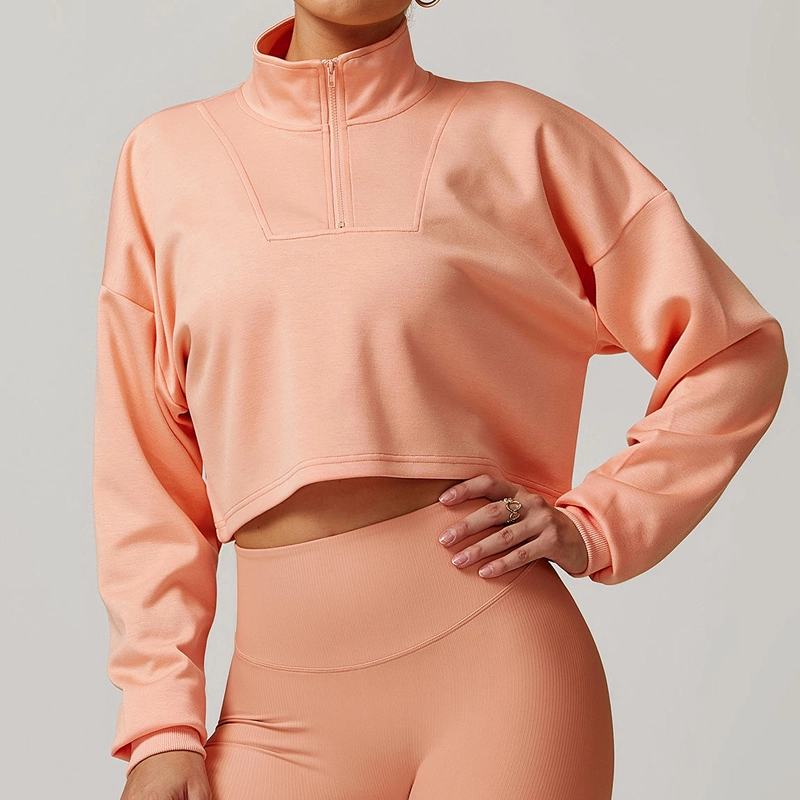
Custom Sweatshirt Design 2026: The Complete Guide to Creating, Manufacturing, and Launching Your Own Collection

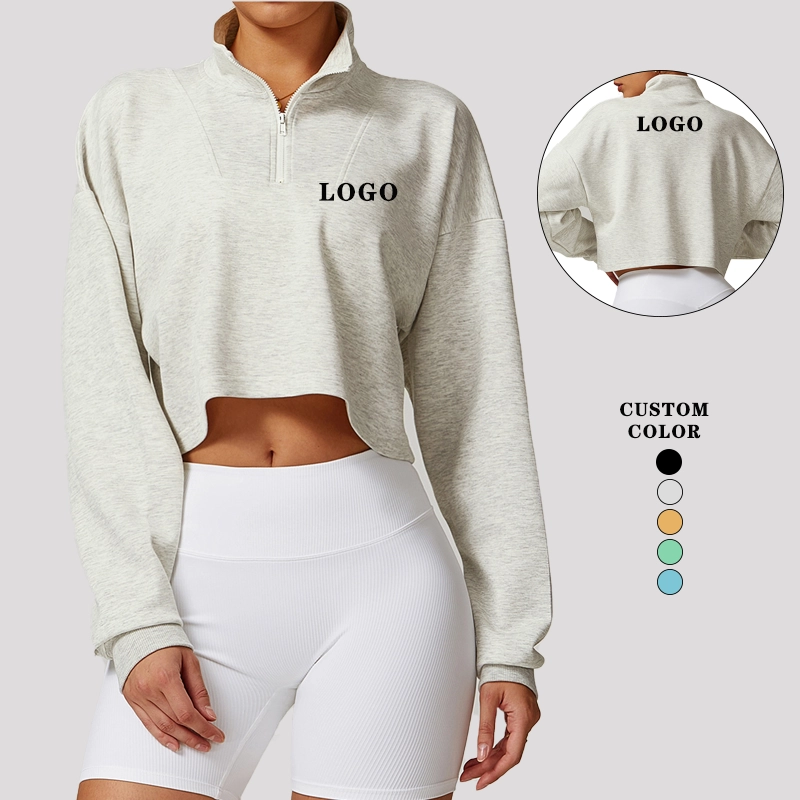
There is a moment in every designer’s journey when they realize: a custom sweatshirt is never just a sweatshirt. It’s a canvas. It’s a billboard. It’s the garment people reach for when they want comfort without sacrificing identity. In 2026, custom sweatshirts have become one of the most powerful tools in fashion, branding, and personal expression—and the market has never been more ready for what you want to create.
This guide covers everything you need to know about custom sweatshirt design in 2026—from the trends shaping the industry to the manufacturing innovations making high-quality custom fleece accessible, and the creative strategies that separate forgettable designs from pieces people actually want to wear.
Why 2026 Is the Year of the Custom Sweatshirt
The custom apparel market is undergoing a fundamental shift. After years of prioritizing quantity over quality, both consumers and brands are demanding garments that last, that feel good, and that carry meaning. Sweatshirts—with their universal appeal, comfortable silhouette, and generous canvas for design—are at the center of this transformation.
Key market drivers for 2026:
- Quality over quantity: Nearly half of all custom apparel buyers now cite “longevity” as the single most important feature when selecting garments. Sweatshirts, with their durable construction and timeless appeal, meet this demand perfectly.
- The premium shift: Consumers are increasingly willing to invest in higher-quality custom pieces. Sweatshirts command higher prices than t-shirts while offering better margins than jackets, making them the ideal product for brands at every level.
- Streetwear influence: What was once a niche subculture has become mainstream. Embroidery, oversized silhouettes, and statement graphics—all defining features of streetwear sweatshirts—now dominate fashion at every price point.
- Sustainability as standard: The most sustainable garment is the one that gets worn. Custom sweatshirts designed with longevity in mind align perfectly with consumer demand for responsible fashion.
The message is clear: in 2026, custom sweatshirts are not just promotional items. They are investments in brand identity, team culture, and genuine wearer satisfaction.
The 10 Biggest Custom Sweatshirt Design Trends for 2026
Understanding what’s current helps you create designs that feel relevant and genuinely desirable. Here are the trends shaping the market.
1. Oversized and Boxy Silhouettes
The oversized trend continues to dominate, but it has evolved. In 2026, the silhouette is “structured loose” —dropped shoulders and relaxed bodies, but with intentional architecture that prevents the garment from looking sloppy. High-quality heavyweight fabrics hold their shape while providing that coveted oversized feel.
Design implication: Oversized sweatshirts work best with bold, centered graphics that scale with the larger canvas. Small left-chest logos can get lost—either scale up or lean into the minimalist aesthetic with confident negative space.
2. Garment-Dyed Vintage Wash
The garment-dyed aesthetic has exploded. Pre-dyed sweatshirts with slightly faded, sun-washed colors evoke a vintage, already-loved feeling right out of the package. Colors like washed terracotta, faded sage, dusty blue, and muted mustard are leading this trend in 2026.
Design implication: Custom designs on garment-dyed blanks take on a naturally aged quality that screen-printed graphics on standard blanks cannot replicate. The slight color variation across the garment adds visual interest and a premium, artisanal feel.
3. Minimalist Tonal Embroidery
Tonal embroidery uses thread that matches—or is one shade off from—the sweatshirt color, creating subtle, textured designs that reveal themselves up close. A navy logo embroidered in dark navy thread on a navy sweatshirt reads as understated luxury.
Design implication: This technique works beautifully for brand logos, monograms, and small accent graphics. The appeal is discretion—tonal embroidery signals confidence and quality without shouting.
4. Oversized Back Embroidery
If the front whispers, the back shouts. Large back embroidery has emerged as a dominant trend for 2026, turning sweatshirts into statement pieces. Designs range from bold typography to full-scale illustrations that transform a sweatshirt into a walking billboard.
Design implication: Back prints are getting bigger and more intentional. The key is balancing a minimal front with a bold back—letting the back design do the heavy lifting while keeping the front clean and wearable.
5. Illustrated Characters and Icons
Custom illustrations are booming in 2026. Brand mascots, cartoon-style characters, retro line art, and playful icons that tell a story are appearing across streetwear, lifestyle, and corporate merchandise.
Design implication: For complex illustrations, custom woven patches often work better than direct embroidery, preserving detail while maintaining a clean finish. Screen printing and DTG also excel at capturing intricate illustrated details.
6. Nature-Inspired Motifs
Floral embroidery continues to dominate, but in 2026 it has evolved into more complex, botanical-inspired designs. Hand-drawn leaves, grapes, mountains, and authentic flora connect with consumers seeking emotional, narrative-driven garments.
Design implication: Nature-inspired designs appeal strongly to eco-conscious consumers, outdoor brands, and lifestyle companies. They work beautifully on earthy, garment-dyed blanks.
7. Puff and Dimensional Effects
While traditionally associated with screen printing, the dimension trend has crossed into all decoration methods. 3D puff embroidery, raised screen printing, and layered appliqué create texture and depth that make even simple designs feel premium.
Design implication: Dimensional effects are particularly effective for logos, statement words, and designs that demand attention. The tactile quality rewards close inspection and communicates craftsmanship.
8. Retro Athletic and 90s Nostalgia
The 90s nostalgia trend keeps evolving. Retro sports-inspired graphics, vintage team aesthetics, distressed print effects, and throwback color palettes—teal, coral, purple—capture the era’s energy on modern sweatshirt silhouettes.
Design implication: This trend works for both authentic throwback designs and new brands wanting a heritage feel. Limited-edition drops are the ideal format.
9. Personalized Monograms and Initials
Monogrammed sweatshirts are a growing gifting trend. A single embroidered initial, a three-letter monogram, or a name in an elegant serif font transforms a quality sweatshirt into a personalized luxury item.
Design implication: This trend drives the custom gifting market for weddings, birthdays, holidays, and corporate appreciation. The perceived value increases significantly with personalization.
10. Mixed-Material Construction
Traditional fleece feels distinctly modern when combined with denim, quilted nylon, or contrasting panels. Mixed materials increase versatility—reversible silhouettes offer two looks in one garment, while colorblock panels add visual interest without relying on graphics.
Design implication: Mixed-material designs appeal to consumers seeking unique pieces that stand out from standard fleece offerings. They command higher price points and signal fashion-forward thinking.
The Fabric Revolution: Choosing Your Base
The fabric you choose defines everything about your custom sweatshirt—its weight, its feel, its durability, and how your design will appear.
Fabric Types for 2026
| Fabric Type | Best For | Key Characteristics |
|---|---|---|
| Heavyweight Fleece | Premium collections, winter wear | 13–15 oz; structured, substantial, holds shape |
| Midweight Fleece | Everyday wear, year-round | 9–11 oz; balanced weight, versatile |
| French Terry | Layering, transitional seasons | Loop-back interior; lighter than fleece; breathable |
| Cotton Blends | Durability, shrink resistance | 80/20 or 70/30 cotton/poly blends; stable |
| Organic and Recycled | Eco-conscious brands | GOTS-certified organic; recycled polyester blends |
Weight Guide
| Weight | Feel | Best Applications |
|---|---|---|
| 8–9 oz | Lightweight | Summer collections, layering pieces |
| 10–11 oz | Standard | Everyday wear, promotional programs |
| 12–13 oz | Heavyweight | Premium merchandise, winter collections |
| 14–15 oz | Ultra-heavy | Streetwear drops, high-end retail |
What to Look For
- Anti-pill finish: Ensures the fabric maintains a smooth appearance after repeated washing
- Ring-spun cotton: Softer, more durable than open-end cotton
- Reverse weave construction: Minimizes shrinkage and maintains shape
- Pre-shrunk fabric: Reduces sizing surprises after the first wash
Decoration Methods: Bringing Your Design to Life
The method you choose dramatically impacts the look, feel, durability, and cost of your custom sweatshirts.
Screen Printing
Best for: Large orders (50+ pieces), simple designs, bold graphics, budget-conscious projects
Screen printing pushes ink through mesh screens onto fabric. Each color requires a separate screen, making it most cost-effective for bulk orders with limited colors.
Advantages: Lowest cost per piece for volume; vibrant, durable prints; excellent for large graphics
Disadvantages: Setup fees per color; not cost-effective for small runs
Embroidery
Best for: Corporate branding, small logos, premium gifts, textured designs
Embroidery uses thread to stitch designs directly into the fabric. The result is textured, durable, and projects quality.
Advantages: High perceived value; extremely durable; professional appearance
Disadvantages: Higher per-unit cost; not ideal for large or detailed graphics
Direct-to-Garment (DTG)
Best for: Small batches (1–50 pieces), photographic detail, unlimited colors
DTG prints like an inkjet printer directly onto the fabric. No setup fees, no color limitations.
Advantages: No minimum orders; full-color photo-quality prints; perfect for detailed illustrations
Disadvantages: Higher per-unit cost; requires pre-treatment on dark garments
Heat Transfer Vinyl (HTV)
Best for: Small batches, custom names/numbers, sportswear
HTV involves cutting designs from colored vinyl and heat-pressing them onto garments.
Advantages: Works on various fabrics; durable; no color limits
Disadvantages: Labor-intensive for large orders; may crack over time
Puff Printing
Best for: Statement designs, streetwear aesthetics, dimensional effects
Puff printing adds a foaming agent to plastisol ink, creating raised, three-dimensional texture after heat curing.
Advantages: Unique tactile quality; eye-catching; premium feel
Disadvantages: Higher cost; best for small design elements
The Manufacturing Process: From Concept to Finished Product
For businesses looking to create custom sweatshirt collections, understanding the manufacturing process is essential.
The Production Timeline
| Stage | Duration |
|---|---|
| Design development | 1–2 weeks |
| Sampling and revisions | 2–3 weeks |
| Fabric sourcing | 1–2 weeks |
| Bulk production | 3–5 weeks |
| Quality control | 3–7 days |
| Shipping | 2–4 weeks |
| Total | 11–18 weeks |
The Sampling Process
A structured sampling process prevents production problems:
- Digitization (for embroidery): Artwork converted to machine-readable files
- Prototype sample: Validates design intent, fit, and material behavior
- Sample sew-out: Test stitching to verify design, tension, and color
- Client approval: Digital proof or physical sample signed off
- Pre-production sample: Final approval before bulk production
- In-line inspection: Quality checks during manufacturing
- Final inspection: Validation against approved samples
Expect 2–4 sample rounds for complex custom sweatshirts.
Key Customization Options
Garment Details
- Custom neck labels with branding
- Contrast lining in hoods or cuffs
- Specialized pocket configurations
- Colorblock panels
- Rib knit details as statement trims
Print and Embroidery Specifications
- Placement (left chest, center chest, oversized back, sleeve, hood)
- Colors (Pantone matching available)
- Size (from micro-logos to full front designs)
- Effects (puff, metallic, glow-in-the-dark, reflective)
Packaging
- Custom poly bags with branding
- Custom hangtags
- Folding specifications
- Gift boxes for premium programs
Print-on-Demand: The Low-Risk Entry Point
For entrepreneurs and small brands, print-on-demand (POD) has revolutionized custom sweatshirt design. You design, a supplier prints and ships when a customer orders, and you keep the profit—with no inventory risk.
Why Sweatshirts Work for POD
Embroidered and printed sweatshirts sit in a pricing sweet spot. They command higher prices than t-shirts ($45–$80 retail) while offering better profit margins per unit. Compared to the crowded custom t-shirt market, sweatshirts face less competition while attracting buyers willing to spend more.
Top POD Platforms
| Platform | Best For | Key Features |
|---|---|---|
| Printful | All-around reliability | Wide blank selection, global fulfillment, embroidery options |
| Printify | Competitive pricing | Network of printing partners, volume discounts |
| Spreadshirt | European market | Designer community, international shipping |
| Apliiq | Streetwear aesthetics | Cut-and-sew options, custom labels |
Launching a Custom Sweatshirt Brand
According to industry experts, the path to a successful custom brand includes:
- Define your niche: Generic designs aren’t a brand. Serve a specific audience—outdoor enthusiasts, plant parents, sports fans, music lovers—with designs made for them.
- Create cohesive branding: Consistent logo, color palette, typography, and voice across your store, social media, and packaging.
- Design 3–5 initial concepts: Include at least one minimal design, one bold graphic, and one text-based design to test what resonates.
- Order samples first: Print and embroidery quality varies significantly. Your customers will judge your brand by the physical product.
- Price for profit: Base cost × 2–2.5 = retail price. If your POD cost is $22 including shipping, retail at $44–55.
- Scale proven designs: Once a design sells consistently (10+ units/month), consider bulk production to cut per-unit cost by 40–60%.
Design Principles for 2026 Custom Sweatshirts
Beyond trends, certain design principles consistently produce sweatshirts people actually want to wear.
Keep It Simple, Make It Intentional
The most successful sweatshirt designs have a clear focal point. Whether it’s a bold graphic, a clever phrase, or a subtle embroidered logo, the design should have purpose. Avoid overcrowding—negative space is a design element, not wasted space.
Consider the Whole Garment
A great sweatshirt design considers the entire garment, not just the front panel. Elements to consider:
- How the design interacts with seams and pockets
- Whether sleeve or back details complement the front
- How the garment’s color affects the design
Balance Bold with Wearable
Statement pieces have their place, but the most commercially successful designs strike a balance. A sweatshirt should feel special without being so loud that it limits when and where someone can wear it.
Test on Actual Garments
Designs that look great on screen can look entirely different on fabric. Always test your design on an actual sweatshirt before committing to bulk production. Consider:
- How colors appear on the specific fabric
- How scale translates from screen to garment
- How the design interacts with the garment’s drape and movement
Sustainability in Custom Sweatshirt Design
In 2026, sustainability is no longer a marketing add-on—it’s a consumer baseline. Savvy buyers demand transparency about materials, production methods, and environmental impact.
What to Look For
| Certification | What It Means |
|---|---|
| OEKO-TEX® Standard 100 | Fabrics free from harmful substances |
| GOTS | Organic fiber content and ethical manufacturing |
| GRS | Verified recycled content and responsible production |
| Bluesign | Environmentally responsible manufacturing |
Sustainable Design Practices
- Design for longevity: Create pieces people want to wear for years, not seasons
- Minimize waste: Consider print placement to maximize fabric utilization
- Choose sustainable materials: Organic cotton, recycled polyester, hemp blends
- Consider end-of-life: Design for recyclability or biodegradability
Cost Structure: What to Expect in 2026
Understanding the cost drivers helps brands plan effectively.
Bulk Manufacturing (50+ units)
| Cost Component | Estimated Cost | Notes |
|---|---|---|
| Sweatshirt blank | $12–$25 | Varies by fabric weight and quality |
| Screen printing setup | $15–$50 per color | One-time cost per design |
| Screen printing per piece | $2–$8 | Based on colors and print size |
| Embroidery digitization | $15–$50 per design | One-time cost |
| Embroidery per piece | $3–$12 | Based on stitch count |
| Total per unit (50–500) | $20–$45 |
Print-on-Demand (Single units)
| Service | Sweatshirt Blank | Printing/Embroidery | Retail Price Range |
|---|---|---|---|
| Printful | $18–$28 | $8–$15 | $45–$70 |
| Printify | $15–$25 | $6–$12 | $40–$60 |
| Spreadshirt | $16–$26 | $7–$14 | $42–$65 |
Best Uses for Custom Sweatshirts
Custom sweatshirts excel across a wide range of applications.
Corporate and Professional
Replace standard polos with embroidered crewnecks for a modern, comfortable uniform. Tech companies, startups, and progressive corporations are increasingly adopting this approach. Embroidered logos project credibility without shouting.
University and College Apparel
Classic collegiate aesthetic for bookstore merchandise, alumni gifts, and orientation packages. Timeless design appeals across generations. Varsity lettering and arched text remain perennial favorites.
Employee Gifts and Recognition
Premium sweatshirts make excellent appreciation gifts, anniversary awards, and onboarding packages—more substantial than t-shirts, less casual than hoodies. Tonal embroidery adds understated luxury.
Streetwear and Fashion Brands
Embroidery and puff printing signal quality in streetwear. Numbered editions, inside label embroidery, and secret messages stitched on seams build brand loyalty and justify premium pricing.
Sports Clubs and Teams
Custom team names, player numbers, and league logos in durable screen printing or embroidery that survives game after game. Heavyweight fleece stands up to repeated washing.
Events and Festivals
Sweatshirts designed for one-off events become collectible souvenirs people actually keep. Limited editions, unique colorways, and location-specific designs drive demand.
Retail Merchandise
Strong retail sales, especially with premium brands. Consumers perceive quality sweatshirts as higher value than standard tees, with excellent profit margins.
The Future: Where Custom Sweatshirts Are Headed
Looking beyond 2026, several trends will shape the custom sweatshirt market.
AI-Driven Design and Sampling
Garment rendering technology in 2026 is defined by AI-driven fabric physics, real-time simulation, and adaptive avatars. These tools enable precise fit prediction, faster design iteration, and sustainable zero-sample workflows.
On-Demand Production
Brands are shifting from forecast-driven mass production to on-demand models powered by real-time data. This transformation reduces overstock, accelerates replenishment, and enables scalable personalization.
Circular Economy Models
The next evolution is designing for full recyclability—mono-material construction, easily removable components, and take-back programs that transform worn sweatshirts into new fabric.
Lightweight Year-Round Fleece
As lightweight brushed fleece gains momentum, sweatshirts will transition from winter-only garments to year-round staples—soft without bulk, comfortable in any season.
Regional Production Growth
Global manufacturing capacity is expanding beyond traditional hubs, enabling faster delivery and reduced carbon footprints for brands serving local markets.
Frequently Asked Questions
What’s the best fabric for custom sweatshirt designs?
Heavyweight fleece (12–14 oz) holds prints and embroidery best and feels premium. Midweight fleece (9–11 oz) offers year-round versatility. French Terry is ideal for layering and transitional seasons.
How much do custom sweatshirts cost?
Bulk orders (50+ units) typically run $20–$45 per unit depending on fabric, decoration method, and complexity. Print-on-demand single units cost $40–$70 retail.
How long does custom sweatshirt production take?
Bulk manufacturing takes 11–18 weeks from design to delivery. Print-on-demand orders ship in 3–7 business days.
What decoration method should I choose?
Screen printing for large orders and bold graphics; embroidery for premium feel and longevity; DTG for small batches and photographic detail; puff printing for dimensional streetwear aesthetics.
Can I order small quantities?
Yes. Low-MOQ manufacturers offer 50–100 unit minimums, and print-on-demand platforms have no minimums, making small-batch custom sweatshirts accessible for startups and test runs.
Final Thoughts: Why Custom Sweatshirts in 2026
In a world of disposable fashion and forgettable promotional items, the custom sweatshirt stands as something increasingly rare: a garment people genuinely want to own. It’s the layer that works from office to weekend, from city streets to mountain trails. It’s the piece that carries your brand without screaming it—the quiet ambassador that gets worn because it feels good, not because someone had to.
For brands, it’s an opportunity to invest in quality that pays dividends in visibility and goodwill. For designers, it’s a canvas limited only by imagination. For consumers, it’s the satisfaction of owning something that lasts—something that becomes a favorite, not a giveaway.
The custom sweatshirt market of 2026 is vibrant, growing, and more accessible than ever. Whether you’re outfitting a team, launching a brand, or creating a personal collection, the tools, technologies, and partners are waiting.
Explore More Articles from WUYI Apparel
Want to learn more about styling essentials hoodies or other apparel tips? Check out some of our other helpful articles:
- Wearing Black to a Wedding: A Modern Etiquette Guide
- Rainwear Jackets: The Perfect Fusion of Fashion and Function
- How To Measure Clothes
- Casual clothing – Casual and elegant through everyday life
- How to Find Your Style:An in-depth exploration of one’s own clothing style
For more tips and tricks on fashion and lifestyle, don’t forget to visit our Blog Section.
Head over to our Shop Page to browse our full collection and pick your favorite essentials hoodie today!