Welcome to customize all kinds of clothing

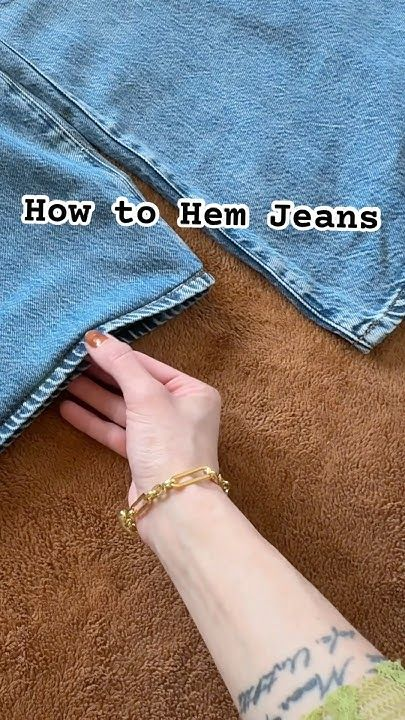
How to Hem Jeans by Hand in 2026: The Complete Guide to Professional Results Without a Machine

You found them. The perfect pair of jeans. The wash is exactly right. The fit through the hips and thighs is flawless. The fabric feels like it was made for you. There’s just one problem: they’re too long.
In 2026, we’re living in a denim renaissance. From barrel-leg silhouettes to tailored straight cuts, the options have never been more exciting. But with variety comes a persistent challenge: finding jeans that fit both the body and the inseam. Unless you’re blessed with proportions that match the standard 32-inch length, you’ve likely faced the frustration of perfectly good jeans pooling over your shoes.
The solution? Learning how to hem them yourself—by hand.
This guide walks you through everything you need to know about hand-hemming jeans in 2026. Whether you’re preserving the original hem, working with heavyweight selvedge denim, or simply want to save the cost of a tailor, you’ll finish with a pair of jeans that look professionally altered and fit you perfectly.
Why Hand Hemming? The Case for Doing It Yourself
Before we dive into techniques, let’s address the question: why hem by hand when you could use a sewing machine or pay a tailor?
Preserving the Original Hem: The most compelling reason to hand hem—especially with jeans—is preserving the original hem. Machine hemming typically involves cutting off the excess fabric, folding it up, and stitching. This creates a new hem that never quite looks like the original. Hand hemming, using the original hem technique, keeps the worn-in edge, the fading, the character that made you love the jeans in the first place.
Control and Precision: Hand stitching gives you complete control. You can adjust tension, match thread color exactly, and work slowly to ensure every stitch is perfect. For heavier denim (13 oz and up), hand stitching can actually be easier than fighting a domestic machine.
Cost Savings: Professional hemming typically costs $15–$30 per pair. For a few pairs a year, that adds up. The investment in a few basic tools pays for itself quickly.
Sustainability: In 2026, the slow fashion movement has never been stronger. Learning to alter your own clothes extends their life, reduces waste, and connects you to your wardrobe in a meaningful way.
Tools You’ll Need for Hand Hemming Jeans in 2026
Before you begin, gather the right tools. Quality matters—cheap needles and thread will make the job harder and the results less durable.
Essential Tools
| Tool | What to Look For | Why It Matters |
|---|---|---|
| Hand sewing needles | Denim or jeans needles (size 16–18) | Heavy-gauge needles that won’t bend or break through thick denim |
| Thread | Heavy-duty polyester or cotton-wrapped polyester | Matches denim weight; regular thread snaps under tension |
| Fabric scissors or rotary cutter | Sharp, dedicated to fabric | Clean cuts prevent fraying |
| Seam ripper | Small, precise | For removing original hem if needed |
| Pins or fabric clips | Long, sturdy pins or clips | Holds fabric in place while stitching |
| Ruler or measuring tape | Flexible but clear markings | Accurate measurements are everything |
| Fabric chalk or disappearing ink pen | Fine tip | Marking fold lines without staining |
| Iron and ironing board | Clean, no steam initially | Pressing creates crisp edges |
| Thimble (optional) | Leather or metal | Protects fingers pushing through thick denim |
Optional but Helpful
- Hem gauge: A small ruler with a sliding marker for consistent measurements
- Needle threader: For threading those heavy needles
- Good lighting: Your stitches will thank you
Step-by-Step Guide: How to Hem Jeans by Hand
Step 1: Determine the Correct Length
Before you cut or stitch, you need to know exactly where the hem should fall. This is the most critical step—measure twice, stitch once.
Try the jeans on with the shoes you’ll wear most often. The ideal length depends on the silhouette and your preference:
| Silhouette | Recommended Length |
|---|---|
| Skinny or straight | Just above the shoe, with minimal break (no pooling) |
| Wide-leg or flare | Slightly longer, just grazing the top of the shoe or floor |
| Cropped or ankle | Above the ankle bone—this is intentional, not accidental |
How to mark the length:
- Put on the jeans with your intended shoes
- Fold the excess fabric up to where you want the hem to fall
- Have a friend help, or stand in front of a mirror
- Mark the fold line with a pin or fabric chalk
- Take the jeans off and double-check the measurement
Pro tip: For cuffing, add 1–2 inches to the desired length depending on cuff height.
Step 2: Measure and Mark the New Hem
With the jeans inside out, lay them flat on a work surface. Smooth out any wrinkles.
- Measure from the current hem up to your marked line
- Decide whether you’re using the original hem technique (preserving the existing hem) or creating a new hem
- For a new hem, add ½ inch to 1 inch for the fold and stitching allowance
Mark your fold line using fabric chalk. Measure from the bottom edge up, not from the waist down. This ensures consistency across both legs.
Step 3: Cut the Excess Fabric (If Using Original Hem Technique)
If you’re preserving the original hem, you’ll need to remove the excess fabric while keeping the hem intact.
Original Hem Technique (Preferred for Denim) :
- Measure the desired new length from the bottom of the original hem—not from the cut edge
- Mark the new length on both legs
- Fold the original hem up to the new length, aligning the original stitching with your mark
- The excess fabric will be above the fold
- Trim the excess, leaving about ½ inch beyond the fold for finishing
This technique keeps the worn, faded edge that gives jeans their character.
Step 4: Press and Pin
Ironing creates crisp edges that make stitching easier and results more professional.
- Fold the fabric to your marked line and press firmly
- For a flat hem, fold the raw edge under ½ inch and press again (creating a double fold)
- Pin or clip the fold in place every 2–3 inches
- Press again for good measure
For original hem technique: The original hem is now folded up. Pin it in place, ensuring the original stitching line is visible and aligned evenly.
Step 5: Choose Your Stitch
For hand hemming jeans, the slip stitch (also called blind stitch) is the gold standard. It’s nearly invisible from the outside and strong enough to hold through years of wear.
How to Slip Stitch :
- Thread your needle and knot the end
- Starting at an inside seam, insert the needle from the inside of the folded hem, pulling the knot through so it’s hidden
- Catch a single thread from the outer layer of denim (just the surface, not through)
- Slip the needle through the folded edge of the hem, taking a small stitch (about ¼ inch)
- Repeat: catch a thread from the outer layer, then stitch through the folded edge
The result: From the outside, the stitches are nearly invisible. From the inside, they create a secure, flexible hem.
For heavyweight denim (14 oz+): Consider using a backstitch for additional strength, especially on the inner seam areas where stress is highest.
Step 6: Stitch Methodically
Work slowly. Rushed stitches won’t hold, and unpicking mistakes in denim is tedious.
- Work from one side seam to the other
- Keep stitches evenly spaced (about ¼ inch apart)
- Pull thread taut but not tight enough to pucker the fabric
- Check periodically that the hem is staying aligned
For original hem technique: Ensure your stitches go through the original hem edge securely. This is where the weight of the jeans will pull, so strength matters.
Step 7: Finish and Secure
When you reach your starting point:
- Tie off with a secure knot (double or triple) against the fabric
- Weave the excess thread back through the hem to hide it
- Clip the thread close to the fabric
Step 8: Final Press and Wear
Turn the jeans right side out. Press the hem from the outside, using steam if needed, to set the stitches and create a crisp edge. Try them on with your intended shoes. Admire your work.
Special Considerations for 2026 Denim
Not all jeans are created equal. The denim landscape in 2026 includes a range of fabrics that require specific approaches.
Heavyweight Selvedge Denim (14–21 oz)
Heavyweight denim demands heavier needles (size 18 or 20) and stronger thread. Consider using a thimble to push the needle through multiple layers. The original hem technique is particularly valuable here—the original hem already has the right weight and character; preserving it saves you from stitching through four layers of 20 oz fabric.
Stretch Denim (2–5% elastane)
Stretch denim requires more careful stitching. Use a stretch needle to prevent skipped stitches. Keep your stitches slightly looser than you would for rigid denim—tight stitches can cause the fabric to pucker when stretched.
Wide-Leg and Barrel-Leg Silhouettes
These trending 2026 silhouettes have wider hems that require more precision. Mark your hem line with the jeans on, standing naturally. Consider a slightly longer length than you would for skinny jeans—wide legs look best grazing the top of the shoe rather than hovering above it.
Distressed and Ripped Jeans
If you’re hemming jeans with intentional distressing, preserve the character. The original hem technique works beautifully—you keep the worn edge that matches the rest of the jeans.
Troubleshooting Common Problems
The Hem is Uneven
Cause: The jeans weren’t measured or pressed evenly.
Fix: Unpick the stitches, re-measure, press, and stitch again. It’s worth the time.
Stitches Are Visible from the Outside
Cause: The needle is catching too much of the outer layer.
Fix: When slip stitching, catch only one or two threads from the outer fabric—just enough to secure without showing.
The Thread Keeps Breaking
Cause: Using regular all-purpose thread on heavyweight denim.
Fix: Switch to heavy-duty polyester or topstitching thread. Double the thread for additional strength.
The Hem Puckers
Cause: Stitches are too tight, or the fabric wasn’t pressed evenly.
Fix: Loosen your tension slightly. Press thoroughly before and after stitching.
Hemming Without Cutting: The No-Cut Method
For those who want the option to let jeans out later (or who are nervous about cutting), there’s a no-cut method:
- Measure and fold the jeans to the desired length
- Stitch the hem in place using the slip stitch
- The excess fabric remains inside the leg, folded up
- If you ever want to lengthen the jeans, simply unpick the stitches and press
This method works best with lightweight to mid-weight denim. For heavyweight denim, the bulk of the excess fabric can be uncomfortable.
How Long Does Hand Hemming Take?
For a first-timer, expect to spend 1.5 to 3 hours on a pair of jeans. With practice, you’ll get faster. The original hem technique adds time because you’re working with more layers, but the results are worth it.
| Skill Level | Time Estimate |
|---|---|
| Beginner | 2–3 hours |
| Intermediate | 1.5–2 hours |
| Experienced | 45–90 minutes |
Tools to Invest In for 2026 and Beyond
If you plan to alter your own jeans regularly, consider these upgrades:
Sewing Machine (if you’re ready) : While this guide focuses on hand stitching, a basic machine with a denim needle can speed up straight hems. But for preserving original hems, hand stitching remains superior.
Better Needles: Quality needles make a noticeable difference. Look for Japanese or German brands like Clover or Bohin.
Quality Thread: Gutermann or Coats heavy-duty thread in a color that matches your jeans.
Good Lighting: A task lamp with daylight bulbs prevents eye strain.
Why Hemming Your Own Jeans Matters in 2026
In a world of fast fashion and disposable clothing, learning to alter your own garments is a small act of resistance. It’s a statement that your clothes are worth keeping, worth investing time in, worth making right.
The jeans you’re hemming today might be the same pair you reach for five years from now—the pair that fits perfectly because you made them fit. The fading on the thighs, the wear at the knees, the hem that hits exactly where you want it—all of it tells your story.
In 2026, that story is yours to write.