Welcome to customize all kinds of clothing

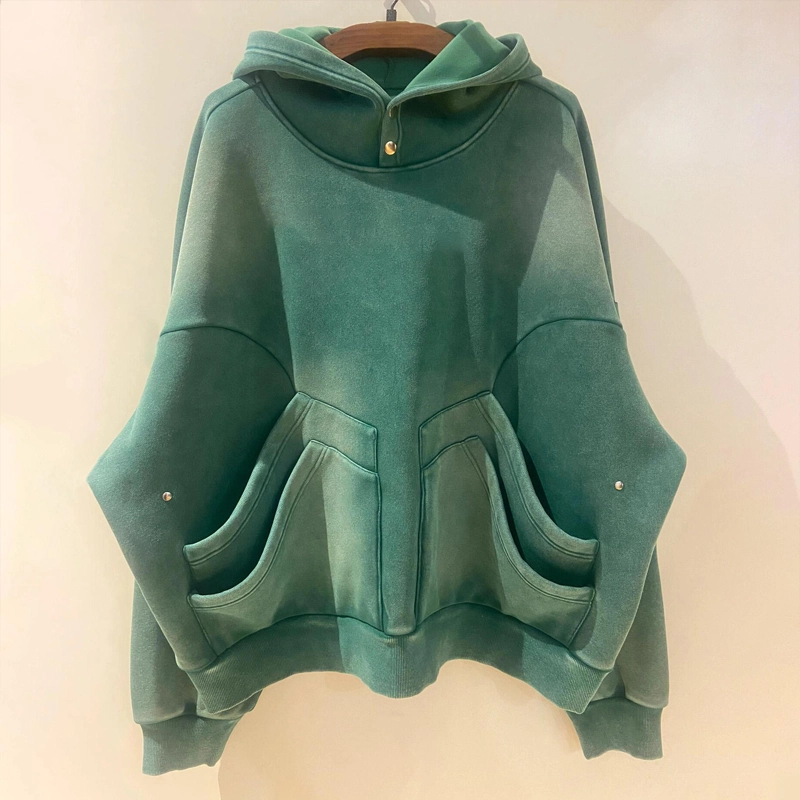
The Complete Guide to Custom Hoodies in 2026: Trends, Manufacturing, and Brand Success

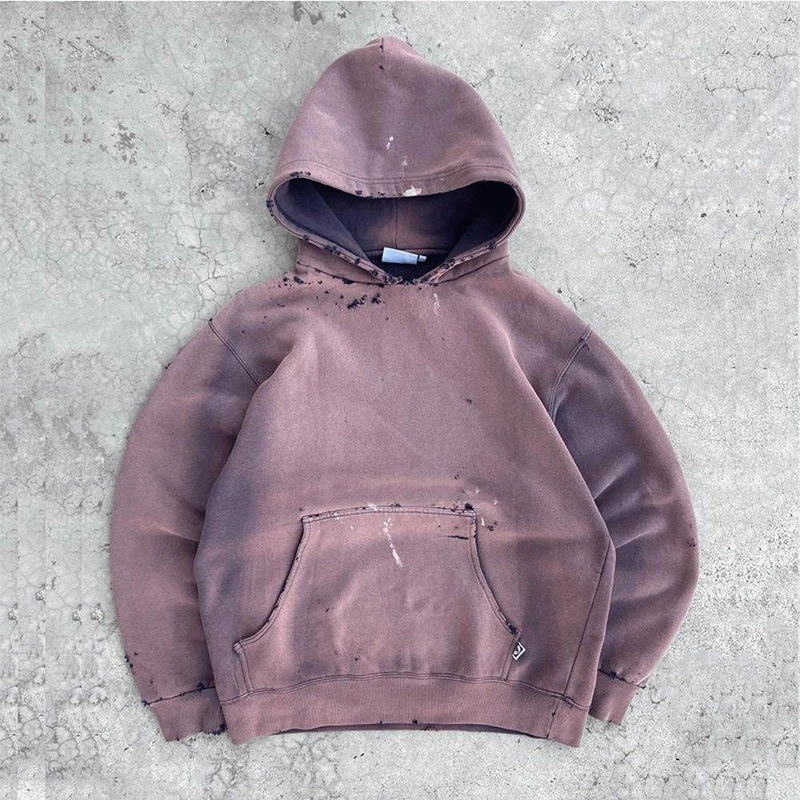
The custom hoodie has transformed from a basic wardrobe staple into one of the most powerful branding tools and fashion statements of 2026. Whether you’re launching a streetwear brand, creating merchandise for your community, or building corporate identity, custom hoodies offer unmatched versatility, wearability, and marketing potential.
The global custom apparel market exceeded $60 billion in 2025 and continues its rapid growth, with hoodies leading the charge . As consumer demand for personalization surges and sustainability becomes non-negotiable, understanding the custom hoodie landscape in 2026 is essential for anyone looking to create apparel that truly resonates.
Why Custom Hoodies Are Dominating in 2026
Several converging factors have made custom hoodies the go-to choice for brands and individuals alike:
The Personalization Era Is Real — More than 63% of fashion consumers now prefer brands that offer personalized or limited designs, according to McKinsey . Generic, mass-produced apparel no longer captures attention. People want clothing that tells their story, reflects their identity, and feels uniquely theirs .
Blank Hoodies as the Perfect Canvas — The blank hoodie market has exploded, with global blank apparel valued between $14.65 and $16.37 billion and projected to reach $22.15 to $24.25 billion by 2032-2033 . Blank hoodies serve as foundational pieces for customization, offering everything from heavyweight fleece for premium collections to lightweight options for activewear .
Comfort Meets Expression — The athleisure trend shows no signs of slowing. Hoodies bridge the gap between comfort and style, making them wearable across settings—from casual days to semi-professional environments when styled thoughtfully .
Sustainability as Standard — Over 67% of fashion buyers now prioritize eco-responsible sourcing . Sustainable materials like recycled polyester now account for 40% of premium hoodie production, with organic cotton and recycled blends becoming baseline expectations rather than premium upgrades .
2026 Custom Hoodie Design Trends: What’s Hot Right Now
Design trends for 2026 balance bold self-expression with timeless wearability. Here’s what’s defining the custom hoodie landscape:
Sublimated All-Over Prints
Sublimation is revolutionizing hoodie design in 2026. Unlike traditional printing methods that apply ink to fabric surfaces, sublimation infuses dye directly into the fabric fibers, creating vibrant, seamless graphics that cover every inch of the garment .
Why it’s trending: Sublimated designs resist fading, peeling, and cracking even after repeated washes. The “loud graphics era” of streetwear demands this level of visual impact, with atmospheric nebula designs, smoke gradients, and hyper-real 3D textures leading the way .
Puff Print and Embroidery Combinations
The premium move in 2026 combines dimensional puff printing with delicate embroidery accents. Puff print creates raised, textured lettering that catches light and attention, while embroidery adds a luxurious, tactile element .
Best applications: Small chest logos, brand names, and minimal designs where texture matters more than size. This combination creates hoodies people keep for years, not seasons .
Coquette and Soft Girl Aesthetic
Delicate bows, soft pastels (blush pink, lavender, light blue), and romantic fonts dominate girls’ custom hoodie designs. This trend feels feminine without being childish, working equally well as statement pieces or layered under jackets .
Varsity and Collegiate Style
Block fonts, jersey numbers, and school colors continue their reign in 2026. This timeless aesthetic taps into team identity and school pride, offering confidence without loud graphics .
Retro, Distressed, and Vintage Looks
Worn fonts, faded effects, and Americana graphics create that “I’ve had this forever” aesthetic. Screen printing with distressed techniques achieves authentic-looking imperfections that feel genuine, not manufactured .
Minimal Logo and Name Designs
Sophisticated buyers are embracing small chest prints—just initials, a tiny logo, or one line of text. This minimalist approach feels intentional and mature, working seamlessly across jeans, athletic wear, and casual outfits .
Photo Collage and Memory-Based Designs
Class of 2026 hoodies have evolved beyond simple text. Polaroid-style photo collages featuring 4-6 favorite images, sometimes with doodles and dates, create keepsakes that serve as time capsules. The back print handles visual impact while the front stays minimal .
Color Trends Defining 2026 Hoodies
| Category | Trending Colors | Best Paired With |
|---|---|---|
| Girls’ Hoodies | Blush pink, lavender, cream, light blue | Rose gold or champagne accents |
| Boys’ Hoodies | Black, navy, grey, olive, forest green | School colors, bold white text |
| Unisex/Eco Collection | Beige, oatmeal, off-white | Any design, sustainable branding |
| Streetwear Focus | Black, charcoal, deep burgundy | Neon accents, metallic details |
Fabric and Quality: What Makes a Hoodie Worth Wearing
The quality of your custom hoodie depends entirely on what it’s made of and how it’s constructed.
Understanding GSM (Grams per Square Meter)
GSM measures fabric weight and directly impacts feel, durability, and seasonal appropriateness :
- Lightweight (under 280 GSM): Ideal for spring, summer layering, and activewear
- Mid-weight (280–350 GSM): Year-round versatility, balanced comfort
- Heavyweight (380–500+ GSM): Premium feel, superior warmth, luxury positioning
Material Choices
100% Cotton — The gold standard for softness, breathability, and comfort. Takes color beautifully but may shrink without pre-shrinking .
Cotton/Polyester Blends — Offer enhanced durability, wrinkle resistance, and typically lower cost. Shrinkage is minimal compared to 100% cotton .
Tri-Blends (Cotton/Polyester/Rayon) — Provide a soft, flowing feel with vintage-like drape. Popular for lifestyle and fashion-forward collections .
Sustainable Fabrics — Organic cotton, recycled polyester, and GRS-certified materials now account for a significant portion of premium hoodie production. Demand for eco-friendly options has increased nearly 40% recently .
Premium Construction Details
The difference between a cheap hoodie and a premium one lies in the details :
- Double-lined hoods that hold their shape
- High-quality rib-knit cuffs and hems that maintain form after washing
- Flat, wide drawstrings with metal aglets for a premium finish
- Flatlock or reinforced seams for durability
- Pre-shrunk fabrics to ensure consistent sizing
Customization Methods: Choosing the Right Technique
Different printing methods serve different purposes. Here’s how to choose:
Screen Printing
Screen printing forces ink through mesh screens onto fabric, with each color requiring a separate screen.
Best for: Bulk orders of 50+ units, designs with limited colors, bold graphics
Pros: Cost-effective at scale, exceptionally durable, vibrant color saturation
Cons: High setup costs, not economical for small runs, complex multi-color designs increase costs
Direct-to-Garment (DTG)
DTG works like an inkjet printer, applying ink directly to the fabric. Modern DTG technology handles complex, detailed designs with ease.
Best for: Small orders, one-off pieces, photo-realistic designs, complex multi-color graphics
Pros: No minimum quantities, incredible detail reproduction, quick turnaround
Cons: Higher per-unit cost than screen printing for large orders, less vibrant on dark fabrics
Embroidery
Embroidery stitches designs directly into fabric using thread, creating a three-dimensional, textured look.
Best for: Logos, names, simple designs, premium branding elements
Pros: Extremely durable, high perceived value, professional appearance, lasts 100+ washes
Cons: Not suitable for large or complex designs, higher cost than printing
Sublimation
Sublimation infuses dye directly into fabric fibers, creating prints that become part of the material rather than sitting on top.
Best for: All-over prints, seamless designs, vibrant color gradients, polyester-based fabrics
Pros: Unmatched durability (no peeling or cracking), full coverage capabilities, vivid colors
Cons: Works best on polyester or polyester blends, limited to lighter base fabrics
Comparison: Which Method Is Right for You?
| Method | Order Size | Design Complexity | Durability | Cost Level |
|---|---|---|---|---|
| Screen Printing | 50+ units | Simple to moderate | High | Low at scale |
| DTG | 1-50 units | Any complexity | Moderate | Moderate |
| Embroidery | Any | Simple | Highest | Higher |
| Sublimation | Any | Any (all-over) | Highest | Moderate-High |
The Manufacturing Process: From Idea to Finished Hoodie
Creating a professional custom hoodie requires more than uploading a design to an online platform. For brands seeking quality, consistency, and scalability, working directly with a manufacturer is essential.
Step 1: Create Your Tech Pack
A tech pack is the blueprint for your hoodie. It communicates every detail to your manufacturer and prevents costly misunderstandings .
Your tech pack should include:
- Flat sketches showing front, back, and side views
- Bill of Materials listing all components (fabric, ribbing, drawstrings, zippers)
- Color specifications using Pantone (PMS) codes
- Print or embroidery details with exact dimensions and placement
- Size chart and grading showing measurements for all sizes
- Label and tag placement instructions
Step 2: Select Your Fabric and Fit
Choose your fabric weight (GSM), material composition, and fit style:
- Standard fit: Classic, comfortable, universally flattering
- Oversized/boxy fit: Modern streetwear aesthetic with dropped shoulders
- Cropped fit: Shorter body length, trending in women’s fashion
Step 3: Prototyping and Sampling
Before bulk production, your manufacturer creates physical samples. This step is non-negotiable for quality brands. You get to feel the fabric, test the fit, and verify colors before committing to large orders .
Step 4: Bulk Production
After sample approval, full production begins. Professional manufacturers implement quality control at every stage—cutting, sewing, printing, and finishing—to ensure consistency across all units .
Step 5: Quality Control and Packaging
The final stage involves thorough inspection, label attachment, and packaging. A 5-step QC process eliminates defects and ensures every hoodie meets specifications .
Working with Manufacturers: What to Look For
Choosing the right manufacturing partner determines your success. Here’s what to evaluate:
Key Capabilities
Vertical Integration — Manufacturers with in-house control from fabric sourcing to final packaging deliver more consistent quality and shorter lead times. Traditional fragmented supply chains involve separate firms for fabric, printing, and sewing, creating inefficiencies .
Quality Control Systems — Look for documented QC processes, statistical testing, and options for AQL inspections. Manufacturers should provide wash test results for fabric shrinkage and colorfastness .
Sustainability Certifications — OEKO-TEX, GOTS, GRS, and BSCI certifications verify eco-friendly and ethical production. With sustainability shaping purchasing decisions, these credentials matter .
Flexible MOQs — Low minimum order quantities (from 50 pieces) allow brands to test markets without overcommitting. This flexibility is essential for startups and limited drops .
Lead Time Expectations
| Process Step | Typical Timeline |
|---|---|
| Sampling | 3-7 days (simple designs) to 14 days (complex) |
| Bulk Production | 15-25 days after sample approval |
| Total (including sampling) | 30-45 days |
Business Applications: How Custom Hoodies Drive Value
Custom hoodies serve multiple business purposes, each with distinct ROI drivers:
Streetwear and Fashion Brands
For emerging streetwear labels, custom hoodies are the flagship product. Limited drops, unique designs, and premium quality build brand identity. Brands using low-MOQ manufacturing have reported 200% growth by testing products before scaling .
Corporate Branding and Uniforms
Companies standardizing hoodie programs across distributed offices achieve consistent branding while reducing procurement costs. One global tech firm reduced uniform costs by 40% while reinforcing brand identity across regions .
E-commerce and Print-on-Demand
Online sellers using print-on-demand platforms can test custom hoodie designs without holding inventory. The personalized gifting market—projected to reach $14.56 billion by 2030—represents significant opportunity for custom hoodie sellers .
Event Merchandise and Music Festivals
Limited-edition hoodies for concerts, festivals, and special events create keepsake value. Sublimated hoodies with bold, unique designs show strong sell-through performance and encourage impulse purchases .
Sports Teams and Clubs
Team hoodies with varsity lettering, player numbers, and school colors build unity and pride. Official licensed sports hoodies consistently maintain high customer satisfaction ratings (4.6+) .
Regional Market Insights
Understanding where demand is strongest helps target your efforts effectively:
- Asia-Pacific holds nearly 45% of global blank apparel market share, driven by manufacturing concentration and rapid e-commerce growth
- North America commands approximately 40% of custom apparel consumption, with strong demand for oversized fits and premium materials
- Europe follows with sustainability influencing nearly 45% of purchase decisions
Styling Your Custom Hoodie: Making It Wearable
A custom hoodie only builds brand visibility when people actually wear it. Here’s how to style them for different contexts:
Casual Everyday
Pair with slim-fit jeans or joggers in neutral colors. Let the hoodie’s design take center stage. Finish with sneakers and a baseball cap for effortless appeal.
Smart Casual
Layer under a tailored blazer or overcoat—a trend that balances streetwear with sophistication. Combine with chinos or dark trousers and clean high-top sneakers.
Night Out
Create edge with leather pants or a mini skirt. Add statement jewelry and ankle boots or heeled sneakers. This approach transforms a casual piece into evening-appropriate wear.
Seasonal Adaptations
- Spring: Lightweight jackets over hoodies, colorful sneakers
- Summer: Cropped or sleeveless hoodies with shorts
- Fall: Flannel shirts layered underneath, boots
- Winter: Puffer jackets over hoodies, thermal accessories
Frequently Asked Questions
Can I order small quantities of custom hoodies?
Yes. Many manufacturers now offer flexible minimum order quantities starting at 50 pieces per style or colorway. This allows startups and small brands to test markets without excessive inventory risk .
What customization method lasts the longest?
Embroidery and sublimation offer the highest durability. Embroidery maintains its appearance for 100+ washes, while sublimation resists fading, peeling, and cracking indefinitely .
How much should I expect to pay for quality custom hoodies?
Pricing varies based on fabric weight, customization method, and order quantity. Heavyweight (400+ GSM) hoodies with embroidery typically range from $30-50 per unit for moderate quantities. Screen-printed mid-weight hoodies start around $20-30 per unit for larger orders .
How long does production take?
Sampling typically takes 3-7 days. Bulk production requires 15-25 days after sample approval, making total lead time 30-45 days for most orders .
What’s the difference between a tech pack and just sending a design?
A tech pack is a detailed manufacturing blueprint specifying fabric, measurements, colors, and construction details. A simple design file leaves room for interpretation and often leads to errors. Professional brands always use tech packs .
Conclusion
Custom hoodies in 2026 represent far more than branded apparel. They are mobile billboards, employee morale boosters, customer loyalty builders, and expressions of identity. Success requires attention to design trends that balance boldness with wearability, manufacturing partners who prioritize quality and sustainability, and a clear understanding of your audience.
The market for custom hoodies continues its rapid expansion, driven by consumers who refuse to settle for generic, mass-produced clothing. Whether you’re launching a streetwear label, outfitting your team, or creating merchandise that fans will treasure, the custom hoodie offers unmatched potential for connection, visibility, and lasting impact.
Invest in quality fabrics, choose the right customization method for your needs, partner with manufacturers who share your commitment to excellence, and create hoodies that people won’t just wear—they’ll love.
Explore More Articles from WUYI Apparel
Want to learn more about styling essentials hoodies or other apparel tips? Check out some of our other helpful articles:
- Wearing Black to a Wedding: A Modern Etiquette Guide
- Rainwear Jackets: The Perfect Fusion of Fashion and Function
- How To Measure Clothes
- Casual clothing – Casual and elegant through everyday life
- How to Find Your Style:An in-depth exploration of one’s own clothing style
For more tips and tricks on fashion and lifestyle, don’t forget to visit our Blog Section.
Head over to our Shop Page to browse our full collection and pick your favorite essentials hoodie today!