Welcome to customize all kinds of clothing

The Complete Guide to Custom Embroidered Clothing in 2026: Trends, Process & Manufacturing

The global embroidery market is stitching its way to remarkable growth, with the sector projected to reach $7.41 billion by 2033, growing at a compound annual rate of 6.9% from 2026 to 2033 . Within this expanding landscape, custom embroidered clothing represents one of the most dynamic and sought-after segments, driven by consumers’ insatiable appetite for personalization, durability, and the timeless appeal of textured craftsmanship.
In 2026, embroidery has transcended its traditional role as mere decoration to become a powerful medium for self-expression, brand identity, and artistic statement. From subtle monograms on luxury goods to bold, oversized patches on streetwear, the versatility of embroidery makes it indispensable across fashion, corporate branding, sports, and promotional merchandise .
This comprehensive guide explores everything you need to know about custom embroidered clothing in 2026—from emerging trends and technical processes to practical styling advice and how to choose the right manufacturing partner to bring your embroidered visions to life.
I. The 2026 Custom Embroidery Landscape
Market Size and Growth Trajectory
The decorated apparel market, which encompasses embroidery alongside screen printing and digital printing, was valued at $29.17 billion in 2024 and is projected to reach $86.94 billion by 2033, growing at a CAGR of 12.9% during the forecast period . This explosive growth reflects fundamental shifts in consumer behavior and manufacturing capabilities.
Several key factors are driving this expansion:
Who Orders Custom Embroidered Clothing?
Understanding the diverse needs of different customer segments helps tailor your approach to embroidery projects:
| Customer Segment | Primary Needs | Typical Applications |
|---|---|---|
| Corporate clients | Brand consistency, professional appearance | Uniforms, executive gifts, promotional wear |
| Sports teams and clubs | Team identity, durability | Team jerseys, club jackets, training gear |
| Fashion brands | Artistic expression, premium positioning | Signature collections, limited editions |
| Event organizers | Memorabilia, participant identification | Event merchandise, staff uniforms |
| Individuals | Personal expression, gift-giving | Monogrammed items, special occasion wear |
II. Understanding the Embroidery Process: From Concept to Finished Garment
Creating custom embroidered clothing is a multi-step process that blends creativity, technical precision, and quality control. Understanding this workflow ensures optimal results for your projects .
The 6-Step Embroidery Design Process
Step 1: Conceptualization
This foundational stage involves defining the purpose and vision of your embroidered garment. Key considerations include:
- Target audience and intended message
- Emotional response the design should evoke
- Formal versus casual positioning
- Brand or personal identity alignment
Clear conceptual direction ensures cohesion throughout the design process and prevents costly revisions later .
Step 2: Selecting the Garment Base
The garment serves as your canvas, and choosing the right base is crucial for both aesthetics and functionality. Common options include:
- Polo shirts: Ideal for corporate or service uniforms—professional yet comfortable
- T-shirts: Great for casual wear, events, or promotional giveaways
- Button-down shirts: Suitable for formal branding or executive attire
- Jackets and outerwear: Used for durability and visibility in outdoor settings
- Hoodies and sweaters: Popular for streetwear and casual collections
Fabric composition significantly affects stitch quality. Cotton offers natural breathability, polyester provides durability and color retention, while blends balance comfort and performance. Light-colored fabrics make vibrant embroidery stand out, while dark fabrics may require underlay stitching for contrast .
Step 3: Design Creation
This phase involves developing the actual artwork using graphic design software such as Adobe Illustrator, CorelDRAW, or specialized embroidery design tools. The design typically includes logos, text, monograms, or custom graphics.
Key considerations for embroidery-ready designs :
- Size and placement: Common areas include left chest (3-4 inches wide), sleeve, back yoke, or full back. Standard chest logos range from 3″ to 4″ wide.
- Color palette: Limit colors to 5-7 for cost efficiency and stitch clarity. Colors should contrast well with the garment base.
- Legibility: Text should be large enough to read, especially from a distance. Avoid overly thin fonts that may not stitch cleanly.
- Brand consistency: Ensure alignment with existing brand guidelines for logo proportions, color codes, and typography.
Step 4: Digitization
This critical technical step converts your 2D design into a digital embroidery file (commonly .DST, .PES, or .JEF formats) that embroidery machines can interpret . Digitization defines:
- Stitch types: Satin, fill, running, or specialty stitches
- Stitch direction: Determines how light reflects off the finished embroidery
- Stitch density: Balances coverage with flexibility
- Stitch sequence: The order in which design elements are embroidered
- Proper underlay stitches to stabilize fabric and prevent puckering
- Optimal stitch density for durability without stiffness
- Correct pull compensation to maintain shape during stitching
- Efficient thread path to minimize trims and reduce production time
After digitization, a test run (called a “stitch-out”) is performed on sample fabric to reveal potential issues like thread breaks, misalignment, or design distortion before full production .
Step 5: Testing and Refinement
The sample embroidered garment is evaluated against the original design for :
- Alignment and centering on the garment
- Color matching with Pantone or thread charts
- Texture and feel—avoiding excessive stiffness or puckering
- Legibility of text and clarity of fine details
Feedback is incorporated to refine the design or digitization settings. Multiple revisions may be needed for complex logos or multi-color designs.
Step 6: Production
Once approved, the final design moves to full-scale production. This stage involves :
- Preparing bulk garments (pre-shrunk when necessary)
- Setting up embroidery machines with correct threads and hoops
- Conducting a pre-production run to verify machine calibration
- Embroidering items in batches with continuous quality checks
- Final inspection, folding, and packaging according to specifications
Pro Tips for Successful Embroidery Projects
| Tip | Why It Matters |
|---|---|
| Start simple | Complex designs with gradients or tiny details may not translate well to embroidery. Opt for clean, bold shapes and limited colors. |
| Know your fabric | Knits (like cotton t-shirts) require stabilizers to prevent stretching. Woven fabrics (like oxford shirts) are generally more stable. |
| Use professional digitizers | Even a perfect logo design can fail with poor digitization. Invest in expert digitizing for best results. |
| Always request samples | Skipping sample runs to save time or money often leads to costly production errors. |
| Communicate clearly | Regular communication between designers, digitizers, and clients prevents misunderstandings and ensures quality outcomes. |
III. Top Custom Embroidery Trends for 2026
1. Elevated Embroidery Techniques
Embroidery remains a cornerstone of custom apparel, but execution continues to evolve. In 2026, we’re seeing :
- Smaller, more refined chest hits: Subtle logo placement on the left chest creates understated elegance suitable for corporate and premium casual wear.
- Unique placement options: Side panels, back necks, and hat sides offer fresh canvases for branding without overwhelming the garment’s silhouette.
- Mixed technique combinations: Flat embroidery paired with puff embroidery or combined with flat ink printing adds dimensional interest and tactile appeal.
2. Puff + Flat Ink Combinations
Dimension continues to captivate designers and consumers alike. Pairing raised puff ink (or puff embroidery) with standard flat techniques adds texture, contrast, and depth, making even simple designs feel intentional and premium .
Best applications for dimensional techniques :
- Logos with personality
- Statement words or icons
- Designs that need a tactile “wow” factor
3. Tonal and Monochrome Embroidery
Tonal designs use different shades of the same color family to create subtle contrast. The result is clean, modern merchandise that feels elevated and versatile .
- Easy to style and wear frequently
- Looks premium without being loud
- Ideal for brands leaning minimalist or timeless
- White-on-white embroidery offers sophisticated subtlety for formal wear
4. Patches and Custom Details
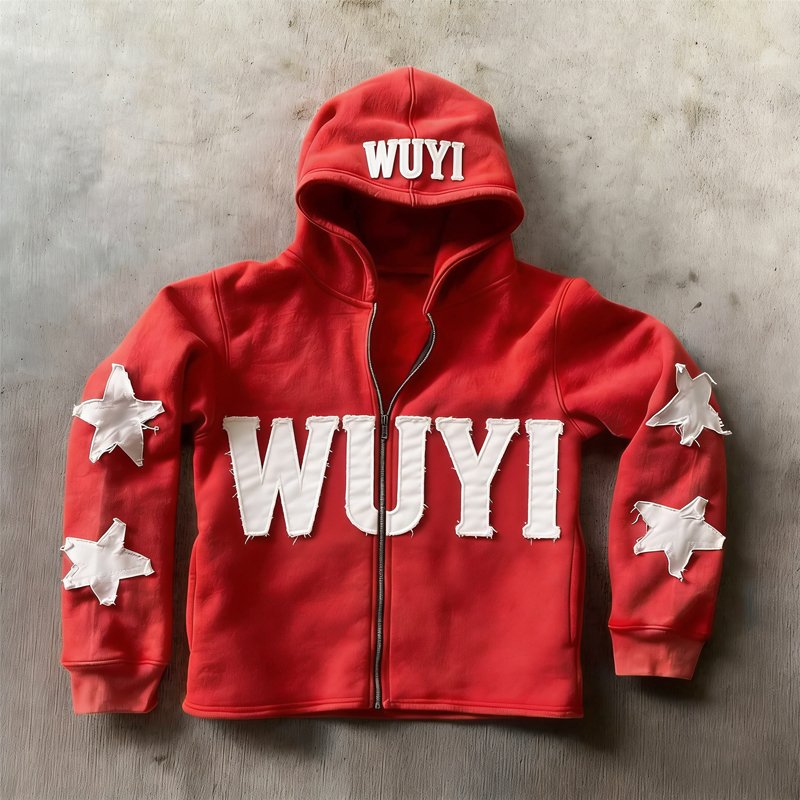
Embroidered patches are experiencing a significant revival, allowing wearers to transform standard garments into personal statements. This trend represents a “rejection of the glossy, cookie-cutter ready-made everything in favour of something more human” .
Patch embroidery offers several advantages :
- Can be applied to almost any garment
- Allows for interchangeable customization
- Supports upcycling and vintage garment revival
- Creates opportunities for DIY personalization
5. Bold, Confident Color Palettes
While neutrals maintain their place, 2026 makes room for bold color moments—rich blues, vibrant greens, saturated reds, and unexpected combinations .
How color is being used in embroidery :
- Bright thread colors on neutral garment bases
- Tonal brights (same color family at different intensities)
- One bold color paired with clean, minimalist layouts
6. Sustainability and Slow Fashion Alignment
The most sustainable garment is the one that actually gets worn. Embroidery’s inherent durability aligns perfectly with the slow fashion movement, as embroidered designs withstand washing and wear far better than printed alternatives .
Sustainability considerations for embroidery :
- Garments designed for frequent use reduce replacement cycles and waste
- Eco-friendly threads (organic cotton, recycled polyester) are increasingly available
- Water-based inks and responsible production methods minimize environmental impact
- Durable embroidery extends garment lifespan
7. Personalization Boom
The desire for individualized products continues to surge across all demographics. From monogramming to custom name embroidery, personalization has moved from niche luxury to mainstream expectation .
Major retailers now offer in-store customization (“patch bars” and embroidery pop-ups), while online platforms provide user-friendly design tools that let customers visualize their creations in real time .
8. Vintage and Heritage Aesthetics
Nostalgia drives significant design direction in 2026. Vintage-inspired embroidery—from 80s maximalism to 90s streetwear patches—resonates with consumers seeking authenticity and emotional connection to their clothing .
IV. Applications Across Industries
Custom embroidered clothing serves diverse sectors, each with unique requirements and opportunities .
Corporate and Business
| Application | Embroidery Considerations |
|---|---|
| Employee uniforms | Professional appearance, durability, brand consistency |
| Executive gifts | Premium quality, subtle branding, luxurious materials |
| Promotional merchandise | Cost-effective, recognizable branding, give-away appeal |
| Trade show apparel | High visibility, professional image, team identification |
Corporate embroidery typically favors clean, professional designs with limited colors and consistent placement. Left chest logos remain the standard, though back yoke and sleeve options are gaining popularity .
Sports and Athletics
| Application | Embroidery Considerations |
|---|---|
| Team uniforms | Durable construction, vibrant colors, player identification |
| Club jackets | Classic varsity style, achievement recognition, team spirit |
| Training gear | Moisture-wicking fabrics, comfortable feel, brand visibility |
| Fan merchandise | Authentic team branding, retail-quality presentation |
Sports embroidery requires special attention to fabric compatibility, as performance fabrics may need specific stabilizers and techniques. Flatlock stitching and moisture management are critical considerations .
Fashion and Retail
| Application | Embroidery Considerations |
|---|---|
| Signature collections | Artistic expression, premium positioning, limited editions |
| Streetwear | Bold designs, patch applications, cultural relevance |
| Luxury goods | Exquisite craftsmanship, fine materials, subtle branding |
| Seasonal releases | Trend alignment, fresh concepts, collection cohesion |
Fashion embroidery pushes creative boundaries, often combining techniques, exploring unusual placements, and experimenting with mixed materials .
Events and Special Occasions
Event-driven embroidery often requires faster turnaround times and may involve smaller quantities, making flexible manufacturing partners essential .
Educational Institutions
| Application | Embroidery Considerations |
|---|---|
| School uniforms | Durability, easy identification, consistent appearance |
| Sports teams | School spirit, competitive presentation, achievement recognition |
| Alumni merchandise | Nostalgic appeal, quality construction, institutional pride |
| Club and organization wear | Membership identification, group cohesion, activity-specific needs |
V. Styling Guide: How to Wear Custom Embroidered Clothing
Custom embroidered shirts are more than garments—they’re expressions of personality, craftsmanship, and style. Whether it’s a subtle logo on a polo or intricate threadwork on a peasant blouse, the embroidery adds distinctive flair that can be styled in countless ways .
Classic & Polished: Button-Down Elegance
A well-embroidered button-down shirt serves as a versatile foundation for smart-casual to semi-formal attire .
- Bottoms: Tailored chinos, slim-fit trousers, or dark denim
- Layering: Add a navy blazer, tweed cardigan, or unstructured sport coat
- Occasions: Business casual meetings, brunches, weekend outings
- Color pairing: Neutral tones (navy, gray, beige) with embroidery in contrasting but harmonious hues
Style tip: Opt for monochrome embroidery (e.g., white-on-white) for a subtle, sophisticated effect .
Bohemian & Artistic: Peasant Blouse Charm
Embroidered peasant blouses shine in free-spirited, bohemian ensembles. The ornate stitching becomes the outfit’s centerpiece, best paired with flowing fabrics and earthy textures .
- Bottoms: Maxi skirts, A-line silhouettes, high-waisted distressed jeans
- Accessories: Layered necklaces, stacked bangles, floppy hats, fringe bags
- Footwear: Gladiator sandals, ankle boots, woven espadrilles
- Styling hack: Tuck into high-waisted jeans and add a wide leather belt for a modern boho twist
Creative note: Choose floral or ethnic-inspired embroidery to enhance the bohemian vibe .
Smart-Casual & Sporty: Polo & Casual Button-Downs
Embroidered polo shirts and casual button-downs bridge the gap between comfort and style, perfect for summer events, country clubs, or casual Fridays .
- With polos: Pair with tailored shorts and leather loafers for a preppy summer look
- With casual button-downs: Style with slim-fit jeans and minimalist sneakers for urban outings
- Layering: Throw on a lightweight bomber or denim jacket for transitional weather
- Details matter: Keep embroidery small and centered (e.g., chest logo) for a clean, professional finish
Pro styling: Match embroidery thread color to your shoes or belt for a coordinated appearance .
Footwear & Accessories: Finishing the Look
The right footwear and accessories elevate an embroidered shirt from simple to standout .
- Formal/casual: Leather loafers, brogues, or oxfords for button-downs
- Casual: Canvas sneakers, boat shoes, or desert boots for polos and relaxed styles
- Jewelry: Minimalist watches, leather bracelets, or cufflinks for men; layered necklaces and hoop earrings for women
- Hats: Panama hats for summer elegance, beanies for urban edge
Key insight: Avoid over-accessorizing—let the embroidery be the focal point .
Advanced Styling Tips
| Technique | Application |
|---|---|
| Color coordination | Use embroidery thread color as a guide for accessories—match belts, shoes, or scarves to one dominant hue |
| Layering strategies | Wear a plain crewneck under a button-down with top buttons open for added depth |
| Seasonal adaptability | Pair embroidered shirts with lightweight knits in fall or under puffer vests in winter |
| Wash and care | Turn shirts inside out before washing to preserve embroidery integrity and prevent fraying |
| Customization level | Subtle chest logos suit professional settings; full-sleeve or back embroidery makes bold fashion statements |
VI. Why Choose WUYIclothing for Your Custom Embroidery Projects
With a clear understanding of trends, processes, and applications, the next critical decision is selecting the right manufacturing partner. WUYIclothing Custom Factory brings together the expertise, technology, and service needed to bring your embroidered visions to life.
Years of Manufacturing Excellence
With extensive experience in the custom apparel industry, WUYIclothing understands the unique requirements of embroidery across diverse product categories. Our team has accumulated comprehensive pattern data and process expertise across corporate wear, fashion garments, sports apparel, and promotional merchandise. This depth of experience means we understand how different fabrics respond to stitching, where proper stabilization matters most, and how to achieve consistent results across production runs.
Comprehensive Embroidery Capabilities
Whether you’re a startup with a rough sketch or an established brand with detailed specifications, WUYIclothing offers flexible services to meet your needs:
OEM Services: If you have specific design and technical specifications, our production team precisely executes your requirements, ensuring your design intent is accurately reproduced across every piece.
ODM Services: If you’re seeking design inspiration or lack in-house technical expertise, our development department can assist with style design, placement recommendations, and technique selection—turning your ideas into production-ready products.
Professional Digitization
Even the most beautiful logo design can fail with poor digitization. WUYIclothing employs skilled digitizers who understand :
- Proper underlay techniques for different fabric types
- Optimal stitch density balancing durability and flexibility
- Pull compensation to maintain shape during stitching
- Efficient thread paths minimizing trims and production time
Every design is test-stitched before production to verify quality and identify potential issues .
Diverse Garment Selection
The right canvas makes all the difference. WUYIclothing offers comprehensive garment options suitable for embroidery :
- Polo shirts: Various fabric weights, collar styles, and colors
- T-shirts: Multiple fits, fabric compositions, and sizes
- Button-down shirts: Classic and modern cuts for professional settings
- Jackets and outerwear: From lightweight bombers to heavy-duty workwear
- Hoodies and sweaters: Casual options for streetwear and lifestyle brands
- Custom cut-and-sew: Develop your own unique garment styles
Quality Systems You Can Trust
Quality at WUYIclothing isn’t just a promise—it’s a systematic approach :
- Incoming garment inspection ensures blanks meet specifications
- In-line quality checks during production catch issues early
- Final AQL (Acceptable Quality Limit) audits verify overall quality before shipping
- Certifications align with international standards for quality and ethical production
Flexible Minimum Order Quantities
WUYIclothing understands that emerging brands and small organizations need to manage inventory carefully. That’s why we offer flexible MOQs that accommodate:
- Market testing with small initial runs
- Team or event orders of any size
- Sample development before bulk commitment
- Limited edition releases without warehouse burden
End-to-End Branding Support
Your brand identity deserves to shine through every detail. WUYIclothing provides comprehensive branding services:
- Custom woven labels
- Printed care labels
- Professional hangtags
- Custom packaging options
Every element reinforces your brand’s professionalism and quality.
Reliable Communication and Delivery
We know that delays cost you money and reputation. WUYIclothing provides :
- Responsive communication: Clear, prompt answers to your questions
- Transparent timelines: Realistic production schedules you can count on
- Regular updates: Photo and video documentation at key milestones
- On-time delivery: Logistics coordination that respects your launch dates
VII. Step-by-Step: Starting Your Custom Embroidery Project with WUYIclothing
Ready to create your custom embroidered clothing? Follow this simple process :
Step 1: Define Your Vision
Clarify your target audience, product types, style preferences, and budget. Consider:
- Who will wear your embroidered garments?
- What products do you need? (polos, button-downs, jackets, accessories)
- What’s your timeline and budget?
Step 2: Prepare Your Materials
Gather your brand assets:
- Logo files (vector format preferred)
- Design inspiration or sketches
- Color specifications (Pantone codes helpful)
- Any existing tech packs or measurements
Step 3: Contact WUYIclothing
Reach out to our team with your project details. The more information you provide, the faster we can assess feasibility and provide expert guidance tailored to your needs.
Step 4: Collaborate on Design and Digitization
Work with our development team to refine your concept:
- Review garment options and recommendations
- Approve design proofs and placement options
- Review digitized test stitches
- Make adjustments until every detail meets your standards
Step 5: Approve and Launch Production
Once samples are perfect:
- Confirm your order quantities
- Approve final production specifications
- Receive regular production updates
- Track your order through completion
Step 6: Receive and Sell
Your finished garments arrive, beautifully packaged and ready for distribution. You focus on marketing and sales—we’ve handled the manufacturing.
VIII. Frequently Asked Questions About Custom Embroidery
What’s the difference between machine embroidery and hand embroidery?
Machine embroidery uses computerized equipment to stitch designs quickly and consistently, making it ideal for production runs and repeatability. Hand embroidery is created manually by artisans, offering unique character but at higher cost and longer production times . Most commercial custom embroidery uses machine techniques for consistency and efficiency.
What file formats are needed for embroidery?
Common embroidery file formats include .DST (Tajima), .PES (Brother), .JEF (Janome), and .EXP (Melco). These are created through digitization from vector artwork (AI, EPS, or PDF) .
What’s the minimum order quantity for custom embroidery?
Minimum order quantities vary by manufacturer and design complexity. WUYIclothing offers flexible MOQs suitable for small teams, events, and emerging brands, with options for sample development before bulk commitment.
Can any garment be embroidered?
Most garments can be embroidered with proper techniques, but some fabrics require special considerations. Very thin or stretchy fabrics need appropriate stabilizers, while extremely thick materials may need specialized equipment . Your manufacturing partner should advise on suitability.
How do I ensure my logo looks good in embroidery?
- Keep designs relatively simple with clean lines
- Limit colors to 5-7 for cost efficiency
- Ensure text is large enough to read
- Use professional digitization services
- Always approve samples before production
How long does custom embroidery take?
Typical timelines include: design and digitization (3-5 days), sampling (7-10 days), sample approval (2-3 days), bulk production (15-25 days depending on quantity), and shipping (5-15 days depending on destination). Total timeline typically ranges from 4-8 weeks.
Conclusion
The custom embroidered clothing market in 2026 offers unprecedented opportunities for brands, organizations, and individuals to create garments that combine timeless craftsmanship with contemporary expression. From elevated techniques and bold color strategies to sustainable production and personalization, today’s embroidery capabilities make it possible to bring any vision to life with durability and style.
Success in this dynamic market depends on choosing a manufacturing partner who understands both the technical requirements of embroidery and the business needs of brands. WUYIclothing Custom Factory brings extensive manufacturing expertise, comprehensive customization capabilities, and a commitment to quality that ensures your custom embroidered clothing stands out—and lasts.
Whether you’re outfitting a corporate team, launching a fashion collection, creating event merchandise, or designing personalized gifts, WUYIclothing has the experience, flexibility, and dedication to turn your vision into reality.
Ready to start your custom embroidery project? Contact WUYIclothing today and let’s create something extraordinary together.Explore More Articles from WUYI Apparel
Want to learn more about styling essentials hoodies or other apparel tips? Check out some of our other helpful articles:
- Wearing Black to a Wedding: A Modern Etiquette Guide
- Rainwear Jackets: The Perfect Fusion of Fashion and Function
- How To Measure Clothes
- Casual clothing – Casual and elegant through everyday life
- How to Find Your Style:An in-depth exploration of one’s own clothing style
For more tips and tricks on fashion and lifestyle, don’t forget to visit our Blog Section.
Head over to our Shop Page to browse our full collection and pick your favorite essentials hoodie today!