Welcome to customize all kinds of clothing

How to Customize Hoodie Prints 2026: A Complete Guide for Perfect Results

Custom hoodie prints have evolved from a niche trend to a mainstream way to express personality, promote brands, and create unique fashion statements. In 2026, with advancing printing technology, shifting style preferences, and a growing focus on sustainability, customizing hoodie prints is more accessible, versatile, and stylish than ever before. Whether you’re a beginner looking to make a one-of-a-kind personal hoodie, a small business owner launching branded merchandise, or a designer crafting limited-edition pieces, this step-by-step guide will help you achieve professional, long-lasting results that align with 2026’s top trends.
Step 1: Choose the Right Hoodie Base (Foundation for Success)
The quality of your custom print starts with the hoodie itself. A poorly chosen base can ruin even the most stunning design, so prioritize fabric, style, and fit to match your printing goals. In 2026, comfort, durability, and sustainability are non-negotiable, so here’s what to look for:
Fabric Selection
The fabric directly impacts how ink adheres, how colors pop, and how long your print lasts. For 2026, these fabrics are most popular for custom prints:
- 100% Cotton: The gold standard for printing, especially for screen printing and DTG (Direct-to-Garment). It offers a smooth surface for crisp details and vibrant colors, and it’s breathable—perfect for humid climates. Opt for combed or ring-spun cotton for a softer, more premium feel.
- Cotton-Polyester Blends (80/20 or 50/50): A versatile choice that combines cotton’s printability with polyester’s durability and wrinkle resistance. The polyester adds structure to the hoodie, prevents shrinking, and works well with sublimation printing. This blend is ideal for all-season wear, with a GSM (grams per square meter) of 300–350 being the sweet spot for balance between comfort and sturdiness.
- Recycled Fiber Blends: A top 2026 trend, recycled cotton or polyester blends (made from plastic bottles or pre-consumer waste) are eco-friendly and stylish. They offer similar printability to traditional blends while aligning with the growing demand for sustainable fashion. Brands like Adidas and Patagonia have popularized this option, and consumers are willing to pay extra for transparent, green choices.
Hoodie Style
2026’s top hoodie styles for custom prints cater to versatility and trend appeal. Choose a style that complements your design placement:
- Pullover Hoodies: Featuring a kangaroo pocket and a large front area, they’re perfect for bold, centered designs or statement artwork. Their casual, relaxed fit is timeless and works for personal use, events, or branding.
- Zipper Hoodies: With a full-length zipper and split front, they’re ideal for designs placed on the sides, back, or sleeves. They’re great for layering and suit detailed back prints or subtle logo placements on the chest pocket area.
- Oversize Hoodies: A dominant 2026 trend, oversize fits offer more space for large, bold graphics or 3D print effects. They’re popular among Gen Z and millennials for their relaxed, streetwear-inspired look and work well with both minimal and maximalist designs.
Key Quality Features
Look for double-stitched seams (at shoulders and cuffs) to prevent wear and tear, a smooth surface texture (avoid pilling or uneven stitching, which can blur prints), and pre-shrunk fabric to ensure your print doesn’t warp after washing. Trusted brands like Fruit of the Loom, The North Face, and BELLA+CANVAS offer reliable options for custom printing projects.
Step 2: Design Your Print (Align with 2026 Trends)
Your design is the centerpiece of your custom hoodie, so balance creativity with practicality. 2026’s design trends focus on simplicity, personalization, and dimensionality—avoid overcrowding your design, and prioritize elements that resonate with your audience. Here’s how to craft a standout print:
2026 Top Design Trends to Incorporate
- Minimalist “Small & Precise” Graphics: Move away from large, busy prints—2026 favors subtle, detailed designs. Think tiny logos, delicate lines, or small text (e.g., a meaningful quote or initials) placed on the chest, sleeve, or hood. both personal and brand use.
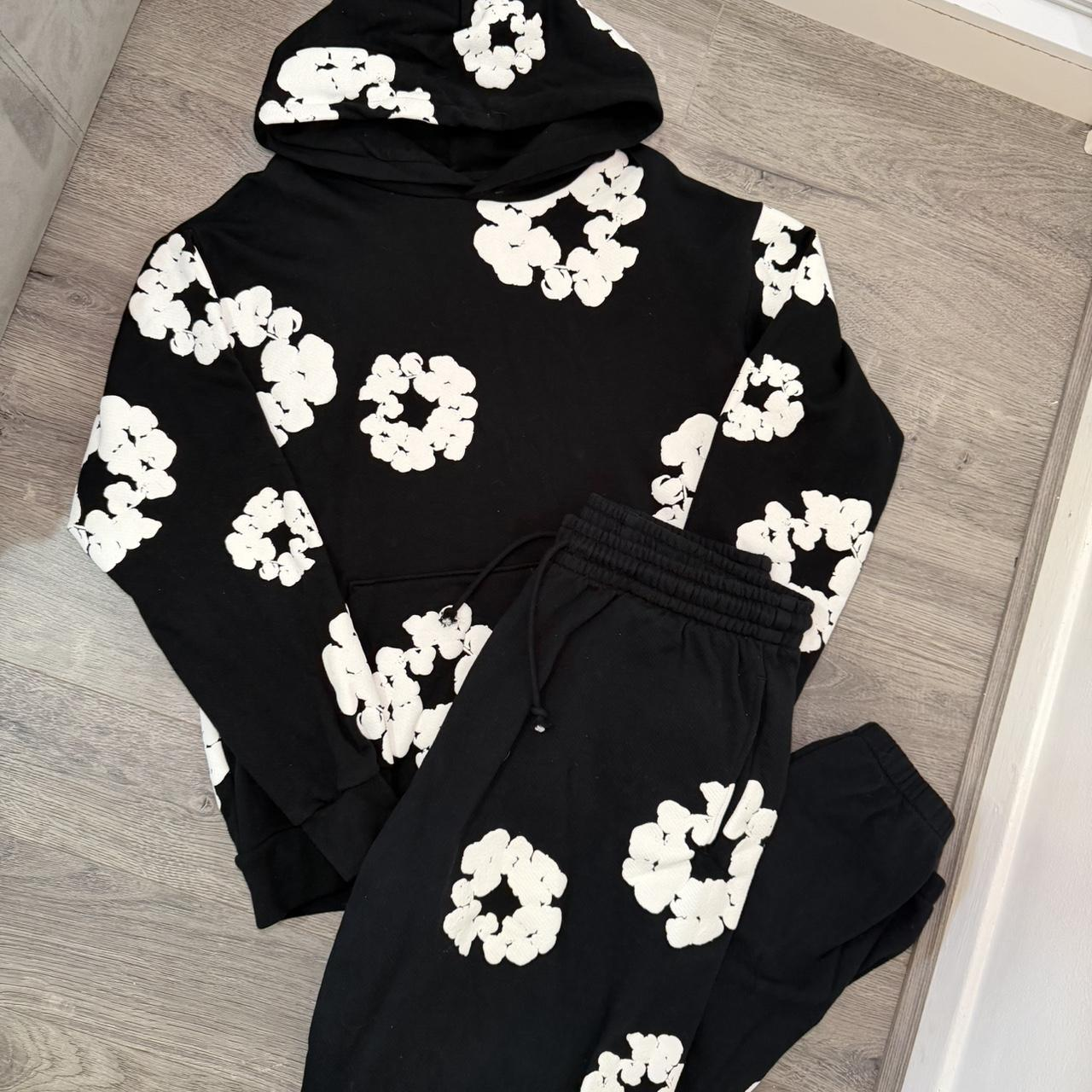
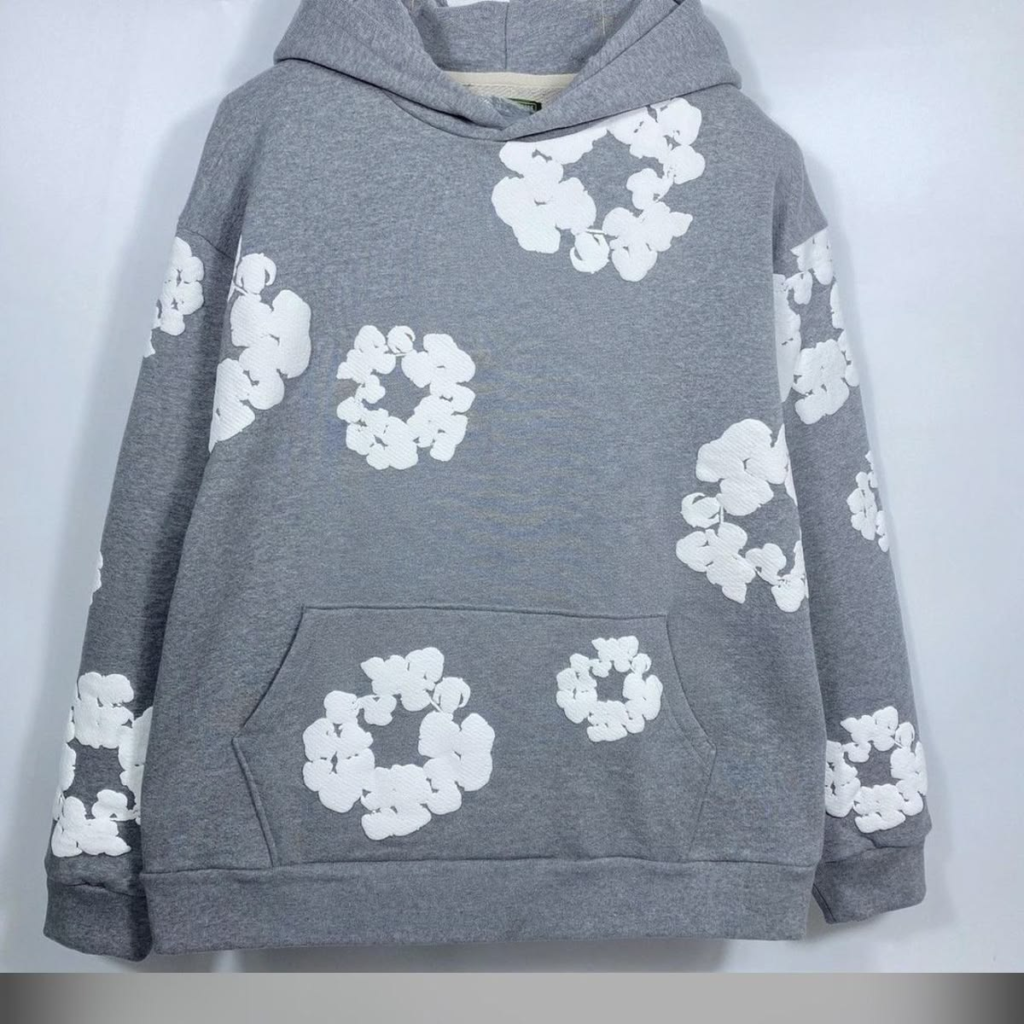
- 3D Printing Effects: Add depth to your design with 3D raised prints or textured details. This trend adds a premium, tactile element that stands out—perfect for logos, small illustrations, or accent details. It’s especially popular for luxury-inspired custom hoodies, drawing inspiration from brands like Saint Laurent and Loewe.
- Sustainable & Meaningful Themes: Designs that highlight eco-friendliness (e.g., plant motifs, “recycled” messaging) or personal stories (e.g., a travel memory, family photo) resonate in 2026. Consumers want their custom hoodies to have purpose, not just style.
- Neutral Tones with Accent Colors: Base your hoodie in neutral shades (black, white, gray, beige, or brown) and use one or two bold accent colors for your print. This creates a sleek, modern look that’s easy to style and ensures your design doesn’t clash with the hoodie’s color. For, you can use high-saturation, but keep it minimal to avoid looking.
Design Practical Tips
- Use High-Resolution Files: Blurry designs ruin the final result. For digital printing methods (DTG, sublimation), use vector files (AI, EPS) or high-res PNG/JPG files (300 DPI or higher) to ensure crisp details. If you’re uploading a photo, make sure it’s clear and not pixelated.
- Test Color Contrast: Ensure your design stands out against the hoodie’s color. For light hoodies, use dark or bold inks; for dark hoodies, use light inks or a white underbase (especially for DTG printing) to make colors pop. Avoid similar tones (e.g., light gray print on a white hoodie) as they’ll blend in.
- Consider Placement: Think about how the hoodie fits when worn. The center chest, upper back, and sleeve are classic placements, but don’t be afraid to get creative—try a small print on the hood’s edge or a subtle design along the kangaroo pocket. For zipper hoodies, avoid placing prints where the zipper will cover them.
Step 3: Choose the Best Printing Method (2026’s Top Options)
The right printing method depends on your design complexity, budget, order quantity, and fabric type. In 2026, these methods are the most reliable and popular, each with its own strengths:
1. Direct-to-Garment (DTG) Printing
DTG is the go-to for small orders (1–50 hoodies) and complex designs with multiple colors, gradients, or photo-realistic details. It works best on 100% cotton or cotton-rich blends and produces soft, breathable prints that feel like part of the fabric—no stiff, plastic-like texture. For 2026, DTG technology has improved to handle recycled blends better, and it’s ideal for personal hoodies, limited-edition drops, or small business merch. When printing on fleece blends with DTG, use a pretreat and white underbase to ensure bold colors.
2. Screen Printing
Screen printing is perfect for bulk orders (50+ hoodies) and simple designs (1–4 colors), like logos, text, or bold graphics. It’s cost-effective for large quantities, produces vibrant, long-lasting prints, and works well on cotton, polyester blends, and even some recycled fabrics. In 2026, screen printing remains popular for brands and events (e.g., concerts, sports teams) because of its durability—prints can last for years with proper care. For polyester blends, use poly ink or a poly blocker to ensure ink adhesion.
3. Heat Transfer Vinyl (HTV) & DTF Printing
HTV is great for one-off custom hoodies, small text, or simple shapes (e.g., initials, small logos). It’s easy to use at home (with a heat press or even an iron) and works on most fabrics, including polyester and blends. DTF (Direct-to-Film) is a newer method that combines the best of DTG and HTV—it’s ideal for small to medium orders, complex designs, and works on any fabric (even dark colors) without a white underbase. Both methods are popular in 2026 for DIY enthusiasts and small businesses because of their versatility and low entry cost.
4. Embroidery
For a premium, luxurious look, embroidery is the top choice in 2026. It adds texture and dimension to your design, works well for small logos, monograms, or delicate details, and is extremely durable. Embroidery is perfect for luxury-inspired hoodies, corporate merch, or personal gifts—think Loewe’s anagram embroidery or Champion’s classic logo style. It works on most fabrics but is best on thicker blends (e.g., fleece) for a clean finish. You can choose hand embroidery for a personal touch or machine embroidery for faster, consistent results.
5. Sublimation Printing
Sublimation is ideal for polyester or polyester-blend hoodies (100% polyester works best) and produces vibrant, all-over prints or large graphics. The ink bonds directly with the fabric fibers, so prints are soft, breathable, and won’t crack or peel. In 2026, sublimation is popular for sporty hoodies, outdoor gear, or bold, all-over designs (e.g., camo patterns). It’s not suitable for cotton, but it’s a great option for functional hoodies with moisture-wicking or waterproof features.
Step 4: Finalize & Print (Avoid Common Mistakes)
Once you’ve chosen your hoodie, designed your print, and selected a printing method, it’s time to finalize and print. Follow these steps to ensure perfect results:
- Preview Your Design: Use online design tools (many printing companies offer free mockup tools, like Custprint’s “Create It” feature) to see how your design will look on the hoodie. Check for placement, size, and color accuracy—this is your chance to fix mistakes before printing.
- Test Print on a Sample: If you’re printing in bulk or using a new method, print a sample hoodie first. This lets you check for color accuracy, print quality, and fit. For example, test a DTG print to ensure colors are vibrant, or an embroidery sample to check stitch density. It’s better to fix issues with a sample than to waste an entire order.
- Choose a Reputable Printer: For professional results, work with a printer that specializes in custom hoodies and uses high-quality inks and equipment. Look for reviews, ask for samples, and confirm they offer the printing method you need. If you’re printing at home (HTV), invest in a good heat press—this ensures even heat distribution and better adhesion than an iron. For bulk orders, ensure the printer has experience with your chosen fabric (especially recycled blends).
Step 5: Care for Your Custom Hoodie (Make Prints Last)
Proper care ensures your custom print stays vibrant and intact for years. Follow these 2026-friendly care tips:
- Wash the hoodie inside out in cold water (avoid hot water, which fades ink and shrinks fabric).
- Use a gentle detergent—avoid bleach or harsh chemicals that break down ink and fabric fibers.
- Air dry or tumble dry on low heat. High heat can melt HTV prints, crack screen prints, or warp embroidery.
- Don’t iron directly on the print—if needed, iron inside out on low heat.
- Avoid dry cleaning, as harsh solvents can damage prints and fabrics, especially recycled blends.
2026 Custom Hoodie Print Trends to Watch
To stay ahead of the curve, incorporate these emerging trends into your custom designs:
- Interactive Prints: Hoodies with glow-in-the-dark ink, heat-sensitive ink (changes color when warm), or reflective details are growing in popularity—perfect for outdoor enthusiasts or streetwear fans. A North American outdoor brand even launched a Bluetooth-heated hoodie with reflective prints, which became a hit among night runners.
- Collaborative & Limited-Edition Prints: Partner with artists, influencers, or local brands to create exclusive custom hoodies. Limited-edition drops (e.g., 100 pieces) generate hype and are highly shareable on Instagram and TikTok—key for brands looking to grow their audience. Supreme and Palace have mastered this strategy, and it’s trending for small businesses too.
- Functional Prints: Combine style with utility—prints that double as labels (e.g., care instructions printed subtly on the sleeve) or add functional details (e.g., reflective prints for safety). Functional hoodie categories are growing twice as fast as regular ones in 2026.
Final Thoughts
Customizing hoodie prints in 2026 is all about balance—combining quality materials, on-trend designs, and the right printing method to create something unique and durable. Whether you’re making a personal hoodie, branding merch, or launching a limited-edition line, follow this guide to avoid common mistakes and achieve professional results. With sustainability, simplicity, and personalization at the forefront, your custom hoodie prints will stand out in 2026’s competitive market. Remember: the best custom hoodies are those that feel personal, look great, and last long—so take your time, test thoroughly, and let your creativity shine.
Explore More Articles from WUYI Apparel
Want to learn more about styling essentials hoodies or other apparel tips? Check out some of our other helpful articles:
- Wearing Black to a Wedding: A Modern Etiquette Guide
- Rainwear Jackets: The Perfect Fusion of Fashion and Function
- How To Measure Clothes
- Casual clothing – Casual and elegant through everyday life
- How to Find Your Style:An in-depth exploration of one’s own clothing style
For more tips and tricks on fashion and lifestyle, don’t forget to visit our Blog Section.
Head over to our Shop Page to browse our full collection and pick your favorite essentials hoodie today!