Welcome to customize all kinds of clothing

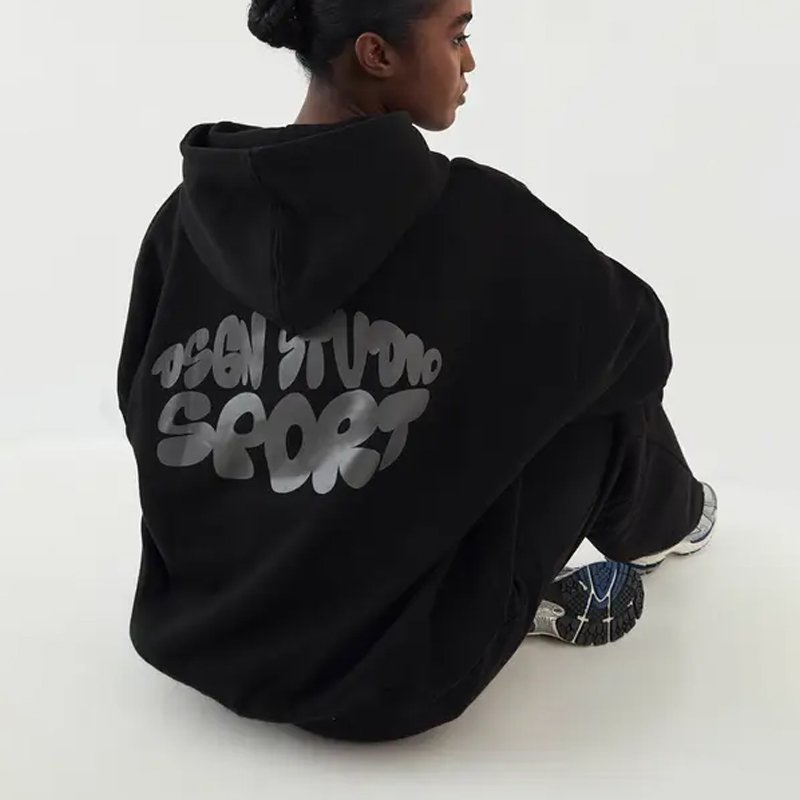
How to Start a Clothing Line: A Complete Step-by-Step Guide (2026)

The global apparel market is valued at over $2 trillion, offering massive opportunities for aspiring fashion entrepreneurs. But starting a clothing line isn’t just about creativity—it requires strategic planning, business acumen, and attention to detail. Whether you dream of launching sustainable activewear, edgy streetwear, or luxury basics, this step-by-step guide will walk you through how to start a clothing line from scratch, with actionable tips to help you stand out in a competitive market and optimize for Google search.
Key Statistics to Know Before Starting a Clothing Line
Understanding the industry landscape is critical for success. Here are essential stats to inform your strategy <superscript:1superscript:3>:The global apparel market is projected to grow steadily through 2026, with online sales accounting for over 30% of total revenue.Startup costs range from $100 (print-on-demand models) to $50,000+ (luxury or custom cut-and-sew lines).Sustainable and size-inclusive fashion are fast-growing niches, with 67% of consumers willing to pay more for eco-friendly apparel.Most manufacturers require a minimum order quantity (MOQ) of 100–200 units per design for small-batch production.Step 1: Define Your Niche and Target Audience (Foundation of Success)The first and most crucial step to start a clothing line is to narrow your focus. A vague brand (“I sell clothes”) will struggle to compete—instead, carve out a specific niche that addresses unmet customer needs <superscript:4superscript:7>.
How to Choose Your Niche
Consider these questions to identify your niche:
- What style or category excites you? (e.g., athleisure, vintage-inspired, adaptive clothing, kidswear)
- Are there gaps in the market? (e.g., sustainable plus-size activewear, affordable luxury basics)
- What values do you want your brand to represent? (e.g., sustainability, ethical production, inclusivity)
Examples of profitable niches in 2026: Eco-friendly loungewear, gender-neutral kidswear, performance workwear for remote professionals.
Create a Target Audience Persona
Once you’ve chosen your niche, define your ideal customer in detail. Include demographics (age, location, income), psychographics (style preferences, values, shopping habits), and pain points (e.g., “struggles to find sustainable activewear in size 2XL”). This persona will guide every decision from design to marketing <superscript:5superscript:6>.
Step 2: Conduct Market Research and Analyze Competitors
Market research helps you validate your idea and avoid costly mistakes. It’s not enough to “love” your designs—you need to confirm there’s a demand for them.
What to Research
- Trends: Use tools like Google Trends, Pinterest Trends, and Fashion Snoops to identify rising styles (avoid fleeting micro-trends—focus on enduring ones aligned with your niche).
- Competitors: Analyze 3–5 direct competitors (brands targeting the same niche/audience). What do they do well? Where are they falling short? (e.g., “Competitor A has great sustainable fabrics but poor customer service”).
- Customer Feedback: Survey potential customers on social media, Reddit, or niche forums (e.g., r/sustainablefashion). Ask: “Would you buy this product? What price would you pay?”
Tip: Look for “unspoken” needs—for example, if competitors in your niche only offer sizes XS–XL, there’s an opportunity for size inclusivity <superscript:7>.
Step 3: Develop a Comprehensive Business Plan
A business plan is your roadmap to success. It’s essential for securing funding (if needed) and keeping your brand on track amid industry changes. Even if you’re self-funding, a business plan forces you to think critically about your strategy<superscript:2superscript:7>.
Key Elements of a Clothing Line Business Plan
- Executive Summary: A 1-page overview of your brand, mission, niche, and goals.
- Brand Mission & Vision: What do you stand for? Where do you see your brand in 5 years?
- Market Analysis: Findings from your research (target audience, competitors, trends).
- Products & Pricing: Details of your first collection, pricing strategy (cost + markup), and unique selling proposition (USP).
- Marketing & Sales Plan: How you’ll promote and sell your clothes (e.g., online store, social media, retail partnerships).
- Financial Projections: Startup costs, revenue forecasts, break-even analysis, and budget for manufacturing, marketing, and operations.
- Legal & Operational Plan: Business structure (LLC, sole proprietorship), licenses, and production process.
Use free templates from Shopify or SCORE to simplify the process <superscript:2>.
Step 4: Build Your Brand Identity
Your brand identity is how customers perceive you—it’s more than just a logo. It includes visual elements, voice, and values that differentiate your clothing line from others <superscript:6>.
Core Brand Identity Elements
- Brand Name: Choose a name that’s memorable, easy to spell, and aligns with your niche. Check domain availability (use GoDaddy) and trademark it to avoid legal issues.
- Logo & Visuals: Design a logo, color palette, and typography that reflect your brand’s personality (e.g., earth tones for sustainable brands, bold colors for streetwear). Use tools like Canva (beginner-friendly) or hire a freelance designer on Fiverr/Upwork.
- Brand Voice: Define the tone of your communication (e.g., friendly, luxurious, edgy). Use this voice consistently across your website, social media, and customer service.
- USP: Clearly articulate what makes your brand unique. Examples: “Sustainable activewear made from 100% recycled ocean plastic” or “Size-inclusive basics for curvy women.”
Step 5: Design Your First Collection
Now it’s time to bring your creative vision to life. Start small—focus on 3–5 core pieces (your “hero products”) instead of a large collection. This reduces risk and allows you to test demand<superscript:5>.
Design Tips for Beginners
- Sketch Your Designs: Use paper or digital tools (Adobe Illustrator, Procreate) to create detailed sketches. Include front, back, and side views, plus fabric and trim details.
- Choose Fabrics Wisely: Select fabrics that align with your niche and budget. Consider factors like comfort, durability, sustainability, and cost. Order fabric swatches from suppliers to test quality.
- Create Prototypes: Make samples of your designs to test fit, fabric, and construction. You can sew prototypes yourself (if skilled) or hire a local seamstress. Refine your designs based on feedback—this step is critical to avoid manufacturing errors.
Tip: If you’re new to design, take online courses (e.g., Udemy, Skillshare) or learn from YouTube tutorials to master the basics <superscript:1>.
Step 6: Choose a Manufacturing Method
The manufacturing method you choose will impact your budget, control over production, and scalability. Here are the 3 most common options for new clothing lines <superscript:3superscript:7>:
1. Print-on-Demand (POD)
Cost: $100–$1,000 startup cost
How it works: You upload your designs to a POD platform (e.g., Printful, Redbubble), which prints and ships products directly to customers when they order. No upfront inventory costs—ideal for beginners.
Pros: Low risk, no inventory storage, easy to scale.
Cons: Less control over production, lower profit margins.
2. Private Label
Cost: $1,000–$5,000 startup cost
How it works: You buy blank apparel (t-shirts, hoodies, etc.) from a wholesaler and add your branding (logo, tags). Great for brands focused on branding over custom design.
Pros: Lower cost than custom production, faster time to market.
Cons: Less design uniqueness.
3. Cut-and-Sew (Custom Production)
Cost: $5,000–$30,000+ startup cost
How it works: You work with a manufacturer to create custom garments from scratch (pattern-making, cutting, sewing). Full control over design and quality—ideal for luxury or niche brands.
Pros: Unique designs, higher profit margins, full quality control.
Cons: High upfront cost, MOQs (100–200 units per design), longer production time.
How to Find Reliable Manufacturers
Use these resources to find manufacturers:
- Online directories: Alibaba, Thomasnet, Makers Row (US-based manufacturers).
- Trade shows: Magic Las Vegas, Premiere Vision (connect with manufacturers in person).
- Referrals: Ask other fashion entrepreneurs in your network.
Tip: Always order a sample from a manufacturer before placing a large order to test quality <superscript:5>.
Step 7: Set Up Pricing and Inventory Strategies
Pricing your clothes correctly is key to profitability. Your pricing strategy should cover costs (manufacturing, materials, marketing) and leave room for profit.
How to Calculate Pricing
Use this simple formula: Retail Price = (Cost per Unit × 2–3) + Overhead Costs
- Cost per Unit: Manufacturing + materials + trims (buttons, tags, etc.).
- Markup: Most fashion brands use a 2–3x markup (e.g., a shirt that costs $10 to make retails for $20–$30).
- Overhead Costs: Website hosting, marketing, shipping, legal fees, etc.
Inventory Management Tips
- Start with small batches to avoid overstock (especially if using cut-and-sew or private label).
- Use inventory management software (e.g., Shopify Inventory, TradeGecko) to track stock levels.
- Plan collections around fashion seasons (Spring/Summer, Fall/Winter) to stay on-trend <superscript:1>.
Step 8: Build Your Sales Channels
You need to make your clothes accessible to customers. Most new clothing lines start with online sales (lower cost) and expand to retail later.
1. Online Store
Build an e-commerce website using platforms like Shopify (most popular for fashion brands), WooCommerce, or BigCommerce. Your website should include:
- High-quality product photos (model shots + flat lays).
- Detailed product descriptions (fabric, fit, sizing).
- Easy checkout process (accept credit cards, PayPal).
- Brand story page (connect with customers emotionally).
Tip: Optimize your website for SEO by using keywords like “sustainable activewear for women” in product descriptions and page titles.
2. Social Media Sales
Sell directly on social media platforms where your audience spends time:
- Instagram/TikTok Shops: Tag products in posts and videos for easy purchasing.
- Pinterest: Drive traffic to your website with visually appealing pins.
3. Retail Partnerships (Later Stage)
Once your brand is established, pitch your clothing line to boutiques or online retailers (e.g., Nordstrom Rack, ASOS Marketplace). Prepare a lookbook, line sheet (pricing, sizing, minimum orders), and samples <superscript:1>.
Step 9: Market Your Clothing Line to Drive Sales
Even the best designs won’t sell if no one knows about your brand. Focus on marketing channels that reach your target audience <superscript:6>.
Effective Marketing Strategies for New Clothing Lines
- Content Marketing: Create blog posts, videos, or Reels that showcase your brand story, design process, or styling tips (e.g., “5 Ways to Style Our Sustainable Leggings”).
- Influencer Collaborations: Partner with micro-influencers (10k–50k followers) in your niche. They have higher engagement rates and are more affordable than macro-influencers.
- Social Media Advertising: Run targeted ads on Instagram, TikTok, or Facebook. Use your customer persona to narrow down demographics, interests, and behaviors.
- Email Marketing: Collect email addresses from your website (offer a discount for sign-ups) and send newsletters with new collections, promotions, and brand updates.
- Pop-Ups & Markets: Sell in person at local markets, pop-up shops, or fashion events to build brand awareness and connect with customers face-to-face <superscript:1>.
Step 10: Legalize Your Business and Protect Your Brand
Don’t skip this step—legal compliance protects your brand and avoids costly fines.
- Register Your Business: Choose a business structure (LLC is recommended for most fashion brands) and register with your state/country.
- Trademark Your Brand: Trademark your brand name, logo, and any unique designs to prevent others from using them.
- Obtain Licenses & Permits: Check local requirements for selling apparel (e.g., sales tax permit).
- Product Safety Compliance: Ensure your clothes meet safety standards (e.g., CPSIA for kidswear in the US).
Cost: Legal fees typically range from $200–$1,000 <superscript:3>.
Common Mistakes to Avoid When Starting a Clothing Line
Learn from other entrepreneurs’ mistakes to save time and money:
- Starting with too many products (focus on core pieces first).
- Ignoring market research (don’t assume customers will love your designs).
- Underpricing products (cover all costs and leave room for profit).
- Choosing the wrong manufacturer (always test samples first).
- Neglecting branding (a strong brand builds customer loyalty).
Final Thoughts: How to Succeed in the Long Run
Starting a clothing line takes time, patience, and resilience. Even successful designers like Sarah Donofrio (Project Runway alum) spent years gaining experience before launching their brands <superscript:1>. Stay true to your vision, listen to your customers, and be adaptable—fashion trends and market needs change, so your brand should evolve too.
Remember: Every big fashion brand started small. With the right strategy, creativity, and hard work, you can turn your dream of starting a clothing line into a successful business.
FAQs About Starting a Clothing Line
How much does it cost to start a clothing line?
Startup costs range from $100 (print-on-demand) to $50,000+ (luxury cut-and-sew lines). Key expenses include manufacturing, materials, website setup, marketing, and legal fees <superscript:3>.
Do I need fashion design experience to start a clothing line?
No—many successful designers (e.g., Vivienne Westwood, Dapper Dan) are self-taught. You can learn design basics through online courses, YouTube tutorials, or by working with a freelance designer <superscript:1>.
How long does it take to start a clothing line?
It typically takes 3–6 months to launch a clothing line, from market research and design to manufacturing and marketing. Print-on-demand models can launch in 1–2 months, while custom production takes longer <superscript:5>.
How do I find manufacturers for my clothing line?
Use online directories (Alibaba, Makers Row), attend trade shows (Magic Las Vegas), or ask for referrals from other fashion entrepreneurs. Always order samples before placing large orders .
Explore More Articles from WUYI Apparel
Want to learn more about styling essentials hoodies or other apparel tips? Check out some of our other helpful articles:
- Wearing Black to a Wedding: A Modern Etiquette Guide
- Rainwear Jackets: The Perfect Fusion of Fashion and Function
- How To Measure Clothes
- Casual clothing – Casual and elegant through everyday life
- How to Find Your Style:An in-depth exploration of one’s own clothing style
For more tips and tricks on fashion and lifestyle, don’t forget to visit our Blog Section.
Head over to our Shop Page to browse our full collection and pick your favorite essentials hoodie today!