Welcome to customize all kinds of clothing

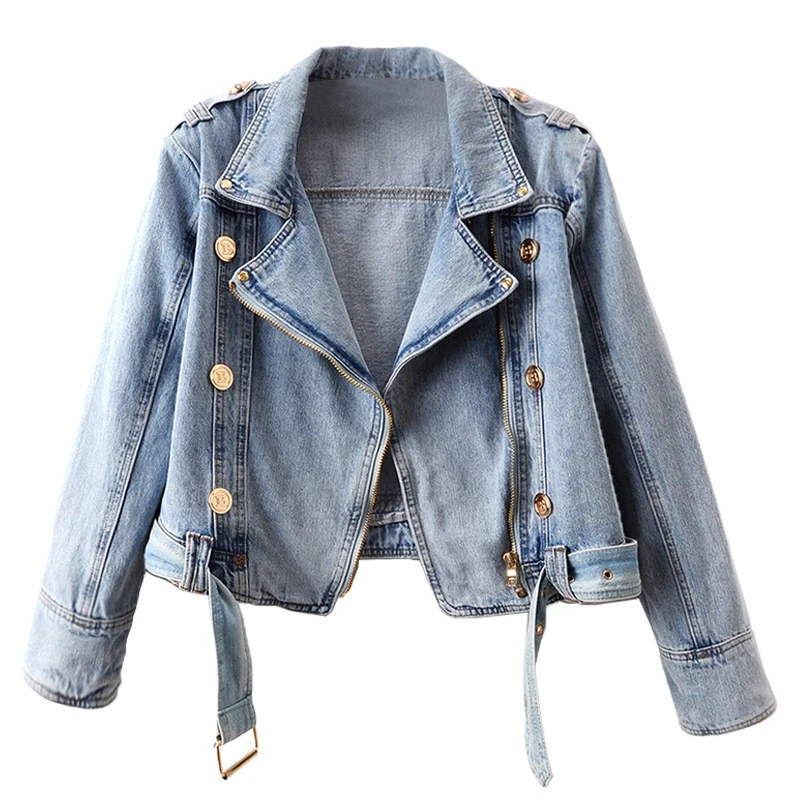
How to Customize a Jean Jacket: 2026 Complete DIY Guide for Personal Style

Overview: Why Customize Your Jean Jacket?
Customizing a jean jacket transforms a basic wardrobe staple into a unique personal statement. In 2026, DIY fashion continues to surge, with 73% of millennials and Gen Z preferring customized clothing over mass-produced items. This comprehensive guide covers everything from beginner techniques to advanced customization methods, helping you create a jacket that reflects your individual style while maximizing longevity and wearability.
Part 1: Pre-Customization Essentials
1.1 Choosing Your Base Jacket
Key Considerations for Selection:
- Material Composition:
- 100% cotton denim: Best for painting and heavy embroidery
- Stretch denim (with 1-3% elastane): Avoid for structural alterations
- Washed vs. raw denim: Pre-washed jackets prevent bleeding on designs
- Ideal Jacket Characteristics:
- Light to medium wash (easier to cover with designs)
- Minimal existing distressing
- Quality stitching (will withstand modifications)
- Classic fit (not too tight for added elements)
2024 Denim Jacket Recommendations by Budget:
| Price Range | Recommended Brands | Best For |
|---|---|---|
| $25-$50 | Thrifted, Levi’s Secondhand | First projects, experimental techniques |
| $50-$100 | Uniqlo, Madewell, Gap | Quality balance, frequent wear |
| $100-$200 | Levi’s Premium, Wrangler Retro | Investment pieces, heirloom potential |
| $200+ | Custom blank jackets (ODM) | Professional-level customization |
1.2 Essential Tools & Materials Checklist
Basic Starter Kit ($30-50 investment):
- Fabric scissors (Gingher or Fiskars)
- Seam ripper
- Fabric chalk/pens
- Ruler and measuring tape
- Iron and pressing cloth
Decorative Elements Inventory:
- Patches: Embroidery, woven, leather, DIY fabric
- Paints: Fabric-specific acrylics, spray fabric paints
- Threads: Embroidery floss, metallic threads, heavy-duty
- Embellishments: Studs, rhinestones, chains, fringe
- Stencils & Templates: Reusable mylar or DIY cardboard
2026 Sustainable Material Alternatives:
- Eco-paints: Water-based, non-toxic fabric paints
- Upcycled patches: From old jeans, shirts, or linens
- Natural dyes: For ombré or dip-dye effects
- Salvaged hardware: Buttons, zippers from thrifted garments
Part 2: Beginner-Friendly Customization Techniques
2.1 Patch Application Methods
Four Primary Techniques Compared:
| Method | Difficulty | Time Required | Durability | Best For |
|---|---|---|---|---|
| Hand Stitching | Beginner | 30-60 min per patch | Excellent | Heirloom pieces, visible stitching |
| Fabric Glue | Beginner | 10-15 min per patch | Good (with proper prep) | Quick projects, delicate fabrics |
| Iron-On Adhesive | Beginner | 5-10 min per patch | Medium | Temporary placements, children’s items |
| Machine Stitching | Intermediate | 15-30 min per patch | Excellent | High-wear areas, professional finish |
Step-by-Step Patch Placement Guide:
- Surface Preparation:
- Wash jacket without fabric softener
- Iron area flat
- Mark placement with chalk
- Application Process:
- For stitching: Pin in place, use running or blanket stitch
- For adhesive: Follow product heat/time instructions
- For glue: Apply thin layer, press firmly for 24 hours
- Setting & Finishing:
- Heat set if required
- Check edges are secure
- Spot clean before first wear
2.2 Basic Painting Techniques
2026 Popular Paint Styles:
- Stencil Designs:
- Use adhesive stencils to prevent bleeding
- Light coats of fabric paint
- Heat set between colors
- Freehand Painting:
- Sketch design with washable marker first
- Use fabric medium mixed with acrylics
- Start with light colors, add details last
- Bleach Effects:
- Create reverse designs with bleach pens
- Always test on hidden area first
- Neutralize with vinegar solution
Top 5 Beginner Paint Projects:
- Back panel floral spray
- Sleeve constellation dots
- Pocket edge color blocking
- Collar tip dip-dye
- Simple slogan on chest
2.3 Simple Embellishment Additions
No-Sew Embellishment Ideas:
- Studs and spikes: Use screw-back or glue-on varieties
- Rhinestones: Fabric glue specifically for gems
- Chain accents: Safety-pin attachment methods
- Fringe: Fabric glue along seams or edges
Safety-First Guidelines:
- Avoid sharp points on sleeve cuffs
- Ensure embellishments won’t catch on other clothing
- Test washability before full application
Part 3: Intermediate Customization Projects
3.1 Advanced Patchwork Techniques
Japanese Boro-Inspired Methods:
- Sashiko stitching: Functional embroidery that reinforces fabric
- Asymmetrical placement: Intentional “imperfect” arrangements
- Multi-layer patching: Creates texture and depth
Deconstruction & Reconstruction:
- Seam Opening:
- Use seam ripper on shoulder, side, or sleeve seams
- Insert contrasting fabric panels
- Restitch with decorative thread
- Panel Replacement:
- Replace back panels with patterned fabrics
- Swap sleeve sections for different denim washes
- Create color-blocked effects
2026 Trending Patchwork Styles:
- Quilted denim: Insulated panels for winter wear
- Transparent inserts: Mesh or lace panels
- Cultural textile incorporation: Traditional fabrics as accents
3.2 Professional-Level Painting Methods
Advanced Techniques Tutorial:
Airbrush Effects:
- Requires airbrush kit ($80-200 investment)
- Create gradients and shadows
- Use fabric-specific airbrush paints
Fabric Dye Manipulation:
- Ice dyeing: Unique crystallization patterns
- Shibori techniques: Traditional Japanese resist-dyeing
- Ombré dip-dye: Gradual color transitions
Mixed Media Approaches:
- Combine paint with embroidery
- Add dimensional fabric elements
- Incorporate photo transfer techniques
Durability Enhancements:
- Clear fabric sealant for high-wear areas
- Double-stitch painted sections prone to cracking
- Strategic placement away from flex points
3.3 Structural Modifications
Alteration Techniques:
| Modification | Skill Level | Tools Needed | Time Estimate |
|---|---|---|---|
| Crop Modification | Intermediate | Scissors, ruler, sewing machine | 1-2 hours |
| Sleeve Transformation | Intermediate | Seam ripper, pins, sewing machine | 2-3 hours |
| Collar Replacement | Advanced | Pattern, seam ripper, heavy-duty needle | 3-4 hours |
| Lining Addition | Intermediate | Lining fabric, pins, sewing machine | 2-3 hours |
Step-by-Step Cropping Guide:
- Mark desired length while wearing jacket
- Cut 1″ below marked line
- Fold raw edge under ½”, then another ½”
- Stitch with denim needle and heavy thread
- Add decorative topstitching if desired
2026 Popular Structural Trends:
- Asymmetrical hem lines
- Convertible sleeves (snap-off designs)
- Hidden interior pockets
- Adjustable waist tabs
Part 4: Advanced & Specialized Techniques
4.1 Embroidery Mastery
Digital Pattern Resources:
- Etsy: Customizable digital patterns ($3-15)
- Embroidery design software: Create your own
- Social media: #DenimEmbroidery hashtag for inspiration
Hand Embroidery Stitch Guide:
| Stitch Type | Best For | Difficulty | Visual Effect |
|---|---|---|---|
| Satin Stitch | Filling areas | Beginner | Smooth, solid coverage |
| Chain Stitch | Outlines, vines | Intermediate | Textured, dimensional lines |
| French Knots | Details, texture | Intermediate | Dotted, raised elements |
| Cross Stitch | Patterned areas | Beginner | Pixelated, geometric look |
Machine Embroidery Tips:
- Use stabilizer for denim
- Start with simpler, smaller designs
- Test thread tension on scrap fabric first
4.2 Distressing & Deconstruction
Artistic Distressing Methods:
Controlled Wear Techniques:
- Sandpaper Method:
- 80-120 grit for heavy distress
- 220+ grit for light wear marks
- Focus on high-wear areas naturally
- Razor Blade Techniques:
- Single-edge razor for precision
- Create horizontal slashes
- Add stitching to prevent excessive tearing
Extreme Deconstruction:
- Remove entire sleeves for vest transformation
- Create fringe from seams
- Expose inner layers strategically
Safety Considerations:
- Avoid over-weakening structural seams
- Reinforce areas that will experience stress
- Consider lining exposed areas
4.3 Tech-Integrated Customizations
2026 Smart Customization Ideas:
Wearable Tech Elements:
- EL wire integration for nighttime visibility
- LED light patches (USB rechargeable)
- Conductive thread for interactive elements
Sustainable Tech:
- Solar-powered accent lighting
- Upcycled electronic components
- Biodegradable smart materials
Practical Tech Additions:
- RFID-blocking pockets
- Integrated charging loops
- Hidden emergency features
Part 5: Theme-Based Customization Guides
5.1 Music Genre Inspirations
Punk Rock Style:
- Safety pins and stud clusters
- Band patches with rough edges
- Anarchic paint splatters
- Asymmetric modifications
Festival/Bohemian:
- Embroidery florals and mandalas
- Fringe and tassel additions
- Mirror and bead work
- Tie-dye or dip-dye elements
Hip-Hop Inspired:
- Oversized modifications
- Luxury brand logo reinterpretations
- Chain and hardware accents
- Bold, graphic paint elements
5.2 Seasonal Transformations
Summer Conversion:
- Remove sleeves for vest
- Add mesh panel inserts
- Light, airy embroidery designs
- Cropped length adjustment
Winter Enhancement:
- Add fleece or sherpa lining
- Incorporate quilted panels
- Higher collar addition
- Longer length modification
Transitional Adaptations:
- Removable sleeve designs
- Versatile layering modifications
- Weather-resistant treatments
- Multi-season color schemes
5.3 Special Occasion Customization
Wedding/Formal:
- Delicate beadwork and sequins
- Lace overlay or appliqué
- Elegant embroidery (white on white)
- Silk lining addition
Cosplay/Character:
- Screen-accurate replica techniques
- Specialty material incorporation
- Functional vs. aesthetic considerations
- Convention durability planning
Memorial/Tribute:
- Photo transfer techniques
- Meaningful symbol incorporation
- Date and name embroidery
- Subtle, wearable tribute designs
Part 6: Care, Maintenance & Repair
6.1 Customized Jacket Care Protocol
Cleaning Guidelines by Customization Type:
| Customization | Hand Wash | Machine Wash | Dry Cleaning | Spot Clean Only |
|---|---|---|---|---|
| Painted Designs | Recommended | Cold, gentle cycle | Not recommended | Yes, for minor stains |
| Embroidered | Recommended | Cold, inside-out | Acceptable | Yes |
| Patches (glued) | Not recommended | Not recommended | Risky | Only method |
| Patches (stitched) | Recommended | Cold, gentle cycle | Acceptable | Yes |
| Beads/Sequins | Not recommended | Not recommended | Specialized only | Primary method |
Preservation Techniques:
- Store flat or on wide hangers
- Avoid folding over embellished areas
- Use acid-free tissue for long-term storage
- Keep away from direct sunlight
6.2 Repair & Restoration
Common Issue Solutions:
Loose Patches:
- Reinforce with additional stitching
- Use fabric glue under loose edges
- Consider decorative reinforcement stitches
Faded Paint:
- Touch up with matching colors
- Embrace fade as part of evolution
- Add new layers intentionally
Worn Distressing:
- Prevent further fraying with clear nail polish
- Add backing fabric behind thin areas
- Convert extreme wear into intentional design
Professional Restoration Services:
- Cost: $50-150 depending on damage
- When to consider: Sentimental value pieces
- Specialists: Denim doctors, textile conservators
Part 7: 2026 Trends & Future Directions
7.1 Emerging Customization Trends
Social Media Influenced Styles:
- TikTok tutorials: #JacketCustomization has 2.3B views
- Instagram aesthetics: Coordinated sets with customized pieces
- Pinterest boards: Thematic customization collections
Technology Integration:
- AR preview apps: Visualize designs before creating
- 3D printed embellishments: Custom hardware elements
- Digital pattern sharing: Community design exchanges
Sustainable Innovations:
- Waterless dye techniques
- Biodegradable embellishments
- Zero-waste pattern methods
7.2 Community & Collaboration
Local Workshops & Classes:
- Community center offerings
- Craft store workshops
- Online live classes
Customization Collectives:
- Swap events for materials
- Skill-sharing meetups
- Collaborative jacket projects
Online Communities:
- Reddit: r/DIYclothes, r/Visiblemending
- Discord servers for real-time help
- Facebook groups for local connections
Part 8: Frequently Asked Questions
Q1: How much does it cost to customize a jean jacket?
A: Basic customization can cost $20-50 for materials. Intermediate projects $50-150. Advanced customizations with specialized materials can reach $200+. Most expensive elements are quality patches, specialized paints, and professional tools.
Q2: Can I customize a jacket without sewing skills?
A: Absolutely. Many techniques require no sewing: fabric glue applications, iron-on patches, painting, no-sew embellishments, and fabric markers. Start with these methods and build skills gradually.
Q3: How do I make sure my customization lasts?
A: 1) Prepare surfaces properly (clean, iron) 2) Use appropriate materials (fabric-specific) 3) Apply techniques correctly (follow instructions) 4) Care appropriately (follow maintenance guidelines) 5) Reinforce high-stress areas.
Q4: What’s the easiest first customization project?
A: Adding iron-on patches or simple fabric paint designs on the back panel. These require minimal tools, have clear instructions, and offer immediate satisfaction with lower risk.
Q5: Can I remove customization if I don’t like it?
A: Some methods are reversible: iron-on patches (with careful reheating), fabric glue (with specialized removers), and some paints (with stain removers). Stitching, bleaching, and structural changes are largely permanent.
Q6: How do I customize for different body types?
A: Consider placement carefully. Vertical elements elongate, horizontal elements widen. Place focal points at your favorite features. Consider functional modifications like waist definition or shoulder enhancement.
Q7: Where do I find inspiration for designs?
A: Social media (Pinterest, Instagram), fashion magazines, historical costume references, nature, architecture, personal interests, and existing art. Create a mood board before starting.
Q8: How long does customization typically take?
A: Simple projects: 1-2 hours. Intermediate: 4-8 hours. Complex projects: 10-20+ hours spread over multiple sessions. Rushing typically compromises quality.
Conclusion: Your Journey to a Unique Jean Jacket
Customizing a jean jacket is more than a craft project—it’s an expression of personal identity and a rejection of fast fashion conformity. In 2024, customized clothing represents both creative fulfillment and sustainable practice, extending garment life and reducing waste.
Remember These Key Principles:
- Start simple and build skills gradually
- Invest in quality materials for lasting results
- Embrace imperfections as part of the handmade charm
- Consider wearability alongside aesthetics
- Document your process for learning and sharing
Whether creating a subtle personalized piece or a bold statement garment, each customized jean jacket tells a story. Your additions, stitches, and designs create a wearable diary of your skills, interests, and artistic journey.
The most successful customizations balance personal meaning with practical wearability. As you develop your skills, you’ll not only create unique jackets but also join a global community of makers redefining personal fashion in the 2020s.
Next Steps:
- Assess your current jacket or select a new base
- Choose one technique from this guide to start
- Gather necessary materials
- Begin with a small test area
- Share your results with the customization community
Your perfect customized jean jacket awaits—not in a store, but through your own creativity and craftsmanship.
Explore More Articles from WUYI Apparel
Want to learn more about styling essentials hoodies or other apparel tips? Check out some of our other helpful articles:
- Wearing Black to a Wedding: A Modern Etiquette Guide
- Rainwear Jackets: The Perfect Fusion of Fashion and Function
- How To Measure Clothes
- Casual clothing – Casual and elegant through everyday life
- How to Find Your Style:An in-depth exploration of one’s own clothing style
For more tips and tricks on fashion and lifestyle, don’t forget to visit our Blog Section.
Head over to our Shop Page to browse our full collection and pick your favorite essentials hoodie today!