Welcome to customize all kinds of clothing

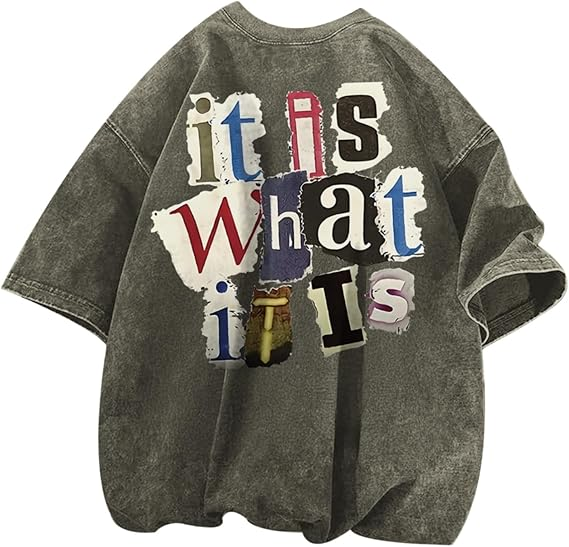
Custom T-Shirts: The Ultimate Guide to Design, Print, and Boost Your Brand in 2026

In a world where personalization and authenticity reign supreme, custom t-shirts have evolved from a niche trend to a versatile staple for individuals, businesses, and communities alike. Whether you’re looking to create unique apparel for a family reunion, promote your startup, or express your personal style, custom t-shirts offer endless possibilities. But with so many design options, printing methods, and suppliers available, how do you navigate the process to get high-quality, eye-catching results that align with your goals? This comprehensive guide breaks down everything you need to know about custom t-shirts in 2026—from design tips to SEO strategies for your custom apparel business.
What Are Custom T-Shirts, and Why Are They More Popular Than Ever?
Custom t-shirts are apparel items that are personalized with unique designs, logos, text, or artwork—tailored to the specific needs of the wearer or brand. Unlike off-the-rack t-shirts, which feature generic designs, custom tees let you bring your vision to life, making them ideal for a wide range of use cases:
- Branding & Marketing: Businesses of all sizes use custom t-shirts as cost-effective promotional tools. A well-designed tee with your company logo can turn customers into walking brand ambassadors, increasing visibility and brand recall.
- Events & Gatherings: From weddings and birthday parties to corporate retreats and sports teams, custom t-shirts foster a sense of unity and serve as memorable keepsakes for attendees.
- Personal Expression: Individuals love custom tees to showcase their hobbies, beliefs, or creativity—whether it’s a favorite quote, a custom illustration, or a photo of a loved one.
- Nonprofits & Causes: Custom t-shirts are a powerful way to raise awareness for charities, social movements, or community initiatives, while also generating funds through sales.
The rise in popularity of custom t-shirts can be attributed to several factors: advancements in printing technology (making small-batch orders affordable), the growth of e-commerce (easy access to custom design tools), and the increasing demand for unique, non-mass-produced products. In 2026, the global custom apparel market is projected to grow even further, as more people and businesses recognize the value of personalized apparel.
Key Design Tips for Stunning Custom T-Shirts (That Stand Out)
Design is the heart of a great custom t-shirt. A poorly designed tee can look unprofessional or unappealing, while a well-crafted design will turn heads and resonate with your audience. Here are actionable design tips to ensure your custom t-shirts shine:
1. Know Your Audience
Before you start designing, define who will wear the t-shirts. Are they for a younger demographic (trendy, bold designs) or a more professional crowd (sleek, minimalist logos)? For example, a custom tee for a college fraternity might feature vibrant colors and playful graphics, while a corporate team tee would likely opt for a subtle logo and neutral tones. Aligning your design with your audience’s preferences is critical for success.
2. Keep It Simple (But Memorable)
The best custom t-shirt designs are simple and easy to read—even from a distance. Avoid overcrowding the tee with too much text, graphics, or colors, as this can make the design look cluttered. Instead, focus on one core message or visual element (e.g., a logo, a single quote, or a simple illustration). Think about iconic brands like Nike or Apple—their designs are minimalist but instantly recognizable.
3. Choose the Right Colors
Color plays a huge role in the impact of your custom t-shirt. Consider the following when selecting colors:
- Contrast: Ensure your design stands out against the t-shirt color. For example, light-colored text (white, yellow) works best on dark tees (black, navy), while dark text (black, gray) pops on light tees (white, heather gray).
- Brand Identity: If you’re designing for a business, use colors that align with your brand palette to reinforce brand consistency.
- Psychology: Colors evoke emotions—red is energetic and attention-grabbing, blue is trustworthy and calm, green is eco-friendly and fresh. Choose colors that match the mood or message of your design.
4. Pick the Right T-Shirt Style & Material
The design isn’t the only thing that matters— the t-shirt itself plays a role in how the design looks and feels. Popular t-shirt styles include crewneck, v-neck, hoodies, and long-sleeve tees. For materials, 100% cotton is soft and breathable (ideal for everyday wear), while cotton-polyester blends are more durable and wrinkle-resistant (great for promotional tees). Consider the use case: a custom tee for a workout class should be moisture-wicking, while a keepsake tee might prioritize comfort.
Top Custom T-Shirt Printing Methods in 2026 (Pros & Cons)
Once you have your design ready, the next step is choosing a printing method. The right method depends on factors like order quantity, budget, design complexity, and t-shirt material. Here are the most popular printing methods for custom t-shirts in 2026:
1. Screen Printing
Screen printing (also known as silk screening) is a traditional method that uses stencils to apply ink to the t-shirt. It’s one of the most popular options for large-batch orders (50+ tees) due to its durability and cost-effectiveness.
- Pros: Vibrant, long-lasting ink; works well on dark and light tees; ideal for bold, simple designs; lower cost per unit for large orders.
- Cons: Higher setup costs (each color requires a separate stencil); not ideal for small orders (under 20 tees) or complex designs (photographs, gradient colors).
2. Direct-to-Garment (DTG) Printing
DTG printing is a digital method that prints directly onto the t-shirt using inkjet technology—similar to printing on paper. It’s perfect for small-batch orders and complex designs.
- Pros: No setup fees; ideal for small orders (1-50 tees); can print complex designs (photographs, gradients, fine details); works well on light-colored tees.
- Cons: Higher cost per unit for large orders; ink may fade faster than screen printing (especially on dark tees); requires 100% cotton or high-cotton blend tees for best results.
3. Heat Transfer Vinyl (HTV) Printing
HTV printing involves cutting designs from vinyl sheets and then heat-pressing them onto the t-shirt. It’s popular for small orders, custom names, and simple graphics.
- Pros: Low setup costs; ideal for 1-20 tees; durable (resists washing); works on most materials (cotton, polyester, blends).
- Cons: Not ideal for complex designs or large areas of color; can feel thick on the tee if using multiple layers of vinyl.
4. Sublimation Printing
Sublimation printing uses heat to transfer dye into the fabric of the t-shirt, resulting in a permanent, full-color design. It’s best for polyester or polyester-blend tees.
- Pros: Full-color, seamless designs (covers the entire tee); ink is part of the fabric (no peeling or fading); ideal for photo-realistic designs.
- Cons: Only works on light-colored, polyester tees; higher cost than other methods; not ideal for cotton tees.
How to Choose the Best Custom T-Shirt Supplier (2026 Checklist)
Choosing the right supplier is just as important as designing a great tee. A reliable supplier will ensure your order is delivered on time, with high-quality printing and materials. Here’s a checklist to help you select the best custom t-shirt supplier:
- Printing Options: Does the supplier offer the printing method you need (screen printing, DTG, etc.)?
- Order Minimums: Do they accommodate your order size (small batches vs. large quantities)?
- Quality Samples: Will they send you a sample tee before printing your full order? This is critical to check the design, color, and material.
- Pricing: Are their prices transparent (no hidden fees)? Compare quotes from 2-3 suppliers to ensure you’re getting a fair deal.
- Turnaround Time: Can they deliver your order by your deadline? Most suppliers offer standard (7-10 days) and rush (2-3 days) options.
- Customer Reviews: Check online reviews (Google, Yelp, Trustpilot) to see what other customers say about their quality and service.
- Design Support: Do they offer design services if you need help creating your custom tee?
Final Thoughts: Make Your Custom T-Shirts Shine in 2026
Custom t-shirts are more than just apparel—they’re a way to express yourself, build community, and promote your brand. By following the design tips, choosing the right printing method, working with a reliable supplier, and optimizing your website for SEO, you can create custom t-shirts that stand out and drive results. Whether you’re a small business owner, an event planner, or an individual looking for unique apparel, 2026 is the perfect year to leverage the power of custom t-shirts.
Ready to get started? Remember: the key to success is understanding your audience, focusing on quality, and staying true to your vision. With the right approach, your custom t-shirts will not only look great but also make a lasting impression.
Explore More Articles from WUYI Apparel
Want to learn more about styling essentials hoodies or other apparel tips? Check out some of our other helpful articles:
- Wearing Black to a Wedding: A Modern Etiquette Guide
- Rainwear Jackets: The Perfect Fusion of Fashion and Function
- How To Measure Clothes
- Casual clothing – Casual and elegant through everyday life
- How to Find Your Style:An in-depth exploration of one’s own clothing style
For more tips and tricks on fashion and lifestyle, don’t forget to visit our Blog Section.
Head over to our Shop Page to browse our full collection and pick your favorite essentials hoodie today!