Welcome to customize all kinds of clothing

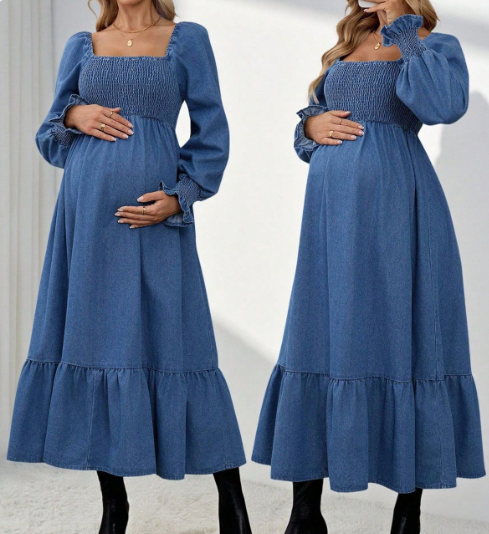
The Ultimate Guide to Maternity Clothing: Comfort, Style, and Practicality for Every Trimester

Introduction: Redefining Pregnancy Fashion in 2024
The maternity clothing industry has undergone a remarkable transformation, evolving from purely functional garments to a thriving $23.4 billion global market that celebrates both comfort and style. Today’s expecting mothers no longer need to choose between looking fashionable and feeling comfortable during pregnancy. This comprehensive guide explores everything from essential wardrobe staples to seasonal styling strategies, helping you navigate pregnancy with confidence and personal style.
Why Maternity Fashion Matters More Than Ever
- 68% of pregnant women report improved self-esteem when wearing flattering maternity wear
- Average pregnancy duration requires approximately 40 weeks of specialized clothing
- Modern maternity wear serves dual purposes: accommodating changing bodies while maintaining personal style
- Postpartum usability has become a key consideration in contemporary maternity design
Section 1: Understanding Your Changing Body and Clothing Needs
Pregnancy Timeline and Wardrobe Evolution
First Trimester (Weeks 1-13)
- Body Changes: Minimal visible changes, breast tenderness begins
- Clothing Strategy:
- Flexible waistbands and stretch fabrics
- Layerable pieces for temperature fluctuations
- Convertible items that grow with you
- Key Items: Stretchy jeans, empire waist tops, soft bras
Second Trimester (Weeks 14-27)
- Body Changes: Visible bump, weight gain accelerates
- Clothing Strategy:
- Dedicated maternity basics
- Supportive undergarments
- Strategic silhouettes that highlight rather than conceal
- Key Items: Maternity jeans, supportive leggings, wrap dresses
Third Trimester (Weeks 28-40+)
- Body Changes: Maximum expansion, potential swelling
- Clothing Strategy:
- Maximum comfort and accessibility
- Easy layering for medical appointments
- Postpartum-forward planning
- Key Items: Nursing-friendly tops, oversized cardigans, slip-on shoes
Section 2: Essential Maternity Wardrobe Staples
Foundational Pieces for Every Pregnancy
1. Maternity Bottoms
- Over-the-Bump Jeans: Full panel support, average price $45-85
- Side-Panel Pants: Discreet expansion, ideal for early pregnancy
- Maternity Leggings: High-rise support, multiple fabric weights available
- Investment Tip: 2-3 quality bottoms suffice for most pregnancies
2. Versatile Tops and Dresses
- Wrap Styles: Adjustable throughout pregnancy, postpartum friendly
- Empire Waist Dresses: Flattering silhouette, formal and casual options
- Nursing-Ready Tops: Dual-purpose investment (average use: 12-18 months)
- Stretch Knits: Accommodate growth while maintaining shape
3. Supportive Undergarments
- Maternity Bras: Size increases 1-2 cup sizes on average
- Support Belts: Reduce back pain for 74% of users
- Seamless Panties: No-dig waistbands in stretch cotton or microfiber
Season-Specific Recommendations
Spring/Summer Maternity Wear
- Breathable Fabrics: Cotton, linen, bamboo blends
- Sun Protection: UPF-rated lightweight layers
- Temperature Regulation: Moisture-wicking activewear
- Footwear: Supportive sandals with arch support
Fall/Winter Maternity Wear
- Layering Systems: Thermal base layers, adaptable mid-layers
- Extended Sizes: Accommodating bulkier third-trimester winter wear
- Outerwear Solutions: Maternity coat extenders, oversized styles
- Footwear: Slip-resistant boots with room for swelling
Section 3: Smart Shopping Strategies for Maternity Wear
Budget Allocation Guide
| Category | Recommended % of Budget | Key Considerations |
|---|---|---|
| Everyday Basics | 40% | Quality fabrics, versatile colors |
| Work Attire | 25% | Industry-appropriate, mix-and-match |
| Special Occasion | 15% | Re-wearable styles, convertible |
| Undergarments | 20% | Professional fitting recommended |
When to Shop for Each Stage
- Early Pregnancy (8-12 weeks): Flexible non-maternity pieces
- Mid-Pregnancy (20-24 weeks): Core maternity wardrobe
- Late Pregnancy (32+ weeks): Size adjustments, postpartum prep
- Postpartum: Nursing-specific items, shapewear considerations
Cost-Saving Strategies
- Rental Services: Special occasion wear from platforms like Rent the Runway
- Consignment: Gently used quality brands at 50-70% discount
- Investment Pieces: Focus on items with 12+ months of wear
- Non-Maternity Options: Oversized sweaters, stretchy skirts, open-front cardigans
Section 4: Specialized Maternity Categories
Professional Maternity Attire
- Industry-Specific Guidelines: Corporate, healthcare, creative fields
- Investment Pieces: Blazers with side panels, stretch sheath dresses
- Multi-Functional Items: Convertible nursing/professional separates
- Comfort Enhancements: Compression socks, ergonomic footwear
Active and Athletic Maternity Wear
- Exercise Considerations: Support modifications by trimester
- Specialized Brands: Ingrid & Isabel, Senita Athletics, GapFit
- Key Features: Belly support bands, moisture management, non-restrictive motion
- Safety Standards: Heart rate monitoring compatibility, non-slip features
Plus-Size Maternity Options
- Size-Inclusive Brands: Motherhood Plus, PinkBlush Plus, ASOS
- Fit Considerations: Extended size ranges, reinforced seams
- Style Principles: Strategic draping, vertical lines, balanced proportions
Section 5: Fabric Technology and Comfort Innovations
Advanced Maternity Fabrics
- Temperature Regulating: Phase-change materials, breathable membranes
- Moisture Management: Microfiber blends, quick-dry technologies
- Compression Benefits: Graduated support for circulation and swelling
- Skin-Sensitive Options: Organic cotton, silver-infused antimicrobial fabrics
Design Innovations
- Adjustable Features: Side ruching, expandable panels, convertible hems
- Accessibility Considerations: Magnetic closures, front openings
- Postpartum Conversion: Discreet nursing access, removable panels
Section 6: Sustainability in Maternity Fashion
Eco-Friendly Options
- Organic Materials: GOTS-certified cotton, linen, bamboo
- Circular Fashion: Rental programs, clothing swaps, resale platforms
- Ethical Production: Fair trade certification, transparent supply chains
- Multi-Function Design: Pregnancy-through-postpartum versatility
Extending Garment Lifespan
- Quality Indicators: Reinforced stress points, quality stitching
- Care Instructions: Professional recommendations for elasticity preservation
- Alteration Potential: Seam allowance for adjustments
Section 7: Global Cultural Perspectives on Maternity Wear
Traditional Attire Adaptations
- Asian Markets: Adaptable hanbok, qipao, and saree designs
- African Traditions: Wrapper cloth techniques, kente adaptations
- Western Evolution: From concealment to celebration of pregnancy
Regional Climate Considerations
- Tropical Adaptations: Light layers, sun protection, breathability
- Cold Climate Solutions: Layering systems, thermal regulation
- Urban Versus Rural: Practicality versus fashion-forward approaches
Section 8: Postpartum Transition Planning
Fourth Trimester Wardrobe
- Immediate Postpartum (0-6 weeks): Accessibility, comfort, medical considerations
- Nursing-Focused (1-6 months): Easy access, stain-resistant fabrics
- Body Transition (6-12 months): Flexible sizing, shapewear options
Multi-Purpose Investment Strategy
- Third Trimester Purchases: Consider postpartum functionality
- Nursing Integration: Plan for 6-24 months of breastfeeding wear
- Emotional Preparation: Non-scale-focused clothing choices
Section 9: Frequently Asked Questions (FAQs)
Q1: When should I start buying maternity clothes?
A: Most women begin transitioning between weeks 12-20. Start with flexible pieces like stretchy skirts and adjustable waistbands before investing in full maternity wear.
Q2: How many sizes will I go up during pregnancy?
A: Typically 1-2 clothing sizes, though this varies widely. Focus on adjustable pieces rather than specific sizes.
Q3: Are maternity clothes necessary or can I just size up?
A: While sizing up works for some items, maternity-specific clothing offers targeted support and accommodation that regular clothing lacks, particularly for pants and undergarments.
Q4: What should I prioritize if I have a limited budget?
A: 1 pair quality maternity jeans, 2 stretchy dresses, 3 versatile tops, and supportive undergarments. Add pieces as needed throughout pregnancy.
Q5: Can I wear maternity clothes postpartum?
A: Many maternity pieces work beautifully postpartum, especially nursing-friendly tops and adjustable-waist bottoms. Some women wear certain items for 6-12 months after delivery.
Q6: How do I handle maternity clothing for work?
A: Invest in 3-5 core pieces that mix and match. Look for structured fabrics that maintain professionalism while accommodating your changing shape.
Section 10: Future Trends and Innovations
Technological Advancements
- Smart Fabrics: Physiological monitoring, temperature adaptation
- Customizable Fit: 3D scanning for personalized maternity wear
- Sustainable Breakthroughs: Biodegradable maternity fabrics
Market Evolution
- Inclusivity Expansion: Extended sizing, adaptive designs
- Rental Economy Growth: Subscription-based maternity wardrobes
- Holistic Approaches: Integrated wellness features in apparel
Conclusion: Building Your Personalized Maternity Wardrobe
Creating a maternity wardrobe that works for your unique pregnancy journey involves balancing practical needs with personal style. Remember that comfort and confidence are interconnected—when you feel good in what you’re wearing, it positively impacts your pregnancy experience.
Final Recommendations
- Start Early, Shop Smart: Begin with versatile pieces before needing them
- Invest in Quality Basics: Focus on items you’ll wear multiple times weekly
- Honor Your Style: Pregnancy doesn’t require abandoning personal aesthetics
- Plan for Postpartum: Consider dual-purpose items for extended use
- Listen to Your Body: Comfort should always outweigh fashion trends
Industry Insight
The most satisfied maternity clothing consumers create capsule wardrobes with 10-15 versatile pieces rather than large collections. This approach reduces decision fatigue while ensuring appropriate options for all pregnancy stages and activities.
Begin Your Journey: Start with one well-fitting essential piece and build gradually. Remember that maternity clothing serves the important purpose of supporting you through a transformative life stage—worthy of both practical consideration and joyful expression.
Professional Tip: Schedule a professional bra fitting during your second trimester, as proper breast support can alleviate back pain and improve comfort in all your maternity outfits.
Explore More Articles from WUYI Apparel
Want to learn more about styling essentials hoodies or other apparel tips? Check out some of our other helpful articles:
- Wearing Black to a Wedding: A Modern Etiquette Guide
- Rainwear Jackets: The Perfect Fusion of Fashion and Function
- How To Measure Clothes
- Casual clothing – Casual and elegant through everyday life
- How to Find Your Style:An in-depth exploration of one’s own clothing style
For more tips and tricks on fashion and lifestyle, don’t forget to visit our Blog Section.
Head over to our Shop Page to browse our full collection and pick your favorite essentials hoodie today!