Welcome to customize all kinds of clothing

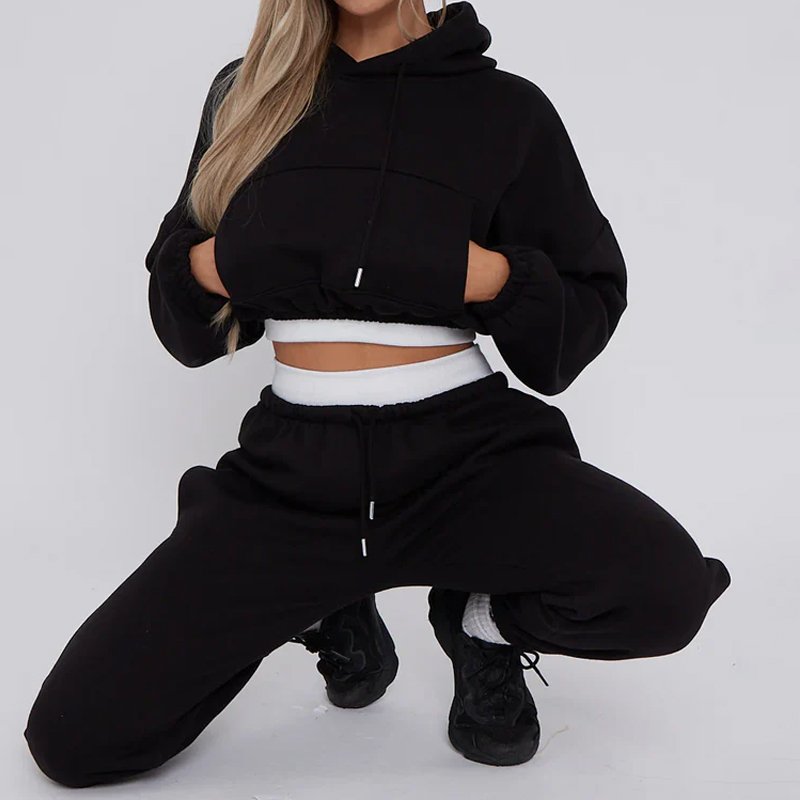
How to Make a Hoodie: Complete DIY Guide from Beginner to Pro

1. Introduction: Why Make Your Own Hoodie?
Creating your custom hoodie offers unmatched personalization, perfect fit, and creative fulfillment. Whether you’re a fashion enthusiast, a DIY beginner, or an aspiring designer, this comprehensive guide will walk you through every step of hoodie-making. The global custom apparel market is expected to reach $38.5 billion by 2027, with hoodies being the most popular DIY garment category.
2. Essential Materials and Tools Checklist
2.1 Fabric Selection Guide
Primary Fabric Options (by experience level):
| Fabric Type | Difficulty | Cost/yd | Best For | Warmth Level |
|---|---|---|---|---|
| French Terry Cotton | Beginner | $12-$25 | Everyday wear | Medium |
| Fleece | Beginner | $8-$20 | Cold weather | High |
| Jersey Knit | Beginner | $6-$15 | Lightweight hoodies | Low |
| Heavyweight Sweatshirt Fleece | Intermediate | $15-$30 | Premium feel | Very High |
| Organic Cotton Blends | Intermediate | $18-$35 | Eco-friendly option | Medium |
| Technical Fabrics | Advanced | $25-$60 | Performance/athletic | Variable |
Fabric Quantity Requirements:
- Adult Medium Hoodie: 2-2.5 yards (60″ wide fabric)
- Adult Large Hoodie: 2.5-3 yards
- Youth Sizes: 1.5-2 yards
- Pro Tip: Buy extra ¼ yard for pocket/practice pieces
2.2 Must-Have Tools and Equipment
Sewing Machine Essentials:
- Universal needle (size 80/12 or 90/14)
- Ballpoint/stretch needles for knits
- Twin needle for professional hems
- Walking foot attachment (highly recommended)
Additional Supplies:
- High-quality polyester thread
- 1″ wide knit interfacing
- Fabric scissors/rotary cutter
- Fabric markers/chalk
- Measuring tape
- Pins/clips
- Ribbing fabric for cuffs (¼-½ yard)
3. Step-by-Step Hoodie Construction Process
3.1 Pattern Selection and Preparation
Choosing Your Pattern:
- Beginner: Kwik Sew 3244, McCall’s M6044
- Intermediate: Sinclair Patterns Watson, Helen’s Closet Blackwood Cardigan (modified)
- Advanced: Self-drafted patterns
Pattern Adjustment Tips:
text
Key Measurements Needed:
1. Bust/Chest circumference + 4-6" ease
2. Shoulder width
3. Sleeve length (shoulder to wrist)
4. Hood height (top of head to chin)
5. Body length (shoulder to desired hem)
3.2 Cutting Your Fabric
Layout Strategy:
- Pre-wash fabric to prevent shrinkage
- Iron fabric to remove wrinkles
- Fold fabric selvage to selvage
- Place pattern pieces following grainlines
- Cut with ½” seam allowances (unless pattern specifies otherwise)
Cutting Order:
- Main body pieces (front/back) × 2
- Sleeves × 2
- Hood × 2
- Front pocket (if applicable) × 1
- Ribbing strips for cuffs and waistband
3.3 Sewing Assembly: Professional Techniques
Phase 1: Constructing the Body
text
Step 1: Shoulder Seams
- Place front and back pieces right sides together
- Pin shoulder seams
- Sew with ½" seam allowance
- Serge or zigzag stitch raw edges
- Press seams open or toward back

Step 2: Attaching Sleeves
- Match sleeve cap to armhole (notches aligned)
- Ease sleeve cap into armhole
- Sew with stretch stitch
- Repeat for second sleeve
Phase 2: Hood Construction
- Sew hood center seam (if pattern has two pieces)
- Attach hood facing (optional for cleaner finish)
- Prepare hood ribbing:
- Cut 3″ wide strip, length = hood front opening × 0.85
- Fold in half lengthwise, press
- Quarter-mark both ribbing and hood opening
Phase 3: Finishing Touches
- Side and Sleeve Seams:
- Sew continuous seam from wrist to hem
- Use stretch stitch throughout
- Cuff Application:
- Measure wrist circumference × 0.85 for ribbing length
- Sew ribbing into loop
- Quarter-mark and attach to sleeve ends
- Waistband:
- Same method as cuffs, using hip measurement × 0.85
- Pocket Installation (optional):
- Position pocket on front piece
- Topstitch with double needle for professional look
4. Advanced Techniques and Customizations
4.1 Professional Finishing Methods
Seam Finishes for Knits:
- Serged edges: Most professional, requires serger
- Zigzag stitch: Accessible, prevents popping
- Hong Kong finish: Luxury look, time-consuming
- Coverstitch: Commercial appearance, needs special machine
Double-Needle Hemming:
- Fold hem allowance to wrong side, press
- Use twin needle with two spools of thread
- Sew parallel rows for stretchy, professional hem
- Pro Tip: Place tissue paper under hem to prevent tunneling
4.2 Custom Design Elements
Embroidery Options:
- Machine embroidery (digitized designs)
- Hand embroidery (sashiko, cross-stitch)
- Appliqué techniques
Special Features:
- Kangaroo pocket variations
- Zipper installation (full or partial)
- Thumbhole cuffs
- Raglan sleeves vs. set-in sleeves
- Contrast fabric panels
5. Common Challenges and Solutions
5.1 Troubleshooting Guide
| Problem | Cause | Solution |
|---|---|---|
| Fabric stretching | Improper handling | Use more pins, sew slowly |
| Wavy seams | Tension too tight | Loosen upper thread tension |
| Skipped stitches | Wrong needle type | Use ballpoint/stretch needle |
| Hood doesn’t lay flat | Ribbing too long/short | Re-measure, adjust ribbing length |
| Cuffs too tight/loose | Incorrect ribbing ratio | Use 85% of measurement for ribbing |
5.2 Fabric-Specific Tips
Working with Fleece:
- Use sharp scissors (fleece dulls blades quickly)
- Expect significant lint – clean machine frequently
- May not need hemming due to minimal fraying
French Terry Considerations:
- Identify right/wrong side (loops on wrong side)
- Press carefully to avoid flattening texture
- Consider binding seams for comfort
6. Time and Cost Analysis
6.1 Project Timeline
Beginner First Hoodie: 6-8 hours
- Pattern preparation: 1 hour
- Cutting fabric: 1 hour
- Sewing: 4-5 hours
- Finishing: 1 hour
Experienced Maker: 3-4 hours
Professional Sewer: 2-3 hours
6.2 Cost Breakdown
Materials for Medium Adult Hoodie:
- French terry fabric (2.5 yds @ $15/yd): $37.50
- Ribbing (0.5 yd @ $8/yd): $4.00
- Thread, interfacing, notions: $5.00
- Pattern (if purchased): $5-$20
- Total Range: $46.50-$66.50
Comparison to Retail:
- Fast fashion hoodie: $25-$50
- Mid-range brand: $60-$120
- Premium/designer: $150-$300+
- Your custom hoodie: $47-$67 + time investment
7. Sustainability and Ethical Considerations
7.1 Eco-Friendly Practices
Sustainable Material Choices:
- Organic cotton or hemp blends
- Deadstock fabric (leftover from manufacturers)
- Recycled polyester fleece
- Natural dye processes
Waste Reduction:
- Use scraps for pockets, appliqué, or matching accessories
- Compost natural fiber scraps
- Donate usable leftovers to schools/community centers
7.2 Quality vs. Fast Fashion
Your Hoodie’s Lifespan:
- Fast fashion: 1-2 years with regular wear
- Homemade (proper care): 5-10+ years
- Repairability: Easy to fix seams, replace cuffs
- Sentimental value: Priceless
8. Maintenance and Care Instructions
8.1 Washing and Drying
For Longevity:
- Turn inside out before washing
- Cold water, gentle cycle
- Mild detergent, no bleach
- Lay flat or hang to dry
- Avoid excessive heat in dryer
Pressing Tips:
- Use medium heat
- Press seams from wrong side
- Use pressing cloth to protect fabrics
- Avoid pressing directly on ribbing
8.2 Repair and Upcycling
Common Repairs:
- Re-stitching cuffs/waistband
- Patching holes (visible mending technique)
- Replacing worn areas with contrast fabric
- Adding reinforcements to high-stress areas
9. Next-Level Projects and Skill Building
9.1 Advanced Variations
Technical Challenges:
- Water-resistant hoodies with laminate fabrics
- Heated hoodies with wiring systems
- Convertible hoodie-jacket hybrids
- Performance hoodies with moisture-wicking panels
9.2 Business Potential
Selling Your Creations:
- Local craft fairs and markets
- Etsy shop establishment
- Custom orders for friends/family
- Small batch production
- Legal considerations: Business licensing, liability insurance
10. Resources and Community
10.1 Learning Platforms
Online Classes:
- Craftsy: “Sewing Knits with Confidence”
- Skillshare: Various sewing courses
- YouTube Channels: WithWendy, Angela Kane
Pattern Resources:
- Mood Fabrics (free patterns)
- Fabric.com pattern section
- Independent pattern designers
10.2 Community Support
Forums and Groups:
- Reddit: r/sewing (850k+ members)
- PatternReview.com
- Local sewing guilds and meetups
- Instagram sewing community (#sewingcommunity)
Conclusion: Your Journey in Hoodie Making
Creating your first hoodie is an achievable project with proper guidance. Start with a simple pattern and affordable fabric, then gradually tackle more complex designs. Remember that practice improves perfection – your first hoodie might have imperfections, but it will be uniquely yours.
Key Takeaways:
- Start simple: Basic pullover hoodie without zipper
- Invest in good tools: Quality makes the process easier
- Embrace mistakes: They’re learning opportunities
- Join the community: Share and learn from others
- Enjoy the process: The satisfaction of wearing something you made is unparalleled
Whether you’re making a personal statement piece, a thoughtful gift, or exploring a new business venture, hoodie-making combines practical skill development with creative expression. The journey from fabric to finished garment teaches patience, precision, and the joy of creation.
Explore More Articles from WUYI Apparel
Want to learn more about styling essentials hoodies or other apparel tips? Check out some of our other helpful articles:
- Wearing Black to a Wedding: A Modern Etiquette Guide
- Rainwear Jackets: The Perfect Fusion of Fashion and Function
- How To Measure Clothes
- Casual clothing – Casual and elegant through everyday life
- How to Find Your Style:An in-depth exploration of one’s own clothing style
For more tips and tricks on fashion and lifestyle, don’t forget to visit our Blog Section.
Head over to our Shop Page to browse our full collection and pick your favorite essentials hoodie today!