Welcome to customize all kinds of clothing


When was the hoodie invented?

Pull on your favorite hoodie. Feel that instant comfort, that sense of cozy anonymity? It’s a feeling so universal, it’s hard to imagine a time without this iconic garment. But have you ever stopped to ask: When was the hoodie invented?
The history of the hoodie
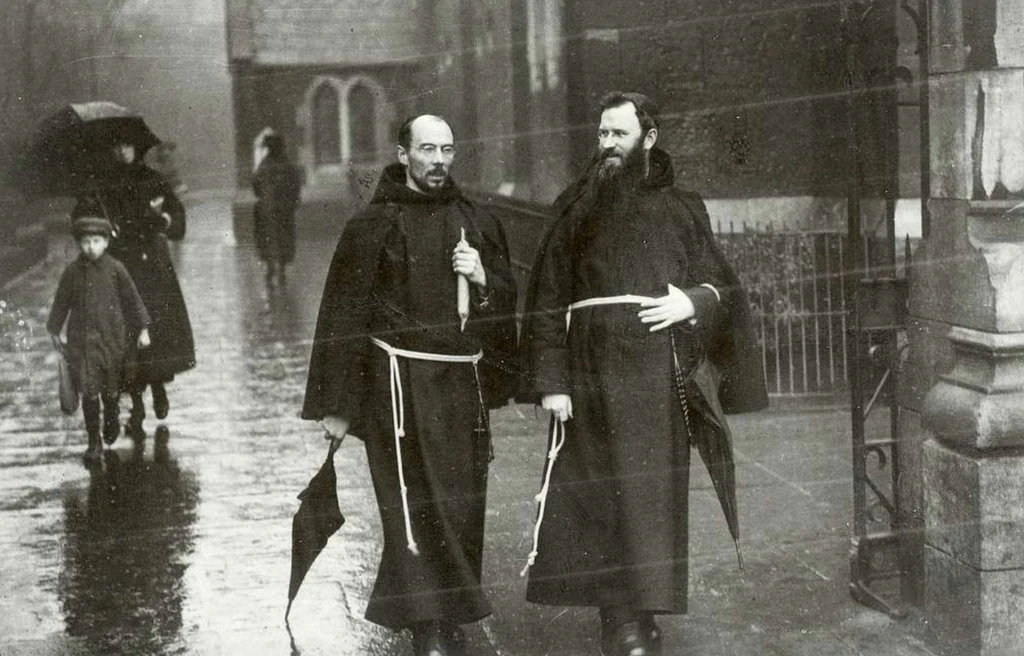
The origins of the hooded garments can be traced to the earliest known Assyrian text from the 13th century BCE. Over 3,000 years ago, traditions of covering the head already existed in the religions of that time. These cultural expressions were shared throughout the Assyrian Empire, which stretched from the Persian Gulf to the Mediterranean and Medieval Europe.
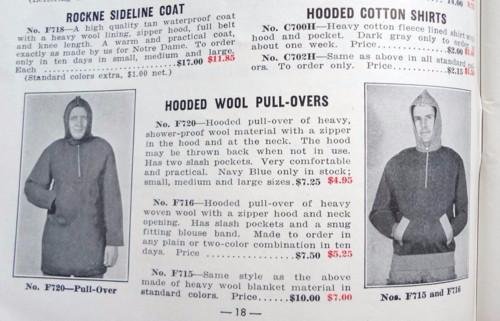
While hooded garments originated before the common era, the hooded sweatshirt or “hoodie” that we know today was invented in the 1930s by Knickerbocker Knitting Company, which eventually became the brand ‘Champion’. The University of Michigan noticed the durability and functionality of Knickerbocker’s undergarments in 1934 and invited the company to create the first hooded sweatshirt for their sports teams. These sweatshirts were also sold to cold-storage warehouse laborers and tree surgeons to protect themselves from the elements.
Later, as hip-hop culture began to brew in New York’s underground music scene in the ’70s, the hoodie became the uniform of MCs, graffiti artists, and b-boys. The hoodie represented discretion, dignity, and defiance. Youths who were particularly marginalized from society donned a hoodie to feel safe and cocooned.
Eventually, movies like Rocky aided in the hoodie’s rise from a subcultural representation to general popularity in the mid-70s, associating it with discipline, humility, and self-determination. For the first time, the hoodie was transcending its utilitarian roots and becoming politicized because of this double standard.
The Nineties saw the emergence of especially hard-edged gangsta rap, and groups like Wu-Tang Clan and Cypress Hill had a pared-down dress code to go along with their gritty attitudes. The cover of the classic 1993 album Enter the Wu-Tang (36 Chambers) is a particularly grim depiction of the hoodie.
Propelled by the rising popularity of hip hop music, the hoodie found its way into fashion with designers like Giorgio Armani, Tommy Hilfiger, and Ralph Lauren adopting its urban look – all the while maintaining its symbolic relevance in the topics of racism, youth disenfranchisement and police brutality, particularly in the United States.
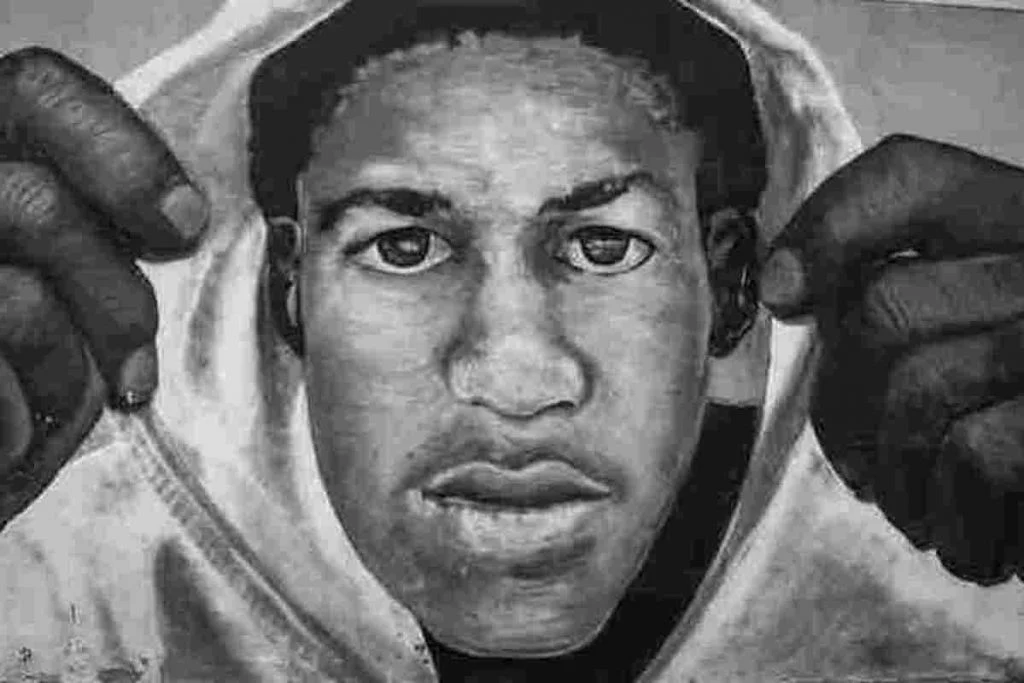
It’s worth noting the significance of the hoodie in 2012 when 17-year-old Trayvon Martin was tragically fatally shot in Florida. To support the family, the Million Hoodie March took place in cities across America; NBA players and musicians such as Wyclef Jean wore hoodies to contribute to the campaign and make clear that it’s just a practical piece of clothing that is easily thrown on for anything from our modern office uniform, to lazy Sunday brunches or late-night corner-shop errands.
Although the hoodie had a humble beginning, it has since sparked conversations, debates, and discussions. It is ubiquitous, a great, popular example of modern design, but, when its wearer moves through the world, the city, the digital sphere, its story becomes unique.
The answer takes us back to the 1930s. While garments with hoods have existed for centuries, the hoodie as we know it was born from pure practicality.
The 1930s: A Practical Beginning
The true pioneer was the Knitting company Champion. Seeking to keep athletes warm during chilly training sessions, they revolutionized the sweatshirt by sewing a hood onto it. Their genius addition? The front pouch pocket—a simple yet brilliant design that kept hands warm and provided a place to store small essentials. It was functional, athletic wear, designed for laborers and college football players braving the cold.
From Utility to Icon
The hoodie’s journey from the sidelines to the spotlight is a story of cultural transformation. In the 1970s, it was adopted by hip-hop artists in the Bronx, becoming a symbol of urban cool and identity. It became a canvas for self-expression. By the 1980s and 90s, it was embraced by skateboarders, surfers, and tech pioneers like Steve Jobs, representing a new, casual form of rebellion and innovation.
More Than a Garment
Today, the hoodie is a global phenomenon. It’s a staple in high fashion, a uniform for Silicon Valley disruptors, and a comforting embrace for everyone. It can signal anonymity or make a bold statement. It’s a piece of clothing that transcends gender, age, and class.
So, the next time you zip up or pull over your go-to hoodie, remember you’re wearing a piece of history. From its practical invention nearly a century ago to its status as a modern icon, the hoodie is truly one of the most versatile and enduring designs ever created.
**The Hoodie: Invented in the 1930s. Worn on your shoulders, forever.