Welcome to customize all kinds of clothing

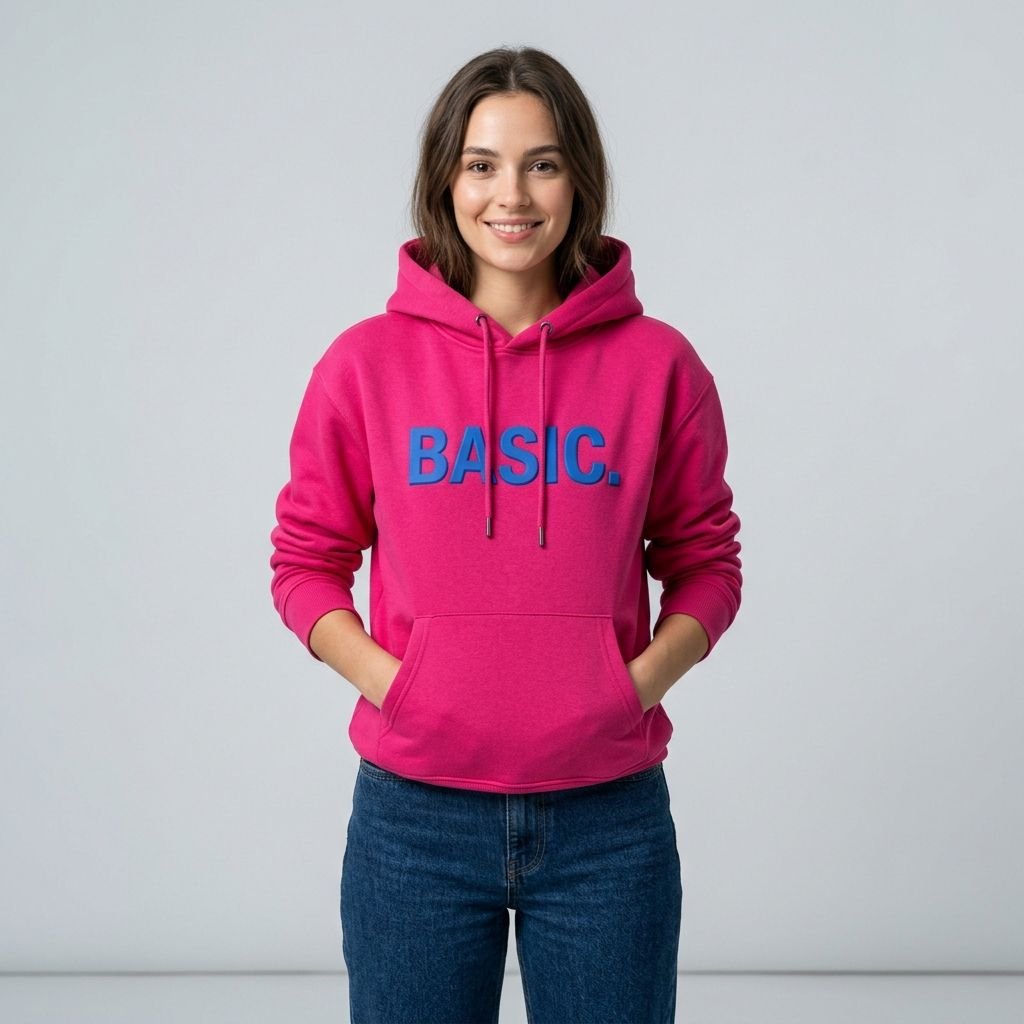
Do Expensive Hoodies Signal Taste or Just Wealth?

You have seen them. A hoodie that looks like any other—except it costs $800. A cashmere sweatshirt so plain it could be from a thrift store, yet it carries a four-figure price tag. These garments are at the center of a debate that has defined luxury fashion in the 2020s: do expensive hoodies signal taste, or are they just a way to broadcast wealth?
The short answer is that they signal both—but which one dominates depends entirely on who is wearing it and what they are trying to communicate. Today’s luxury hoodies are caught between signaling genuine taste through craft and quiet distinction, and simply proving you can afford to spend four figures on a garment that looks nearly identical to a $50 one.
Part 1: The “Quiet Luxury” Approach – When Expensive Hoodies Signal Taste
The most refined version of expensive hoodies is designed to be seen only by those who know. This is the world of quiet luxury.
The IYKYK (If You Know, You Know) Philosophy
In the “quiet luxury” ecosystem, you aren’t wearing a logo; you are wearing exceptional materials and craftsmanship. The brands that define this space—Loro Piana, Brunello Cucinelli, ZEGNA, The Row—are famous for their lack of visible branding.
“Today’s tech billionaires are more likely to be found in $4,000 cashmere sweaters than startup merchandise… A simple hoodie or baseball cap might cost several thousand dollars, but this is part of the draw: quality known only to those who know.”
For the IYKYK wearer, the signal is taste. It says: “I value quality, I understand the difference between cashmere and regular fleece, and I don’t need anyone else to validate my choices.” The distinction is subtle but real: this is not about showing off wealth—it’s about showing off knowledge. As one writer notes, the goal is to be “recognized only by those who move in similar circles.”
The Hermès Effect: Material as Status
In this world, the status signal is not the logo—it’s the material. Cashmere, fine wools, and unique knits replace cotton fleece. A hoodie made from cashmere by Brunello Cucinelli is not just a hoodie; it is a testament to the fact that you understand why cashmere costs what it does.
“Everyone’s got a favourite hoodie, but have you ever experienced what it’s like to wear one made of 100% cashmere?”
The wearer of the cashmere hoodie is signaling taste because they have chosen an item of genuine quality over a branded item of equal or lesser quality. In a world where “Supreme” and “Balenciaga” logos are easy to spot, the quiet luxury hoodie is a signal that you are playing a different game entirely.
Why This Is Not Just Wealth
There is a critical difference here. A $2,000 cashmere hoodie is expensive, but it is not a status symbol because of the number on the tag. It is a status symbol because the wearer has chosen to spend money on something only they know is expensive. As one fashion observer put it:
“The most powerful people in the room rarely look like it at first glance. When you look closer, you start to notice the details: the cashmere is finer, the collar falls just so, and the quietness? That’s the point.”
This is not about broadcasting wealth—it is about communicating taste to a select audience that knows what to look for.
Consumer Segment Difference: High Net Worth vs. Young Aspirational
For high-net-worth individuals (typically older, established wealth), the quiet luxury hoodie signals membership in an exclusive club. The wearer has nothing to prove; they simply appreciate quality and want to be recognized only by those who move in similar circles. The hoodie is a subtle nod to peers, not a signal to the general public.
For young aspirational consumers (typically Gen Z and younger Millennials), the quiet luxury hoodie signals sophistication and cultural awareness. It says, “I understand what luxury looks like without logos.” The purchase is often an investment in signaling that you have “arrived” or that you belong in spaces where such knowledge matters.
Quiet Luxury vs. Gen Z Community Signals Comparison
| Signal Type | Target Audience | What It Communicates |
|---|---|---|
| Quiet Luxury (Cashmere IYKYK) | High-net-worth, established | Insider knowledge, material appreciation, membership |
| Quiet Luxury (Young Aspirational) | Gen Z, young professionals | Sophistication, cultural awareness, arrival |
| Wellness Hoodie (Sporty & Rich) | Gen Z, wellness community | Values, balance, belonging, taste |
| Logo Hype (Supreme) | Streetwear community | Status, scarcity, spending power |
Part 2: The Gen Z “Taste & Belonging” Approach – A Different Kind of Signal
Gen Z has redefined what a status hoodie can mean, often moving beyond pure wealth to signals of taste, awareness, and community.
Taste as the New Status Signal
For young consumers, wearing an expensive hoodie is increasingly about signaling taste and belonging, not just wealth. As one analysis from Istituto Marangoni notes, “beyond the cost, it is not about broadcasting wealth. It is about signalling taste, awareness and a particular set of habits: that distinction is everything.”
This is the world of brands like Sporty & Rich and Aviator Nation, which use vintage aesthetics, health-conscious messaging, and premium fabrics to create a different kind of status signal. The hoodie says: “I understand the culture, I value quality over quantity, and I am part of a community that values balance and mindfulness.”
The “Inside Knowledge” Signal
The Highsnobiety study of young luxury shoppers found that “the ‘vast majority of them see these purchases as a way to convey a value system they share with like-minded consumers.'” They aren’t just buying products; they are “buying into a lifestyle or community.”
This is a key distinction. The expensive hoodie is not just a signal of wealth—it is a signal of belonging. It says you are part of a specific culture, one that values certain aesthetics, materials, and ways of living.
Quiet Luxury Meets Wellness
The “wellness hoodie” trend represents the intersection of taste and identity. These hoodies don’t scream wealth; they whisper values. As a 2026 trend analysis notes, these brands have “positioned themselves as a kind of physical antidote: their branding feels calm and controlled, and that sense of serenity has become incredibly attractive.”
The signal here is not “I have money.” It is “I prioritize my well-being, I value balance, and I am part of a community that shares these values.”
Part 3: When Expensive Hoodies Signal Just Wealth (and Nothing Else)
Despite the rise of quiet luxury and community-driven brands, many expensive hoodies are still primarily signals of wealth—and not always tasteful ones.
The $2,000 Loro Piana Baseball Cap Problem
Even in quiet luxury, there is a line where taste gives way to sheer wealth display. A $2,000 cashmere baseball cap from Loro Piana looks nearly identical to a $50 cap from any brand. As one critic put it:
“To keep it real, absolutely no one is going to think your style elevated to another dimension if you choose to wear a logoless $1,000 baseball cap versus a $50 one.”
At this point, the signal is not taste—it is wealth. You are buying the cap because it is expensive, not because it looks different or better.
The Supreme Effect: Logo Wealth
The classic example of wealth signaling without taste is Supreme. The brand has built an empire on streetwear hype, but its products often cost “greatly in excess of their quality.” Supreme hoodies can cost hundreds of dollars, and the primary value is not the quality of the garment but the brand logo.
Fashion critic Jake Silbert makes a compelling argument that quiet luxury often serves the same function as loud logos—just for a different audience:
“Whether you call it quiet luxury or stealth wealth or coded luxury, it’s soooo boring… To the layman, these are boring basics but, to similarly wealthy people, these items put the wearer’s money where their mouth is. A silent wink and nod between members of an exclusive and terribly bland club.”
When Taste and Wealth Overlap
The most complicated cases are where taste and wealth overlap seamlessly. A hoodie from The Row might be genuinely well-made and aesthetically refined, but it also costs four figures. Is the buyer signaling taste, or are they just demonstrating that they can afford The Row?
Often, it is both—and that is the point.
Part 4: Head-to-Head Comparison – The Signals
| Signal Type | What It Communicates | Example Brands | Key Feature |
|---|---|---|---|
| Taste (IYKYK) | Material knowledge, craftsmanship, insider awareness | Loro Piana, Brunello Cucinelli, The Row | Exceptional quality, no logos |
| Taste (Wellness) | Values, balance, community belonging | Sporty & Rich, Aviator Nation | Vintage aesthetics, health messaging |
| Belonging | Community identity, cultural awareness | Festival merch, niche streetwear | Cultural relevance, inside jokes |
| Wealth (Logo) | Status, spending power | Supreme, Balenciaga | Large logos, high price relative to quality |
| Wealth (Stealth) | Status, exclusivity | Quiet luxury done poorly | High price without corresponding taste |
Part 5: Frequently Asked Questions
Do expensive hoodies signal taste or just wealth?
They can signal both—but the balance depends on the brand, the context, and the wearer. A cashmere Loro Piana hoodie signals taste because it demonstrates knowledge of materials and craftsmanship. A Supreme hoodie primarily signals wealth and streetwear status. A wellness hoodie from Sporty & Rich signals values and belonging.
What is “quiet luxury” in the context of hoodies?
Quiet luxury refers to expensive, logo-free garments that signal status through exceptional materials, construction, and fit rather than visible branding. A cashmere hoodie from Brunello Cucinelli or Loro Piana is quiet luxury. The signal is “IYKYK”—if you know, you know.
Why do young people pay $200+ for hoodies that aren’t from luxury brands?
Gen Z sees expensive hoodies as signals of taste, values, and belonging, not just wealth. Brands like Sporty & Rich and Aviator Nation offer premium materials, vintage aesthetics, and a sense of community. Consumers are paying for a lifestyle, not just a garment.
Is there a difference between buying an expensive hoodie for taste versus for wealth?
Yes. A taste-driven purchase prioritizes material quality, craftsmanship, and design. A wealth-driven purchase prioritizes logos, brand prestige, and the ability to spend money. The former says “I know what is good”; the latter says “I can afford this.”
Can a hoodie signal belonging without being expensive?
Absolutely. Branded merchandise from festivals, independent creators, or subcultures often signals belonging without a high price tag. The value comes from cultural relevance, not cost. The ALDI tote bag trend is a perfect example—a $0.99 grocery bag became a signal of values and humor.
What is the difference between high-net-worth and young aspirational consumers of quiet luxury hoodies?
High-net-worth individuals wear quiet luxury to signal membership in an exclusive club—a subtle nod to peers who share similar knowledge and resources. Young aspirational consumers wear it to signal sophistication and cultural awareness, often as an investment in signaling that they belong in such spaces.
Why do some critics say quiet luxury is just as boring as loud logos?
Critics like Jake Silbert argue that quiet luxury serves the same function as loud logos—just for a different audience. To the layman, these are boring basics. To similarly wealthy people, they put the wearer’s money where their mouth is. It is a “silent wink and nod between members of an exclusive and terribly bland club.”
What is the difference between a $200 Sporty & Rich hoodie and a $2,000 Loro Piana hoodie?
The Sporty & Rich hoodie signals wellness values, community belonging, and cultural awareness. The Loro Piana hoodie signals material knowledge, craftsmanship appreciation, and insider status. Both are expensive, but they communicate different things to different audiences.
The Bottom Line
So, do expensive hoodies signal taste or just wealth? The honest answer is: it depends on who is wearing them, what they are wearing, and why they are wearing it.
The quiet luxury hoodie (cashmere, no logo, exceptional material) can signal taste because it demonstrates knowledge, attention to detail, and a genuine appreciation for craftsmanship. It says, “I understand what makes this special, and I don’t need anyone else to validate my choice.”
The streetwear hype hoodie (large logo, limited edition) primarily signals wealth and status within a specific subculture. It says, “I can afford to spend money on this exclusive item.”
The wellness hoodie (vintage aesthetic, health messaging) signals values and belonging. It says, “I am part of a community that prioritizes balance, mindfulness, and quality.”
For high-net-worth individuals, the hoodie signals membership in an exclusive club. For young aspirational consumers, it signals sophistication and cultural awareness. For the streetwear crowd, it signals status and spending power.
Ultimately, the hoodie has become a canvas for a complex set of signals—wealth, taste, belonging, values, cultural awareness. What it communicates depends on what the wearer chooses to say.
More Articles from WUYI Apparel
Want to learn more about styling essentials hoodies or other apparel tips? Check out some of our other helpful articles:
- Wearing Black to a Wedding: A Modern Etiquette Guide
- Rainwear Jackets: The Perfect Fusion of Fashion and Function
- How To Measure Clothes
- Casual clothing – Casual and elegant through everyday life
- How to Find Your Style:An in-depth exploration of one’s own clothing style
For more tips and tricks on fashion and lifestyle, don’t forget to visit our Blog Section.
Head over to our Shop Page to browse our full collection and pick your favorite essentials hoodie