Welcome to customize all kinds of clothing

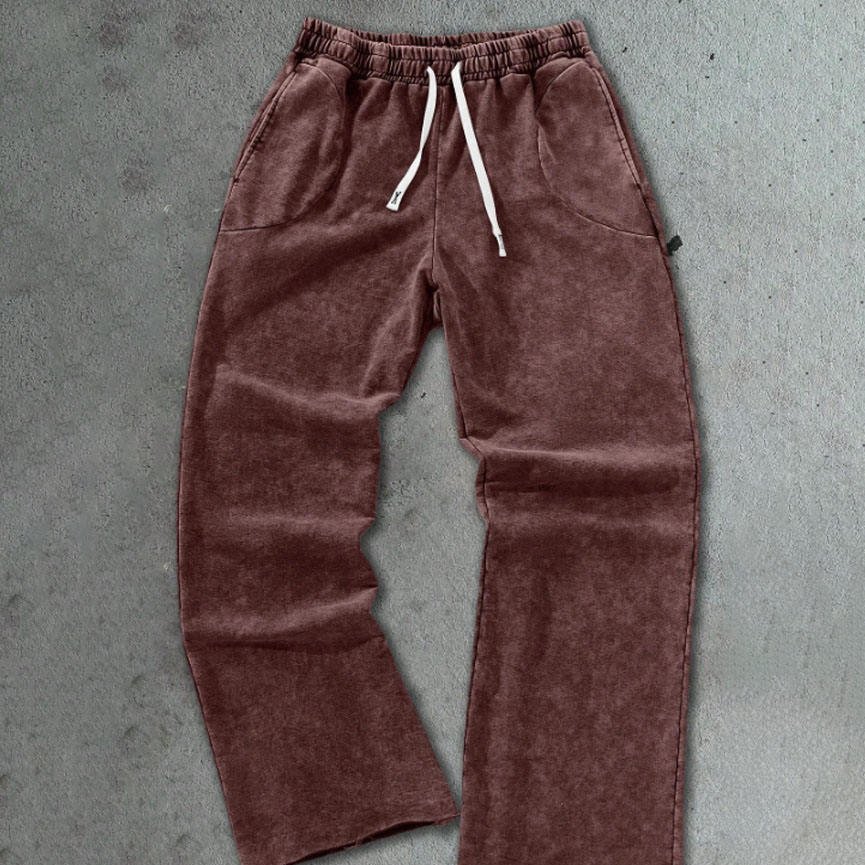
Are We Returning to Quality Over Fast Fashion With Hoodies?

You have seen the cycle. Cheap hoodies that pill after three washes. Fast fashion drops that feel thin and fall apart. Meanwhile, $200 hoodies from brands like Fear of God Essentials sell out in minutes, and vintage pieces from the early 2000s are resold for more than new ones.
So is the hoodie market finally shifting away from fast fashion and back toward quality?
The short answer is yes — but it is a complicated shift. Consumers, especially Gen Z, are increasingly prioritizing quality, durability, and craftsmanship over cheap, disposable clothing. However, the economics of fast fashion still dominate the mass market. What we are seeing is a fragmentation: a growing quality-first segment alongside the continued existence of fast fashion.
Part 1: The Quality Comeback — What the Data Shows
Several converging trends show that consumers are actively moving away from disposable hoodies.
The Essentials Effect: Quality as a Status Signal
The Fear of God Essentials hoodie has become the poster child for the quality comeback. Its appeal is rooted in tangible construction: the cotton-polyester blend sits noticeably heavier than mass-market alternatives, with dropped shoulders, oversized torsos, and ribbing that holds structure after washing. What made it durable was not just marketing—it became a status signal because of the quality.
Fashion analysts note that Essentials benefits from “quiet luxury adjacency” — it signals taste and spending ability through material and silhouette rather than a screaming logo. A 2026 analysis confirms that consumers across all demographics—college students, remote workers, and gift-givers—have adopted the hoodie as a wardrobe staple.
Gen Z’s Quality Awakening
Research from Istituto Marangoni highlights a key generational shift: flooded with social ads promoting cheap clothing designed to be worn only a handful of times, young consumers are rediscovering the value of well-made garments. Thick cotton fabrics, precise stitching, and durable construction have become new markers of reliability and credibility.
For Gen Z, quality reflects responsibility, sustainability, and long-term value—a hoodie that retains its shape after dozens of washes feels like a considered investment rather than a disposable purchase. As one fashion analysis put it, “cool” is now as much about intention as appearance.
The “Cost Per Wear” Revolution
A 2025 study from the University of Bath and Cambridge Judge Business School found that labelling clothes with “cost per wear” (CPW) can shift consumers away from fast fashion toward higher-quality, longer-lasting clothing. The research showed that CPW increased preference for high-quality clothing even when the upfront price was higher. As Dr. Lisa Eckmann from the University of Bath put it: “Cost per wear reframes sustainability as smart spending. Cheap fast fashion suddenly appears more expensive due to its higher cost per wear and quality pieces are viewed as better financial investments—not just greener choices.”
The Hollister Warning: When Quality Fails
A cautionary tale comes from Hollister’s 2000s Rewind collection. The brand attempted to tap into nostalgia with Y2K-inspired hoodies and sweaters, but Gen Z consumers called the drop “underwhelming,” pointing out that the fabric felt “cheap,” “thin,” and “nothing like the originals.” The backlash wasn’t just about feel—it was about trust. As one analysis noted, consumers voted with their wallets, buying vintage Hollister from Depop instead because the originals had thicker cotton, stronger stitching, and a more tailored fit. The takeaway: consumers today want the look, but not at the cost of quality.
Part 2: The Fast Fashion Reality — It’s Not Over Yet
Despite the quality shift, fast fashion still dominates the mass market.
The Price Barrier
The University of Bath study also acknowledges a critical limitation: many consumers will still choose lower-quality options with higher CPW because they simply cannot afford the higher upfront purchase price. A $200 hoodie is out of reach for many, even if it lasts longer. For these consumers, fast fashion is not a choice—it is the only option.
Brand Evolution vs. Revolution
While brands like Essentials and Sporty & Rich have thrived on quality positioning, mass-market retailers like Gap are attempting a comeback by targeting Gen Z with quality basics at competitive prices—jeans at £50, hoodies at £35. Gap’s revival strategy is notable: over 70% of people said the retailer no longer resonates, but Gen Z could be key to the comeback, driven by TikTok collaborations and music-led campaigns. Gap’s return signals that quality basics still have mass appeal, but the price point must be accessible.
The Slow Fashion Alternative
A growing number of smaller brands are embracing “slow fashion” as a direct counter to fast fashion. Brands like Ink Green position themselves as “anti-fast-fashion,” using organic cotton, recycled fabrics, and made-to-order production to reduce overproduction and waste. Similarly, Disorder Boutique describes itself as “ideologically opposed to fast fashion,” handcrafting garments to last rather than be thrown away. Even premium brands like Sutsu ($712 hoodies) emphasize transparency, sustainability, and durability—they want you wearing the hoodie “ten years from now.” A broad survey of Australian brands shows that quality materials—organic cotton, bamboo blends, merino wool—are now central to how hoodie brands differentiate themselves.
Consumer Segment Differences
For students and budget-conscious shoppers, fast fashion remains the default option. The upfront cost of a $200 hoodie is simply not feasible, even if the cost-per-wear logic favors it. For urban professionals and middle-income consumers, the shift toward quality is more pronounced. They are more likely to invest in premium hoodies, viewing them as wardrobe staples that justify the higher initial cost through longevity and versatility.
| Consumer Segment | Typical Hoodie Spend | Primary Driver |
|---|---|---|
| Budget-conscious/Student | $20-50 | Upfront affordability |
| Middle-income Urban | $100-200 | Durability, quality, taste |
| Luxury/Collector | $200+ | Status, scarcity, community |
Part 3: The Hoodie as a Symbol of the Shift
The hoodie is uniquely positioned as the garment where this quality conversation is most visible.
The End of Streetwear Hype?
One analysis suggests that the streetwear boom has quieted, with consumers asking different questions: “Where did this hoodie come from? Who stitched it? Why am I being charged more than a week’s groceries for it?” Even Depop’s 2024 trend report shows rising searches for archive pieces and upcycled fits, while limited-edition listings are slowing down. The shift from hype to intentionality suggests a real values change.
The Gap Between Quality and Disposability
GQ’s style director recently noted the cyclical return of the zip hoodie, but the cultural shift goes deeper: designers are focusing on clothes that “do more than just look good on Instagram,” with multi-pocket cargos, layered silhouettes, and jackets that transform. The conversation is moving from logo flexing to intention flexing—clothes designed for real use and longevity.
What “Quality” Actually Means Now
| Quality Indicator | What It Signals |
|---|---|
| Fabric weight (400+ GSM) | Durability and premium feel |
| Organic cotton | Sustainability and ethics |
| Reinforced stitching | Longevity and craftsmanship |
| Minimal branding | Taste and quiet luxury |
| Made-to-order | Anti-waste, intentional production |
Part 4: Frequently Asked Questions
Are consumers really returning to quality over fast fashion?
Yes, there is a clear shift, particularly among Gen Z. Consumers are increasingly prioritizing quality, durability, and craftsmanship over cheap, disposable fast fashion. However, the shift is not universal—fast fashion still dominates the mass market due to price barriers.
What is driving the shift toward quality hoodies?
Three key factors: 1) The success of brands like Essentials that prove quality can be a status signal; 2) Gen Z’s growing awareness of sustainability and cost-per-wear economics; 3) Frustration with low-quality fast fashion that falls apart quickly.
Is the Essentials hoodie actually higher quality?
Yes. Authentic Essentials hoodies use heavy fleece construction (400-450 GSM), consistent stitching, reinforced seams, and a silhouette that holds structure after washing. The quality is measurably better than mass-market alternatives.
Why do consumers still buy fast fashion if quality is better?
Cost is the primary barrier. Many consumers cannot afford the upfront price of a $200 hoodie, even if it has a lower cost-per-wear. Fast fashion remains the default for budget-conscious shoppers.
What does “cost per wear” mean for hoodies?
Cost per wear is calculated by dividing the price by how long the item is likely to last. A $40 hoodie that lasts 40 wears costs $1 per wear, while a $200 hoodie that lasts 300 wears costs $0.67 per wear. Studies show that when consumers see CPW comparisons, they prefer higher-quality options.
How can I tell if a hoodie is actually good quality?
Check the fabric weight (400+ GSM is premium), examine the stitching (consistent, no loose threads), feel the density (it should feel substantial, not flimsy), and read reviews from actual owners. Beware of thin, synthetic-heavy blends that pill quickly.
Will the quality shift continue?
According to industry analysis, the trend is likely to continue. Gen Z is driving a permanent shift toward intentional consumption, and brands that lead with quality rather than artificial scarcity are gaining cultural ground. However, the gap between premium and fast-fashion hoodies will likely persist.
How do different consumer segments approach hoodie quality?
Budget-conscious and student shoppers typically prioritize upfront affordability, sticking with fast fashion despite its lower durability. Urban professionals and middle-income consumers are more likely to invest in premium hoodies, viewing them as wardrobe staples that justify the higher cost through longevity and versatility.
What is slow fashion in the hoodie market?
Slow fashion brands use organic cotton, recycled fabrics, and made-to-order production to reduce overproduction and waste. They handcraft garments to last rather than be thrown away, positioning themselves as the direct counter to fast fashion.
Is the quality shift just a trend, or is it permanent?
The shift appears to be structural rather than cyclical. Gen Z’s values around sustainability, cost-per-wear economics, and intentional consumption are likely to persist. However, fast fashion will remain a significant market segment due to its affordability and accessibility.
The Bottom Line
So, are we returning to quality over fast fashion with hoodies?
The evidence points to a partial but significant shift. Consumers, particularly Gen Z, are increasingly prioritizing quality, durability, and craftsmanship over cheap disposable clothing. Brands like Essentials have shown that quality can be a status signal, and the “cost per wear” logic is gaining traction among younger shoppers.
However, fast fashion is not dead. The mass market still operates on low prices and high volume, and many consumers cannot afford the upfront cost of premium hoodies. What we are seeing is a fragmentation of the market: a quality-first segment for those who can afford it, alongside the continued dominance of fast fashion for those who cannot.
For students and budget-conscious shoppers, fast fashion remains the default option. For urban professionals and middle-income consumers, the shift toward quality is more pronounced. The hoodie has become the symbol of this shift—a garment where quality, craftsmanship, and sustainability are increasingly valued over logos and cheap production.
As one analysis put it, consumers are moving from flexing community to flexing intention: “We want care. We want transparency. We want fits that don’t just say we’re cool. We want clothes that show what we believe in.”
Now go find a hoodie that will outlast the trend cycle—and know exactly what you are paying for.
More Articles from WUYI Apparel
Want to learn more about styling essentials hoodies or other apparel tips? Check out some of our other helpful articles:
- Wearing Black to a Wedding: A Modern Etiquette Guide
- Rainwear Jackets: The Perfect Fusion of Fashion and Function
- How To Measure Clothes
- Casual clothing – Casual and elegant through everyday life
- How to Find Your Style:An in-depth exploration of one’s own clothing style
For more tips and tricks on fashion and lifestyle, don’t forget to visit our Blog Section.
Head over to our Shop Page to browse our full collection and pick your favorite essentials hoodie